The Renault Duster has carved out a unique niche in the local automotive landscape. Known for its rugged simplicity and fuel efficiency, it has become a go-to choice for those who need a vehicle that can handle both the urban sprawl and the occasional gravel track. However, as these vehicles begin to age, potential buyers may ask: is a used Duster a safe bet?
In this video guide, we take a deep dive into the 2nd-generation Duster . We look specifically at the 1.5-litre turbodiesel model to uncover what to look out for, how much it costs to maintain and whether the “plucky” reputation holds up under scrutiny.
The legend of the 1.5 dCi
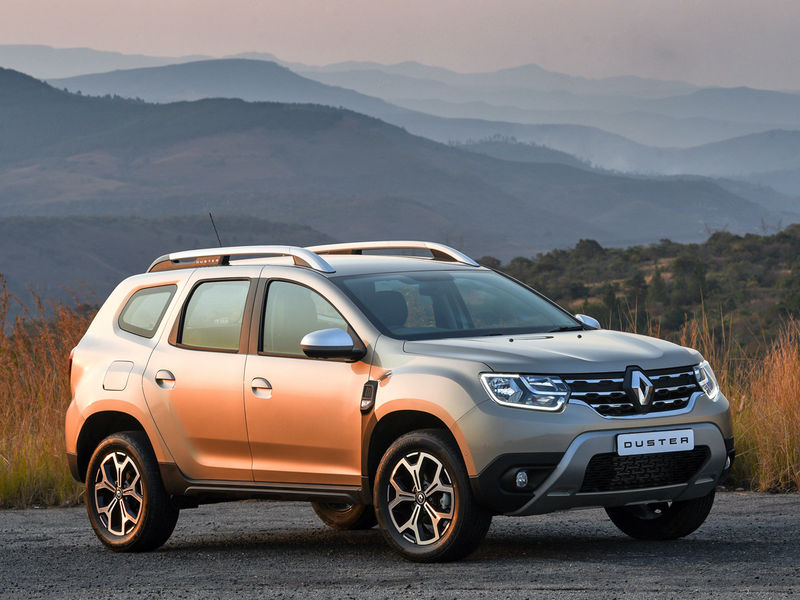
At the heart of most used Duster models’ appeal is the 1.5-litre turbodiesel engine. This powerplant is arguably one of the most versatile engines in modern motoring. It’s seen service in everything from Mercedes-Benz commercial vans to Nissan SUVs. In South Africa, where long distances are the norm, this engine shines thanks to its impressive torque and exceptional fuel economy.
Read more: Renault Duster (2018) Launch Review
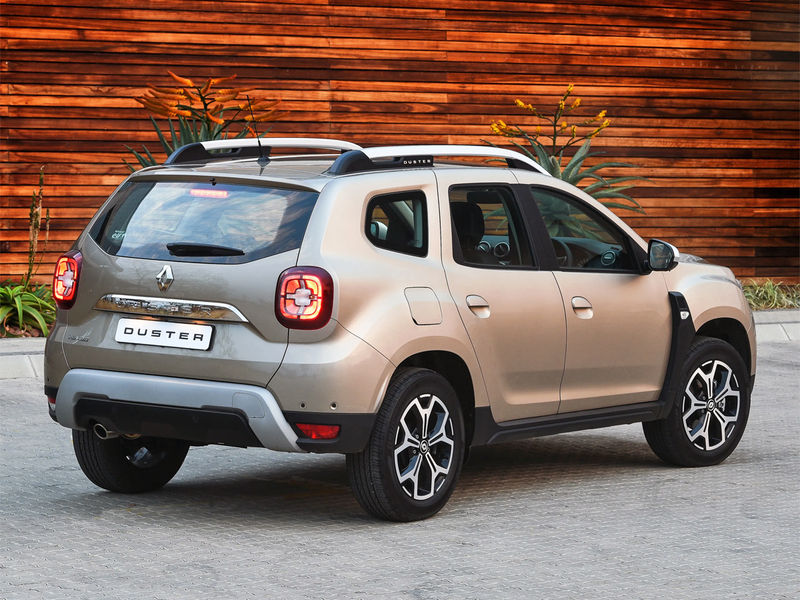
While the latest 3rd-generation Duster has moved away from diesel power, the 2nd-generation diesel remains highly sought after on the used market. It provides just enough punch for highway overtaking while maintaining a zippy character in city traffic.
Read more: Renault Duster (2025) Review
Common issues to watch for
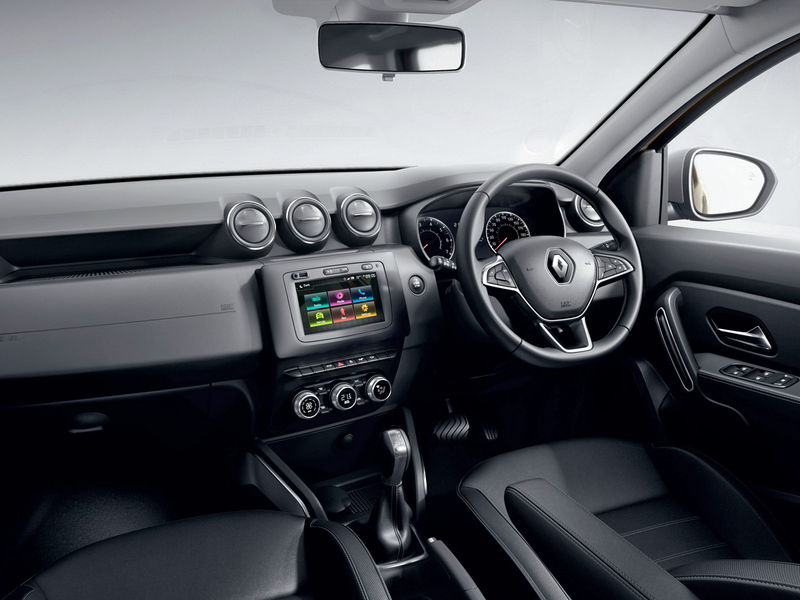
Despite its robust nature, the Duster is a budget-focused product with origins in the Dacia brand. As such, it does have a few quirks that buyers should be aware of:
- Refinement and rattles: The diesel engine is somewhat agricultural in its sound and vibration. Over time, these vibrations can lead to interior squeaks and rattles.
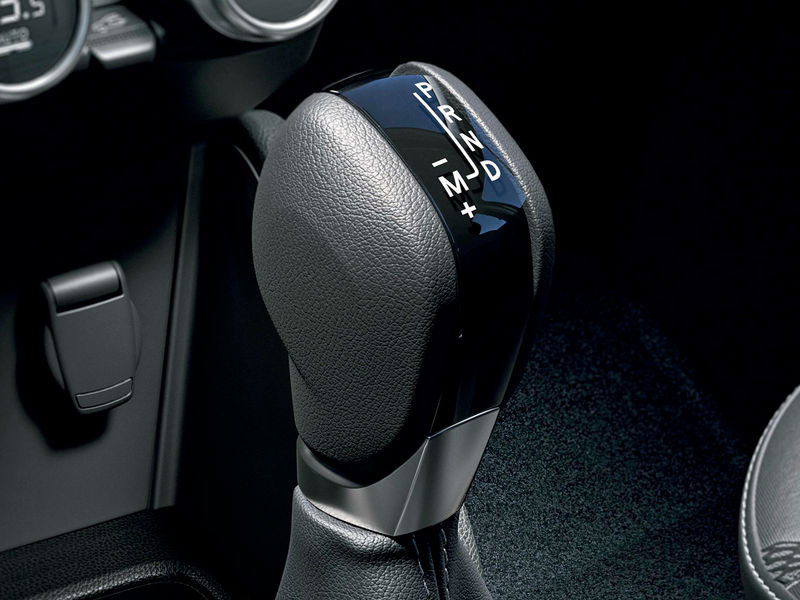
- Transmission temperament: The Efficient Dual Clutch (EDC) automatic gearbox is a dry-clutch setup. In heavy stop-start traffic, it can become jerky or prone to overheating. It is far happier on the open road or a steady gravel path.
- Infotainment glitches: While the system covers the basics, some users have reported software bugs and glitches. It is always worth ensuring the firmware has been updated to the latest version.
- Loose driver’s seat: A recurring report among Duster owners involves a slight wobble or looseness in the driver’s seat rails. This is a relatively simple fix.
- Mechanical “sweats”: On higher-mileage units, it is common to find minor oil “sweats” around the turbo area or coolant seeps from the side water housing.
The maintenance factor
When buying any used diesel vehicle in South Africa, fuel quality is a major consideration. Clogged injectors or issues with the diesel particulate filter (DPF) can arise if the vehicle hasn’t been maintained correctly or has been run on poor-quality fuel.
A diagnostic check at a reputable service centre is essential. Modern diagnostic tools can often pick up “ghost” errors caused by low battery voltage if a car has been standing for a while. This can be easily cleared.
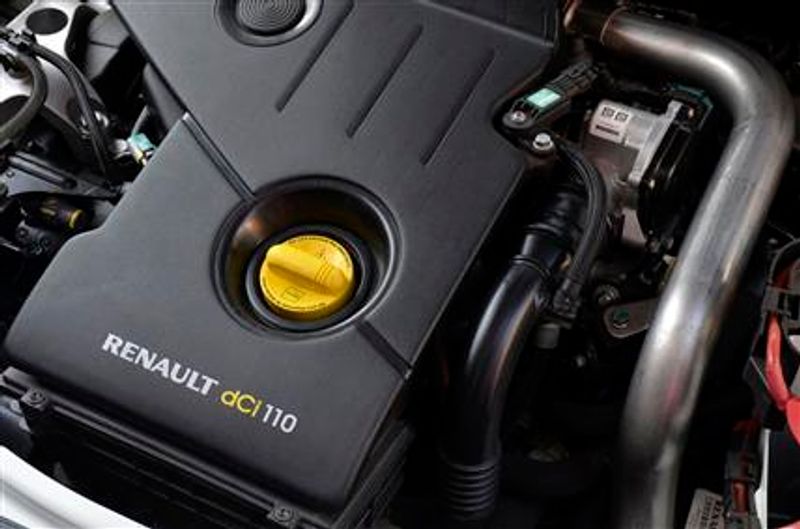
Mechanically, the Duster is known for its reliability, provided the basic service intervals for oil, filters, and coolant are strictly followed.
Our verdict on a used Duster
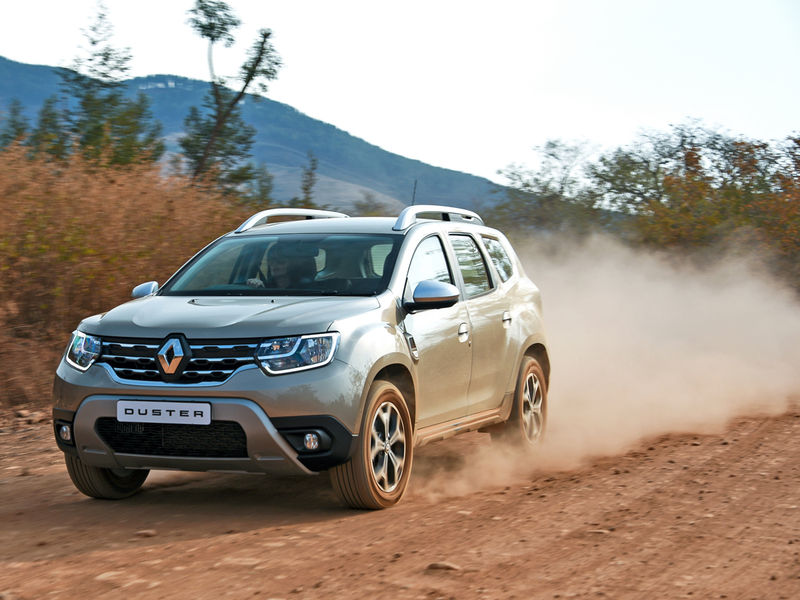
The Renault Duster remains a compelling used buy for those who value practicality and low running costs over premium finishes. It offers a level of versatility that few other vehicles in its price bracket can match. If you can live with its unrefined edges and humble interior, it serves as an excellent companion for South African conditions.
By opting for a used model with a full service history and perhaps choosing a reputable 3rd-party service provider, you can enjoy all the benefits of the dCi engine without the steep depreciation associated with a new vehicle purchase.
Craving even more detail? Renault Duster (2018-2025) Buyer’s Guide