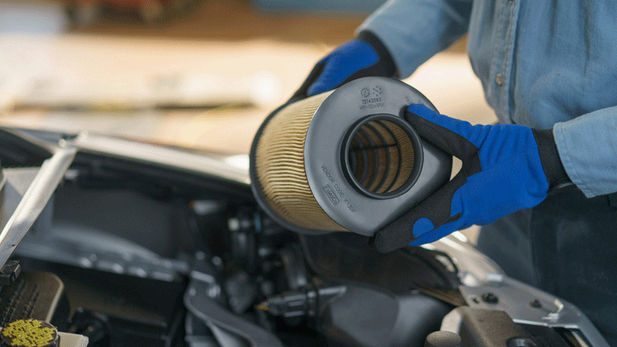
A mechanic at your local independent- or franchised workshop must ensure that your car is in tip-top shape after they’ve worked on it. They don’t expect you to know the difference between your vehicle’s timing chain and turbocharger, but there are some things that they WISH you knew…
PARTNERED CONTENT
These days, cars are complicated machines that are manufactured to extremely fine tolerances. It is, therefore, imperative that vehicles are serviced and repaired in line with manufacturer guidelines to ensure they continue operating optimally for many years. Most drivers understand very little about cars’ mechanical aspects, but that’s okay, because they usually rely on the services of trained professionals who make a living out of diagnosing and fixing vehicular problems. However, as an owner, you can reduce the likelihood of incurring major vehicle repair bills simply by being mindful of a few things…

1. Be aware of your vehicle maintenance schedule
Prevention is better than cure. One of the biggest issues is that vehicle owners don’t understand the need for maintenance – or the costs involved. Modern vehicles need to be serviced every 10 000 to 15 000 km – or once a year. These intervals will be indicated in the owner’s handbook and, in more sophisticated cars, when a specific warning light (usually an amber one) illuminates on the instrument panel.
What’s more, in between services, an astute car owner should check the basic fluid levels of their car (engine oil, brake fluid and coolant) habitually, such as before they undertake a long trip or when they have their vehicle’s fuel tanks topped up. Again, the owner’s handbook will explain how to perform those checks, but the personnel at your local fuel station should be able to assist you with that too.
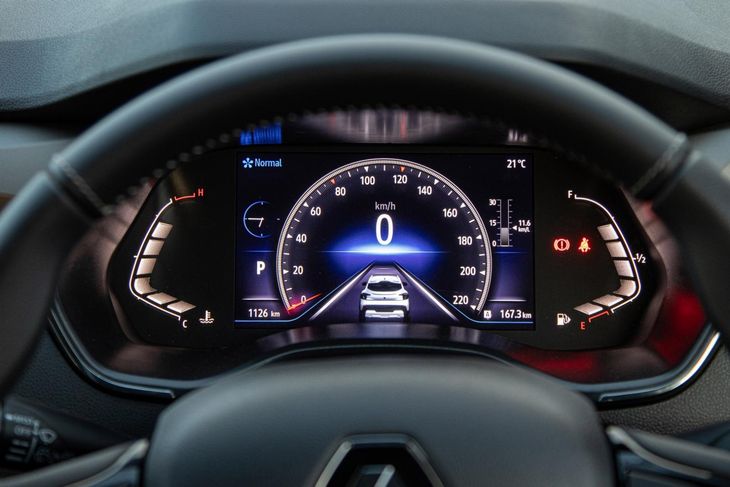
2. Take note of lights and instrument cluster messages
It’s foolish to disregard service lights and cluster messages, yet many motorists still do exactly that. There is a very important reason why manufacturers equip their vehicles with those tell-tale indicators…
Ignoring the light can lead to expended parts (which are no longer operating as they should) doing further damage to other serviceable parts, which may lead to greater expenses in future. In a worst-case scenario, you’ll end up stuck on the side of the road – but even if things don’t get that bad, you’ll probably pay more than you would have had to because of additional problems that may be created.
As a rule of thumb, if the engine or warning lights are flashing (especially if they are red in colour, that’s invariably a bad sign) consider it an emergency and stop driving your car immediately.
Read: Understanding Dashboard Warning lights
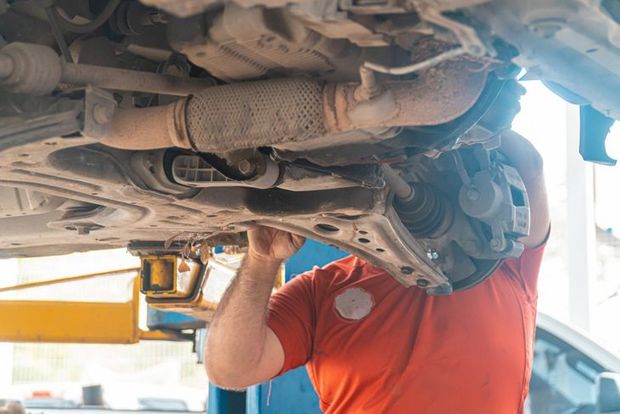
3. Never skip a service
Just because your vehicle is running well doesn’t mean you can skip a service. Regular servicing gives technicians an opportunity to pick up minor defects before they become major problems.
Services are all different and focus on different parts (some of which are classified as minor, but others as major), which is why it is important to stick to the recommended servicing schedule.
4. Cheapest isn’t best
As with anything in life, you get what you pay for (at least, that’s how it’s supposed to be!). Qualified vehicle repairers have made large investments in training and tools to ensure that they are adequately equipped and knowledgeable enough to service or repair your car in line with manufacturers recommendations… and this comes at a cost if your car does not have a service or maintenance plan.
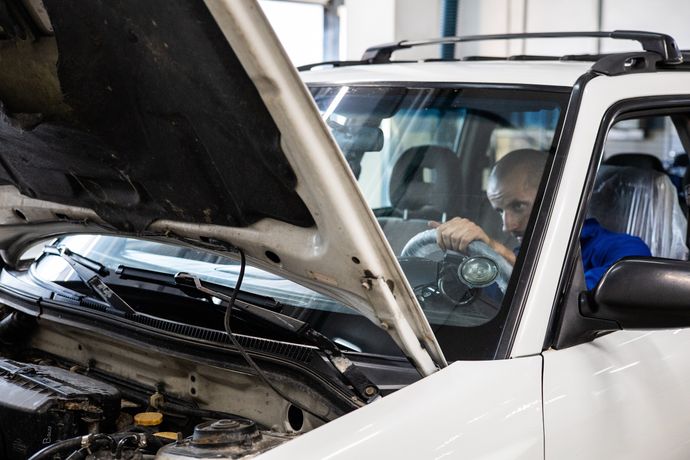
5. Have your car’s oil changed timeously
The oil is the lifeblood of your engine and using the incorrect oil or a cheaper brand can cause major problems for your car, such as excessive wear of the motor’s internal components (also known as its moving parts). This may lead to sluggish performance at best and a catastrophic failure/seizure at worst. It’s worth paying a bit extra to ensure quality oil; it may improve the longevity of your car’s engine.
Browse the motus.cars range of quality, Motus-certified new, used and demo crossover vehicles for sale here.
If you would like to get your car valued as a trade-in, why not book a test drive, or enquire about your new dream car on motus.cars and get your current car valued at the same time!

Make use of free tools available to further help you decide what the best vehicle finance option is for you. Use these simple affordability and finance calculators to help you determine what you can afford and what finance option will be best for your needs.
Visit motus.cars for more info, or join the conversation on Facebook , YouTube and Twitter .
Related content:
Service- and Maintenance Plans: The differences
Looking to trade in your car? What you need to know