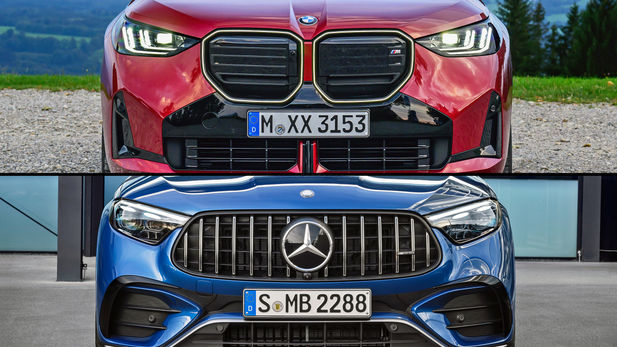
BMW and Mercedes-Benz both suffered sales declines in 2024. But which of these German giants won the global premium sales race last year? Here are the figures…
With 2024 now firmly in the rearview mirror, it’s time to find out which automaker won the global premium sales race last year. As has been the case for some time now, it was a relatively close-fought affair between the 2 top dogs: BMW and Mercedes-Benz.
That said, both of these German automakers suffered year-on-year sales declines worldwide, with Munich blaming delivery stops related to a massive recall (as well as “subdued demand in China”) and Stuttgart pointing to “global macro-economic challenges”. But which company ended 2024 on top?
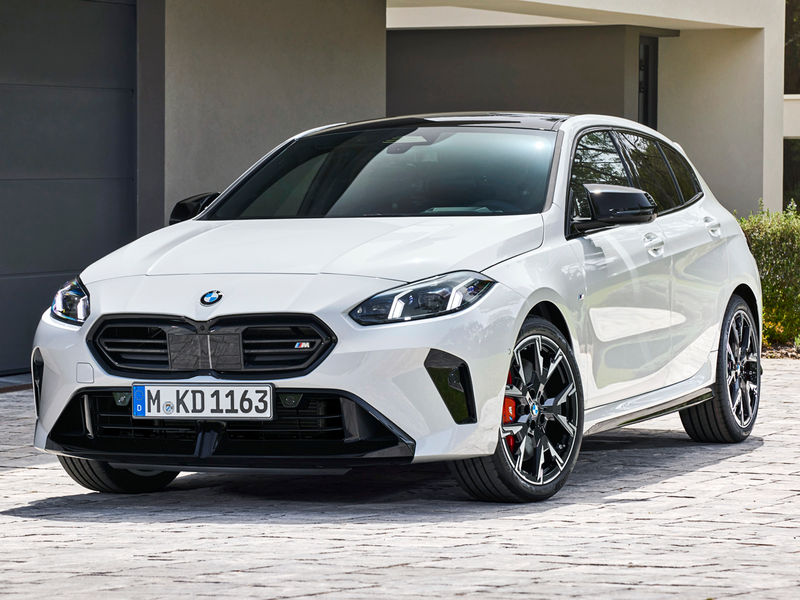
Well, the BMW Group – which, as a reminder, comprises the BMW, Mini, Rolls-Royce and BMW Motorrad brands – reported a worldwide sales figure of 2 450 804 units for 2024. For the record, that represents a 4.0% year-on-year decline.
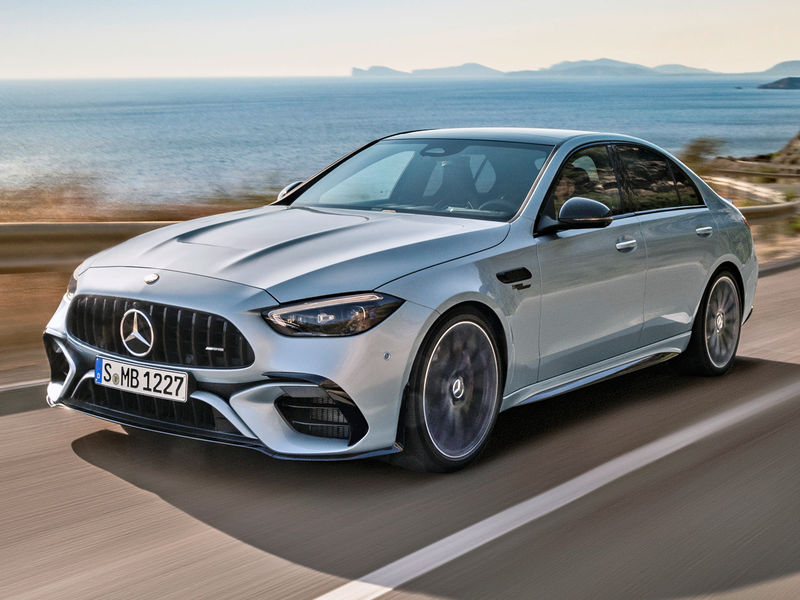
Meanwhile, the Mercedes-Benz Group (which includes the Mercedes-Benz brand and the Smart marque as well as Mercedes-Benz Vans) ended the same 12-month reporting period on 2 389 000 units , likewise representing a 4.0% decrease compared with 2023. By our maths, that puts the Stuttgart-based group 61 804 units behind its Munich-based foe.
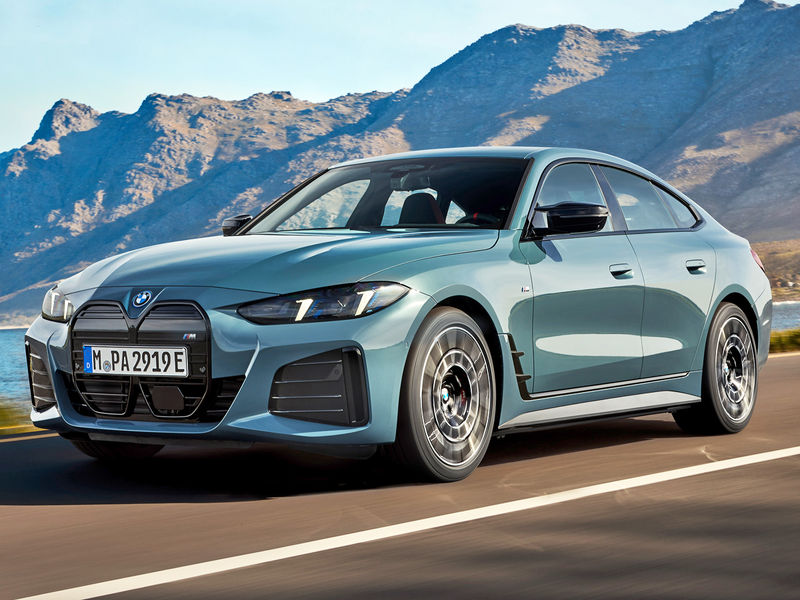
What happens if we compare only the 2 core brands? Well, the gulf is wider here, with the BMW marque ending 2024 on 2 200 177 units (a year-on-year fall of 2.3%), enough for the company to claim it “maintained its position as the global leader in its segment”. The Mercedes-Benz Cars brand came in at 1 983 400 units (a year-on-year drop of 3%), though keep in mind the latter figure includes Smart sales, which Mercedes has opted not to list separately. As an aside, Audi’s global sales were down 11.8% year on year to 1 671 218 units.
Meanwhile, the BMW Group says it registered 426 594 units in the fully electric segment in 2024 (a year-on-year improvement of 13.5%), with the Mercedes-Benz Group’s total EV sales dipping 22% year on year to 204 600 units (the company cited “slower EV adoption in core markets” as a reason).
In addition, the BMW M division grew its sales 2.1% year on year to finish 2024 on 206 582 units (note this includes not only full-fat M products but also M Performance models), an all-time high. Unfortunately, Mercedes-Benz no longer releases an AMG-specific figure, instead listing a sales total for “top-end” models (comprising Mercedes-AMG, Mercedes-Maybach, G-Class, S-Class, GLS, EQS and EQS SUV registrations). The latter number fell 14% year on year to 281 500 units .
For the record, the Mini brand contributed 244 915 units (down 17.1%, year on year) to the BMW Group’s overall tally, while Rolls-Royce added 5 712 units (down 5.3%, compared with 2023) and BMW Motorrad some 210 408 units (up 0.6%, year on year, for a new record). Meanwhile, Mercedes-Benz Vans accounted for 405 600 units of its Group’s 2024 total, down 9% year on year, with around 19 500 of those taking the form of electric vans.
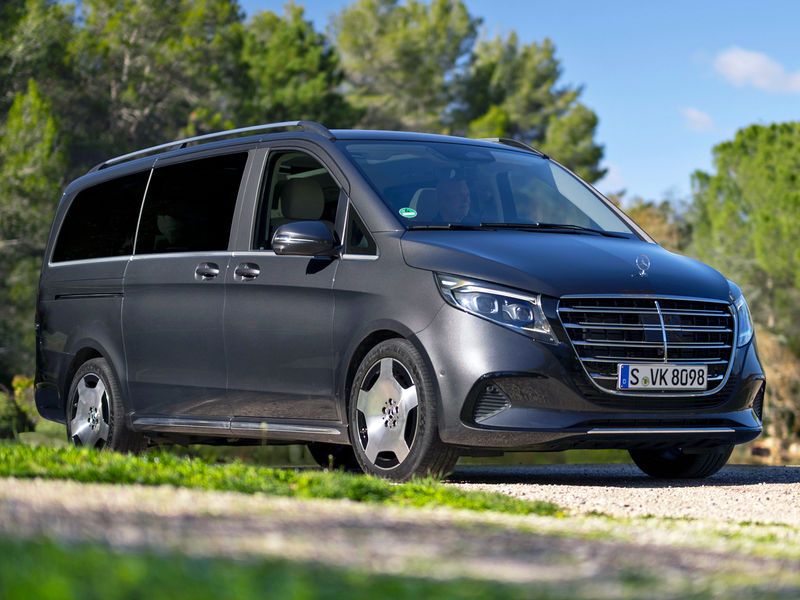
In South Africa, it’s unfortunately not entirely clear how each firm performed in 2024, since BMW reports sales figures for only every 3rd month and Mercedes-Benz doesn’t share registrations with Naamsa at all. That said, based on the industry representative body’s “estimates”, the BMW Group (here including only the BMW and Mini brands, and not
Rolls-Royce and BMW Motorrad) managed 12 477 units locally in 2024, while the Mercedes-Benz Group (including Mercedes-Benz Vans) finished on 6 401 units …Related content
SA’s top 10 in 2024: winners & losers by market share
SA’s favourites in 2024: 10 best-selling cars & crossovers
Faves and flops! SA’s best- and worst-selling bakkies of 2024