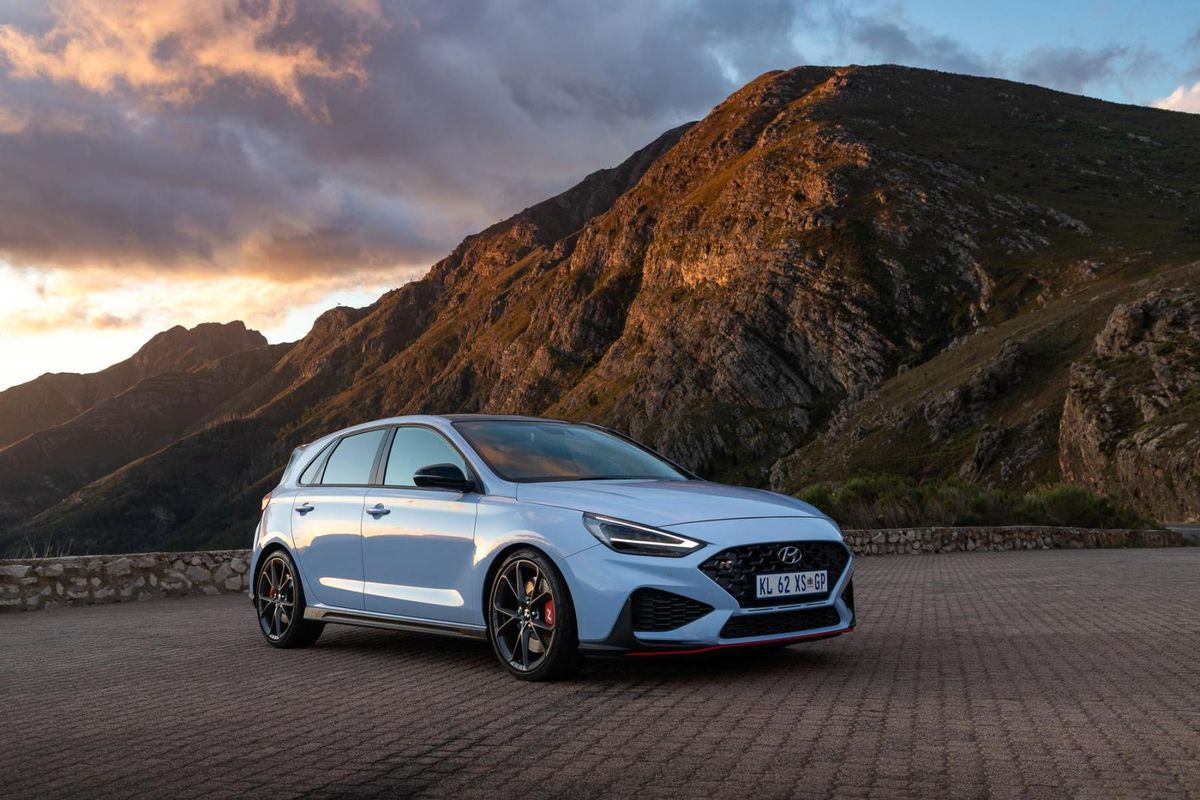
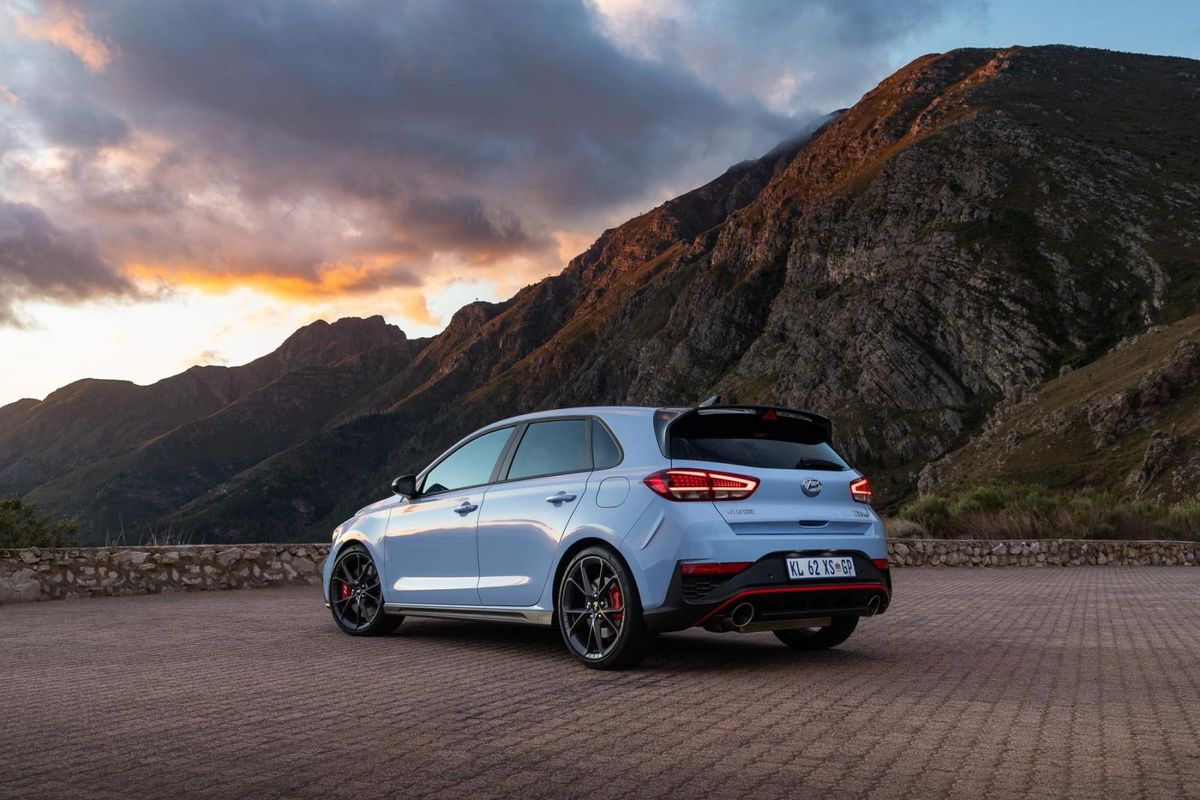
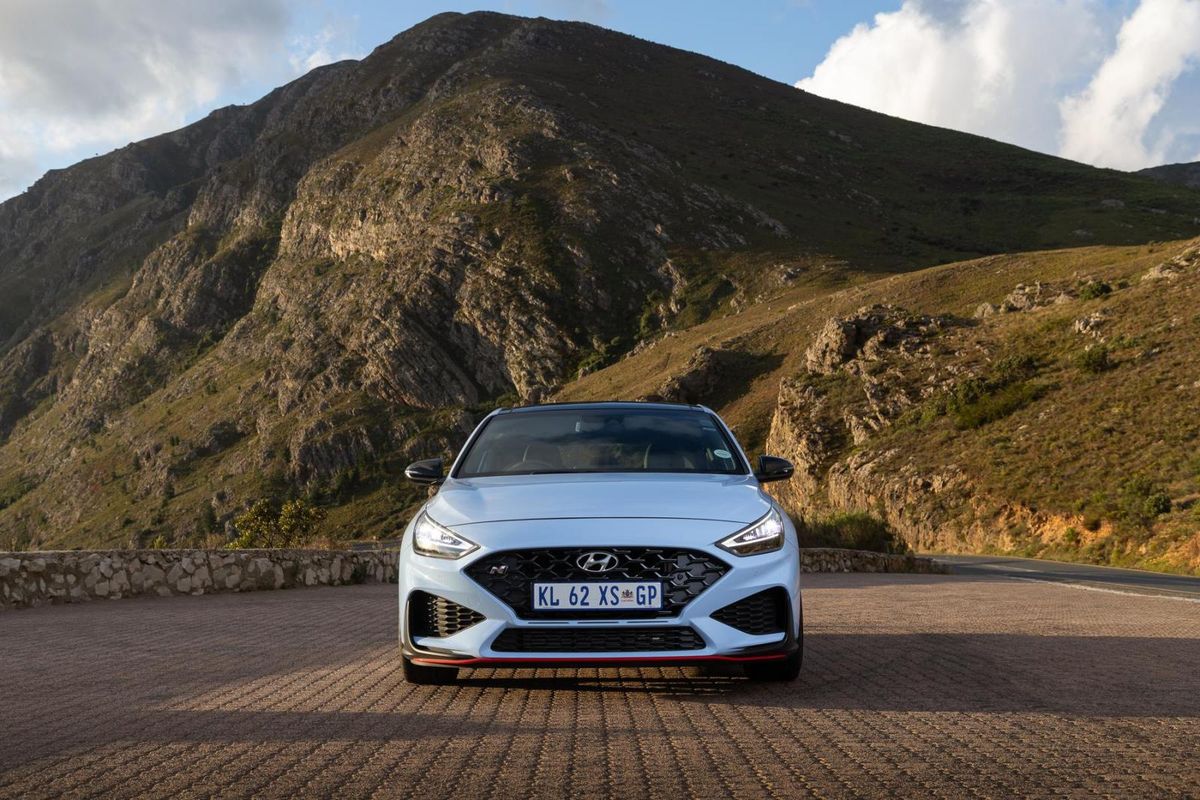
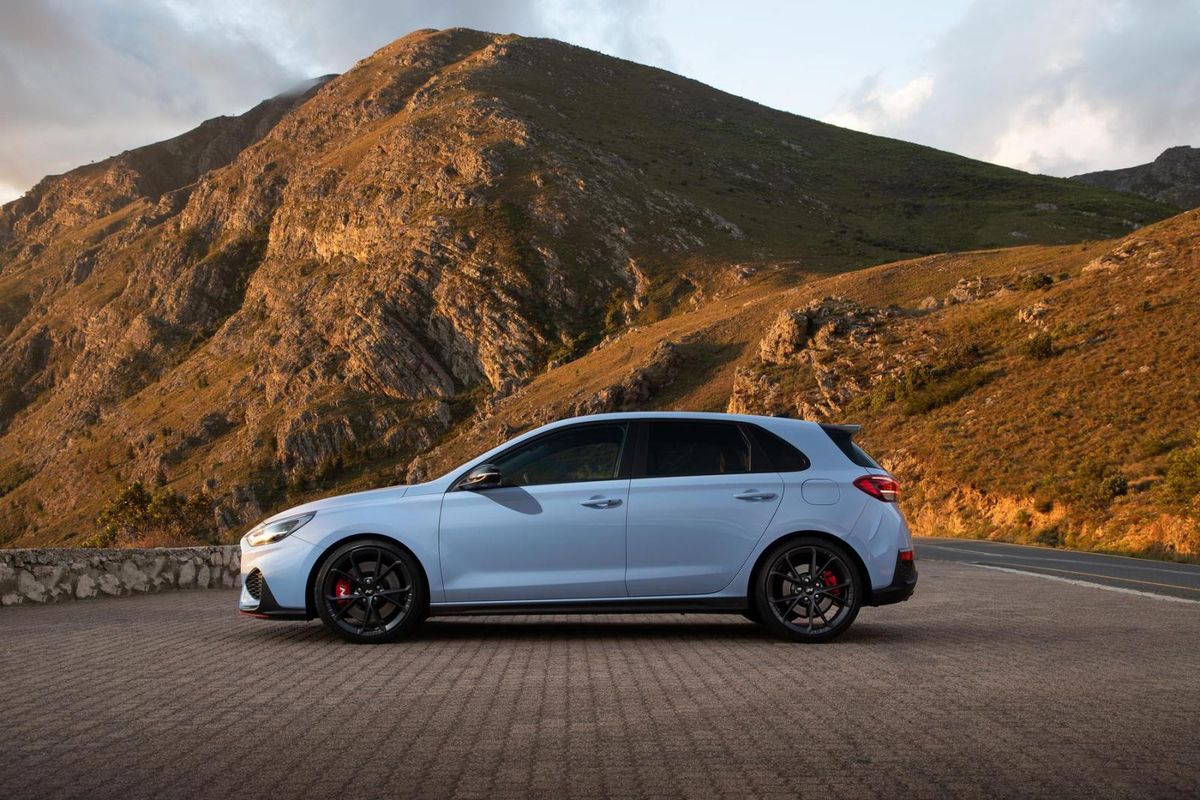
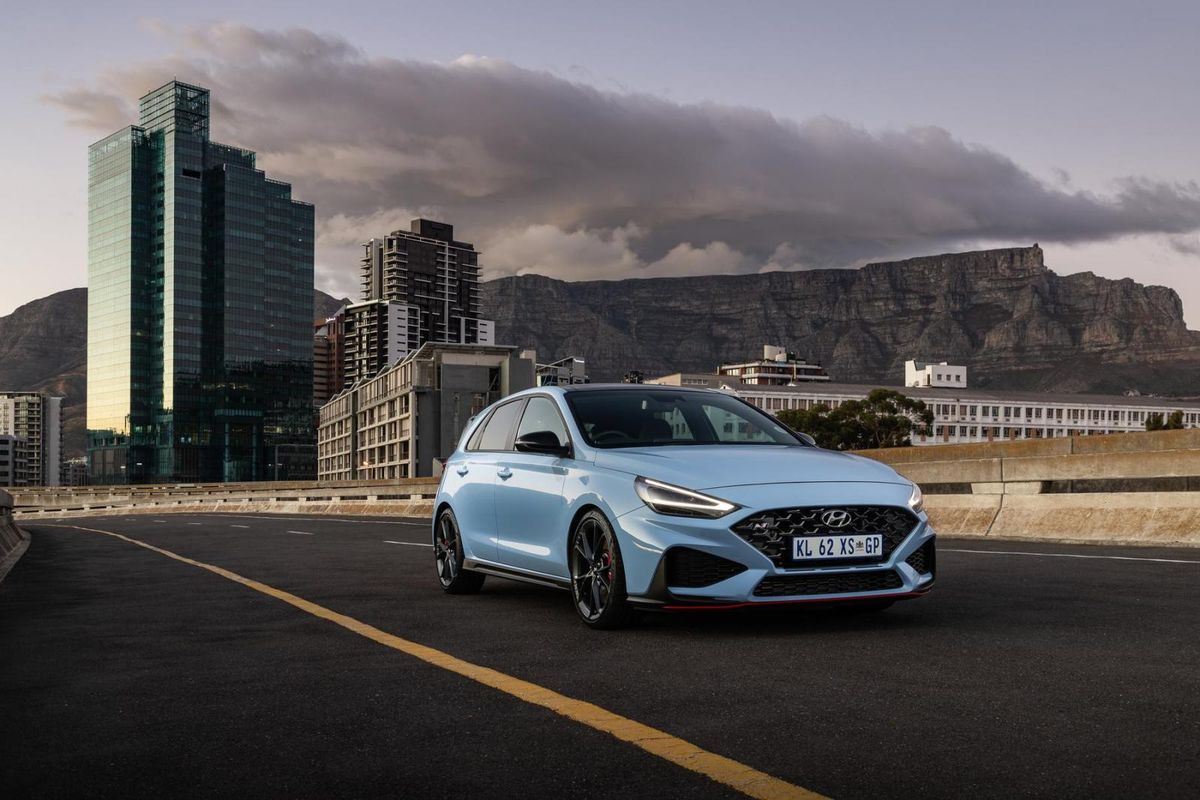
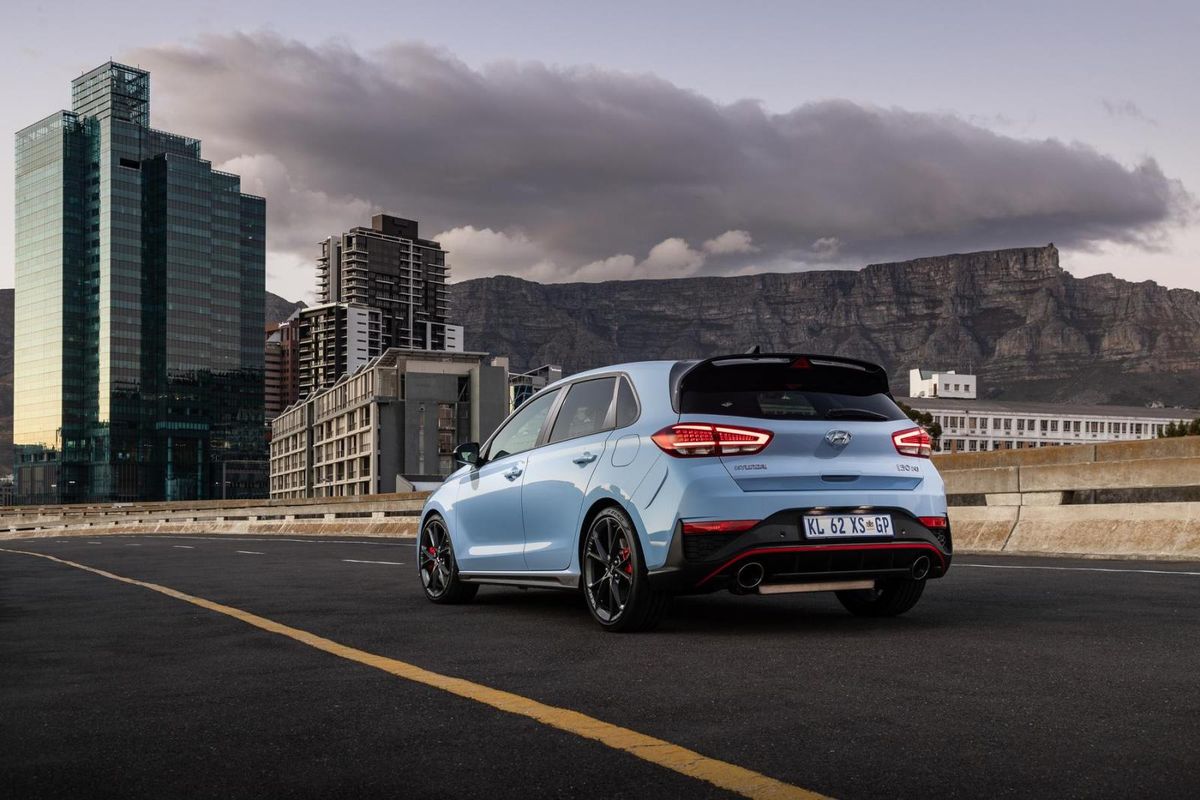
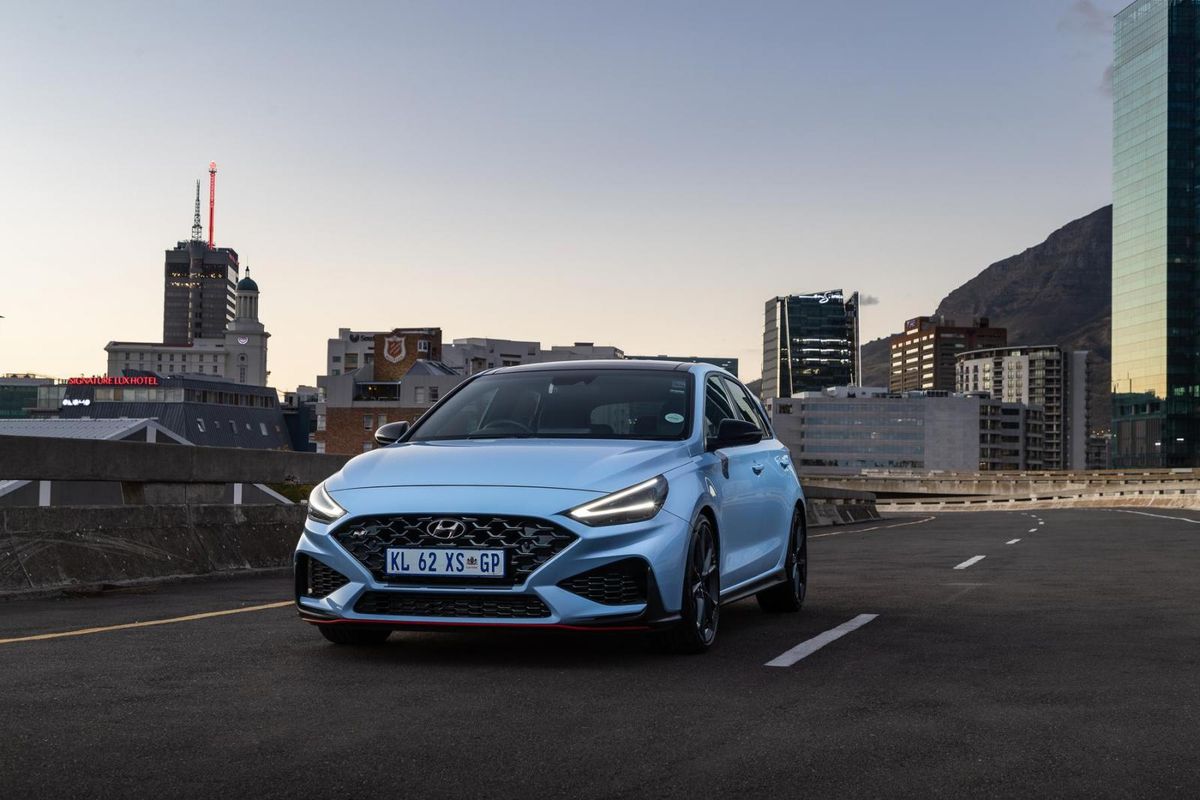
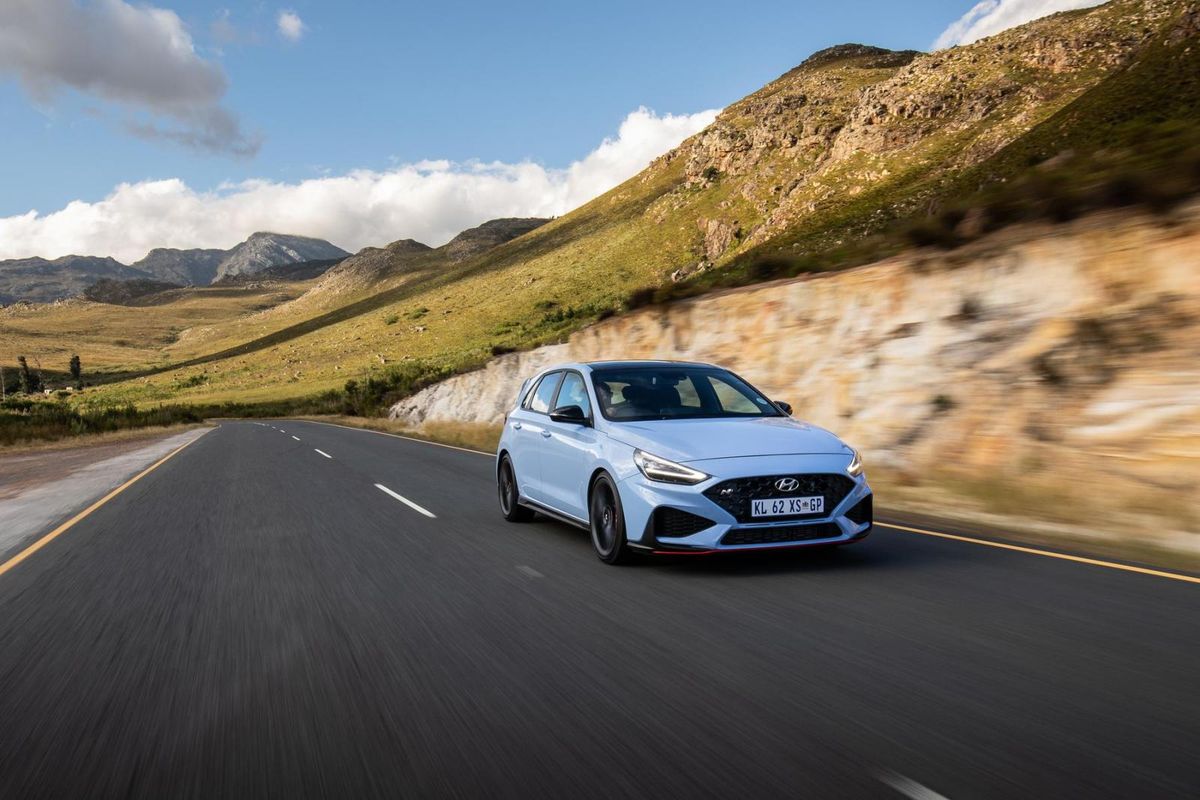
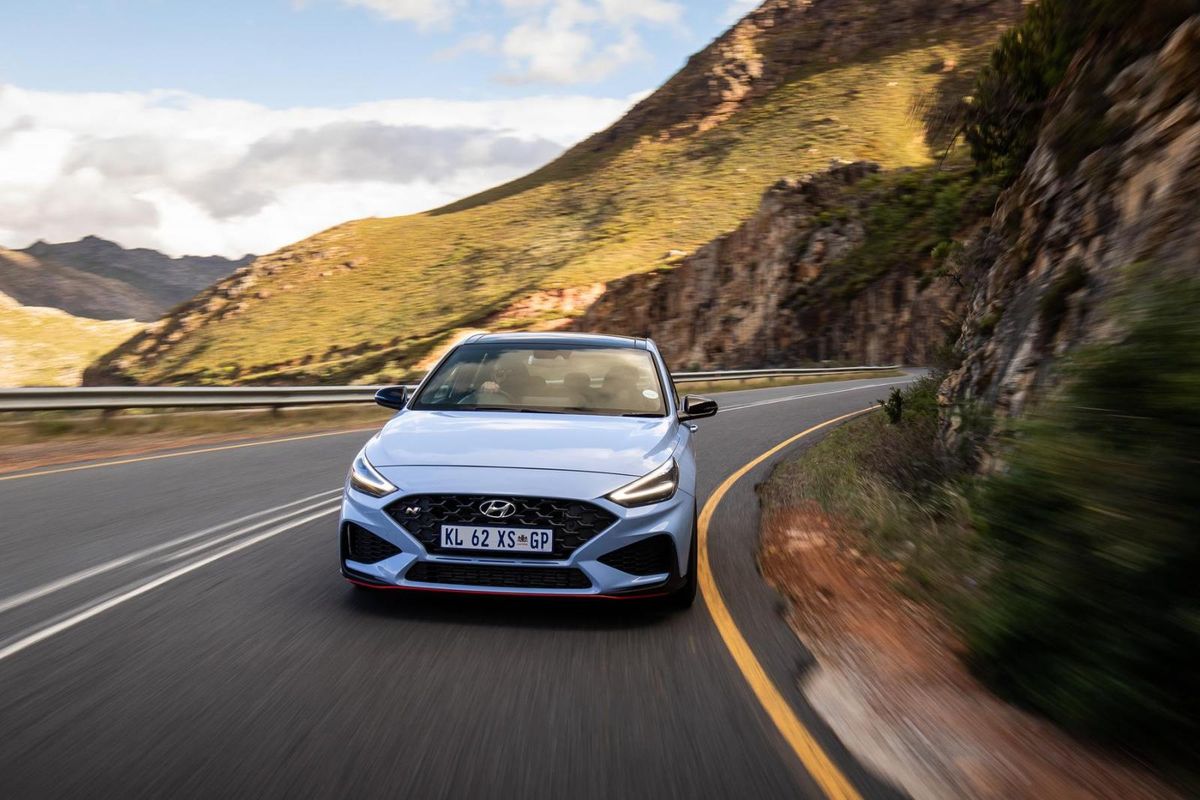
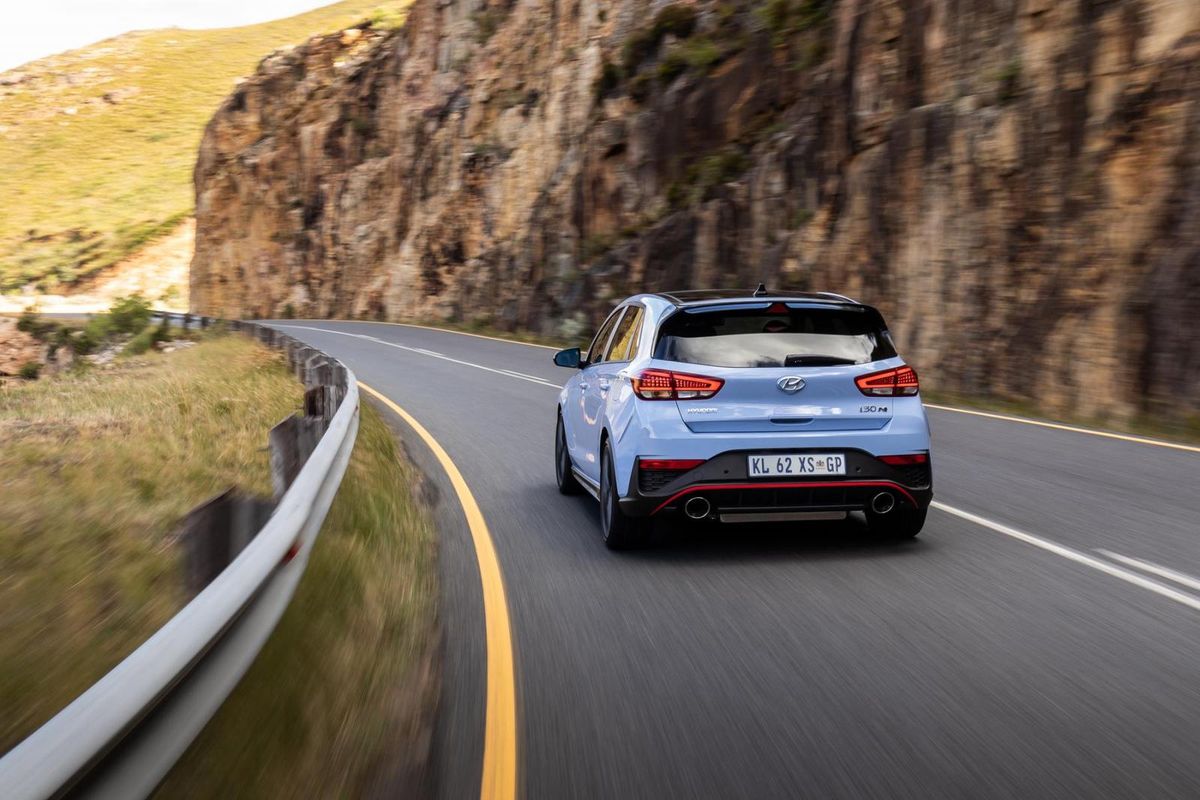
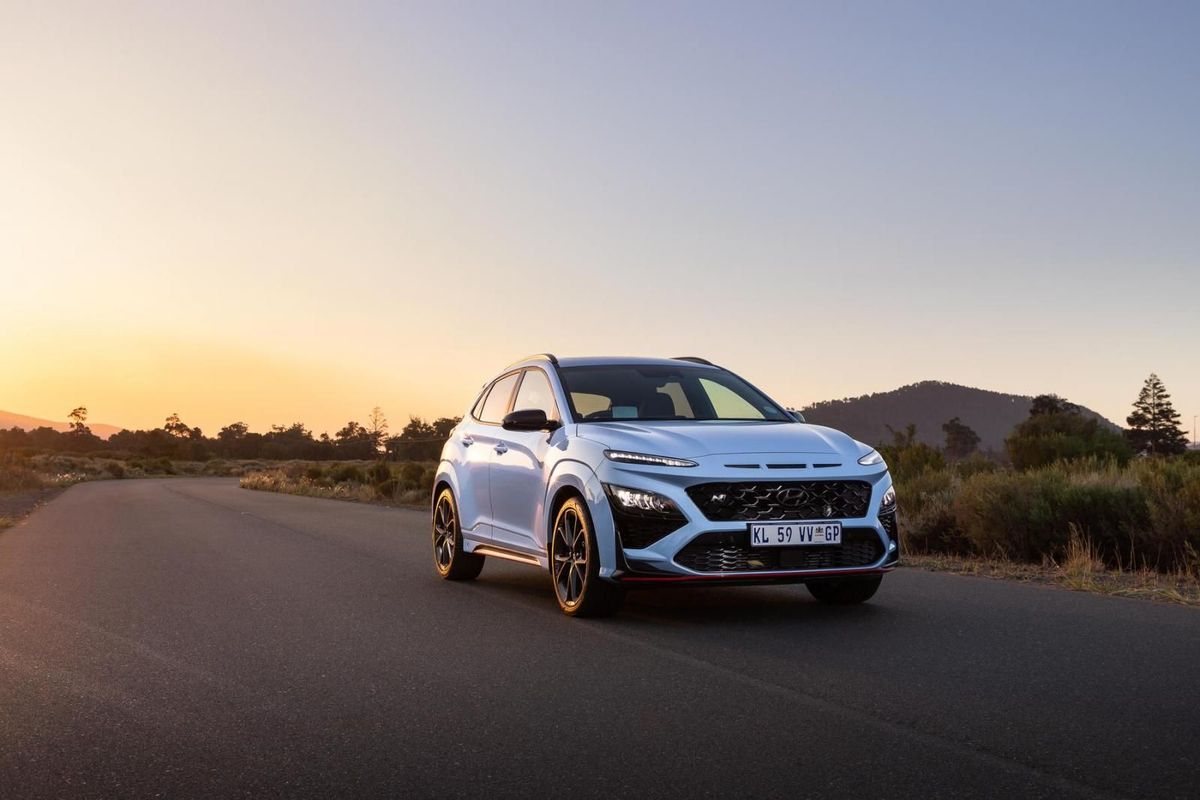
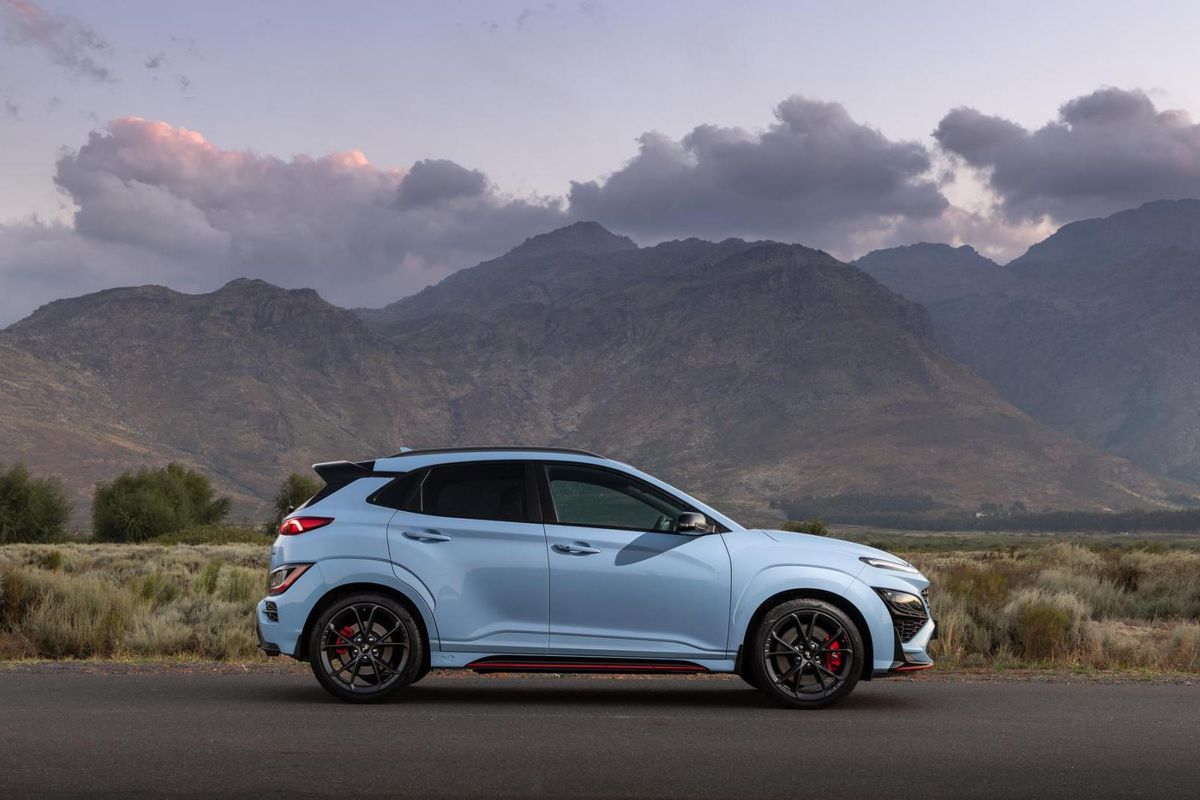
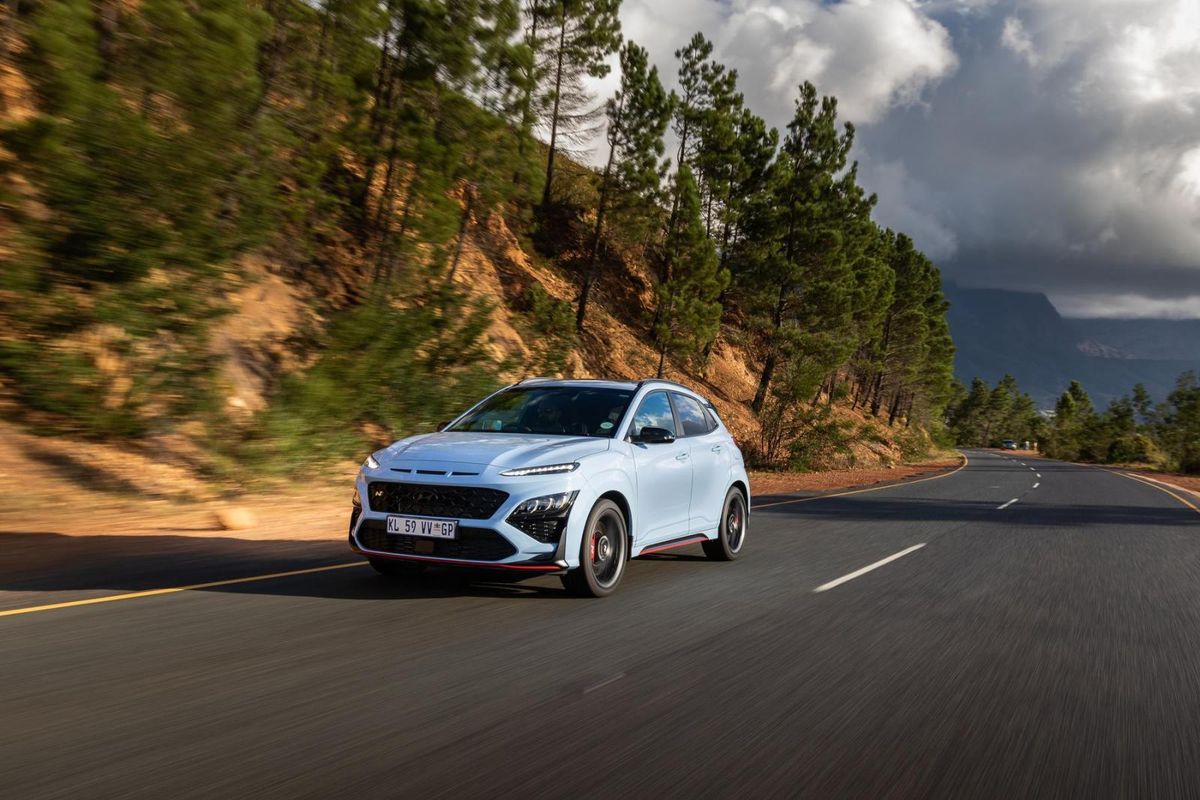
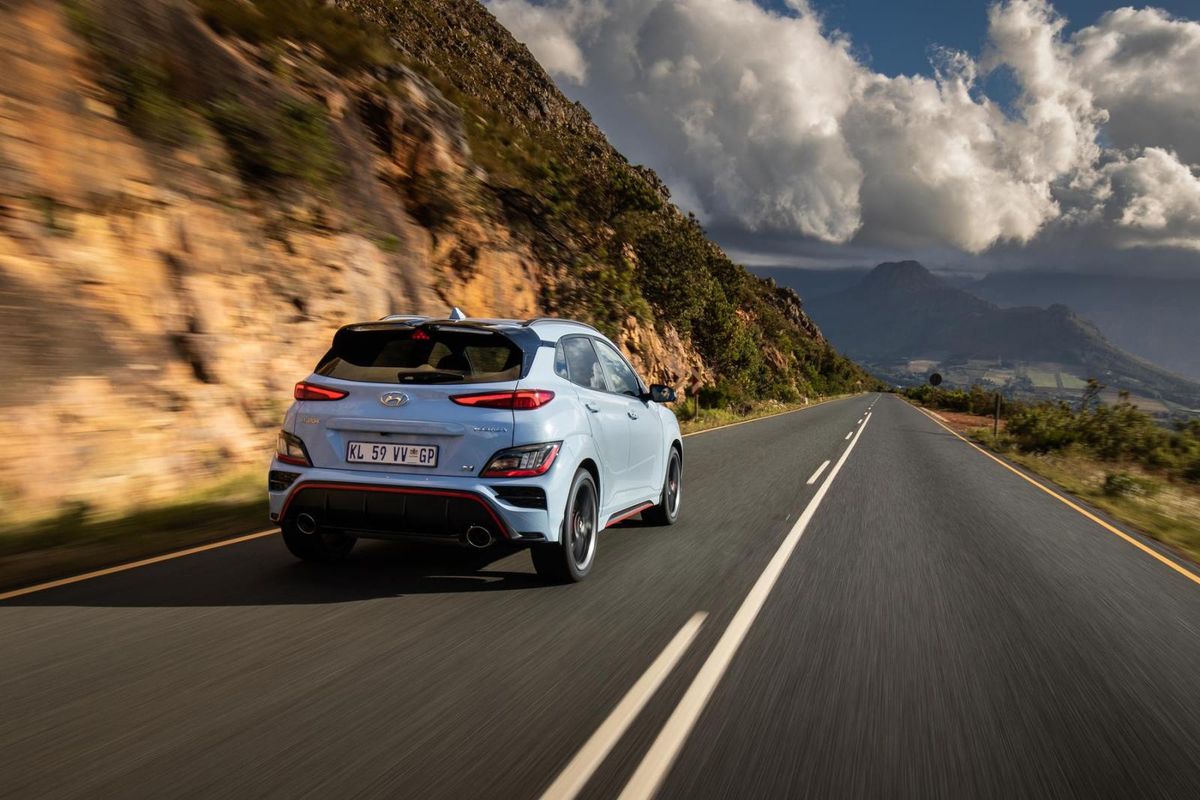
Hyundai Automotive South Africa is looking to assert itself in the hot hatch market with 2 new models – the facelifted i30 N and the Kona N crossover. The newcomers’ performance figures suggest the pair is more than a match for their segment rivals, but how do they fare as all-round packages? We drove both at a local launch event in the Western Cape.
Explaining the N badge
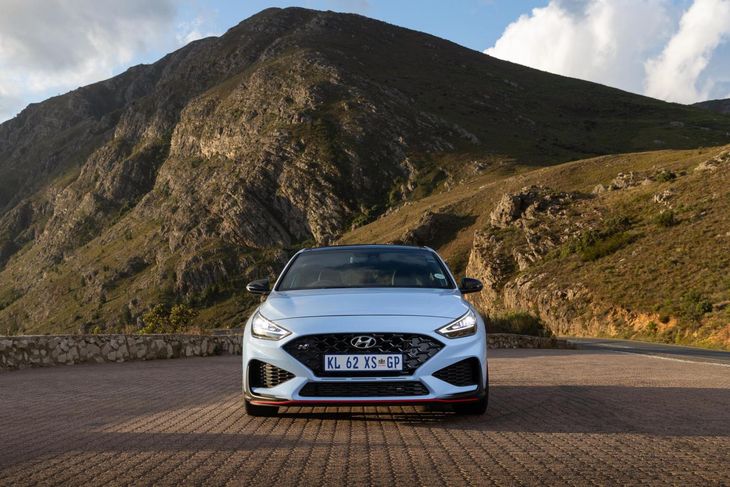
Hyundai N is like the M brand is to BMW or AMG is to Mercedes-Benz.
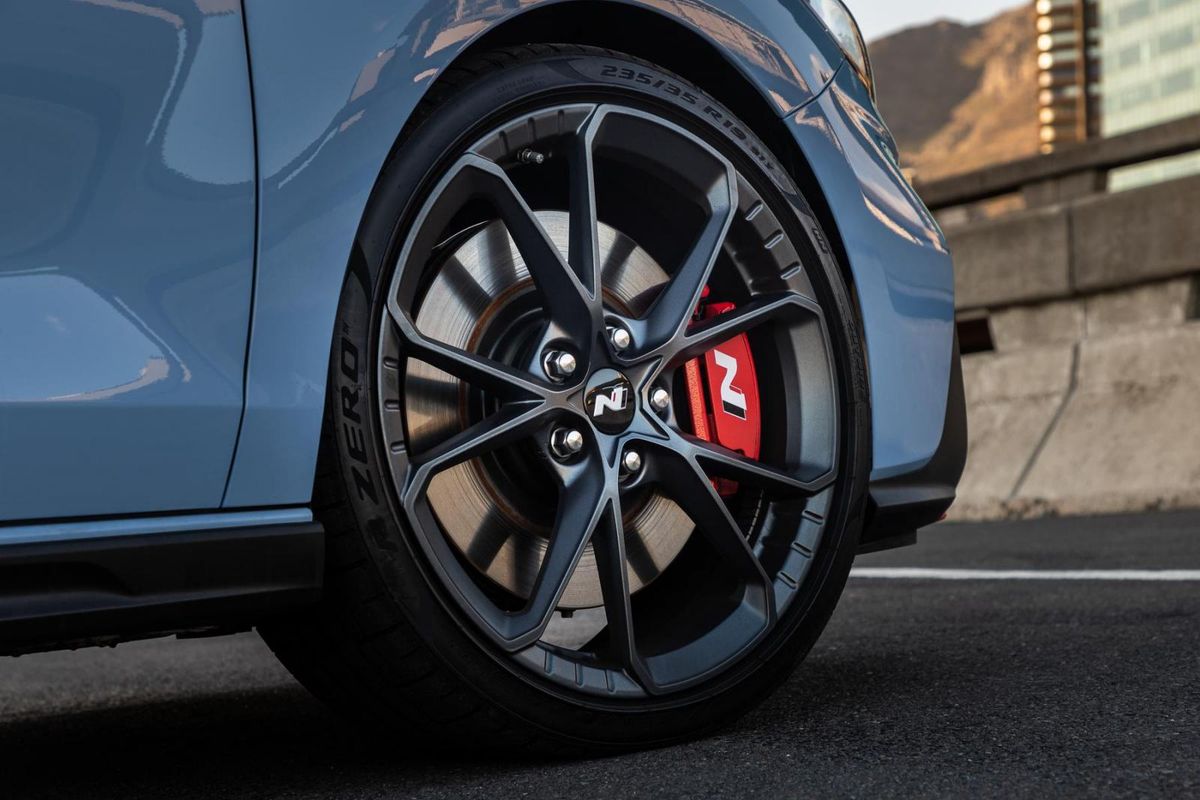
Hyundai is relatively new to the performance sector of the market. The i30 N was its first attempt at a focused performance model; it debuted in 2016 before making its way to Mzansi at the end of 2019. N stands for Namyang and Nurburgring, the former being the R&D head office for the Korean brand and the latter the testbed for its purpose-built N cars. You can think of N as the M- or AMG division of Hyundai, which spearheads the development of performance variants.
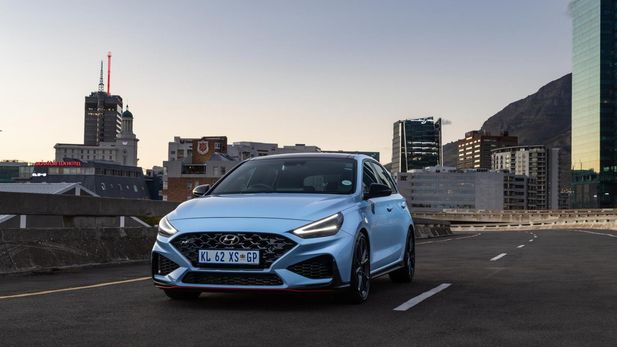
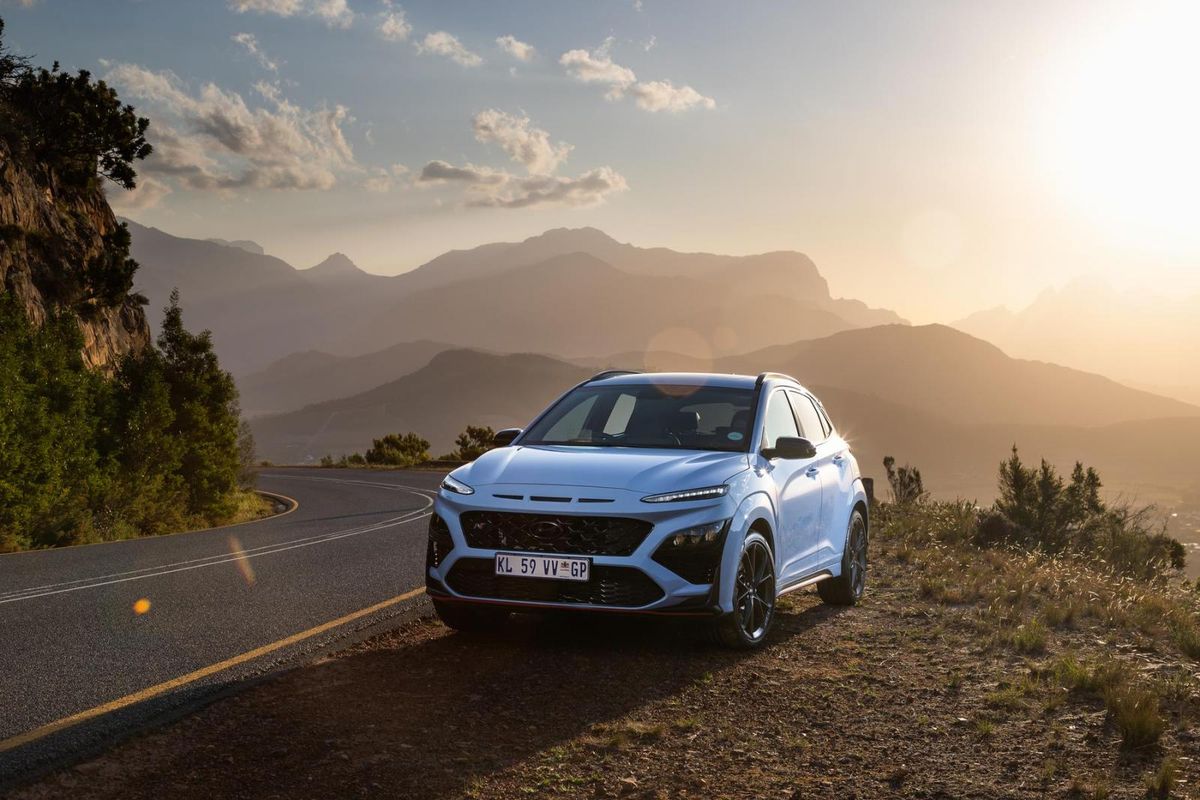
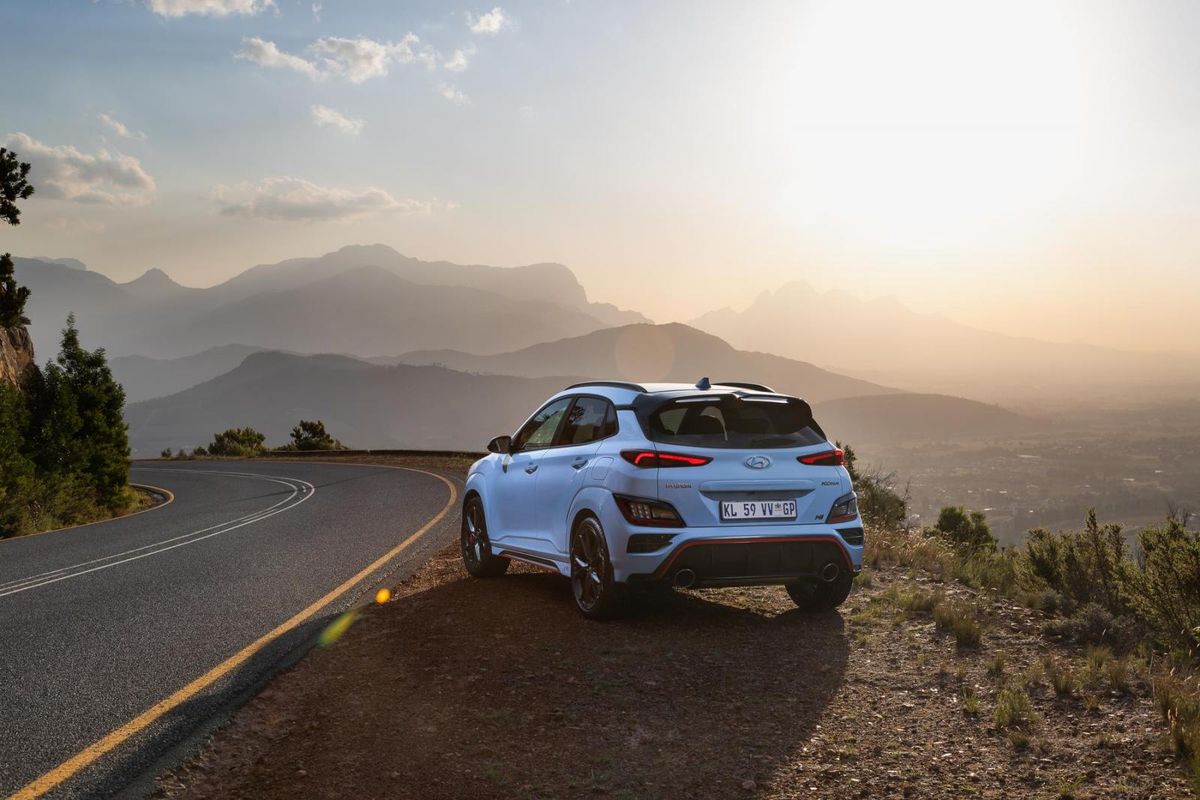
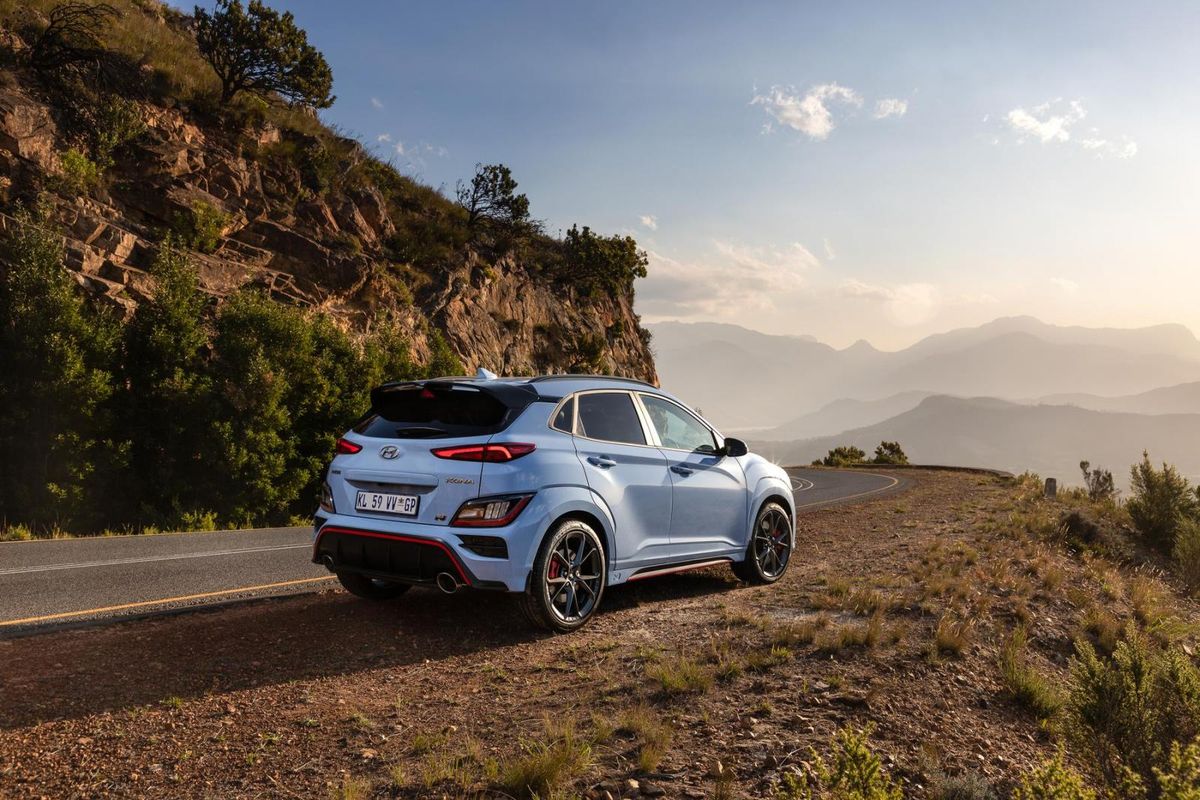
Scoot forward a few years and we have 2 new offerings from the N division: a facelifted i30 N hatchback – now only available with a dual-clutch auto – and an all-new Hyundai Kona N , which combines the popular compact-crossover body shape with stonking performance and defined, muscle-clad exterior addenda.
What’s under the bonnet?
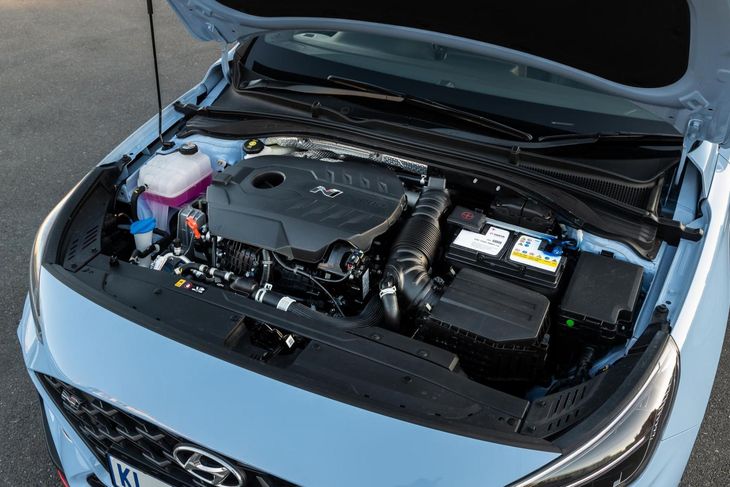
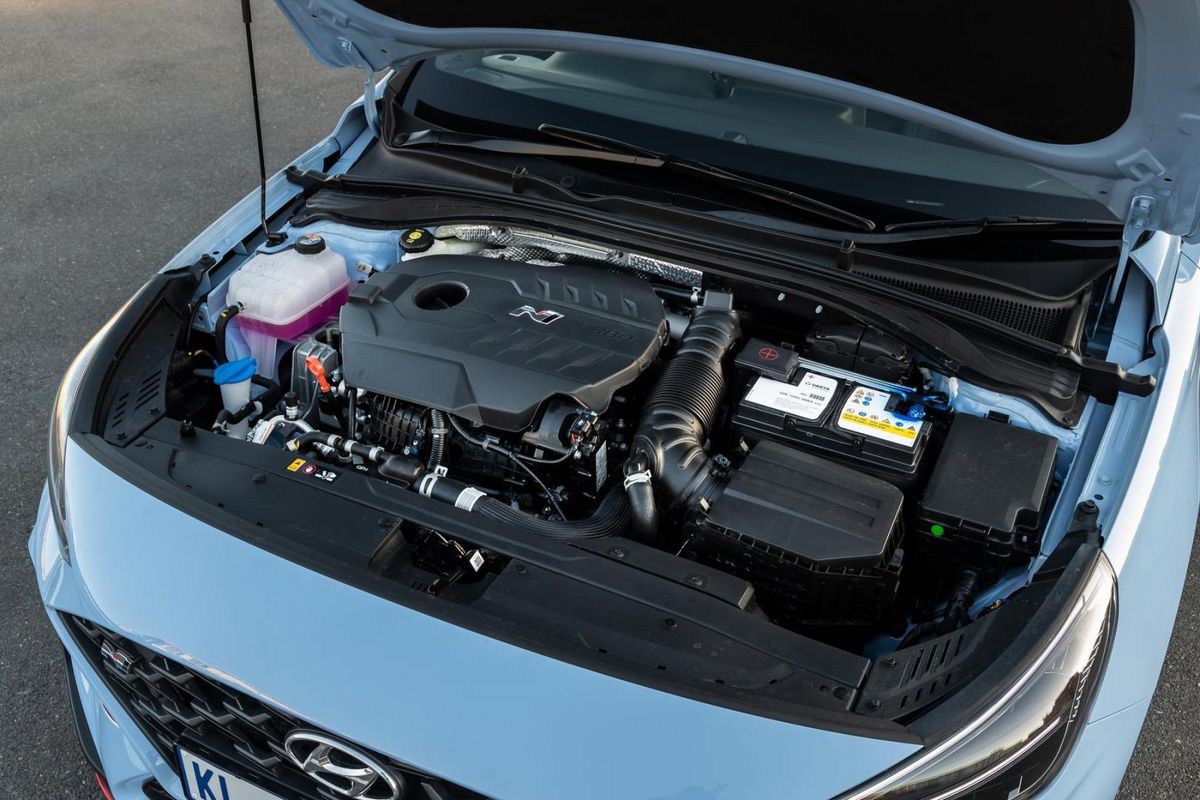
The 2.0-litre turbopetrol produces the same power as before, but at a lower compression ratio.
The 2.0-litre 4-cylinder turbopetrol motor from the original i30 N continues to do duty in both models. It produces peak outputs of 206 kW and 392 Nm of torque and is paired exclusively with an 8-speed dual-clutch automatic transmission. The engine has been slightly tweaked with an increase in turbo boost pressure and a slightly lower compression ratio. This should improve engine reliability in the long run without compromising on performance.
And that performance is rapid – to say the least. Zero to 100 kph is said to be notched up in 5.4 seconds by the i30 N and 5.5 seconds by the Kona N. The engine doesn’t rev particularly highly – with max power delivered at 6 000 rpm and peak torque available at 4 700 rpm, the 2.0-litre turbopetrol has quite a narrow powerband, in which significant shove gets delivered all at once. This means the powertrain has a tendency to spin up the front wheels under hard acceleration.
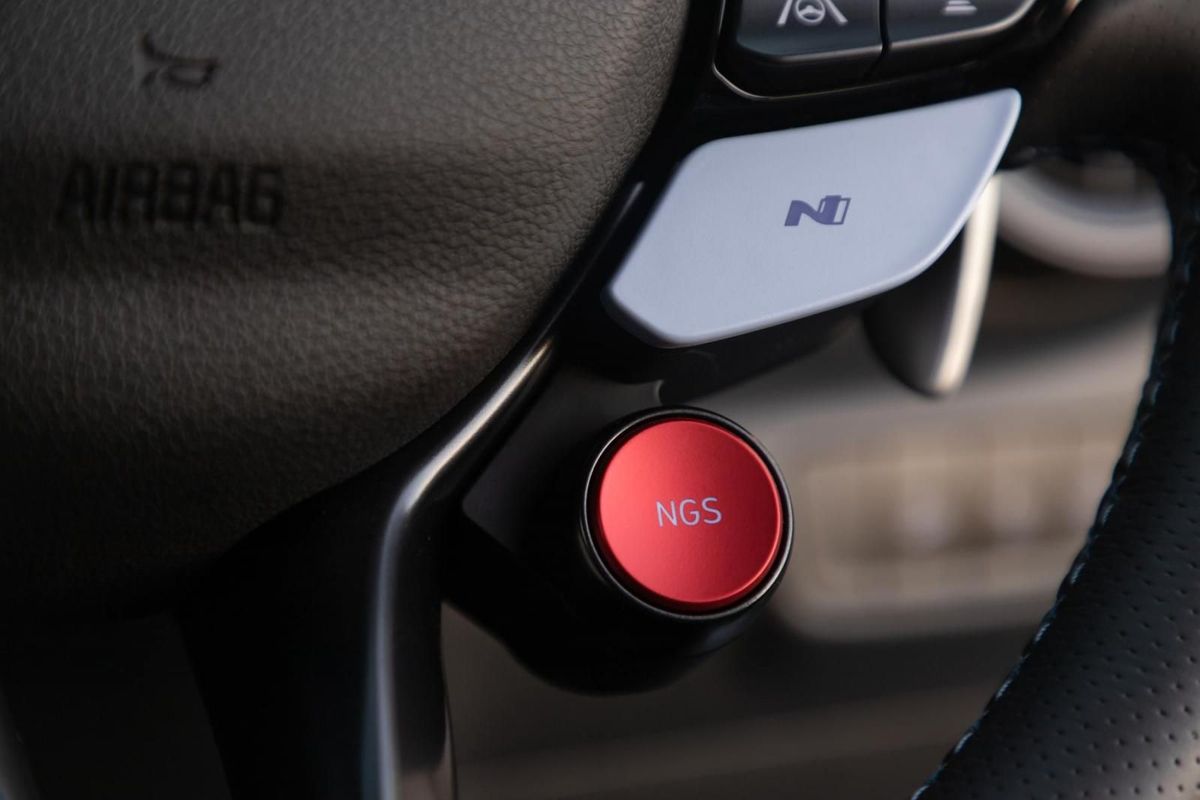
Both cars are also equipped with what Hyundai calls “Grin Shift” (NGS). Aside from the silly name, it gives the driver access to a further 7 kW, brisker shifts and full-on exhaust bangs and pops at the press of a button. It’s a bit of a gimmick, but if Porsche can put a similar type of button in its cars, then I guess it’s good enough for Hyundai.
What are the N cars like to drive?
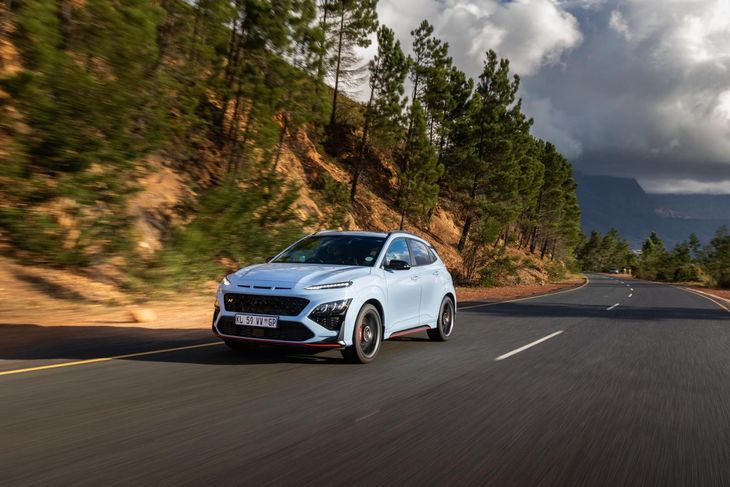
The Kona N has a higher driving position and higher centre of gravity than the i30 N.
I drove the pre-facelift i30 N back in mid-2020 and I thought it was the closest that any brand had come to replicating the Golf GTI formula. The Korean hot hatchback’s stiff local pricing was a drawback, plus the model was introduced in limited numbers and in 6-speed manual guise only, but it had all the makings of a purebred hot hatch that was equally good at functioning as a “daily driver”. It certainly looked the part too.
For this update, it really seems like the N division has concentrated on giving the i30 N and Kona N sharper handling characteristics, but at the cost of day-to-day ride quality.
I ran multiple laps of the Killarney race circuit in both models and was impressed by how well they turned into apexes and then held their lines as I floored the throttle on the way out of bends. In front-wheel-drive performance cars, such limpet-like adhesion to terra firma and dogged resistance to torque steer – at the very limit, no less – are enviable traits.
There’s inherent lift-off oversteer when you come off the brakes with a bit of steering lock on, but fear not, the stability control will take care of you if things get too wayward (the system can also be completely switched off… if you want).
The i30 N feels the more potent track weapon of the two, but only by a fine margin and it might be down to the lower seating position, which imparts a racier feel. I did find that the higher centre of gravity in the Kona N meant that it was prone to losing traction a trifle sooner than the i30 N, which makes the steering go a little light as the tyres scrabble for grip.
Our road route encompassed mostly wet roads, but over some of the Cape’s best mountain passes. Both cars are fitted with electronic damping, which allows for an adaptive ride quality (all you need to do is press the drive-mode button and scroll through Eco, Comfort and Sport – each mode has its own predefined suspension, engine and transmission settings. You get a further an N mode, with which you can customise the settings to your preference, but we’ll have to see what else can be changed when we get the cars back for a full evaluation soon.
In Comfort mode, the ride quality is firm – decidedly firm, in fact, and only gets firmer when you select Sport mode (obviously). Even freeways with the smoothest tarmac seem to return harsh feedback to your lower back and coccyx. The suspension tuning has certainly taken a different direction compared with the pre-facelift i30 N; as a result, neither car is as comfortable to run on the daily commute, but should deliver more gains on track or when attacking mountain passes.
Anything else worth noting?
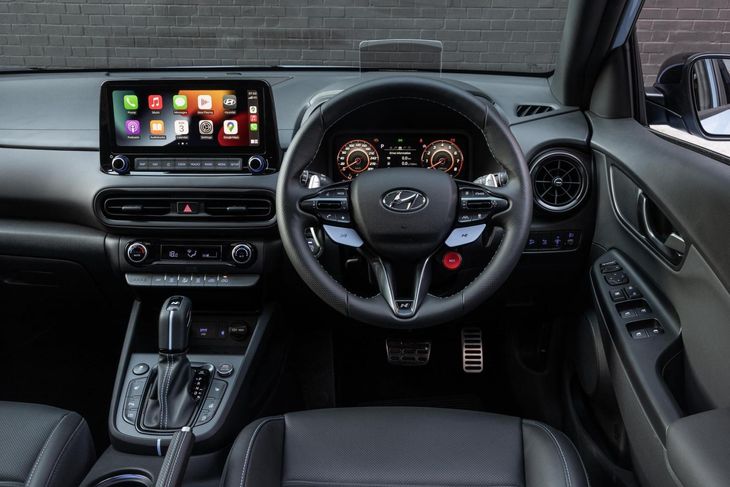
Note the red NGS button on the Kona N that instantly extracts maximum performance for 20 seconds.
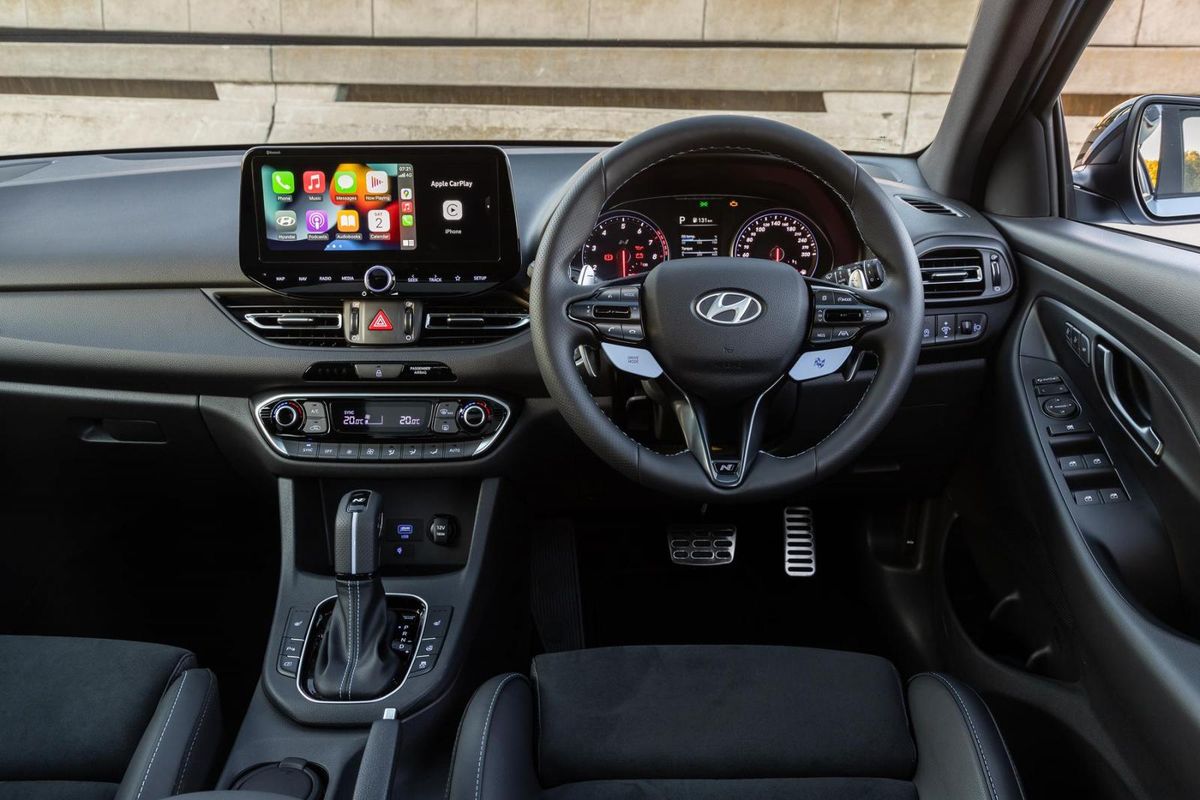
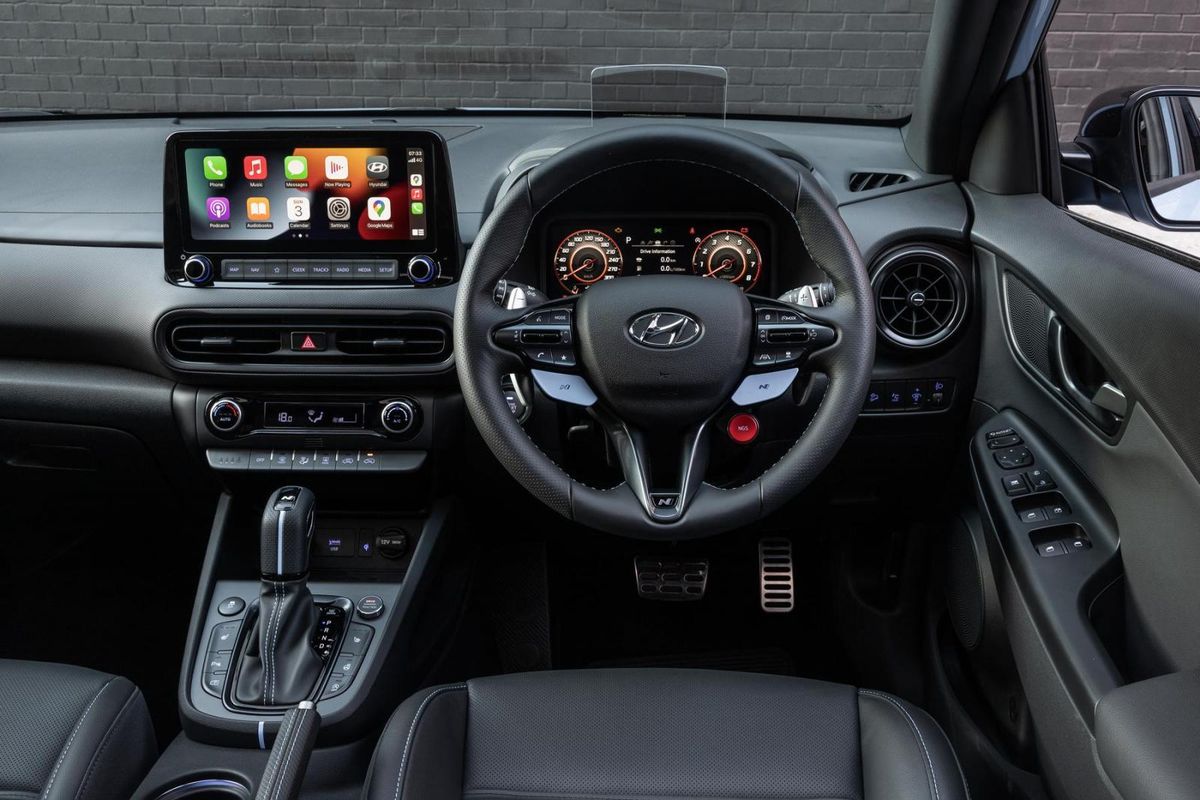
The interiors of the two cars are slightly different, but similarly specified. You can see our specs and pricing article here . No internal navigation is available, but Android Auto and Apple Carplay are available (via cable connection) – they tend to be much better than infotainment systems’ interfaces anyway and you get to choose whichever navigation app you prefer.
Having said that, the newcomers’ infotainment systems do feature a telemetry readout that shows you lap times, acceleration and braking pressure, boost pressure, G-forces and a few other nifty data points for your perusal.
The i30 N and Kona N are sourced from the European market and are, therefore, specced quite generously compared with most Hyundai models that are offered in our market. You get high-end safety systems such as pre-collision avoidance, lane-departure warning and blind-spot detection as standard, as well as comfort features such as leather & suede electric seats that are also heated and a heated steering wheel as part of the list price.
Hyundai i30 N and Kona N pricing and after sales
Hyundai i30 N and Kona N are sold with a 5-year/150 000 km manufacturer’s warranty, an additional 2-year/50 000 km manufacturer’s powertrain warranty, 7 years’ roadside assistance and a 5-year/75 000 km service plan.
| Hyundai i30 N | R749 900 |
| Hyundai Kona N | R749 900 |
Search Cars.co.za for a used Hyundai i30
Summary
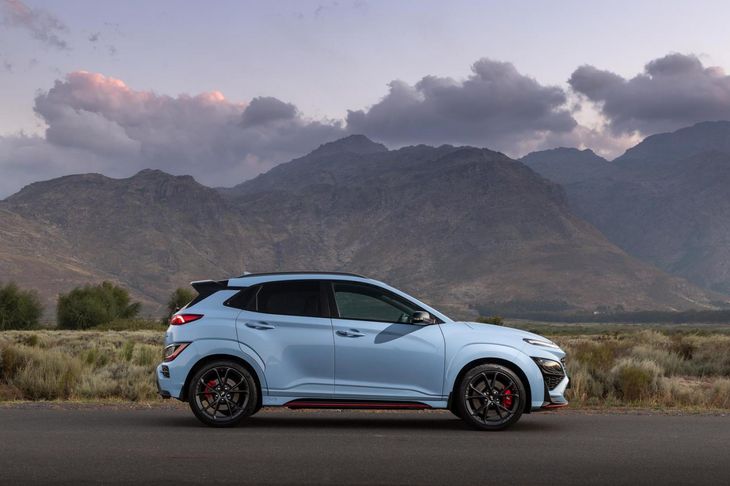
N has delivered two cars aimed firmly at the driving enthusiast rather than the daily driver with a performance bent.
The new performance duo from Hyundai demonstrates that the Korean brand’s N division has changed direction. The i30 N doesn’t feel like a natural rival to the Golf GTI (that it once was); it seems more akin to the Renault Megane RS or the Honda Civic Type R. The handling dynamics are impressive for a front-wheel-drive car and it will no doubt impress on the right road and/or track.
As “daily drivers”, the i30 N and Kona N might prove to be rather uncomfortable cars to live with. Their suspension setup is very firm, even in the most comfortable setting, so be prepared to engage your core muscles when you and your driving machine traverse bumps and jolts on the road surface. We’ll deliver a full report on what the cars are like to live with when we get them back for a full review later.
Spec-for-spec, both contenders appear to offer good value compared with the competition, however. You get an array of safety systems and interior features that are only found on the options sheets of the Hyundais’ competitors. Having said that, at the R750k mark, I suspect that buyers in this segment are looking to acquire the ultimate status symbol and that core value for money will be less of a concern.
With that caveat, the new Hyundai N models do offer some of the best front-wheel-drive driving experiences currently available in South Africa (for me, it would be a toss-up between these and the Honda Civic Type R ).