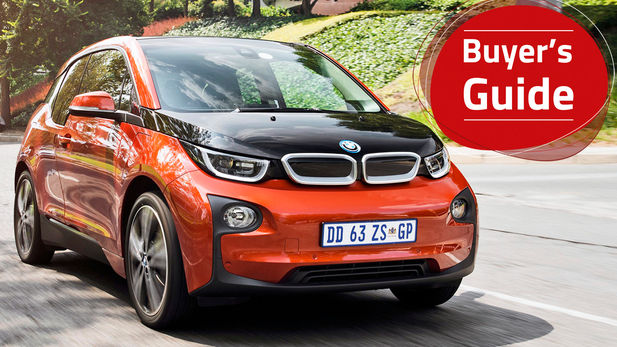
While the BMW i3 looks like something from the future, you can no longer buy a new one. So, should you consider buying a used example of the Munich-based brand’s pioneering electric car? Here’s what you need to know…
When the BMW i3 whirred into South Africa nearly a decade ago, the only other fully electric vehicle (EV) on the local market was the original Nissan Leaf. By contrast, Mzansi’s new-energy vehicle space now positively teems with battery-powered models, but we’re still waiting for a truly affordable new EV.
Although the I01-generation BMW i3 was hardly a bargain back in 2015, prices on the 2nd-hand market have dipped to a level where one could argue that a lightly used example offers the sort of value still sorely missing from the new-vehicle market’s EV segment. A prospective buyer would, of course, need to be willing to make some compromises concerning i3 derivatives’ range limitations and even a lack of warranty cover on the battery packs of earlier models, but those are topics we’ll delve into later…
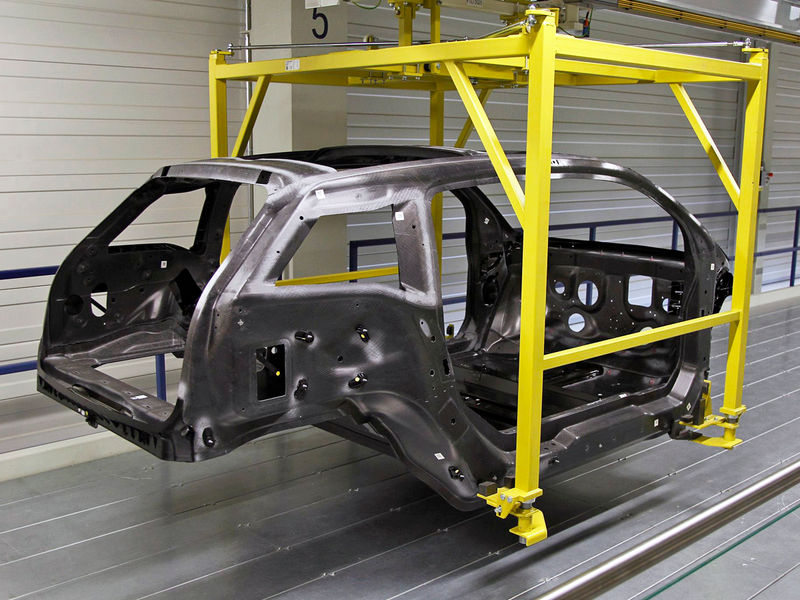
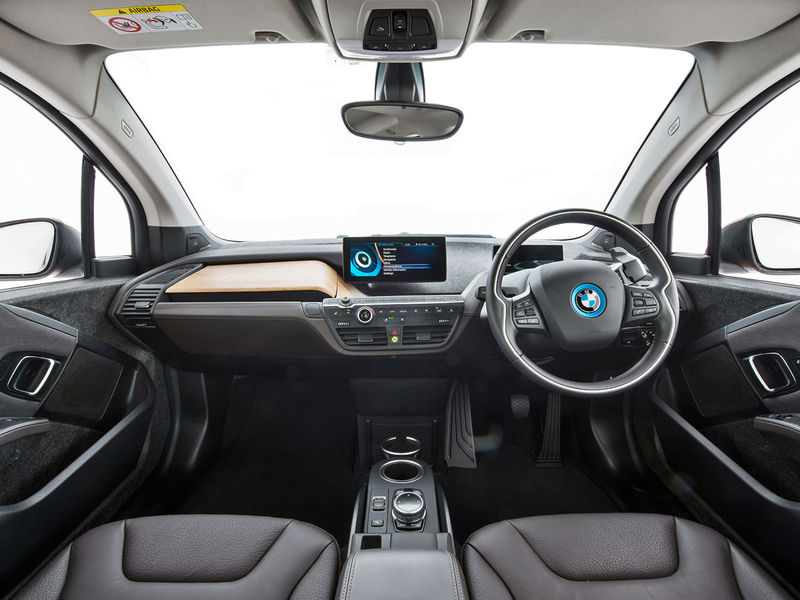
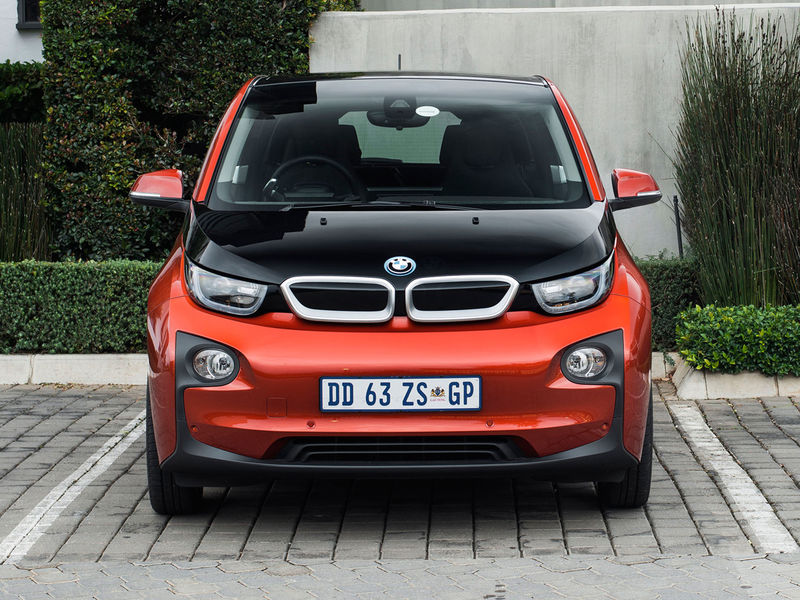
Potential value proposition aside, the BMW i3 was nothing short of revolutionary when it arrived on the scene as the Bavarian marque’s 1st series-produced fully electric car. The ground-up design included a carbon-fibre-reinforced plastic (CFRP) passenger compartment (onto which a thermoplastic skin was attached), an all-aluminium platform and an airy cabin trimmed in materials from sustainable sources.
Despite its futuristic styling (and sub-4-metre length), the BMW i3’s exterior proportions whispered “MPV” rather than “hatchback”, with the driver benefiting from a suitably raised seating position. Either way, the Leipzig-built EV’s cruising range was relatively modest by modern standards, although it did score significant battery-pack upgrades throughout its 9-year lifecycle.
A quick note on range; the figures we’ll list in this Buyer’s Guide – chiefly for the sake of comparing the 3 battery-pack capacities that were available during the i3’s time on the market – are based on the New European Driving Cycle (NEDC). Suffice it to say the model’s real-world range was considerably lower.
As a further aside, although the BMW i3 was a single-generation model, the nameplate is fascinatingly still alive and well in China, where it’s used on a battery-powered version of the long-wheelbase 3 Series sedan (the latter bearing the G28 model code). It may well also end up being repurposed for the electric version of the next-gen 3 Series (teased by the BMW Vision Neue Klasse Concept ) for global markets.
BMW i3 model line-up in South Africa at launch
In 2011, shortly after establishing the BMW i sub-brand, the German manufacturer released the first official images of the BMW i3 Concept (itself previewed by sketches of the “Megacity Vehicle” a year earlier). The production version began rolling off the Leipzig assembly line in September 2013.
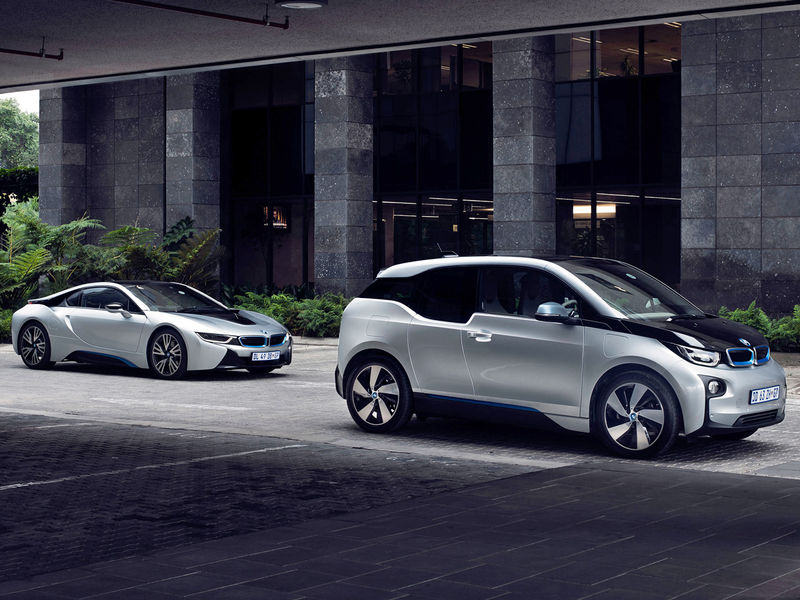
However, the BMW i3 arrived in South Africa only in March 2015 (with local businessman Nicky Oppenheimer snapping up the first unit), hitting the market alongside the i8 plug-in hybrid sportscar . Initially, only 4 BMW dealerships around Mzansi were appointed to sell and service the i3 model.
The local line-up comprised 2 derivatives, each with a 125 kW/250 Nm electric motor mounted on and driving the rear axle via an integrated single-speed transmission. The high-voltage, 60-Ah lithium-ion battery pack comprised 8 modules (each with 12 cells), offering a usable energy capacity of 18.8 kWh. So, what set the pair of variants apart?
- BMW i3 eDrive (125 kW/250 Nm)
- BMW i3 eDrive REx (125 kW/250 Nm)
Well, seemingly in a bid to ease the inevitable range-anxiety fears (remember, Eskom was making headlines for all the wrong reasons back in Mzansi back in 2015, too), a so-called “range-extender” derivative was offered alongside the pure-electric variant. Wearing the REx moniker, this pricier, heavier, slower version of the i3 featured a 650 cm 3 twin-cylinder petrol engine (with peak outputs of 28 kW and 56 Nm of torque), borrowed from BMW’s motorcycle range and fed by a front-mounted 9-litre fuel tank.
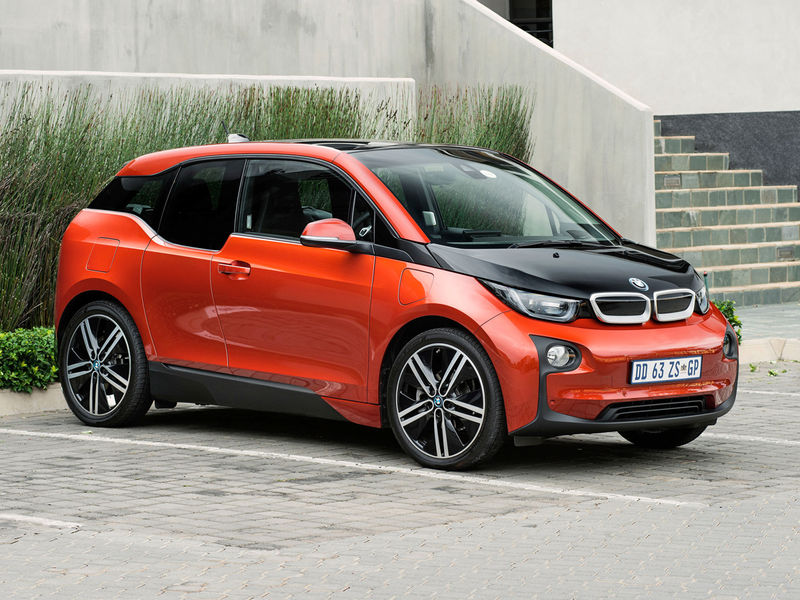
Rather than driving the wheels directly, the small, rear-mounted petrol mill acted as a generator that served to maintain the charge of the lithium-ion battery as soon as it dipped below a certain value. While the pure-electric variant’s single-charge range was listed as about 190 km (NEDC), the REx derivative could theoretically travel more than 100 km beyond that.
What about charging? Well, though it was entirely possible to top up the battery pack using a domestic power socket (a time-consuming exercise best performed overnight), BMW Group SA also offered the option of a Wallbox for the sum of approximately R25 000 (including installation, though dependent on the existing electrical infrastructure at the buyer’s home). While limited by the maximum current strength available at the property, this could ostensibly cut the total charge time to under 3 hours.
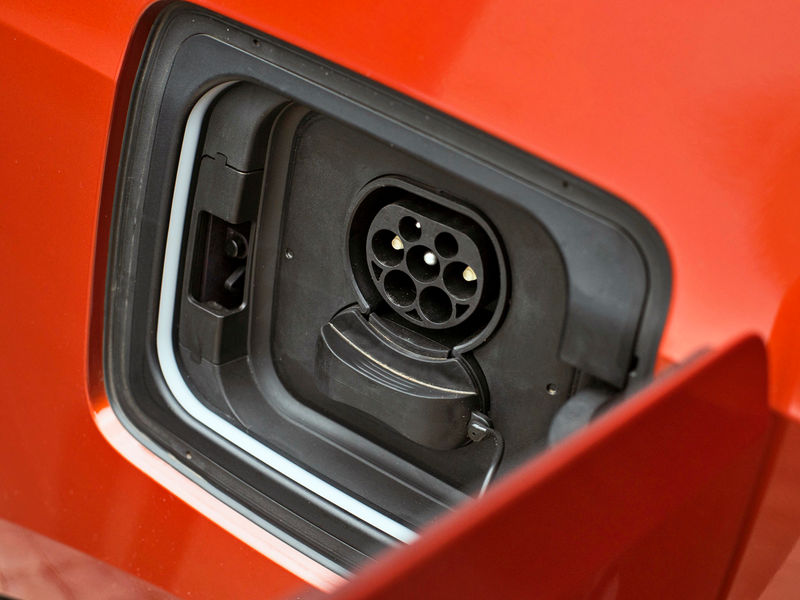
For normal charging, the BMW i3 used the familiar Type 2 plug, while the Combined Charging System (CCS) connector was reserved for rapid charging. As an aside, the charging port was located on the driver’s side rear fender, while REx derivatives additionally featured a petrol flap on the front fender.
BMW i3 upgrades in SA over the years
Over the next few years, the BMW i3 was treated to several updates. But even before its first tweak, this ground-breaking electric car won both the Design of the Year and Game Changer of the Year titles at the inaugural Cars.co.za Consumer Awards , presented in Johannesburg in early 2016. A strong start, then.
See also: BMW i3 Range Extender (2015) Review
At some point in the 2nd half of 2016, the SA-spec i3 became available with an upgraded 94-Ah battery (though the 60-Ah versions remained on the official price list for a short time). Thanks to the higher storage density of the lithium-ion cells, the battery’s dimensions were unchanged, but its usable capacity increased to 27.2 kWh, which hiked the pure-electric version’s NEDC range to approximately 300 km.
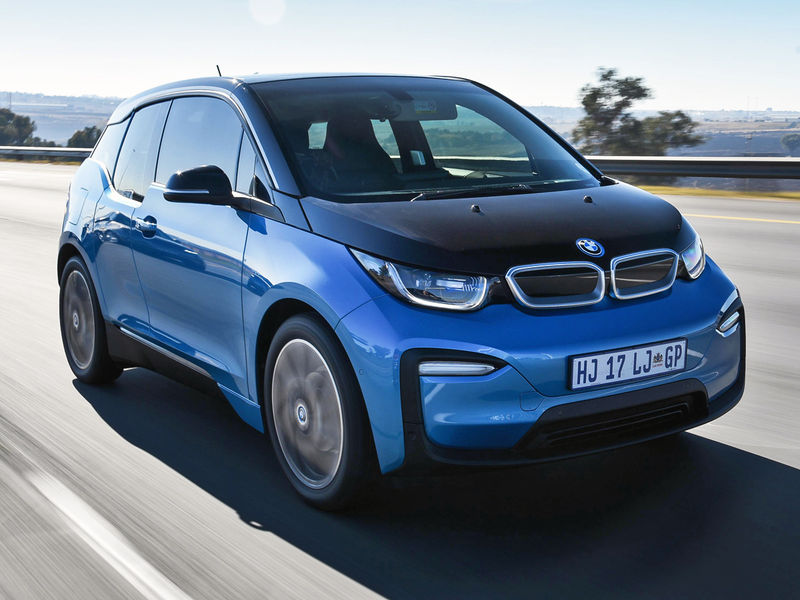
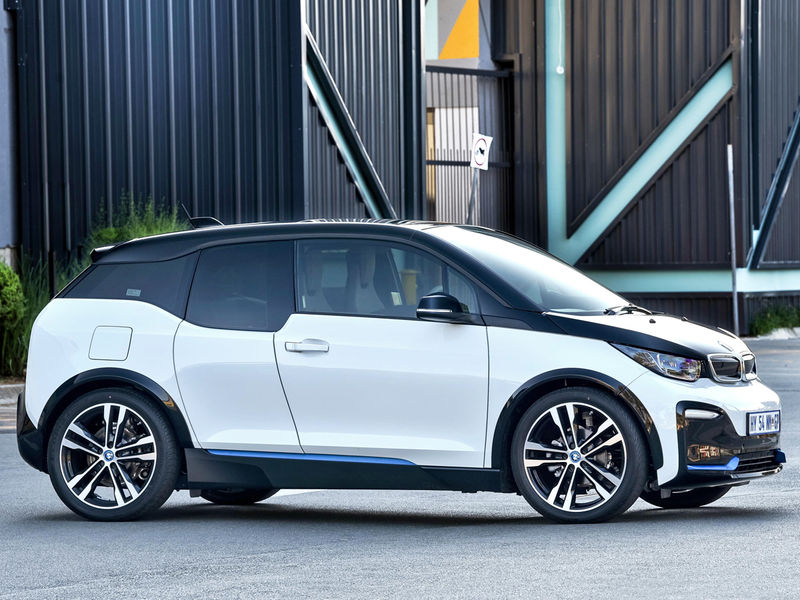
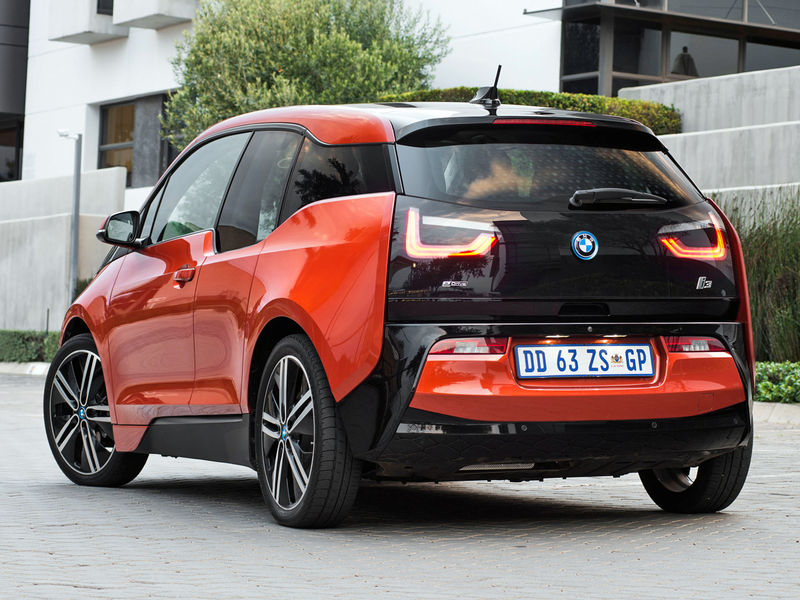
In mid-2018, the facelifted BMW i3 debuted in the local market. Though the model’s powertrains were untouched, the update did include some subtle design changes, such as revised front styling (now with LED headlamps and LED indicators) and a new rear apron, along with a black finish for the A-pillars and updated exterior paint options. Inside, the Munich-based firm upgraded the iDrive infotainment system.
See also: BMW i3 eDrive REx (2019) Review
Towards the start of 2019, South Africa’s BMW i3 line-up – again, including the REx derivatives – had the standard battery pack upgraded once more, this time to 120 Ah (now with a usable capacity of 37.9 kWh). As a result, the pure-electric version’s NEDC range climbed to about 360 km.
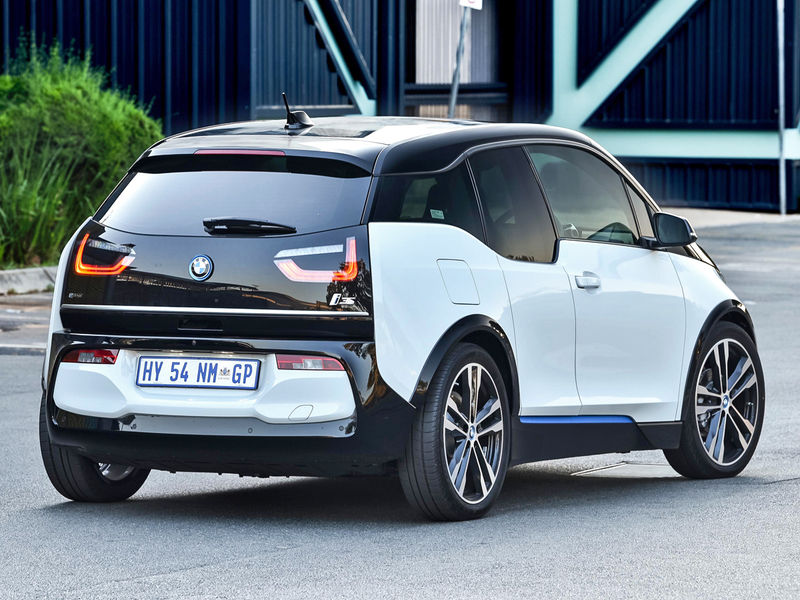
Around the same time, the i3s joined the local portfolio in eDrive and REx guises. Also endowed with the 3rd-gen 120-Ah battery pack, the sportier i3s derivatives had slightly higher peak outputs of 135 kW and 270 Nm (though a lower NEDC range of 325 km, in the case of the i3s eDrive). In addition, the variants sported bespoke design cues, sports suspension (10 mm lower than standard) and 40-mm wider tracks.
Production of the BMW i3 ended in July 2022, with more than 250 000 units built for the global market.
What are the pros of a BMW i3?
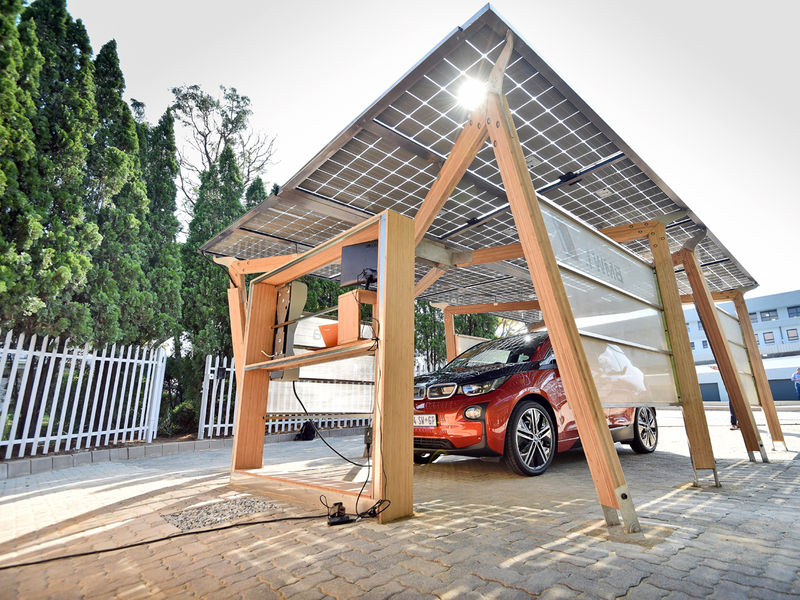
Low running costs: With far fewer moving parts than similarly sized petrol- or diesel-powered vehicles, the BMW i3 benefited from considerably lower running costs (theoretically offsetting its relatively high purchase price, over time). For instance, there were hardly any fluids to change, although the ICE component of REx derivatives still required yearly oil-and-filter services…
Thanks to regenerative braking, the friction brakes often lasted ages; in Germany, for example, one particular BMW i3 owner travelled more than 270 000 km on their vehicle’s original pads and discs. Compared with combustion-engined vehicles, “fuel” typically cost quite a bit less, too, particularly if owners charged at home (and especially so if their properties were fitted with solar).
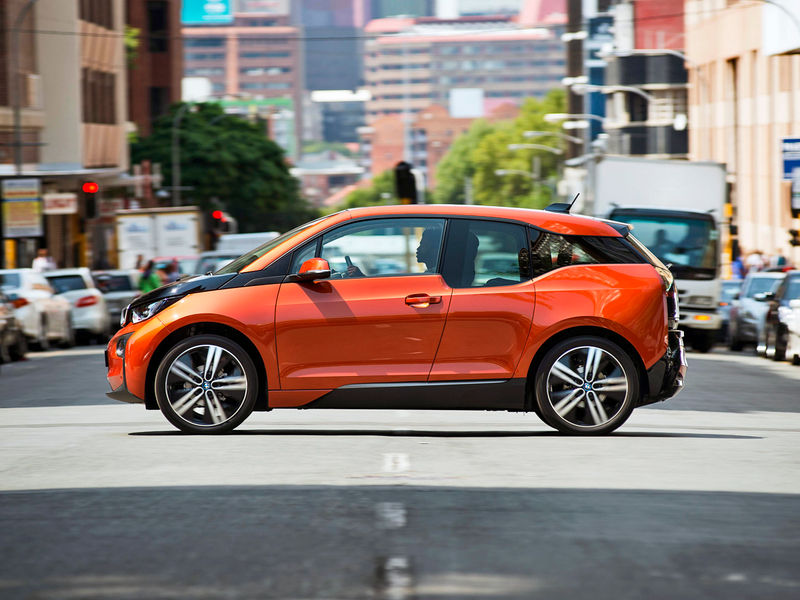
Genuinely fun to drive: Whereas most modern EVs set the scales creaking, the BMW i3 was relatively lightweight, largely thanks to the clever use of aluminium and CFRP (in the case of the pure-electric model, BMW listed an unladen weight of 1 195 kg at launch).
This, along with a high level of torsional stiffness and a low centre of gravity, meant the quirkily styled German hatchback handled with far more agility and precision than its upright stance might suggest. In fact, the BMW i3 was downright fun to pilot – the electric motor offered immediate access to maximum torque to produce brisk acceleration around town.
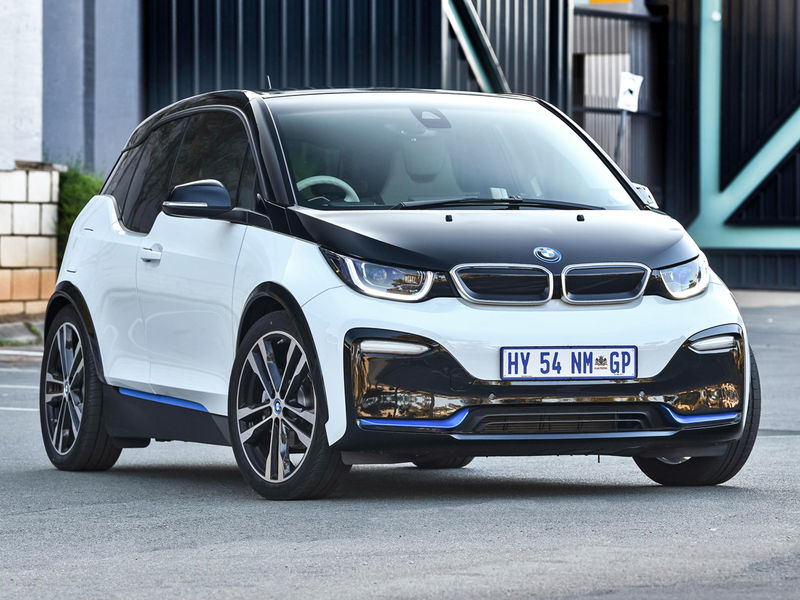
While the REx variants were a little tardier, the i3 eDrive took a claimed 7.2 sec to complete the 0-100 kph sprint, a figure that fell to 6.9 sec in the case of the slightly more powerful i3s (or just 3.7 sec from 0-60 kph). That made the i3s as brisk to 3 figures (from zero) as the Ford Fiesta ST hot hatch.
Furthermore, the BMW i3 – which boasted a usefully tight turning circle – offered an intuitive, speed-sensitive 1-pedal driving experience. Endowed with a strong regenerative braking effect, there was often no need to apply the brakes at all, with recuperation mode activated the moment a driver lifted their foot off the accelerator pedal.
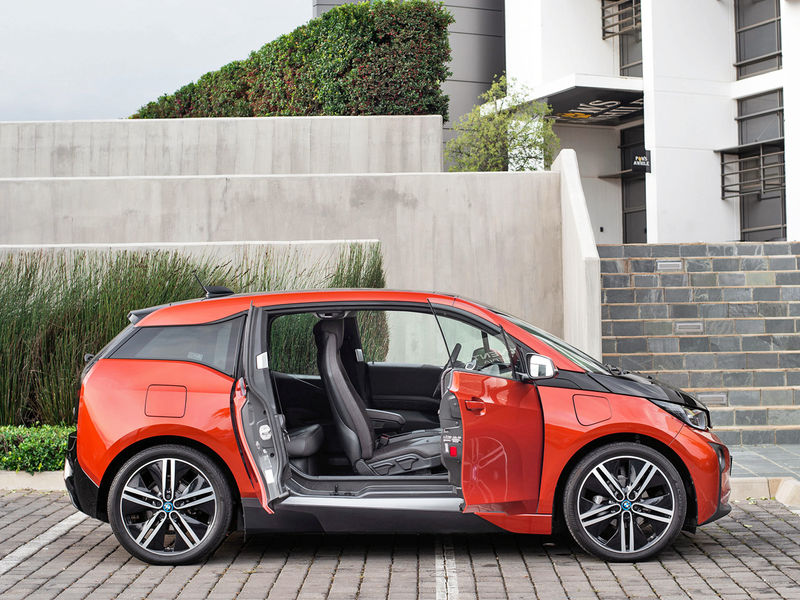
Concept-car styling (inside and out):
Though perhaps not to everyone’s taste, there’s no denying the BMW i3’s design was unlike anything else out there. The daring clamshell doors (and consequent lack of B-pillars) played a key role here, with BMW suggesting this design allowed “extremely easy access” to the 4-seater’s cabin. Keep in mind the rear doors’ glass was fixed in place.Also note that to open the rear portals, the front items first needed to be ajar (and the front seatbelt on that side unbuckled). While this could prove mildly annoying when dropping off rear passengers, having the doors open at least gave the occupants a cheeky glimpse of that exposed carbon frame.
Watch Ciro De Siena’s 2015 video review of the BMW i3
What are the cons of a BMW i3?
Limited range (particularly on highways): Like virtually all EVs, the BMW i3 was best suited to urban environments, since the cruising range tended to plummet once out on the highway. Still, the upside of the original lower battery capacity was a shorter overall charging time. And, of course, higher capacities were offered deeper into this model’s lifecycle.
Of course, those with plans to venture even farther from home also had the option of a range-extender (REx) derivative. Note, however, that the distant, somewhat agricultural hum of the 2-cylinder petrol motor tended to mar the i3’s otherwise largely silent running.
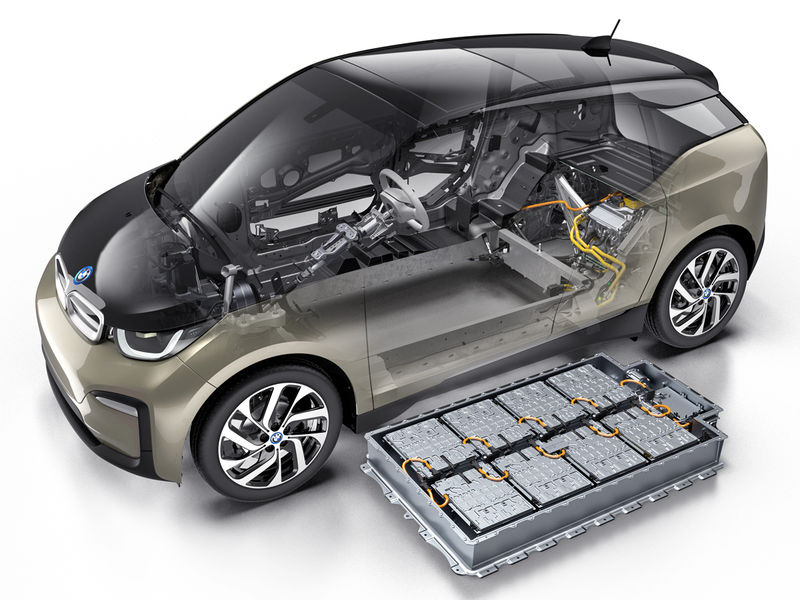
Scary battery-pack replacement costs: Though we believe BMW Group SA has yet to be called upon to replace an entire battery pack in an i3 (the battery was developed “to last for the full life of the vehicle”), anyone considering the purchase of a 2nd-hand EV would do well to educate themselves on the cost of this big-ticket component. Ready for the numbers? Well, we don’t think you really are: brace yourself.
Armed with a VIN for a 2015 i3 (60 Ah), we approached a local BMW dealer and were presented with a whopping R432 049 battery-pack replacement cost (even the representative in the parts department was left entirely aghast by this figure). For the record, that price is for all 8 modules but doesn’t include fitment. What about a new 8-module battery pack for a 2019 i3 (120 Ah), again confirmed using a valid VIN? Well, the price here rises to an even more frightening R483 644.
Again, we should reiterate that we’re unaware of any i3 owner in South Africa who has had to go this route (and such an instance would surely result in an insurance write-off anyway). In fact, South African Shaun Maidment, owner of the highest-mileage i3 in Africa, told Cars.co.za that his 2016 60-Ah model is still going strong on the original battery after a whopping 364 000 km.
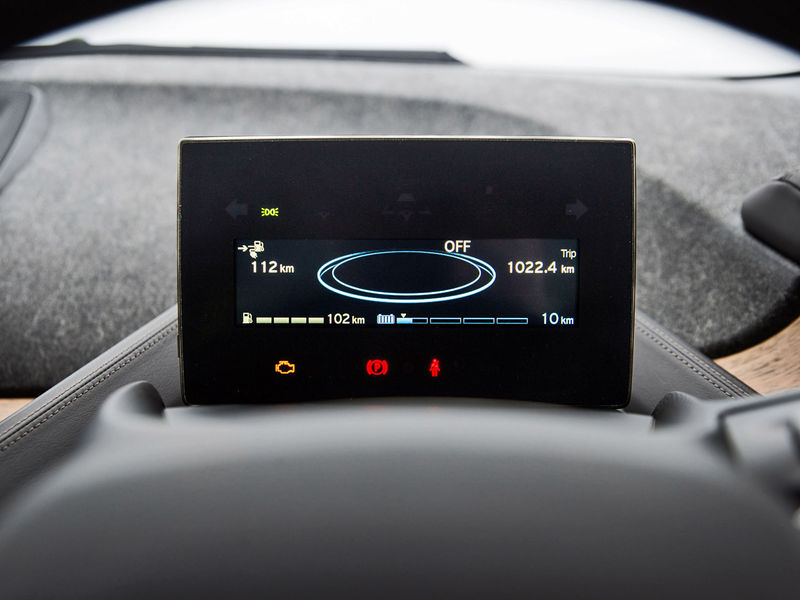
As an aside, when organising a viewing of a used i3, make sure to request that the battery is fully charged by the time you arrive. That way, you have the option of using a (somewhat convoluted) method of checking the battery’s estimated maximum usable capacity via a hidden menu in the trip computer.
Google “BMW i3 Batt Kapa Max” to learn more, though note this isn’t regarded as a pin-point accurate look at battery health, but rather an approximate snapshot of the potential maximum capacity at that point in time (according to the battery management system’s information, anyway).
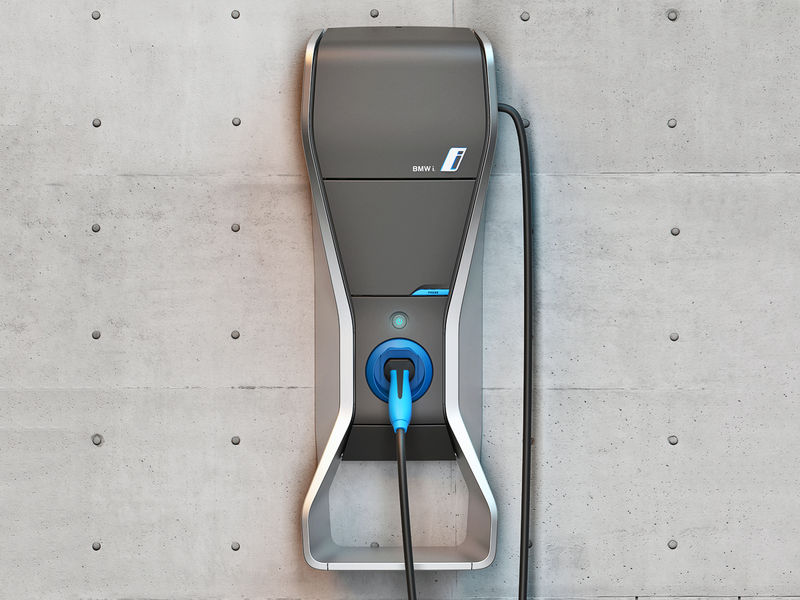
Miscellaneous potential issues: What else should you keep in mind when considering a BMW i3? Well, you should certainly factor in the cost of having a home charger installed at your premises (if you don’t already have one) as running an EV without such a device doesn’t quite make sense. BMW offers a Wallbox solution, while various other options are available via 3rd-party suppliers.
On another note, though the CFRP used for the i3’s lightweight frame is essentially corrosion-proof, damage sustained in anything more severe than a minor fender-bender could prove prohibitively costly to repair. In most cases, a specialist would need to cut out and replace the spoiled section of CFRP.
In addition, the i3’s skinny tyres were an unusual size, which suggests they could prove quite costly to replace. As standard, the BEV derivative rode on 155/70 R19 rubber all round, while the REx variant had the same tyres up front but 175/60 R19 items at the rear (this set-up was also optionally available for the BEV). In addition, the optional 20-inch alloys came in 155/60 R20 front and 175/55 R20 rear sizes. Finally, note that the i3 did without a spare wheel, instead relying on a tyre-repair kit.
How much is a used BMW i3 in South Africa?
In Mzansi, the BMW i3 shipped standard with a 5-year/100 000 km maintenance plan and an 8-year/100 000 km battery warranty. Therefore, early models would no longer enjoy battery-warranty coverage.
At the time of writing, 15 examples of the BMW i3 were listed on Cars.co.za , with just 5 taking the form of range-extender models. Fascinatingly, the overwhelming majority came from the opening 3 model years, with just a single unit falling in 2020 and another in 2022. Indicated mileage spanned from 36 000 km (on a 2017 i3 eDrive) to 114 000 km (on a 2015 i3 eDrive).
- Below R350 000 : There were just 2 options below this mark at the time of writing, both from the 2015 model year. The first was the 100 000+ km i3 eDrive mentioned above, while the 2nd was a REx derivative with 69 000 km on the clock.
- From R350 000 to R450 000 : We found most BMW i3 listings positioned between these pricing bookends. However, all were from the opening 2 model years, with most odometers approaching 6 figures. So, the battery warranty was either expired or close to its end in virtually all instances.
- R450 000 and up : Spending upwards of R450 000 would get you into a later model-year example, complete with ample battery warranty coverage. Interestingly, all 4 examples positioned in this space were listed by BMW dealers, with 2 even coming with a Wallbox charger. The most expensive model we discovered was a 2022 i3 eDrive listed for R628 500.
Which BMW i3 derivative should I buy?
Before we dive into our recommendations, we feel obliged to emphasise that the BMW i3 was – and still is – best employed as an urban runabout. On that note, we’d argue the pure-electric version offers the most authentic (not to mention efficient) EV experience, while also pointing out that we’ve heard of issues with injectors and fuel-pump relays on the range-extender variant’s 2-cylinder petrol motor.
Then, it’s largely a case of settling on battery capacity. As a reminder, the i3 launched in 60-Ah form, before the battery pack was upgraded to 94 Ah late in 2016 and 120 Ah late in 2018. If you’re chasing range, later models – though more expensive – would then make the most sense, with the added benefit of a longer balance of warranty cover.
Later models would – in theory – also exhibit lower levels of battery degradation, though our research suggests this isn’t too much of an issue for the BMW i3 on the whole, even when it comes to the early model-year units. Of course, keep in mind that the rate of degradation of any lithium-ion battery can be accelerated by various usage factors, including frequent rapid charging.
What else might you consider instead of a BMW i3?
At launch in South Africa, the BMW i3’s only electric rival was the original Nissan Leaf, though it wasn’t all that much cheaper (and the 2nd-gen model didn’t reach local shores). The Mini Cooper SE arrived in Mzansi only in the 2nd half of 2020, featuring the i3s’ 135-kW electric motor, but a smaller battery pack.
While not a fully electric vehicle, the XW50-generation Toyota Prius hybrid was arguably something of a BMW i3 competitor, making local landfall the year after the BMW. Despite being more affordable and not hamstrung by the range-anxiety stigma, the Prius sold slowly in South Africa, before being axed in 2022 .
This distinct lack of direct challengers in the EV space only emphasises the fact that the i3 was far ahead of the curve. It was a ground-breaker, even if local sales figures suggested otherwise. Fun to drive and endowed with concept-car styling (which admittedly rendered access to the pair of rear seats somewhat clumsy and boot space a little light), the BMW i3 made an excellent 2nd car for dedicated city driving.
And it remains that today. Since South Africa is still holding out for a genuinely affordable new EV, we’d argue that a sub-R500 000 late model-year example with the 120-Ah battery pack (and plenty of battery warranty in hand) would make a seriously tempting – not to mention utterly charming – alternative.
Looking for a used BMW i3 to buy?
Looking to sell your car? You can sell it to our dealer network here