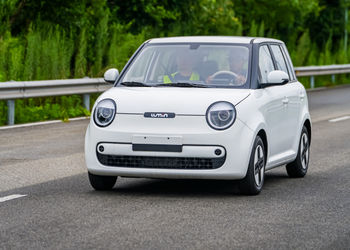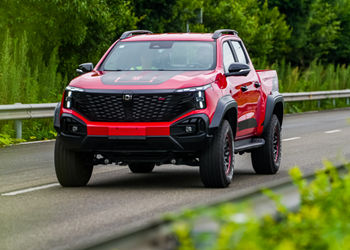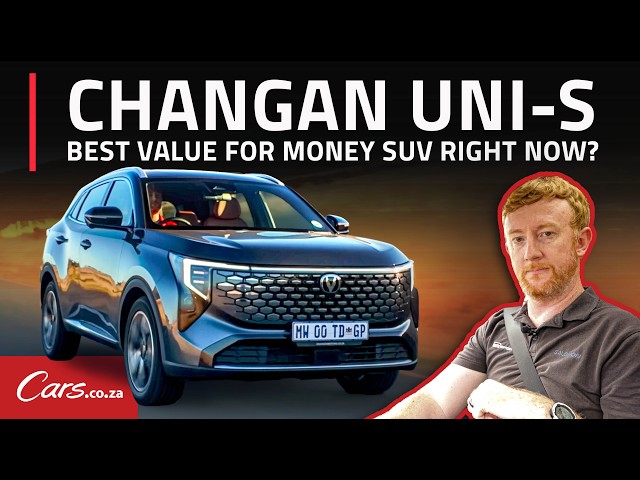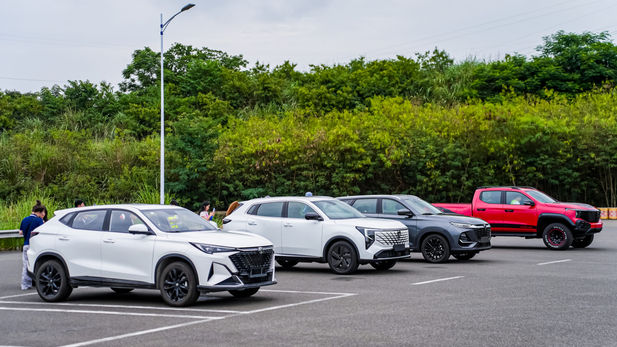
Our recent trip to Chongqing China gave us access to Changan’s factory and R&D centre, showing us just how big the brand really is and the impact it’s had in China. As one of the top 5 automotive brands in that country, can Changan also win the hearts of South Africans?
It’s been only 9 months since Changan relaunched in South Africa and times have certainly changed since the brand first had a limited presence locally under a different distributor. Now, imported and distributed through Jameel Motors – claimed to be one of the world’s largest independent automotive distributors – the brand is back in a time where the local market is seeing a major shift in consumer behaviour.
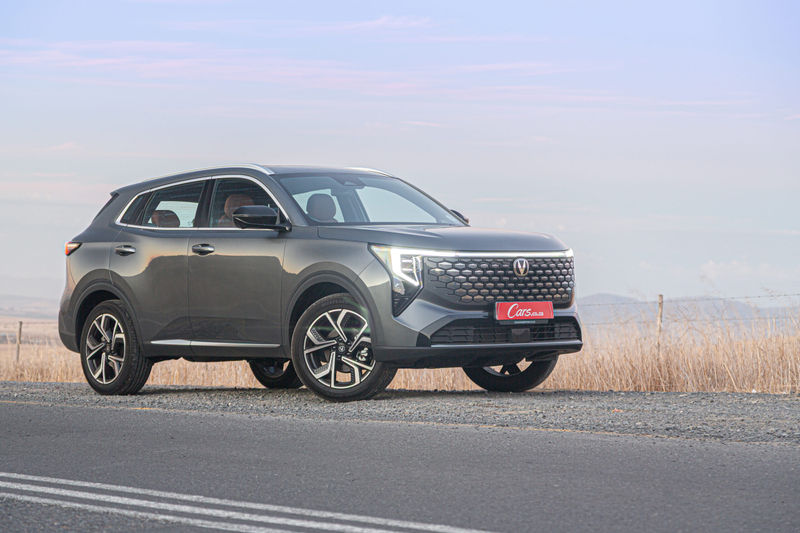
The rapid adoption of Chinese vehicles in South Africa is something even the most seasoned of motoring journalists couldn’t have predicted. After all, South Africans have tended to be fiercely brand loyal.
In hindsight, however, the writing was on the wall long before this shift happened, due in part to traditional car makers inflating prices, especially post COVID-19. The media as well as consumers often lamented that cars’ prices were too high and the Chinese listened… For some years, pioneers such as GWM and Chery slowly started making inroads as more and more people started realising the stigma that China exports only cheap, mass-produced goods was unfounded.
We all know what happened next… More brands joined, more people converted, and now many Chinese carmakers feature in the top 10 sales charts. In June 2026 , out of the 38 393 cars that were sold in South Africa, more than 11 000 of those were from Chinese brands. Let that sink in.
New week, new brand…
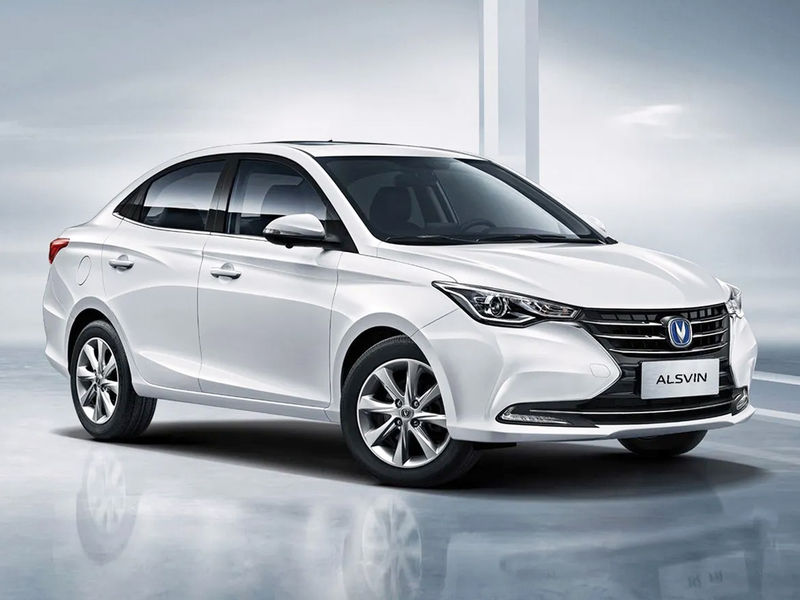
For Changan , this means it’s entered the market at the best and worst of times. On the one hand, people have embraced Chinese cars, making them easier to sell. On the other, the rate of this acceptance has happened very rapidly. It almost feels like one day it was GWM and Chery , and then the next day we had Omoda , Jaecoo , BAIC , GAC , JAC , Geely , Lepas , Jetour , iCaur and on and on.
How can Changan stand out in a crowded market?
The main challenge newcomer Chinese brands face is how to cut through the noise to reach in-market consumers. This is where marketing and positioning play a critical role. Changan has an advantage, though – nearly 70 years of experience in making cars. They’ve also had several noteworthy joint ventures with brands such as Ford , Mazda , Suzuki and Stellantis .
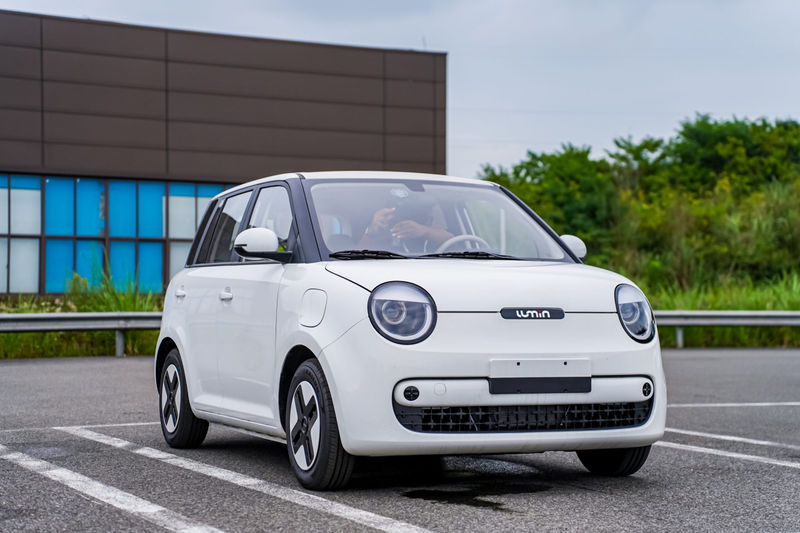
When I recently visited their factory and R&D centre in Chongqing, China, my eyes were opened to the scale of the operation. As is industry standard when partaking in plant and development-centre tours, our cell phone cameras were taped shut, so there aren’t any photos. But I’ll paint a picture…
- Changan has 506 welding robots that can produce a body-in-white (the skeleton of a car) in 55 seconds. On a low-volume day, they produce 800 cars and on a high-volume day, 1 200 vehicles are built.
- For audio lovers, their R&D centre has a Dolby Atmos studio where they tune Meridian speakers to give you the best audio quality on their higher-end vehicles.
- Driver and passenger safety is also taken very seriously, with numerous tests being done to ensure that their cars meet stringent safety standards. We even had the opportunity to witness a crash test, which was both fascinating and jarring as the noise of a crash test is much louder than you’d expect.
Being a government-owned entity, Changan has what seems like endless resources to make its cars quieter, smarter and more efficient.
Read more: 5 new Changan products coming to Mzansi
The more you know
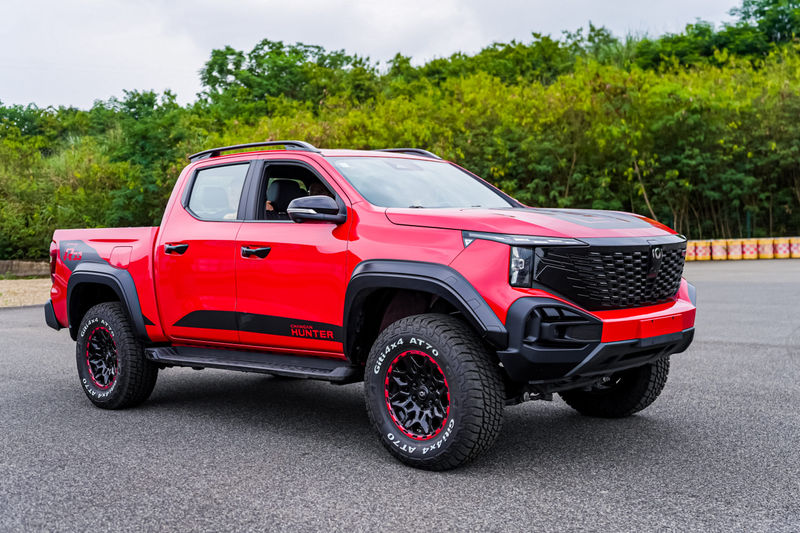
It’s critical that South African consumers know all of this because such context helps refute the negative claims that Chinese cars are cheaply made or inferior to their European counterparts.
At the same time, you can’t blame locals for being sceptical; the majority of South Africans simply don’t know the history of Chinese vehicle brands such as Changan and others like GWM, which is a 42-year-old company and Chery, which is 29 years old.
Visiting Changan’s factory confirmed our market is undergoing a change which will not be stopped. This is a repeat of what happened when the Korean vehicles entered our market years ago. In the beginning, people were very sceptical, but fast forward to 2026 and it’s second nature to recommend a Hyundai or Kia . I reckon that, by 2030, Chinese brands will carry the same weight as their Korean equivalents, perhaps even sooner.
Back to Changan South Africa. It certainly has its work cut out for it in a crowded market, but with the right strategies to drive awareness, it too can find bigger success locally. Changan’s current lineup and it future products are appealing. This appears backed up by a robust dealer network of 33 outlets, swelling to 40 by year-end. Aftersales support is equally critical for the success of a brand, and it seems as if Changan is up for the challenge. Let’s see how things play out…