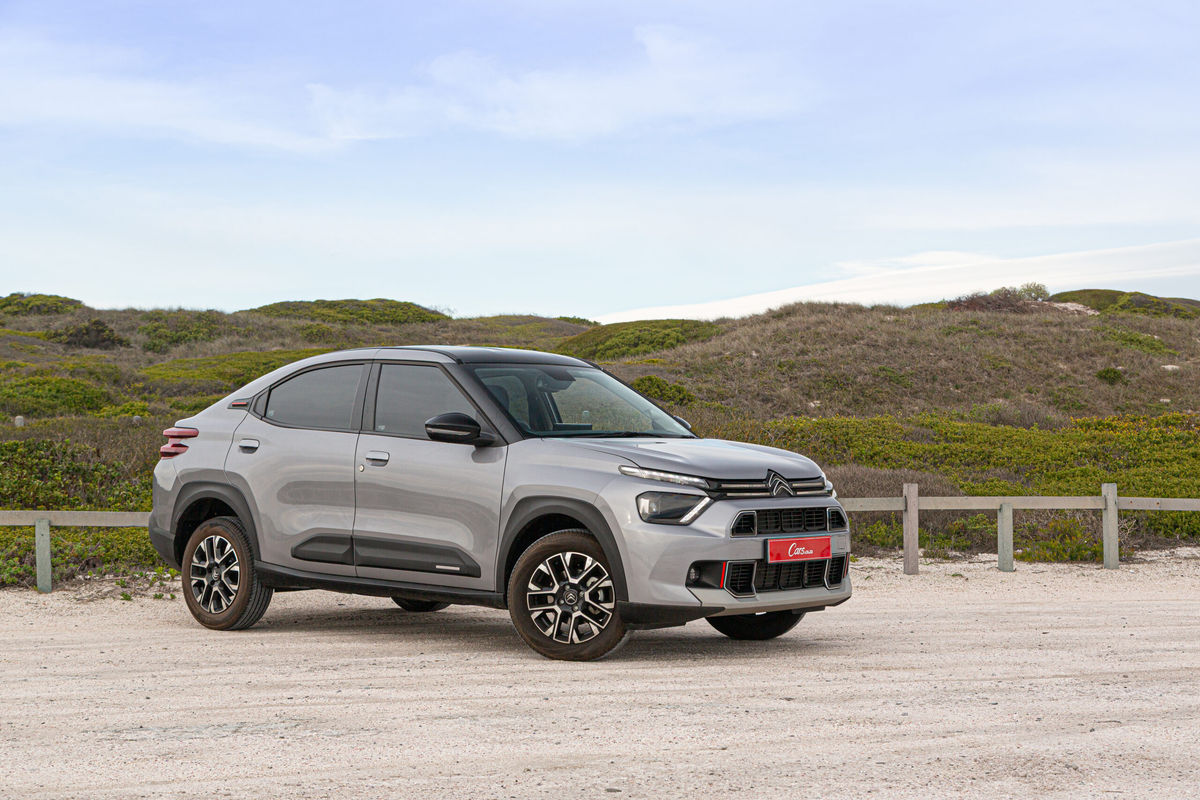
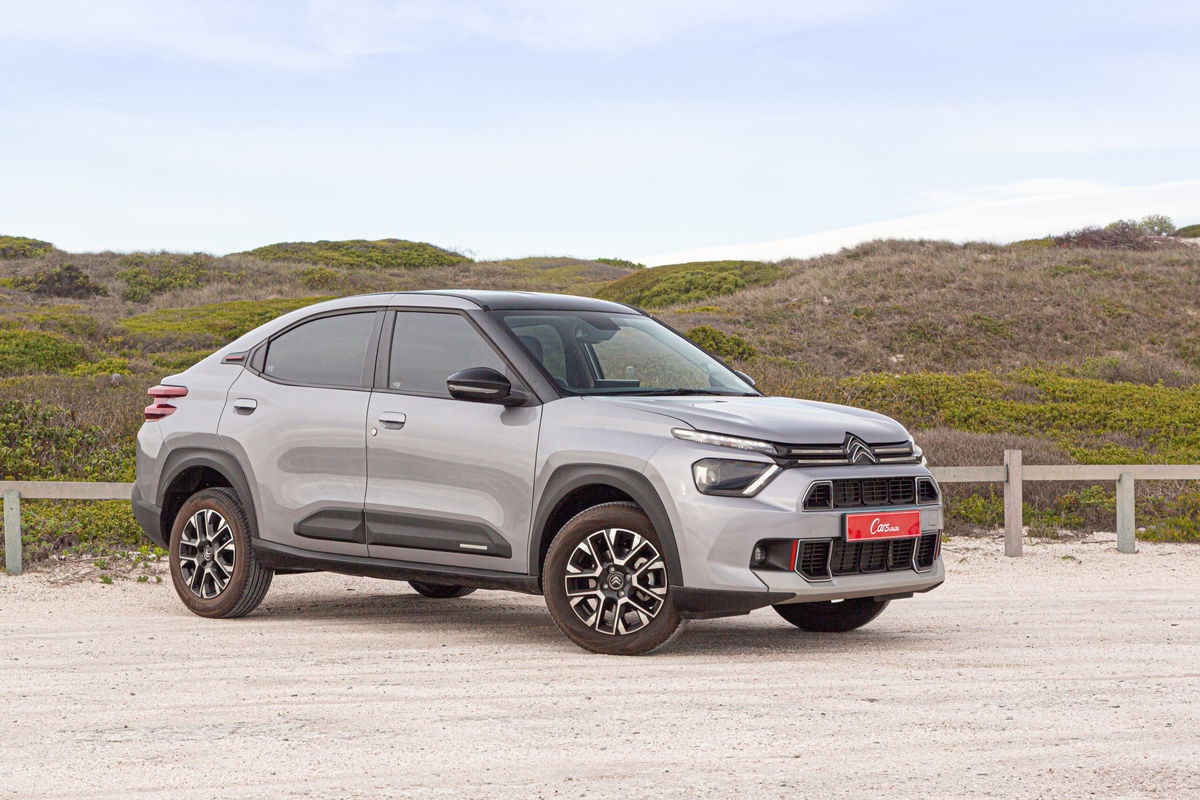
The Citroen Basalt brings sporty coupe-crossover styling to the B-segment. With an attractive price and generous specification level, is it worth a second look?
We like: Citroen Basalt has a strong engine, impressive efficiency, ride quality, generous boot space, value for money.
We don’t like : Some cheap-feeling plastics, 3-cylinder engine vibration … but we’re really nitpicking here.
FAST FACTS
- Model Tested: 2026 Citroen Basalt 1.2T Max 6AT
- Price : R369 900
- Engine : 1.2-litre turbocharged 3-cylinder petrol
- Transmission : 6-speed automatic
- Power / Torque : 81 kW/205 Nm
- Claimed fuel consumption : 6.3 L/100 km
- 0-100kph : 11.05 seconds (tested)
All the latest Citroen specifications and pricing
Where does the Citroen Basalt fit in?
The sub-R400k compact SUV segment is bulging at the seams with entrants from across the spectrum. You have your legacy brands trying to secure their regular sales amid an onslaught of newcomer brands, all taking place in a price-sensitive market.
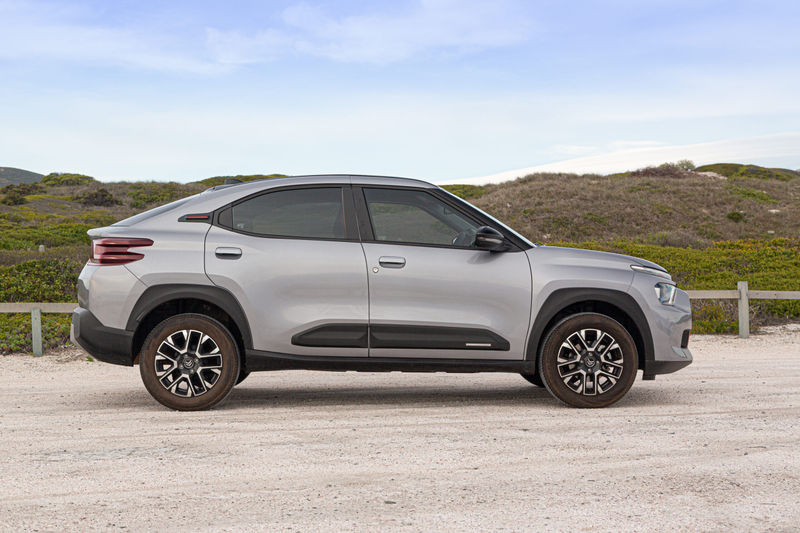
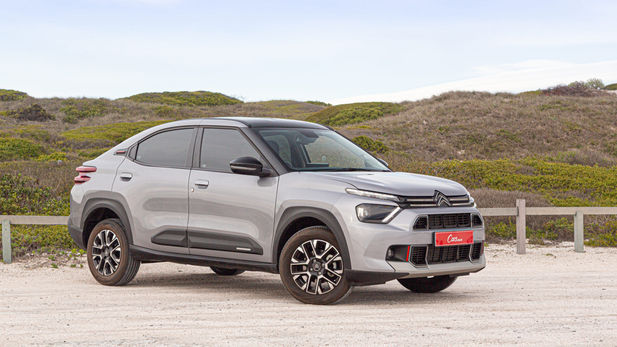
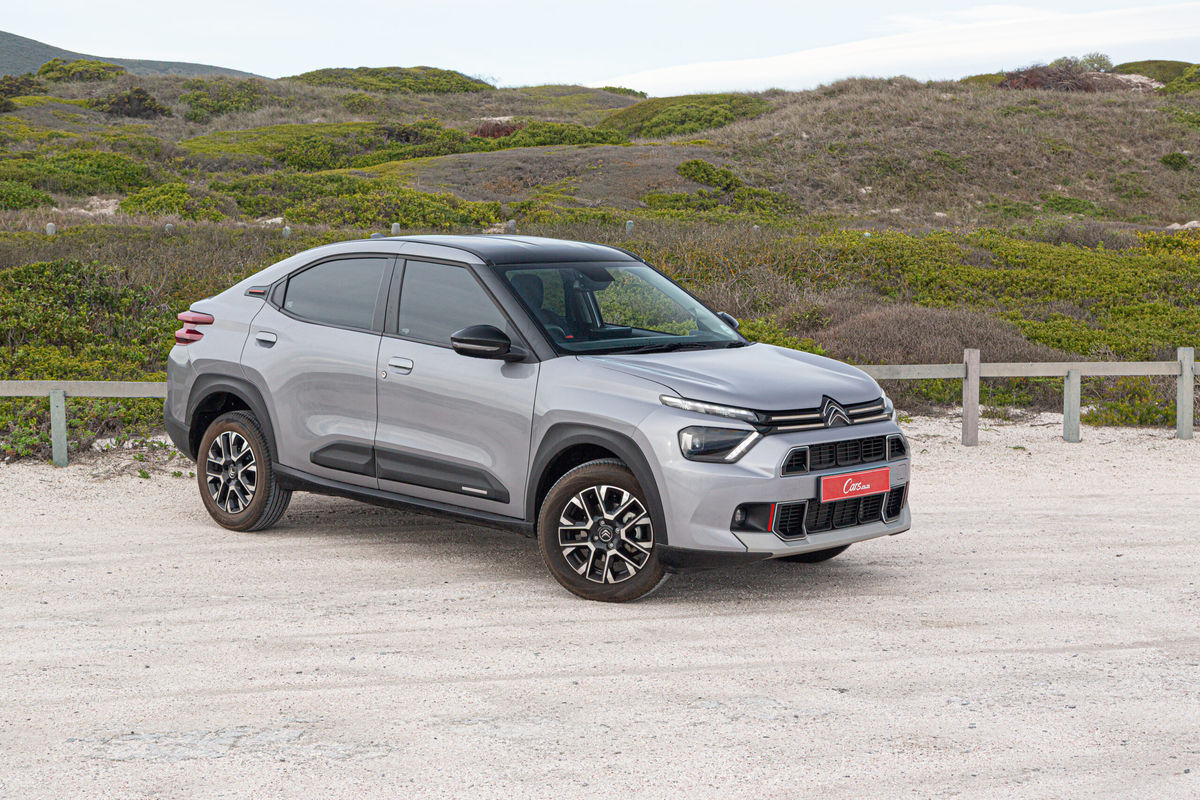
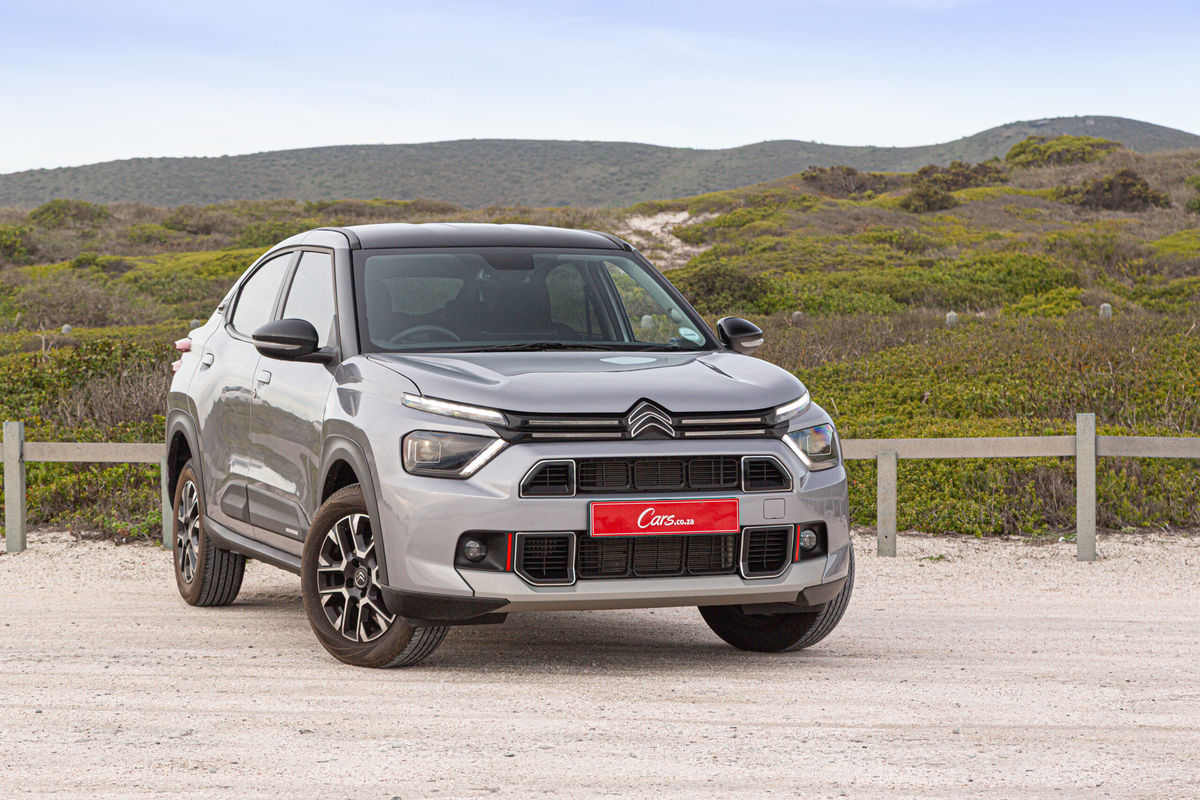
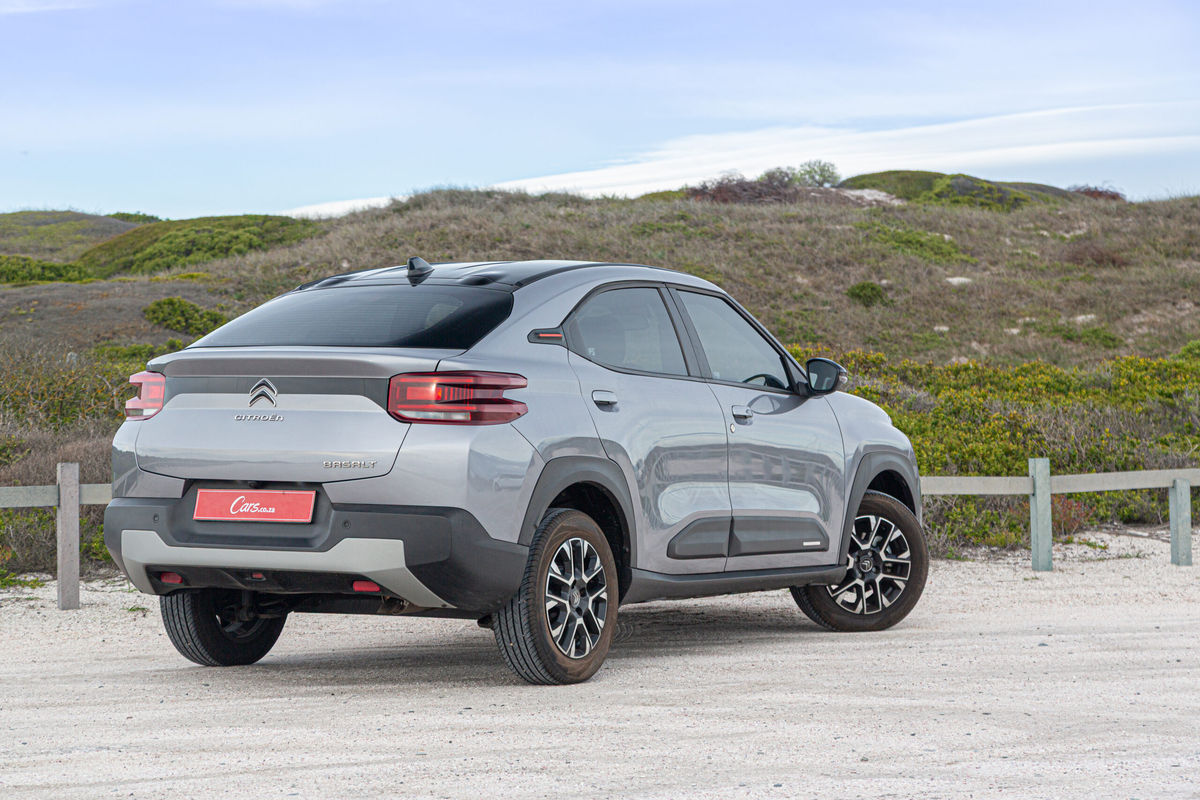
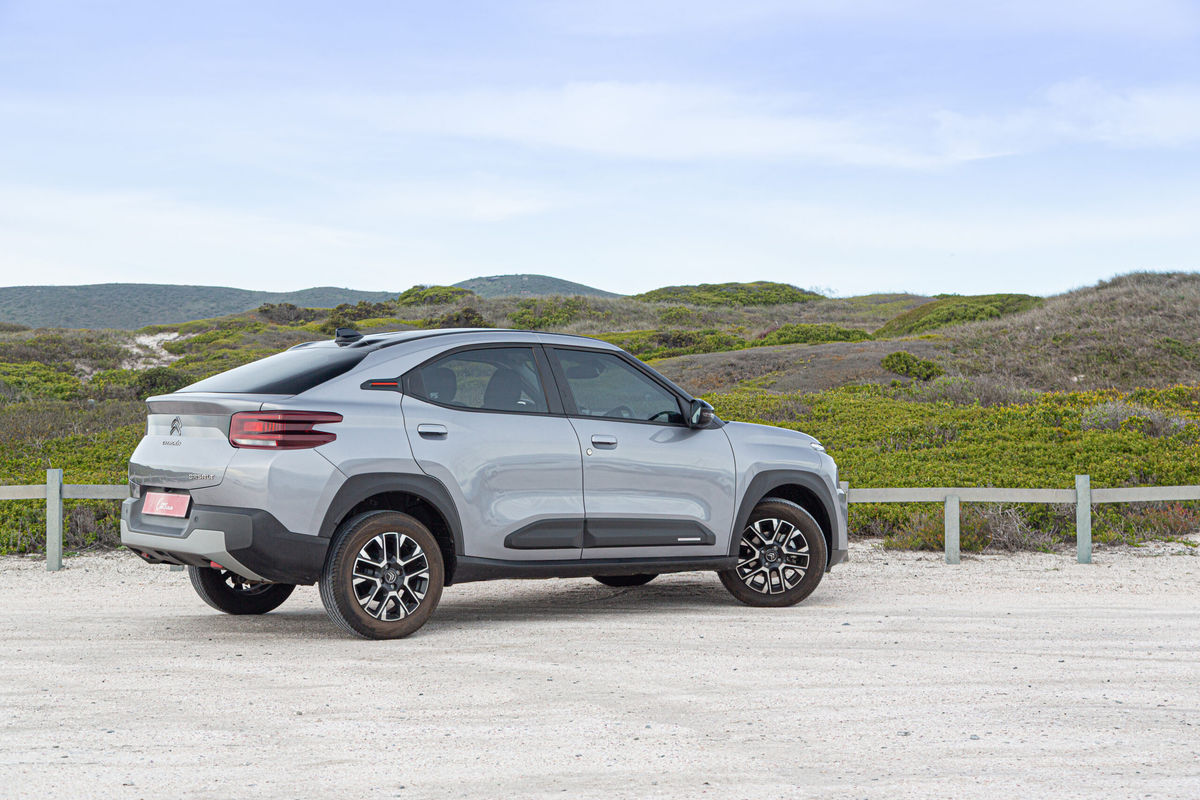
In an effort to differentiate itself, Citroen’s Basalt is more of a sports-coupe SUV than a generic 2-box shape. Think of it as Citroen’s BMW X4, Audi Q3 Sportback and so on, trying to stand out in a busy crowd. Citroen is clamouring for private sales; a quick glance at the Stellantis sales charts shows a large portion of units are sold to the rental fleets. If it’s good enough for the likes of Avis, Sixt, First, Thrifty and co, why has there been minimal interest from the general buying public?
Perhaps it’s perception of the brand (there’s always one naysayer screeching about the lack of parts and reliability), lack of dealership footprint and being drowned out by brands that have substantially larger marketing budgets.
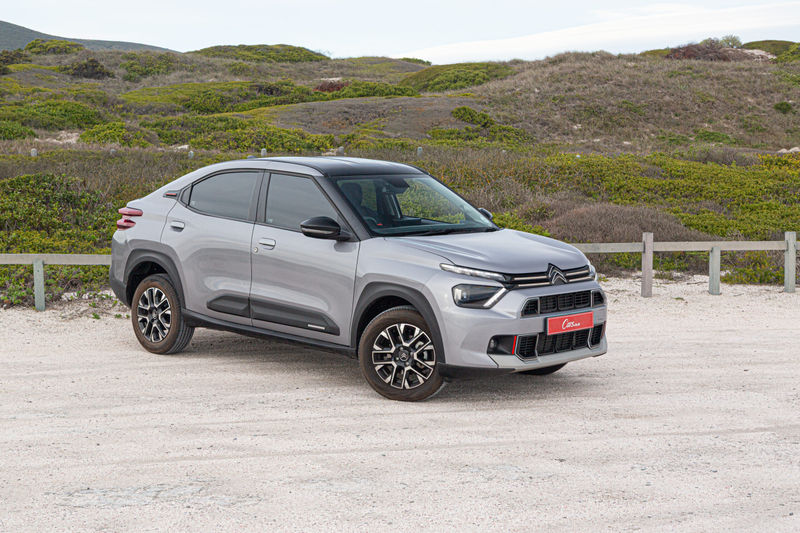
Rivals for the Basalt are numerous and considerable, but once you start looking under that R400k threshold, how much value can you get? At this price point, we’ve identified the Kia Sonet 1.5 LX auto and Haval Jolion Pro 1.5T Premium as solid alternatives. A direct comparison would be the same-styled Tata Curvv, which offers a similar powertrain and is priced pretty close, but we’re yet to drive it…
Compare the Citroen Basalt against its rivals using our Comparison Tool
How the Citroen Basalt fares in terms of…
Design, Packaging & Features
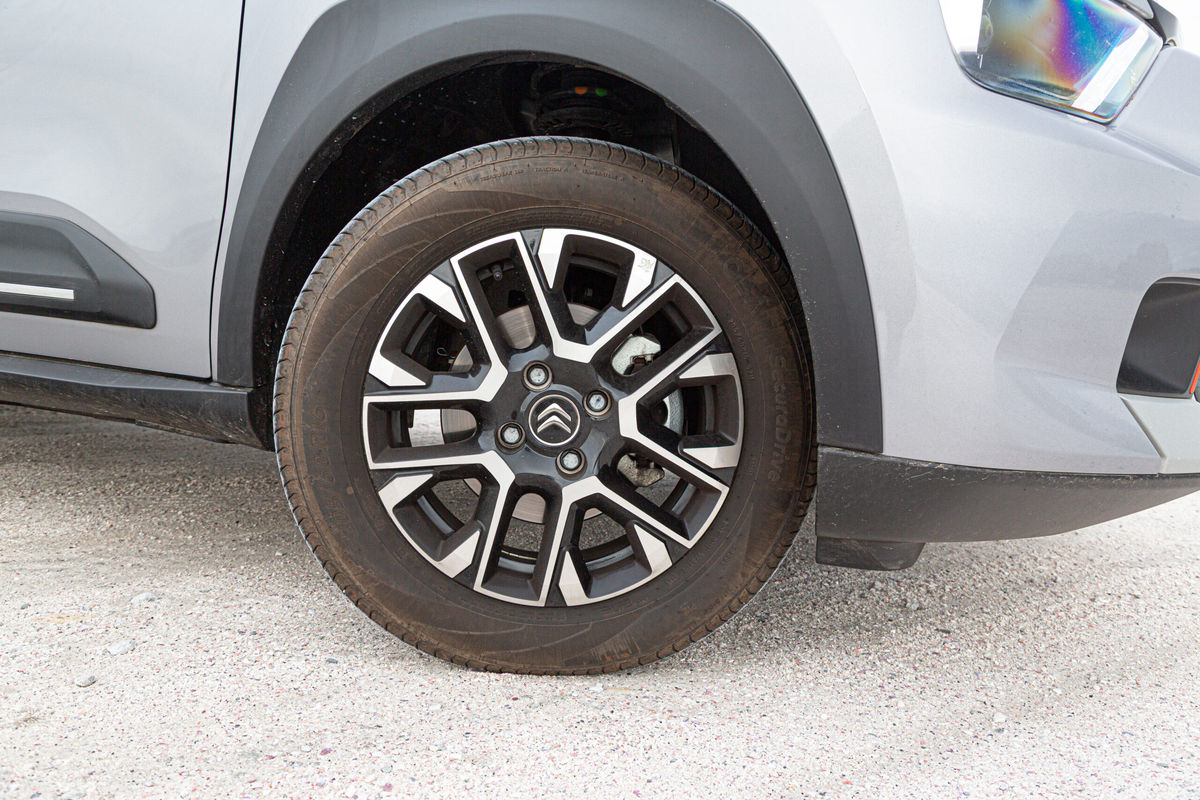
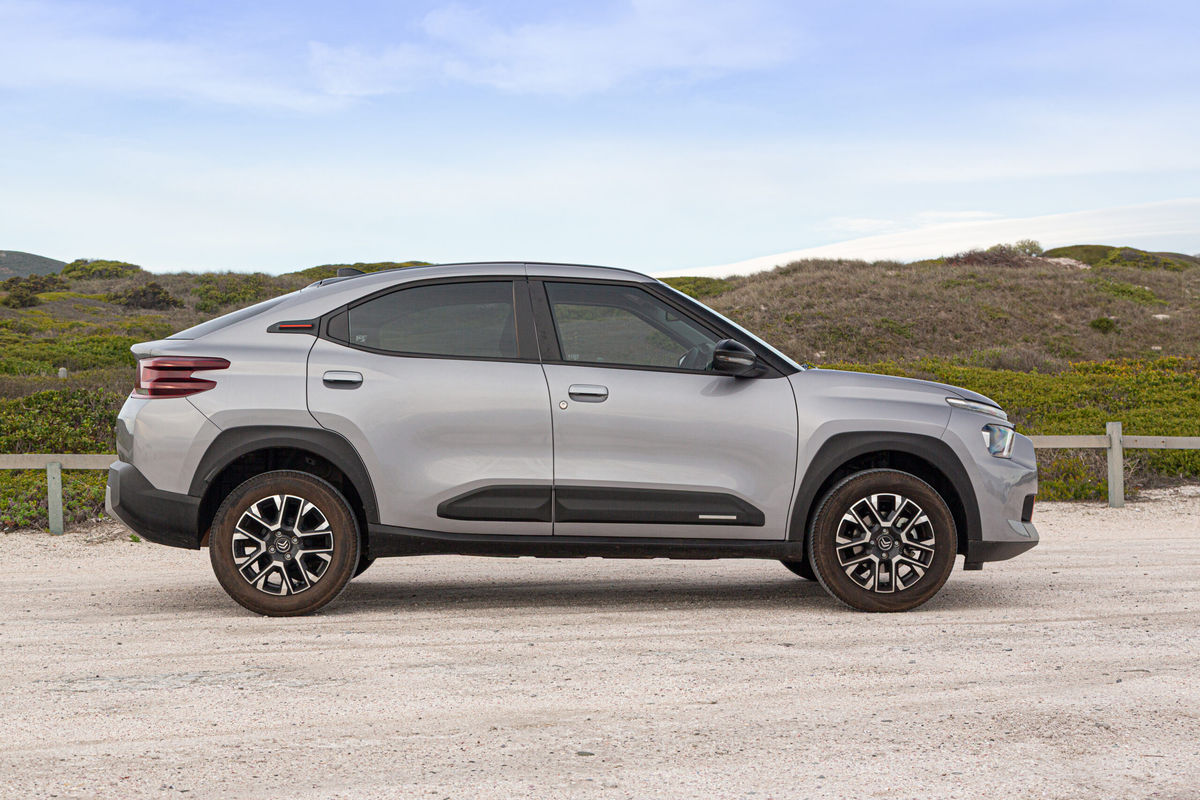
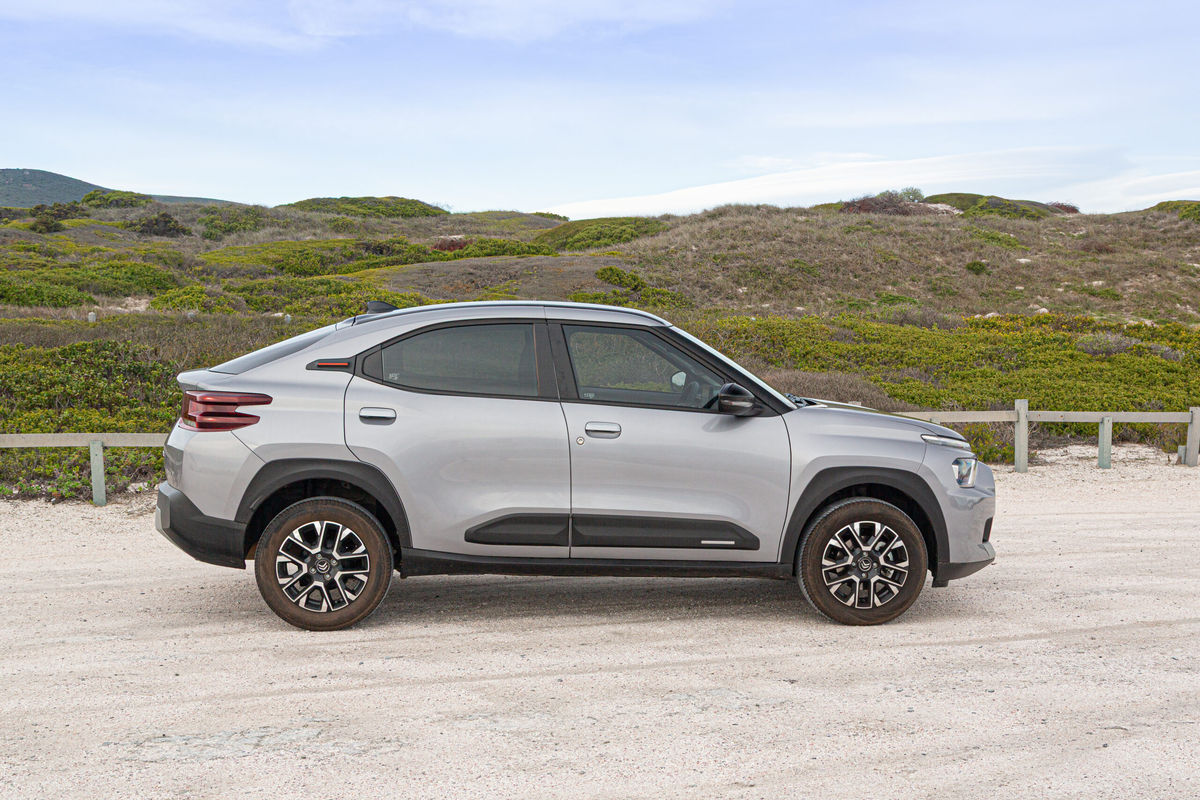
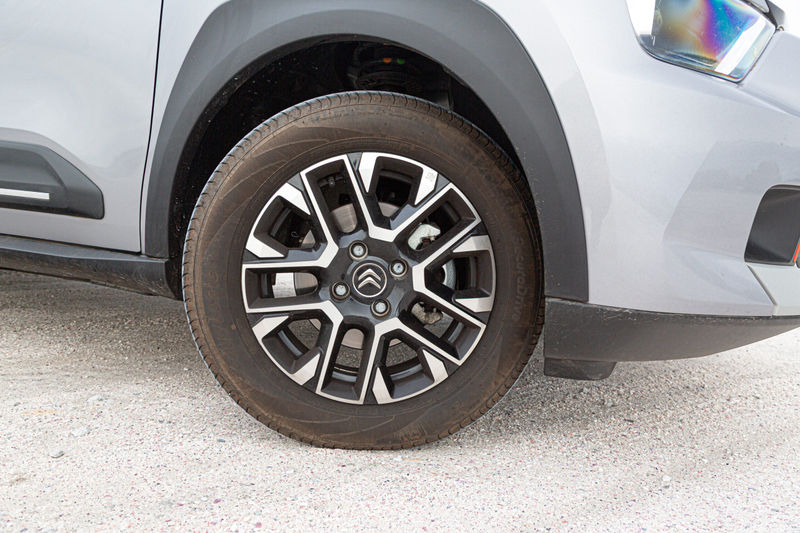
The Basalt retains all the classic Citroen design elements, like split headlights, but here in a liftback crossover package. We do wish the car had larger wheels … the standard 16-inch units look too small for the arches.
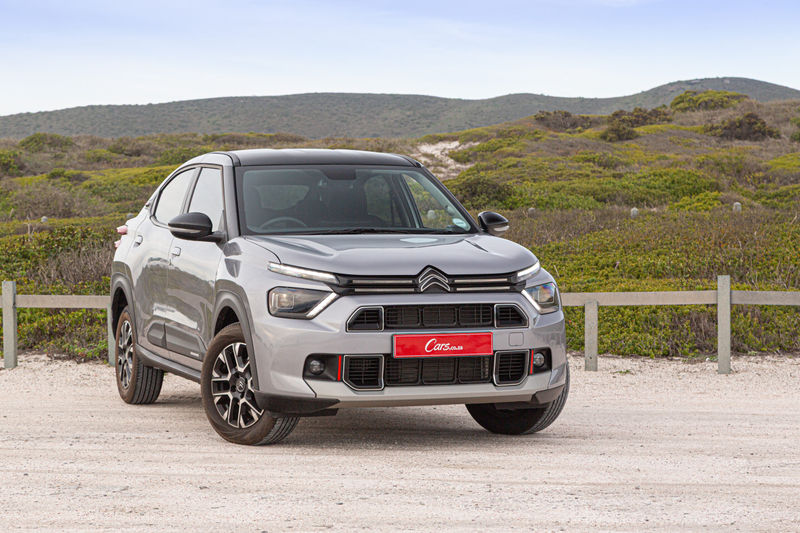
Granted, the sporty-coupe SUV aesthetic is as niche as they come. If you don’t believe us, take a look at how many Volkswagen Taigos are sold in comparison to the standard T-Cross, or BMW X2 versus X1 sales…
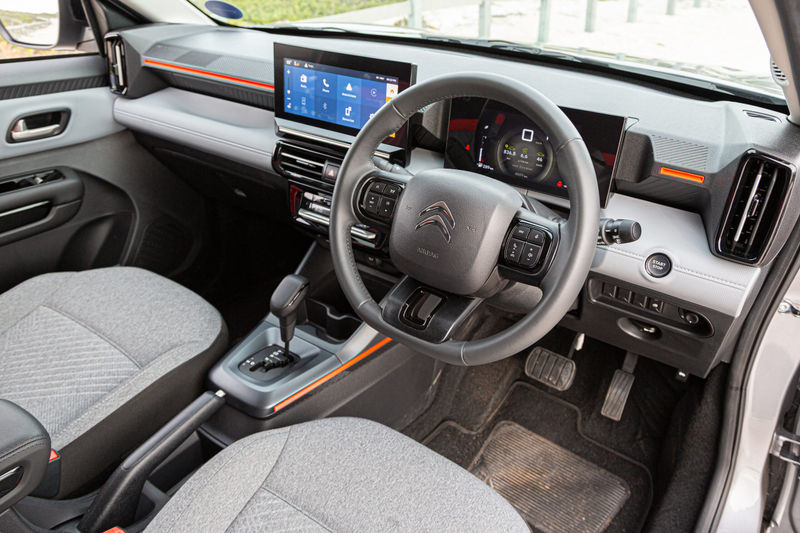
There are two derivatives on offer – Plus and Max – with the latter being the subject of this assessment. For the price difference of R15 000, you get a fin-shaped radio aerial, leather-wrapped steering wheel, boot light, 2 additional tweeters for the audio system, electrochromatic rear-view mirror, and reverse camera.
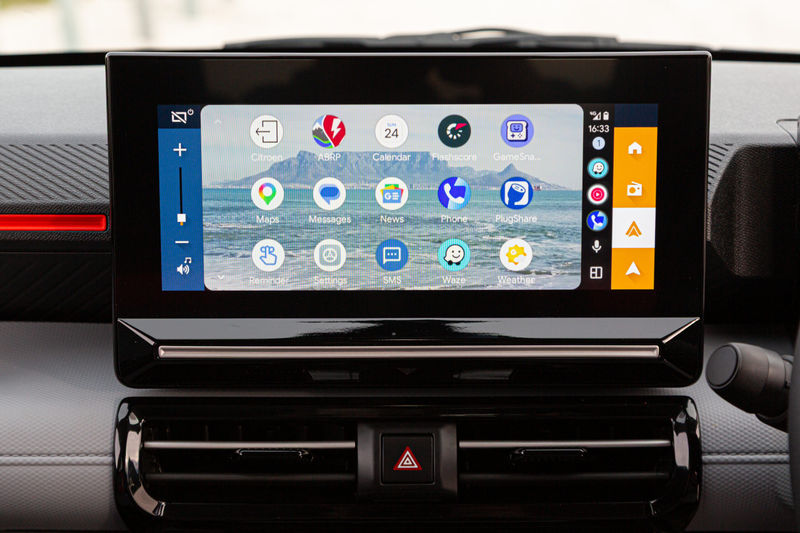
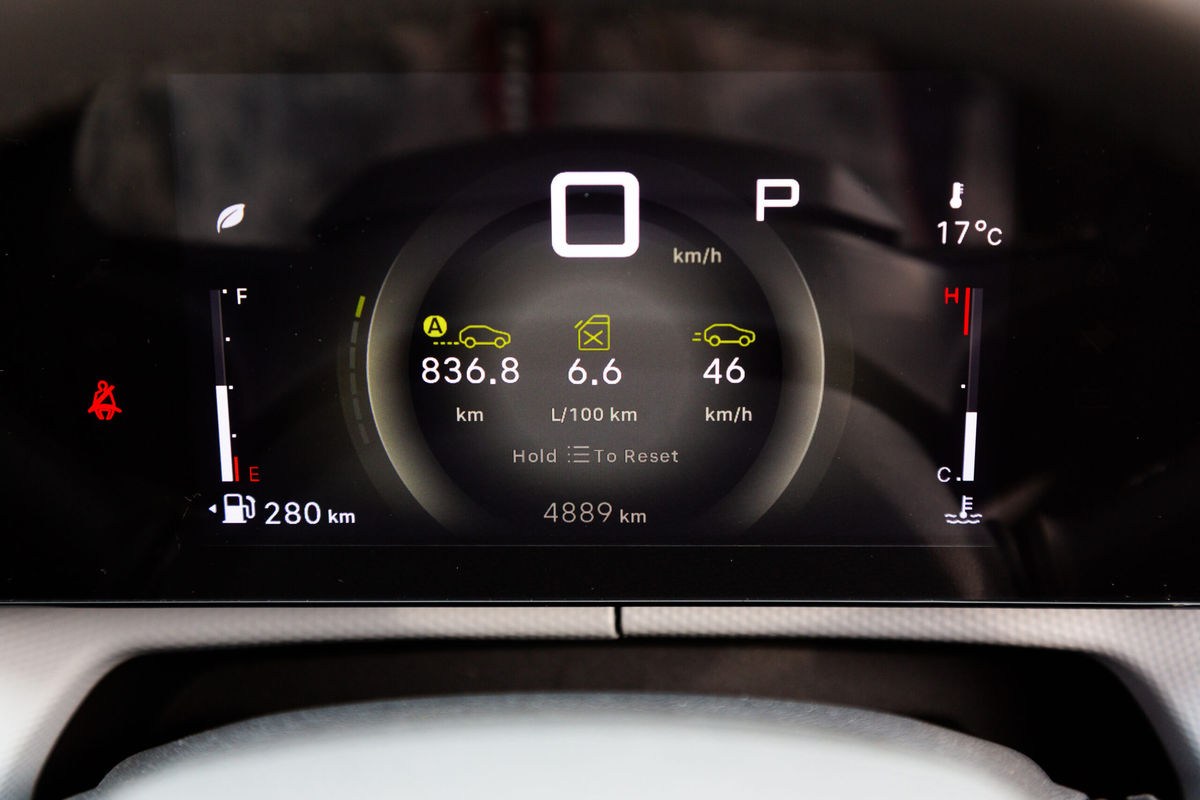
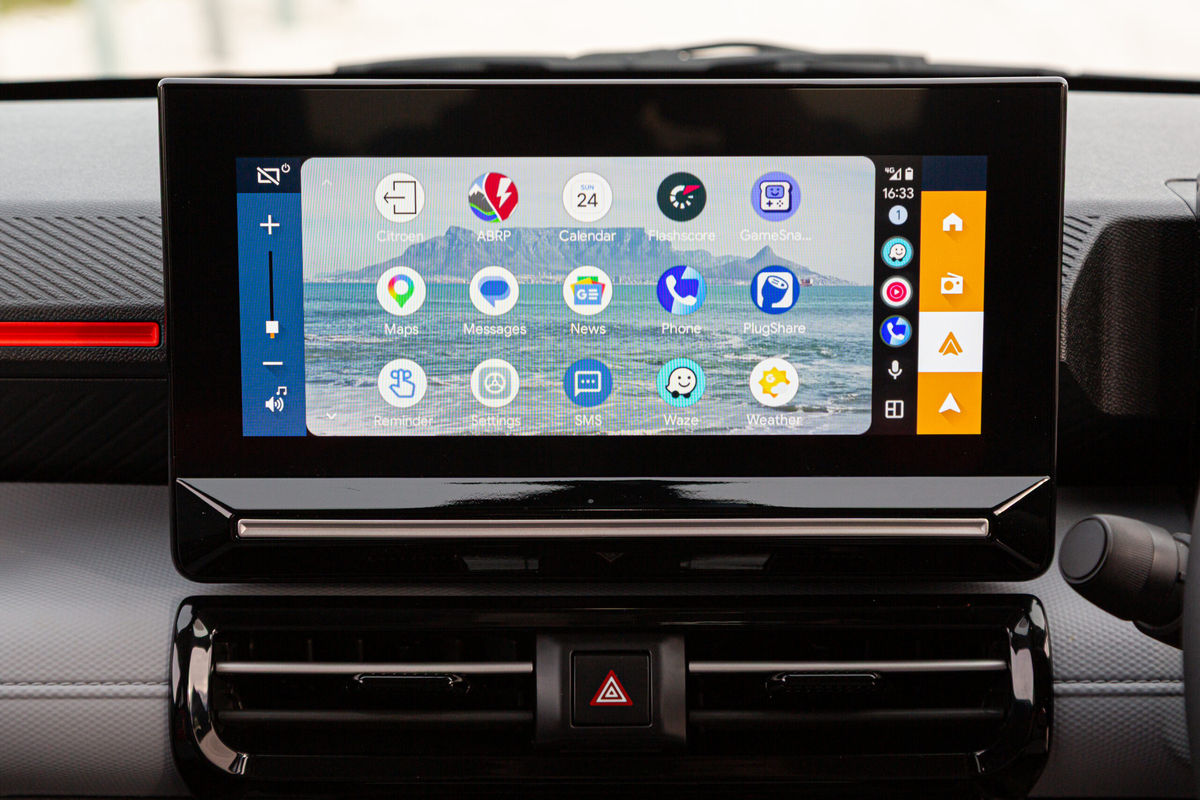
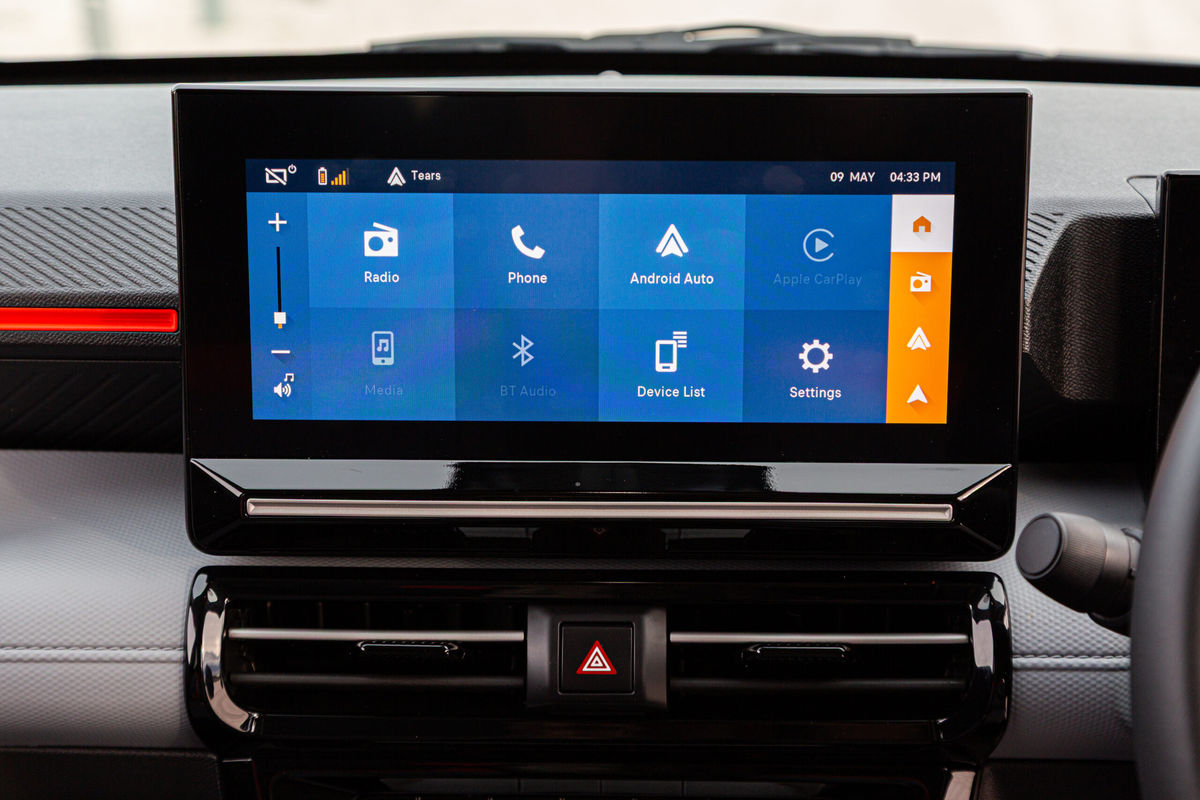
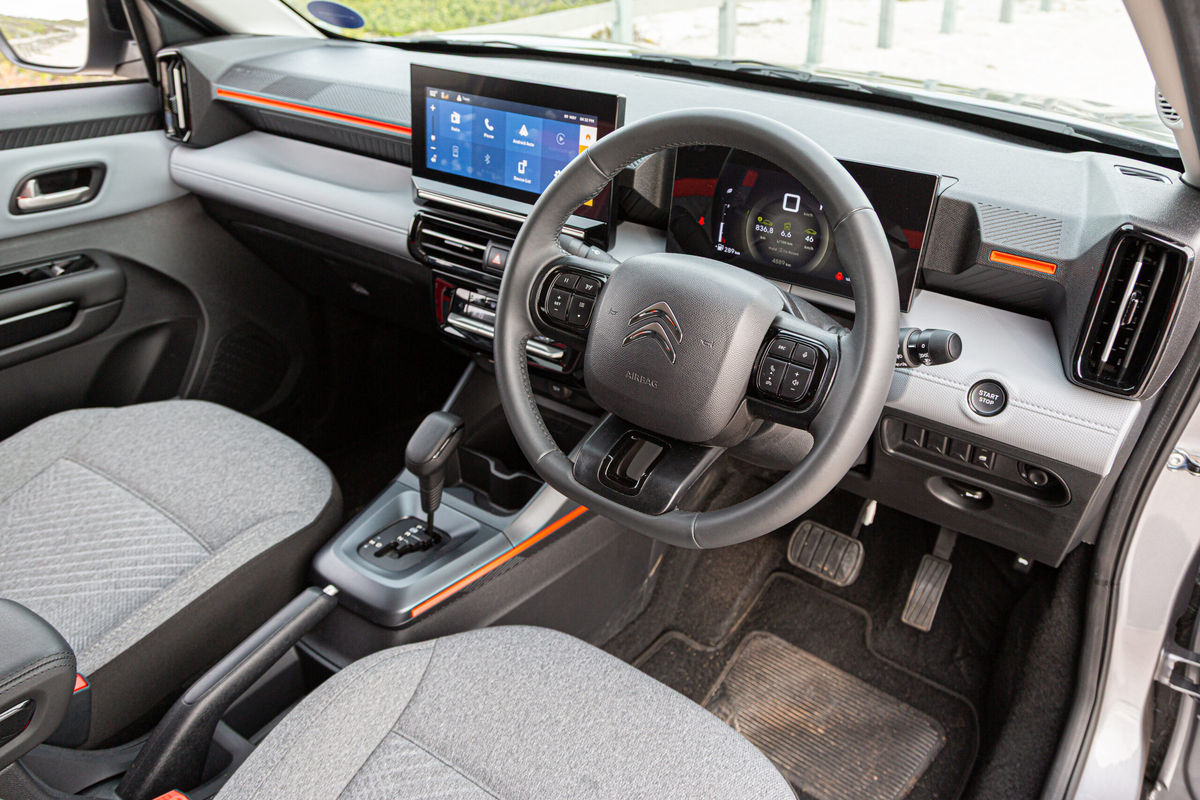
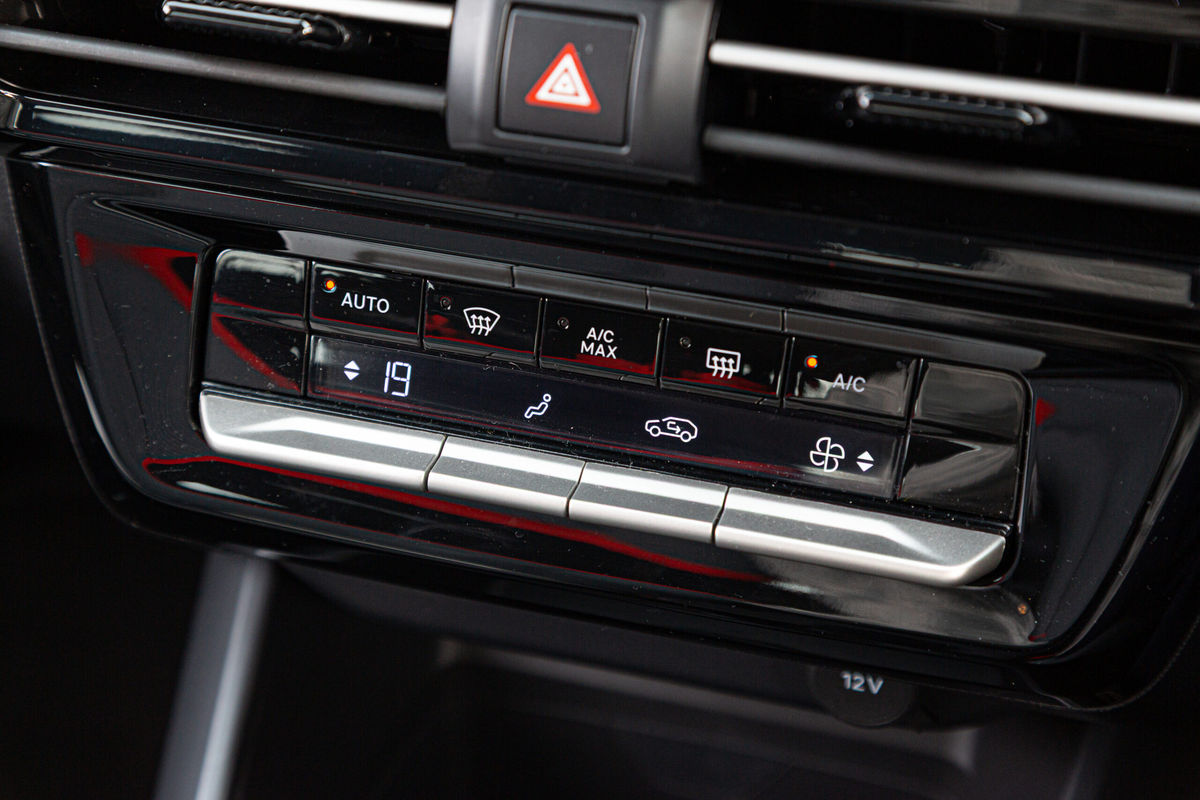
Standard specification is excellent at this price. The 10-inch infotainment system boasts wireless Android Auto/Apple CarPlay via a simple and straightforward interface. No menus within menus; the Basalt’s system is focused on getting the basics right. There’s also a 7-inch digital instrument cluster that contains all the most critical info. Other noteworthy features include keyless entry, push-button start, cruise control, and climate control.
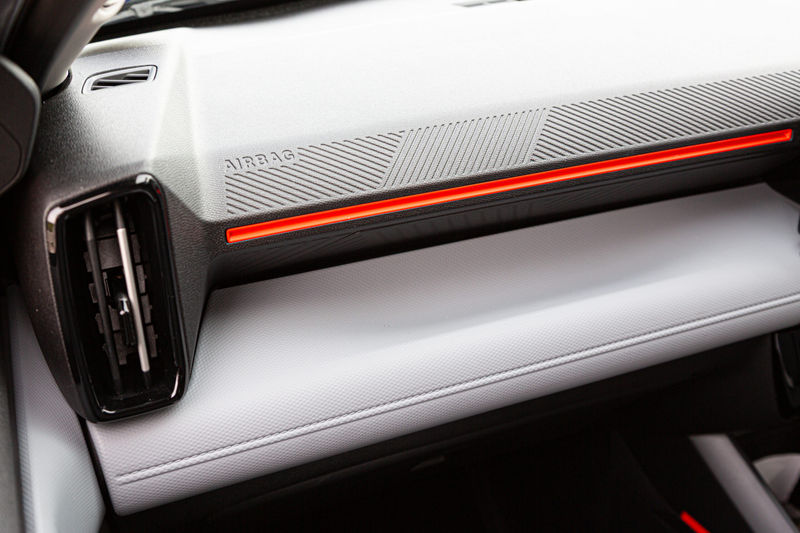
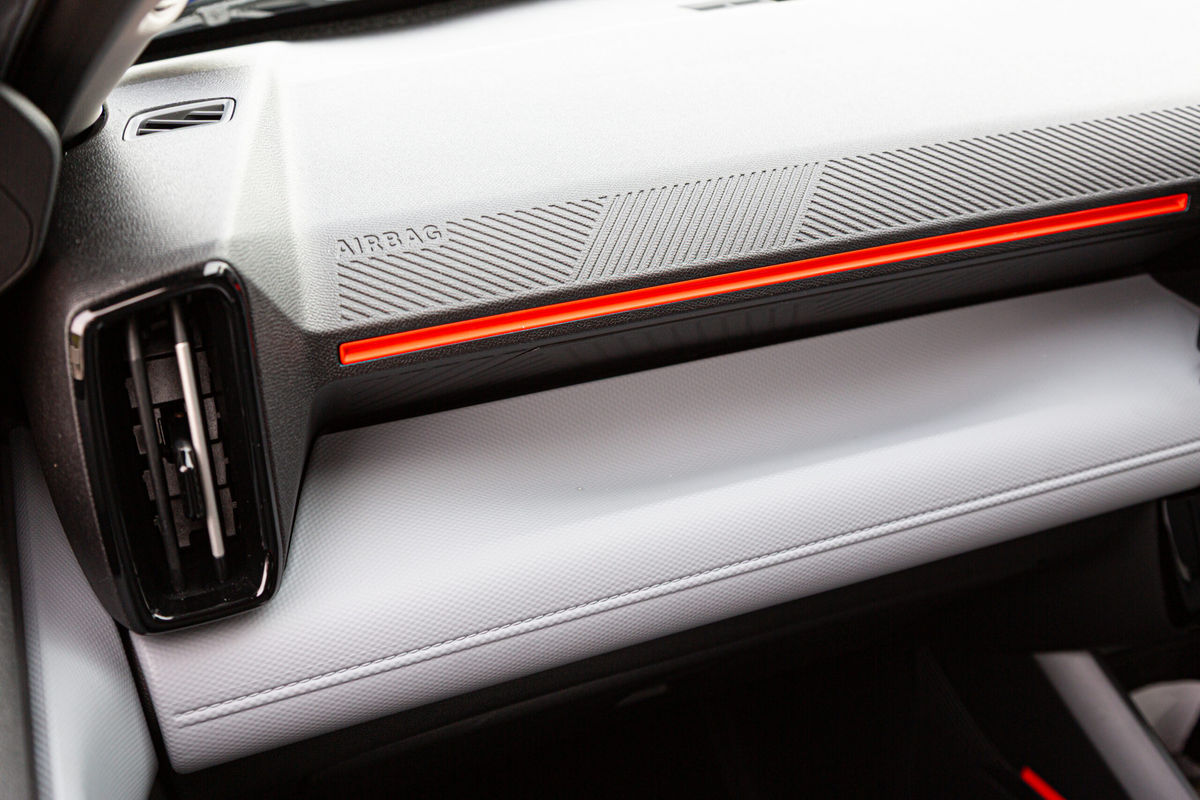
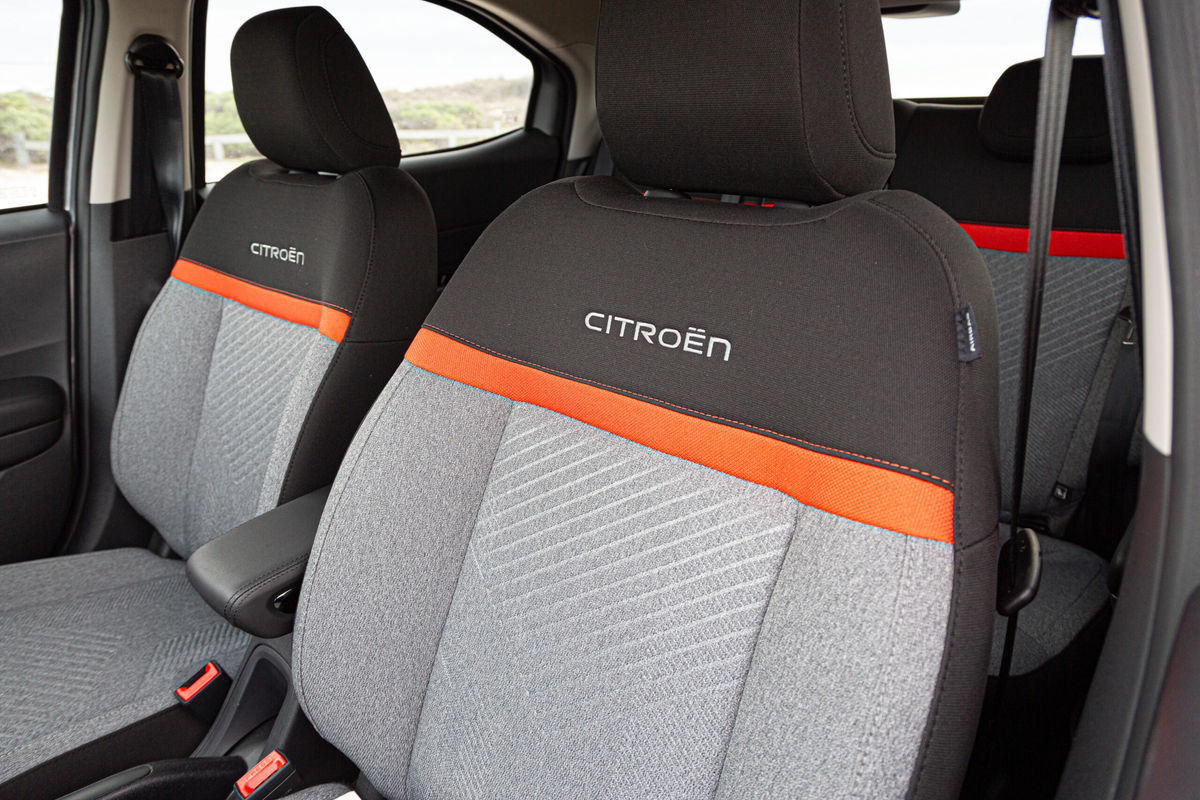
Build quality is a mixed bag. Visually, it’s Citroen at its best: vibrant, non-conformist and easy to use, but the tactile feel of the plastics may disappoint some. That said, the hard plastics should be long lasting and easy to clean.
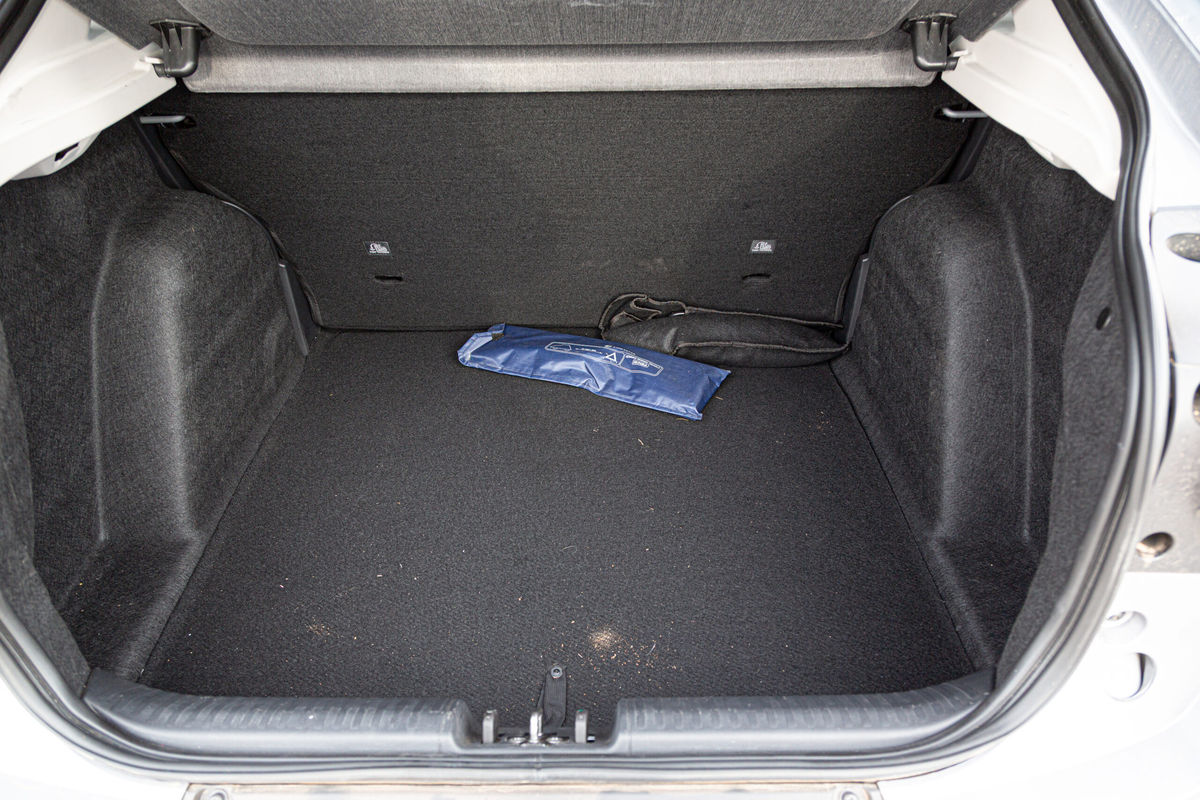
The styling and shape may be interesting, but there’s method to this unorthodox approach. The boot space is easily one of the biggest in the segment. Sitting at a claimed 470 litres, it comfortably outguns most of its rivals.
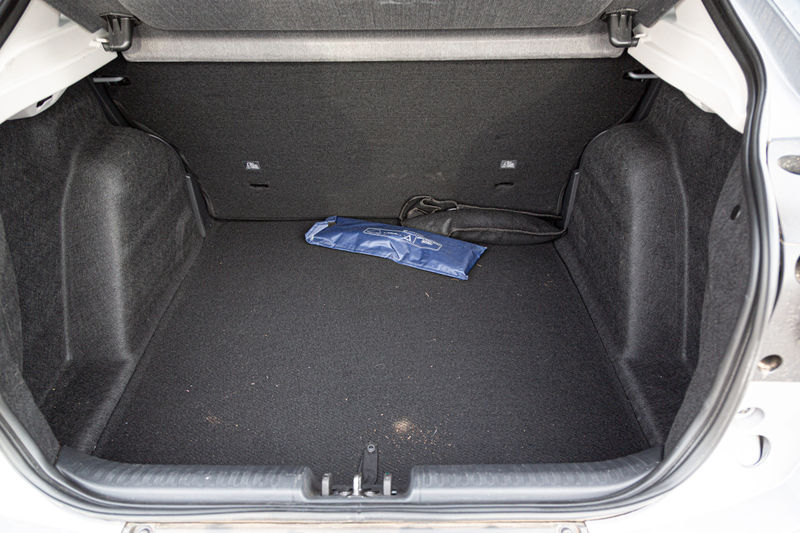
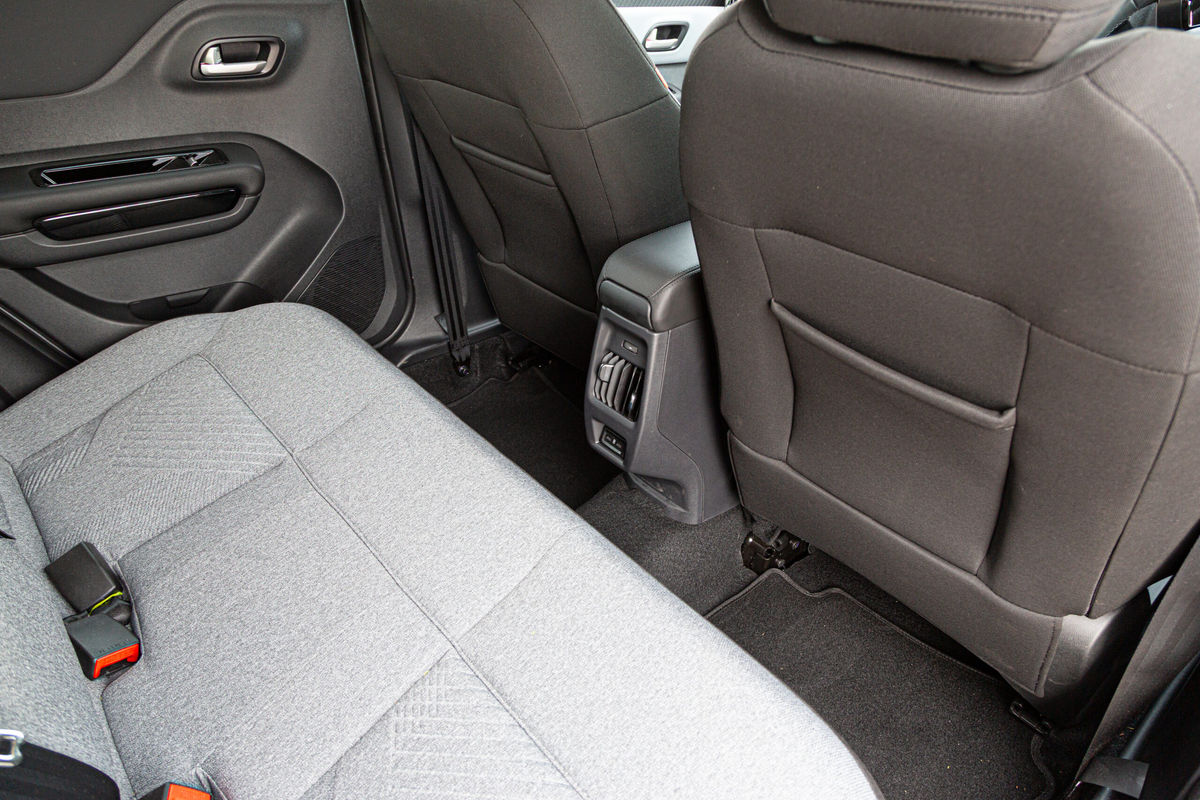
You’d think that such a large boot would impact rear space, but this is not the case. Second-row passengers have adequate leg- and headroom. The addition of USB-C fast-charging ports is useful, and given the slow-charging USB-A at the front, we found ourselves using a longer cable to access these instead.
Ride, Handling & Safety
The Basalt forms part of Citroen’s developing market strategy, aimed at countries like India (where it’s assembled), South America and South Africa. It’s built on the Stellantis Compact Modular Platform (CMP) and Citroen vehicles have a reputation for on-road comfort. This is also the case for the Basalt. The ride set-up is on the comfier side and the car’s able to absorb the majority of road imperfections.
The compliant arrangement means there is some body roll when executing quicker cornering, but we prefer comfort over sportiness in a crossover. Not everything has to be ‘dynamic’ and we’re certain many customers just want to get from A-B without much theatrics, engagement or drama.
The steering set-up is pleasantly light and reassuringly direct. Those tight parking spots will be effortless to fill. Seating comfort is generally fair, but the seats themselves feel quite square in shape and lack side support during cornering.
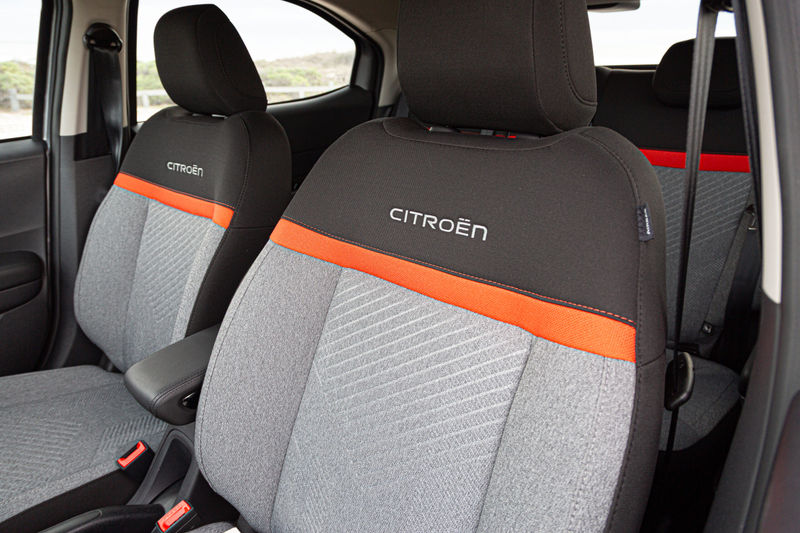
There’s a useful 180 mm of ground clearance, which serves 2 purposes: getting in is easier, plus the reassurance of some degree of gravel travel being possible.
In terms of safety features, the Basalt has 6 airbags, stability control, tyre pressure monitoring and anti-lock brakes. It scored 4 stars in India’s Bharat NCAP.
Performance & Efficiency
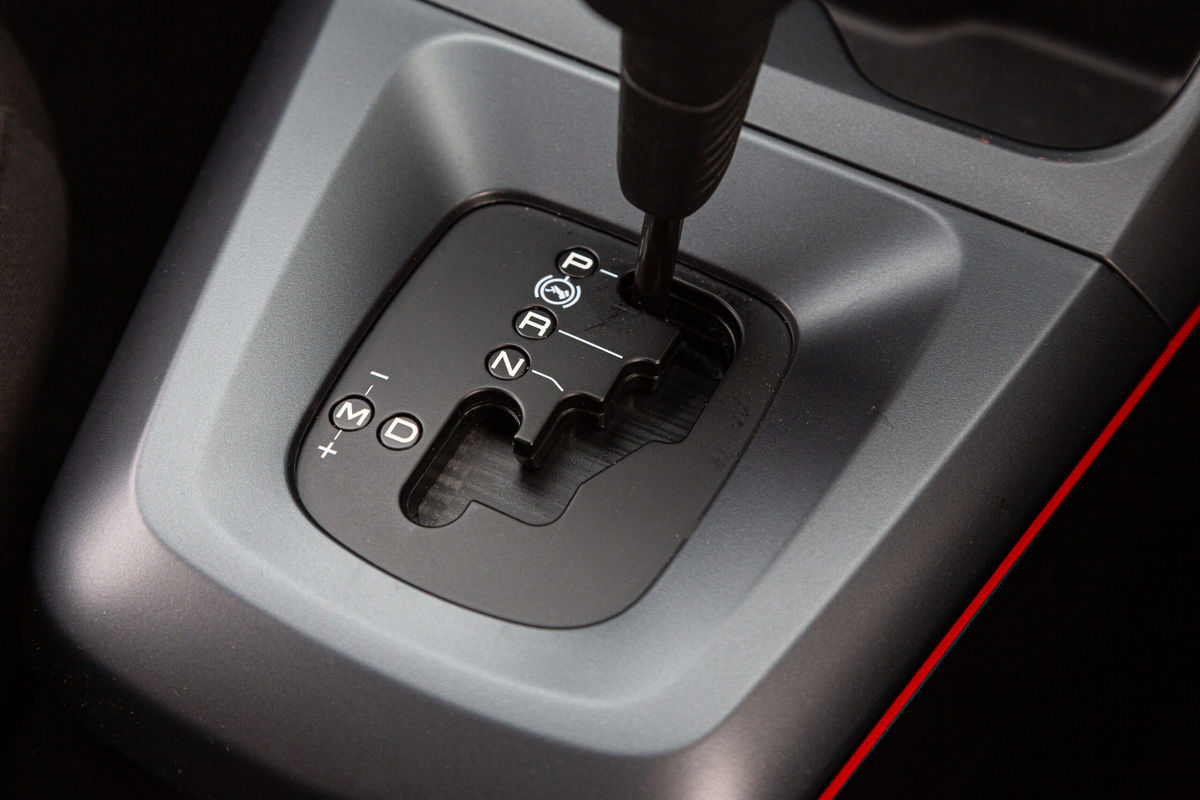
The engine is one of the Stellantis Group’s stalwarts and has been around for some time. In this application, the 1.2-litre turbocharged 3-cylinder petrol PureTech makes 81 kW and 205 Nm. It is front-wheel driven and features a 6-speed automatic transmission.
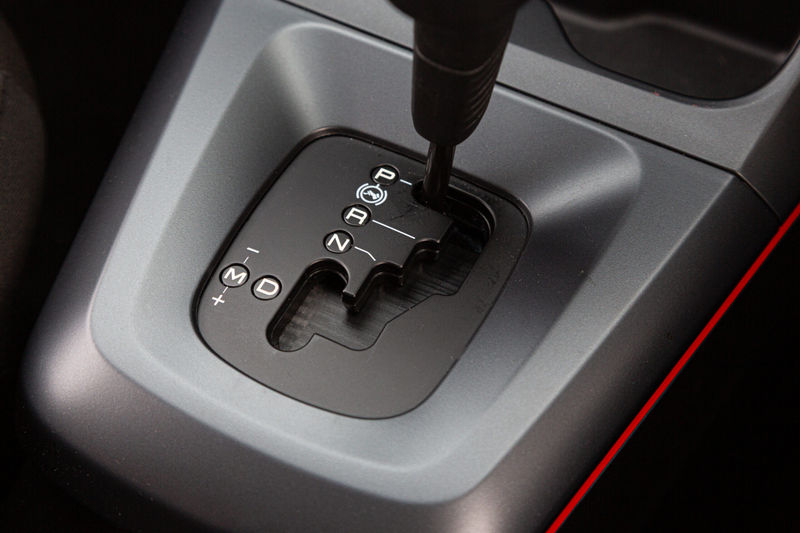
Those outputs make the Basalt one of the more powerful options in the segment, comfortably outgunning naturally aspirated rivals like the Suzuki Across both in terms of overtaking capabilities and standing-start acceleration. There’s no 0-100 kph claim, but our testing recorded 11.05 seconds. However, the vehicle feels quicker than it actually is, showing minimal hesitation to get up and go.
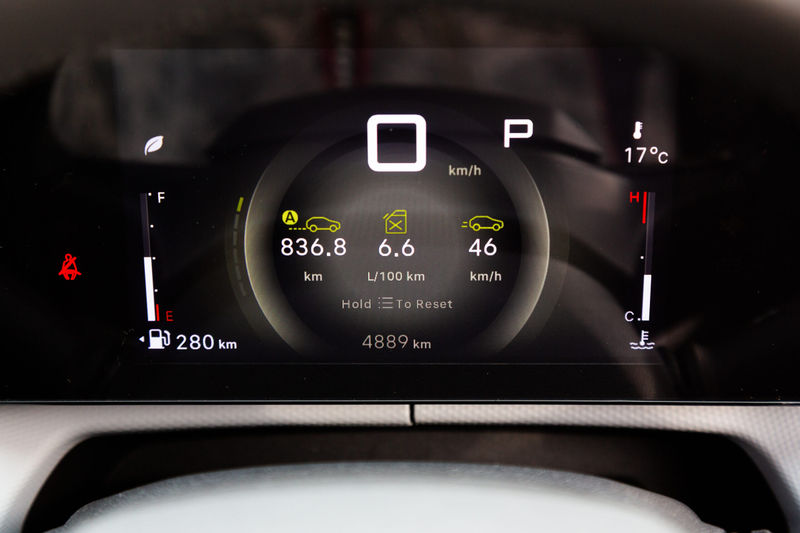
Now, punchy turbocharged petrol engines may deliver commendable performance, but this can come at the expense of heavier-than-expected fuel consumption. It’s furthermore compounded by farcical economy claims. That’s not the case with the Basalt. Its claim of 6.3 L/100 km was met with an impressive 6.6-6.9 L/100 km in the real world.
As 3-pot engines have an odd number of cylinders, they’re inherently unbalanced. This is made obvious by a distinct engine note (usually not unappealing) and vibration. In some higher-end 3-cylinder vehicles like a BMW 118, there’s additional noise- and vibration-deadening in an effort to smooth things out. In the case of the much cheaper Citroen, you get what you pay for. Is it a deal breaker? No, we don’t think so.
Citroen Basalt 1.2T 6AT Price & After-sales support
The Basalt is sold with a 5-year/100 000 km warranty and a 4-year/60 000 km service plan (with intervals of 15 000 km).
| Basalt 1.2T Plus 6AT | R354 900 |
| Basalt 1.2T Max 6AT | R369 900 |
Verdict
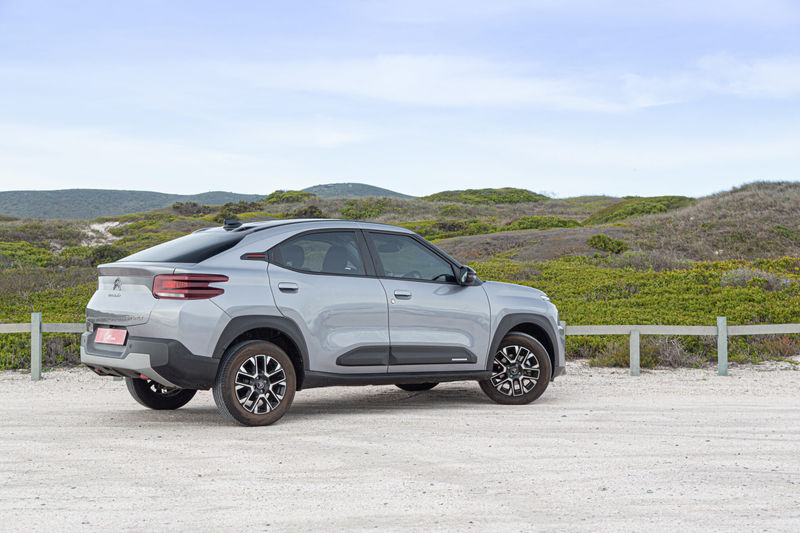
We’ll confess that we started our test experience with low expectations, but after 2 weeks, the Basalt proved considerably better than expected. A pleasant surprise, if you will.
Genuine value for money is a rare commodity in these cash-strapped days. Yes, brands from the East have carved out a serious niche for themselves, offering huge value, but even they struggle to match the honesty, performance and efficiency of the Basalt.
Should you buy one? If you’re happy to take the risk on Citroen’s so-so reputation and can get an even better deal, then it’s unlikely you will be disappointed.
Want to purchase a new or used Citroen? Browse vehicles for sale
All the latest Citroen news and reviews
Frequently Asked Questions
How much does the Citroën Basalt cost in South Africa?
As of May 2026, the Citroën Basalt pricing starts at R354 900 for the 1.2T Plus derivative and R369 900 for the top-spec 1.2T Max model.
What engine is used in the SA-spec Citroën Basalt?
The Basalt is powered by a 1.2-litre turbocharged 3-cylinder petrol engine producing 81 kW and 205 Nm, paired exclusively with a 6-speed automatic transmission.
What is the fuel consumption of the Citroën Basalt?
The Citroën Basalt has a claimed combined fuel consumption of 6.3 litres per 100km , offering a theoretical range of over 700 km from its 45-litre tank.
Does the Citroën Basalt have a good safety rating?
Standard safety features across the range include 6 airbags , Electronic Stability Control (ESC), ABS with EBD, ISOFIX child seat anchors, and tyre-pressure monitoring.
What warranty and service plan is included?
The Basalt comes with a 5-year/100 000 km warranty and a 4-year/60 000 km service plan as standard in South Africa.