It’s not often that one can say that a R1-million-plus vehicle represents “excellent value for money”, but in the case of the updated Hyundai Palisade, that statement rings true.
We like: Spaciousness, build quality, infotainment and safety tech, value for money
We don’t like: Some may find it a little underpowered, comparatively low tow rating
FAST FACTS
- Model: Hyundai Palisade 2.2D 4WD Elite 8-Seater
- Price: R1 099 000 (Apr 2023)
- Engine: 2.2-litre 4-cylinder turbodiesel
- Power/Torque: 142 kW/440 Nm
- Transmission: 8-speed automatic
- 0-100kph: 10.5 sec (claimed)
- Fuel consumption: 8.2 L/100 km (claimed)
- Luggage/Utility space: 509/1 297/2 447 litres
Serious about buying/selling?
Some dealerships regularly offer great deals. See our New Car Specials!
Looking to sell your car? Sell it on Cars.co.za for free
What’s new about the 2023 Hyundai Palisade?
When the Palisade arrived in South Africa about 2 years ago, a few detractors remarked that a Hyundai with a price tag in excess of R1 million had “little to no chance of succeeding” in our market. Whether it has “succeeded”, or not, is debatable – Hyundai Automotive SA has sold just over 250 units of the model to date, but given the recent arrival of the facelifted version, it seems that the Palisade is here to stay.
The 2023 Hyundai Palisade is only slightly pricier than the pre-facelift model but sports an extensively revised cabin loaded with the latest tech, as well as fresher exterior styling. Therefore, the model is now arguably better priced than before and could make a bigger dent in the market. But where does it fit in?
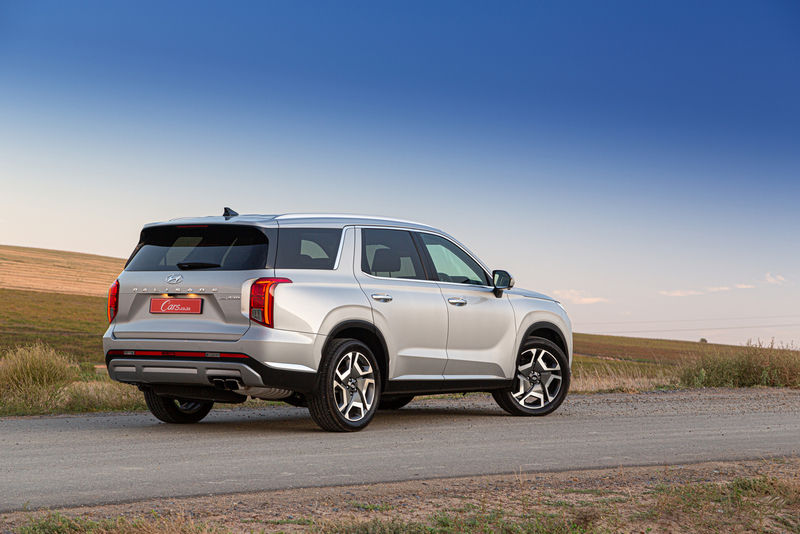
What we have here is essentially a large family car disguised as an SUV. While it does offer a modicum of “off-road” ability, it is not really a 4×4 in the mould of a Ford Everest or Toyota Land Cruiser Prado , which are similarly priced. No, the unibodied Palisade (as opposed to the Toyota and Ford, both of which are based on ladder-frame chassis) is designed for maximum spaciousness, refinement and practicality; plus it’s capable of getting its tyres slightly dirty when required. So, it’s not quite an adventure SUV, then…
Compare the Hyundai Palisade 2.2D 4WD Elite 8-Seater with its rivals from Ford and Toyota
How the 2023 Hyundai Palisade fares in terms of…
Design and Packaging
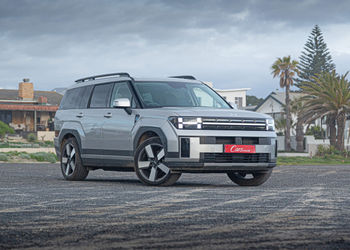
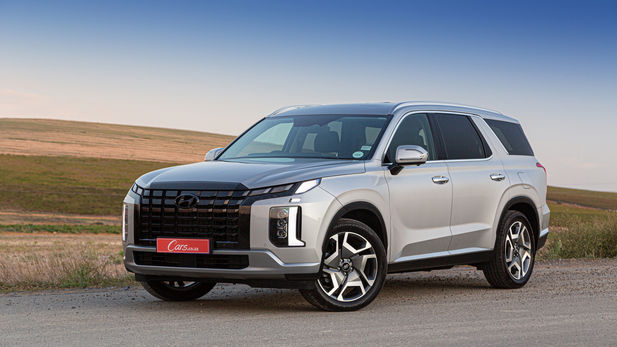
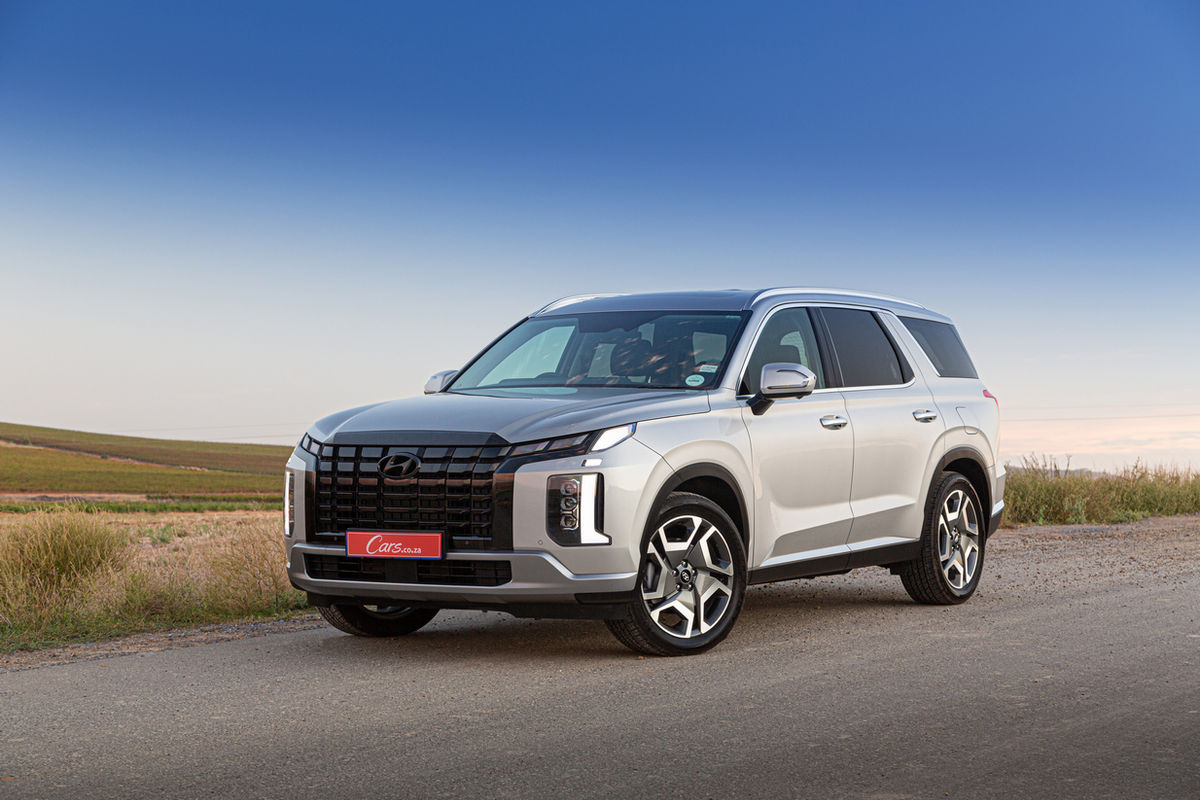
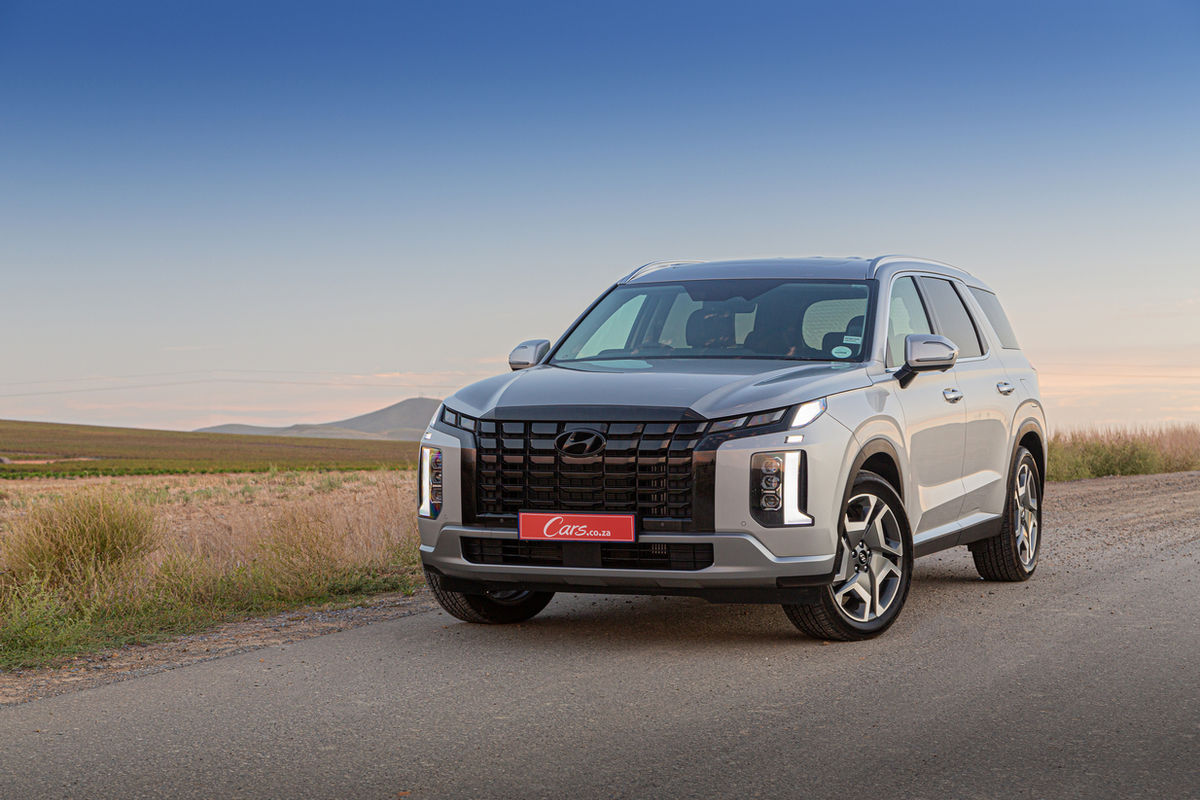
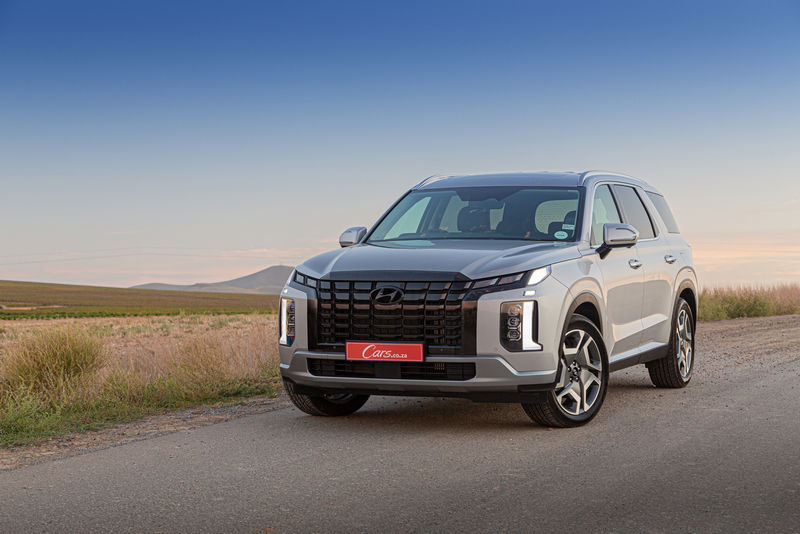
It’s easy to distinguish the facelifted Palisade from its predecessor. Up front, the shapely, chrome-finished grille has made way for a squared-off maw clad in piano black, flanked by vertical arrays of “ice-block” lamps and elongated LED running lights on either side. The updated Palisade certainly has a more commanding presence and drew many favourable comments during the model’s tenure in our test fleet.
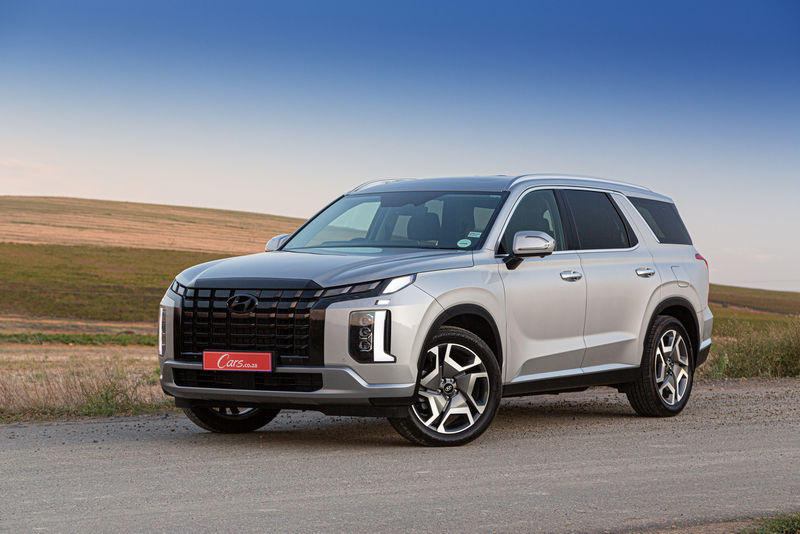
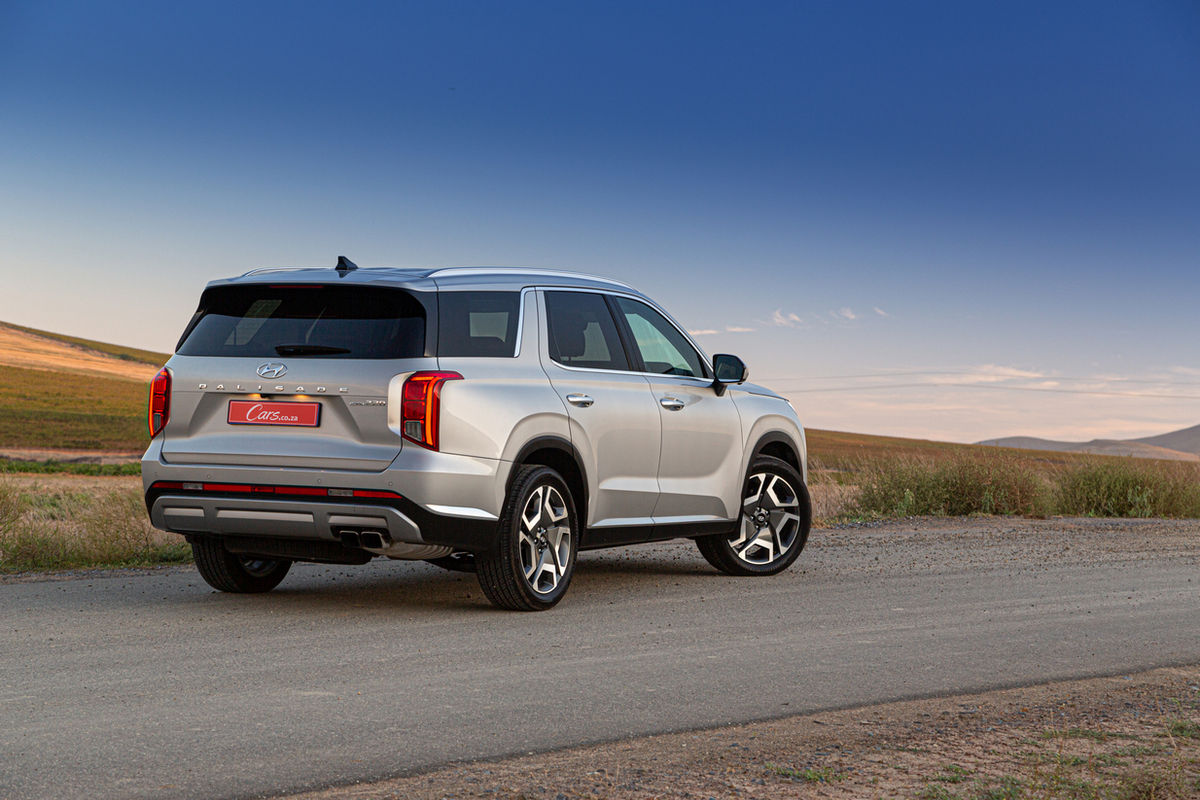
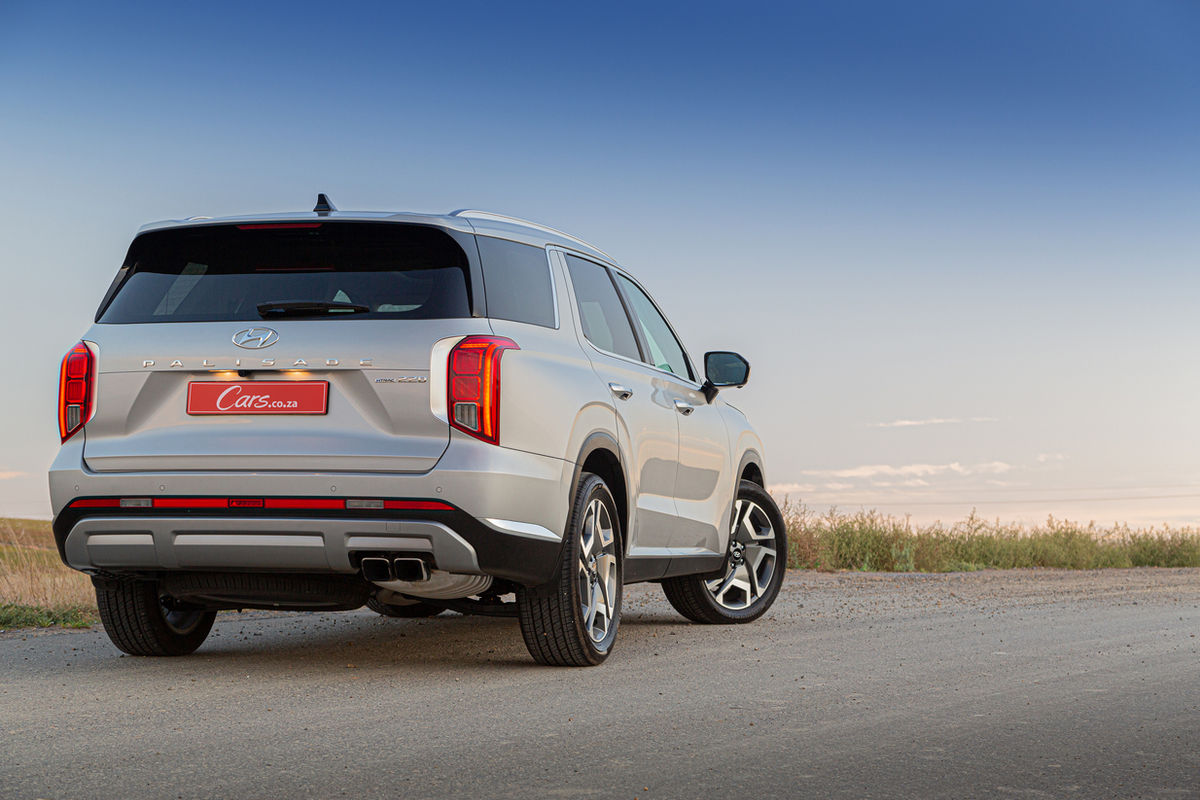
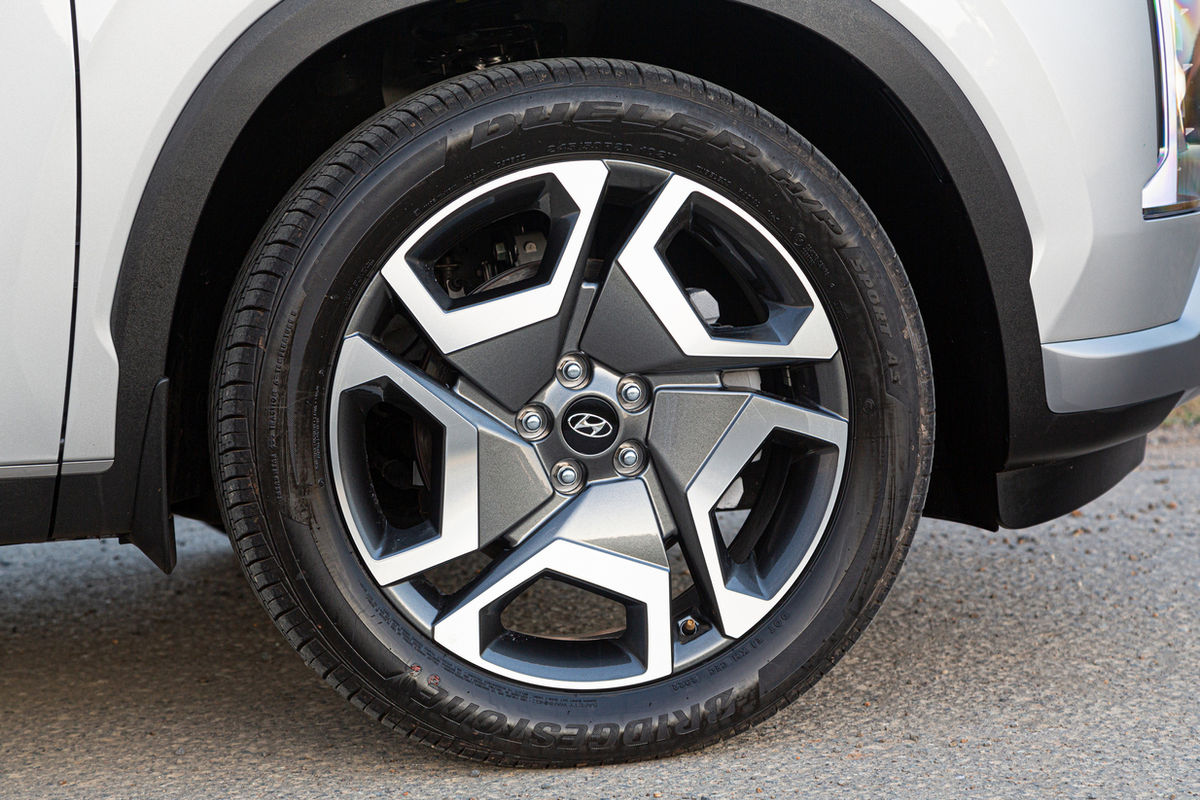
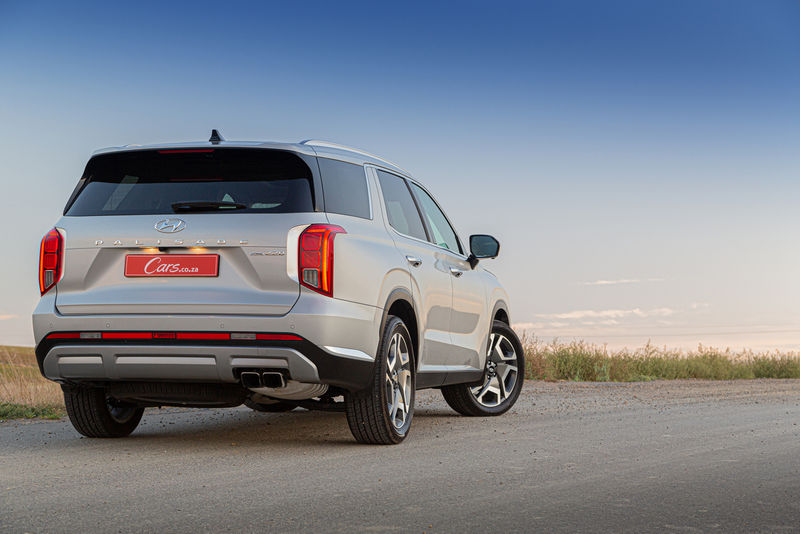
As for the flanks, eagle-eyed observers will notice the revised 20-inch alloy wheels and, perhaps, that the model has grown 15 mm longer. At the rear, changes are minimal; the most notable update is that the tail lamps are more integrated into the flow of the rear bumper (to accentuate the width of the vehicle).
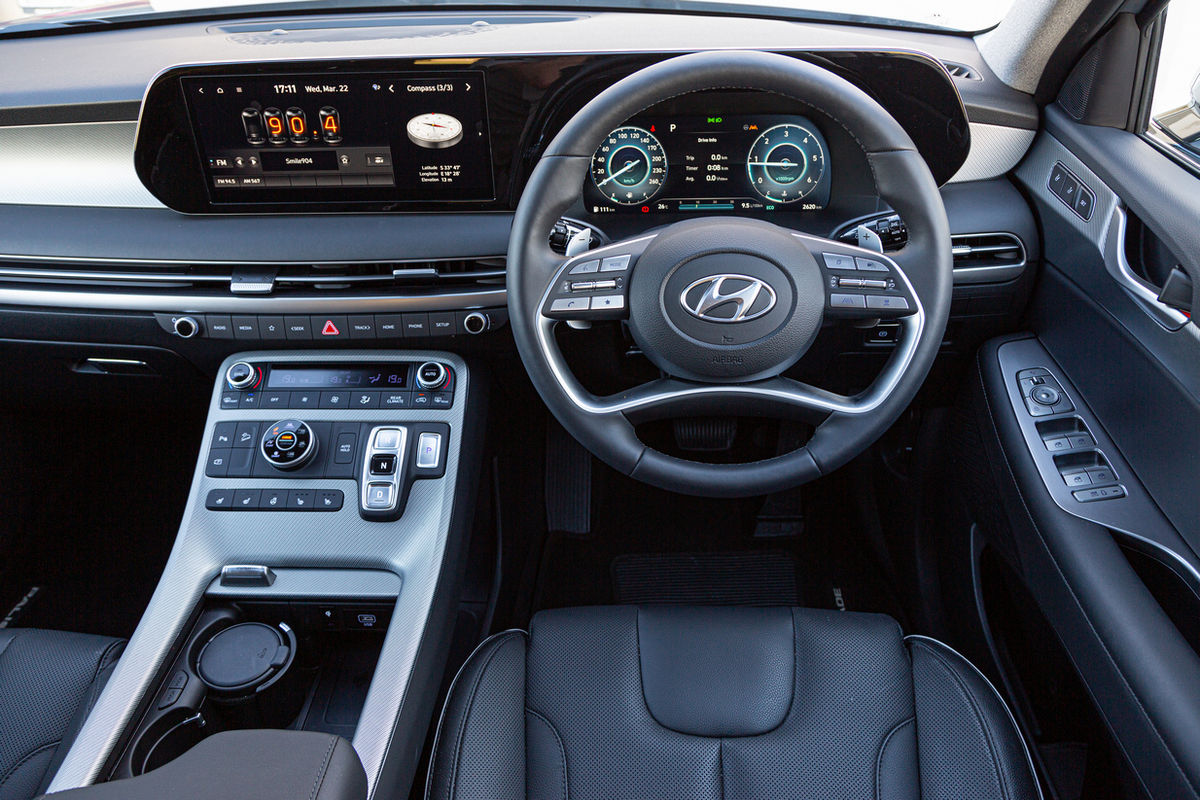
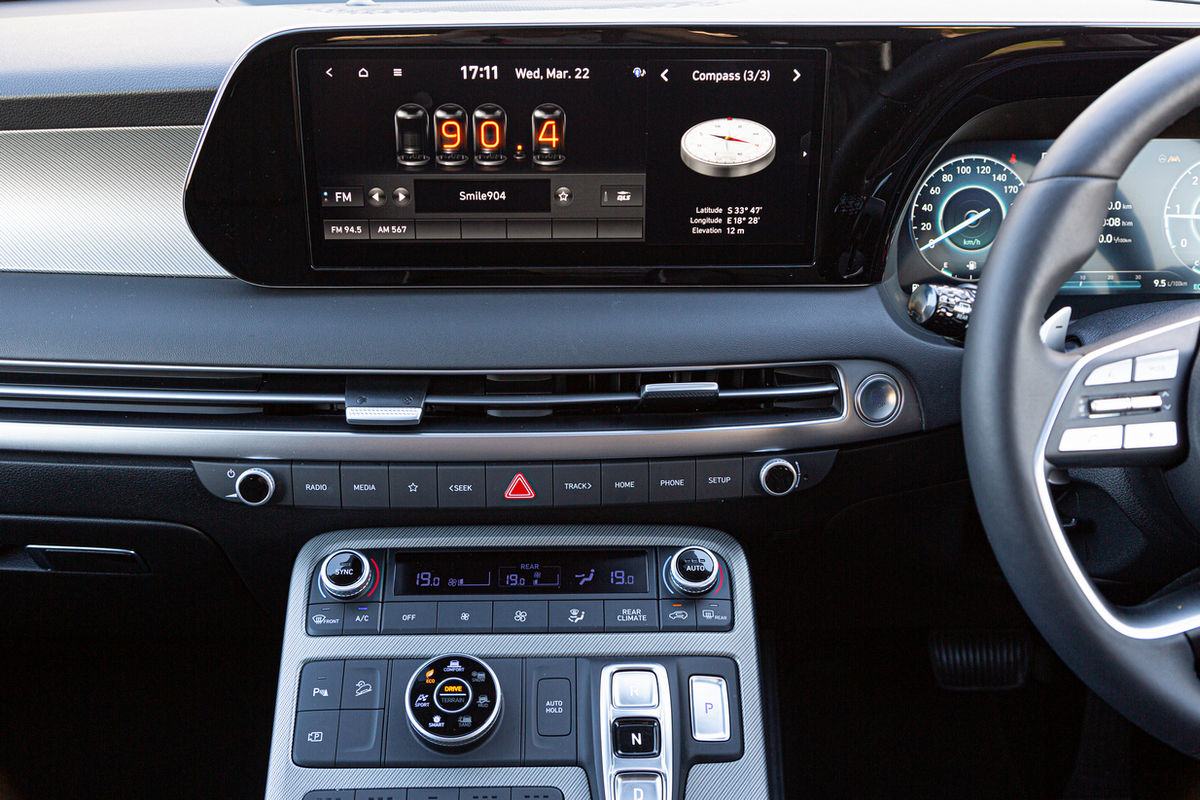
Inside, the most obvious revision is the larger (12-inch) infotainment touchscreen (more on that later). Fit-and-finish is excellent – top-notch materials give the Palisade a cabin ambience worthy of its price tag. We liked the satin silver mesh-like trim on the centre hang-down section and transmission tunnel in particular… It looks classy, doesn’t show dust as easily as piano black, and seems scratch resistant.
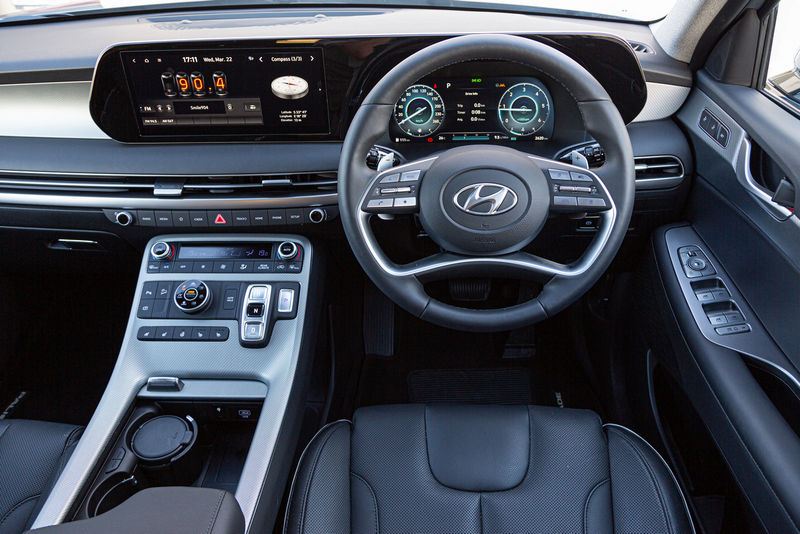
When seated in the cossetting driver’s chair, the elaborate width of the Palisade cabin is immediately apparent – the front passenger seat seems further away from the driver’s than even in the new Everest, for example, which is anything but a narrow vehicle. Overhead, there is a sunroof (not panoramic), and a second sunroof, which is individually operated (from the front), for 2nd-row passengers.
The test vehicle was an 8-seater – with a bench in the 2nd row, as opposed to the pair of captain’s chairs in the 7-seater version (there is no price difference between them). The middle row can, in actual fact, accommodate a trio of 1.8-metre tall adults in comfort, with plenty of knee-, shoulder and head-room for all. It can also slide fore – to increase comfort for those in the 3rd row, or aft – to free up more legroom.
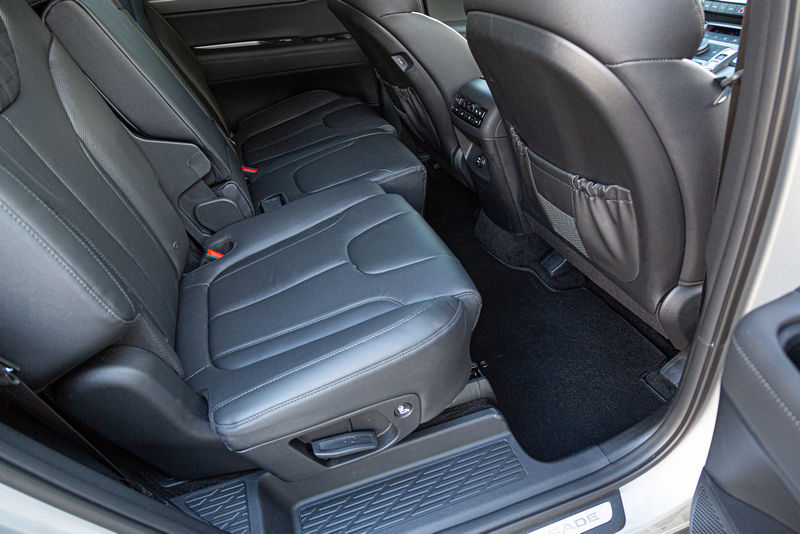
Furthermore, 2nd-row passengers have access to their own climate control system and the seats are heated and ventilated! The rear doors boast two drinks holders each, as well as window blinds. A 12V power outlet is provided and USB-C ports have been integrated into the front seatbacks – very neat!
Folding and sliding the 2nd row forward (to gain entry into the 3rd row) is as easy as pressing a little button. While three safety belts are provided for the occupants of the rearmost row, which can definitely accommodate 3 children or 2 smaller adults, the space is too tight to seat three 1.8-metre adults, for example. Still, the space is impressive and, once again, drinks holders and USB-C outlets are provided.
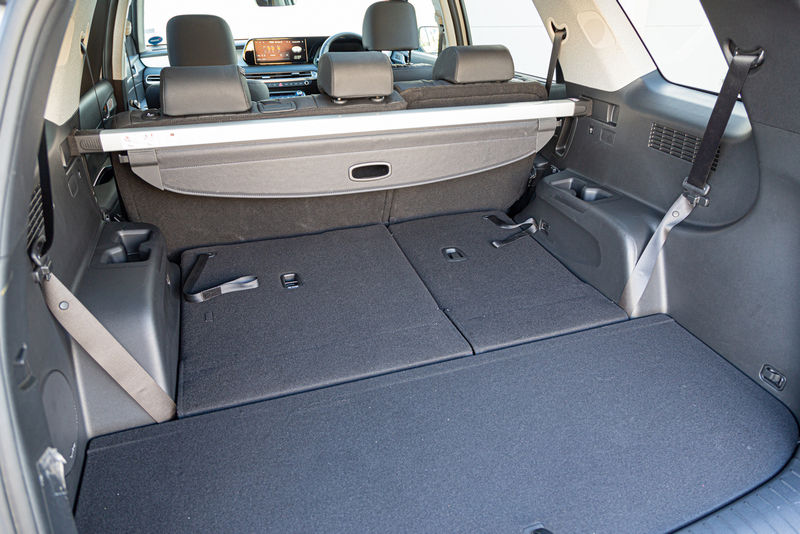
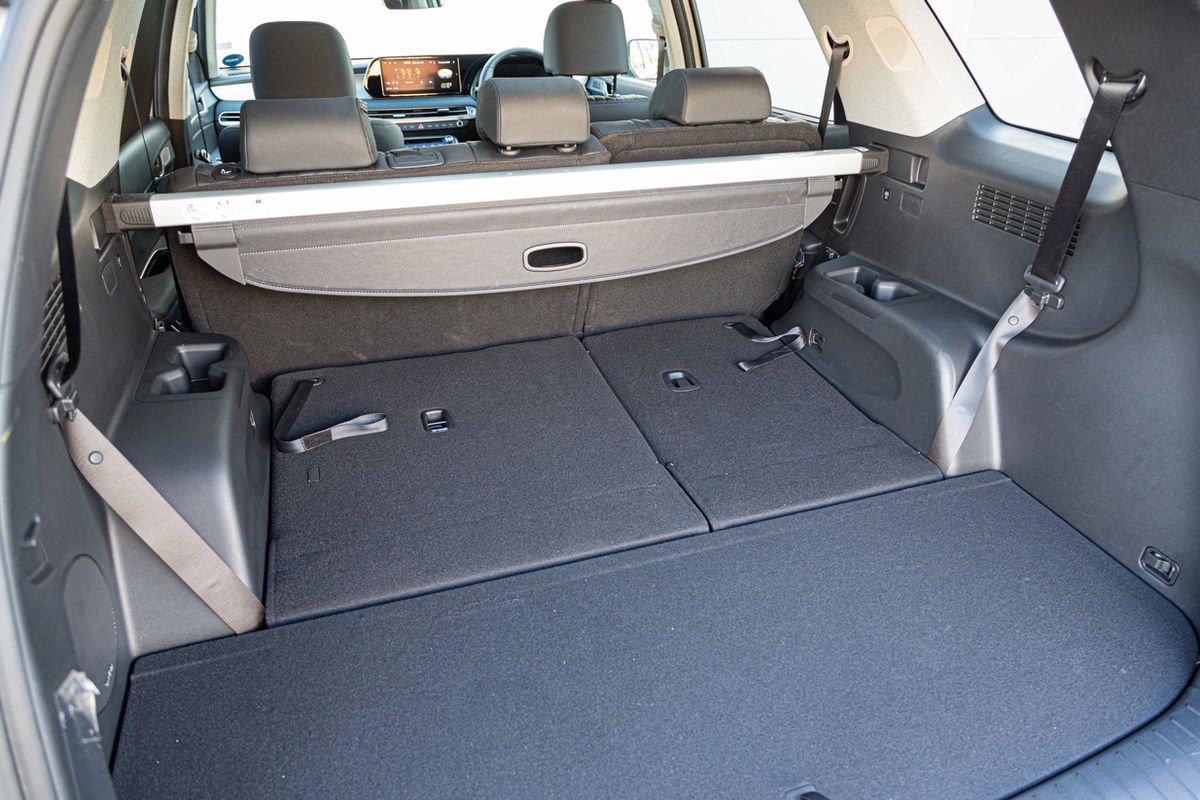
The most impressive aspect of all, perhaps, is that even when all its seats are occupied, the Palisade provides a decent amount of luggage space behind the 3rd row. The boot floor also lifts up to reveal even more packing space for some soft bags (the spare wheel is mounted underneath the vehicle).
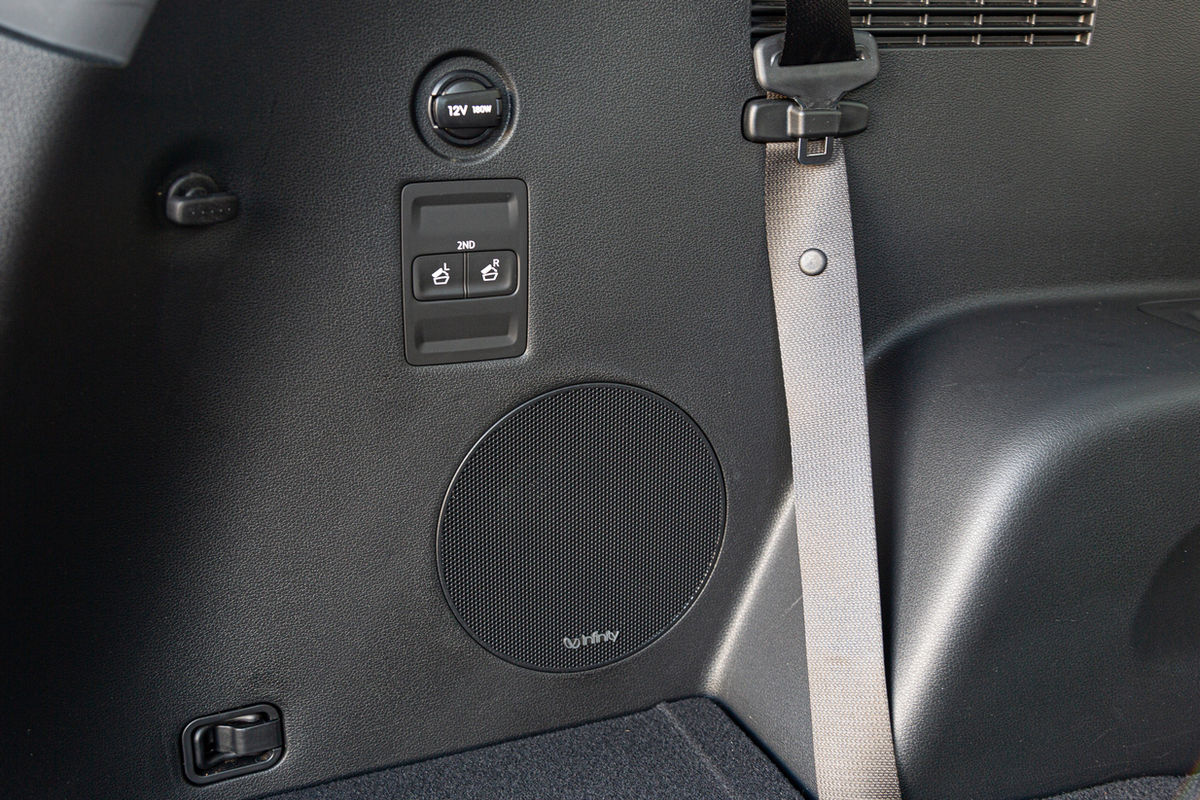
To fold down the rearmost row, all you have to do is pull on the cords on the seatbacks. Suffice it to say, when the 3rd row is folded away, the load bay is nicely square-shaped and positively cavernous. Two buttons (mounted on the side of the load bay) allow you to fold down the 2nd row remotely, and then the space is van-like. We’re confident no other SUV at the price offers as much utility space as the Palisade.
Performance and Efficiency
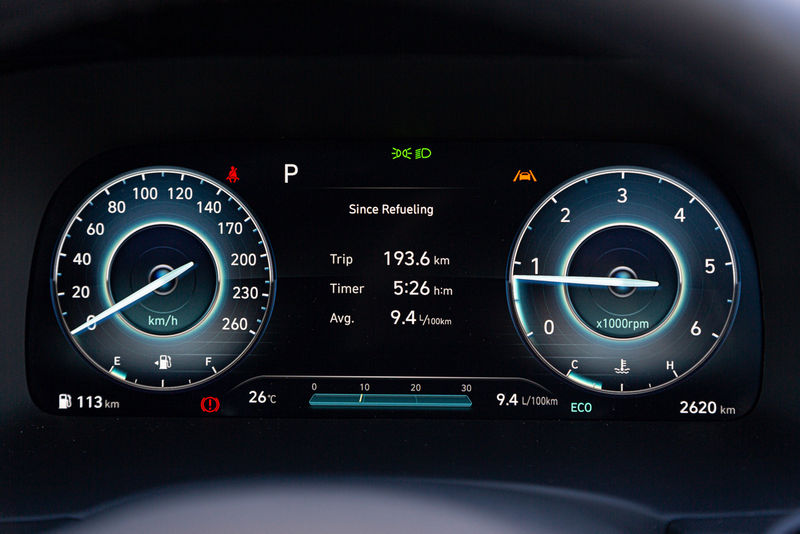
If there is a weak link in the Hyundai Palisade’s armoury, it’s located under the pseudo-SUV’s bonnet. Don’t misunderstand us: there is nothing inherently wrong with the 2.2-litre 4-cylinder turbodiesel, it’s just that the 142kW/440Nm powerplant is outgunned by its major rivals. When you stand outside the vehicle while its engine is running, you’ll also notice that it generates quite an agricultural sound. Inside, however, Hyundai has done an impressive job of stopping that engine noise from entering the cabin.
The gearbox is an 8-speed automatic that does an impressive job of keeping the Palisade in its peak-torque band, so it never really feels underpowered. However, when cruising at near the national speed limit with a full complement of passengers and luggage on board, overtaking manoeuvres require some planning (and sufficiently large gaps). Around town, however, you’re unlikely to find it underpowered.
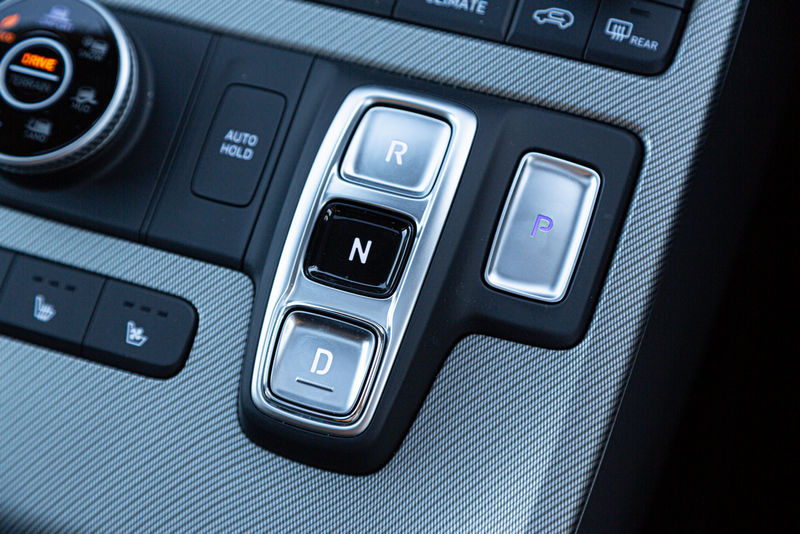
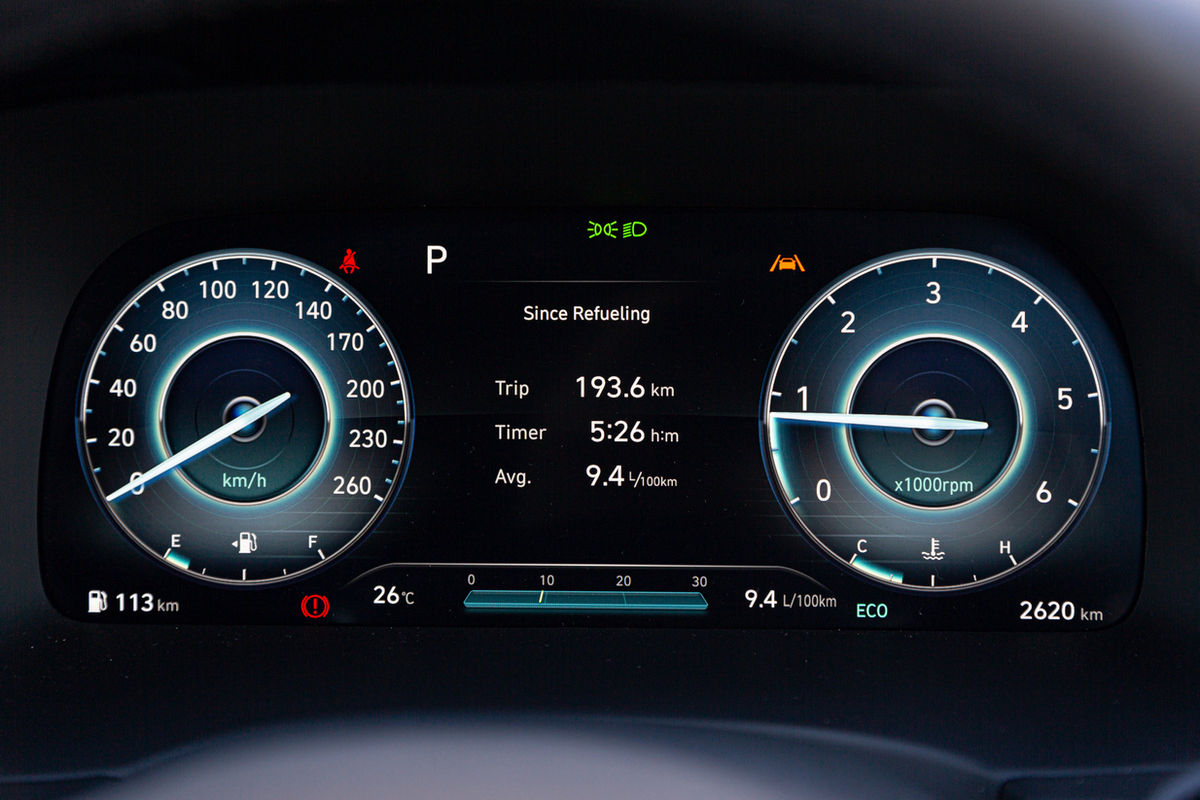
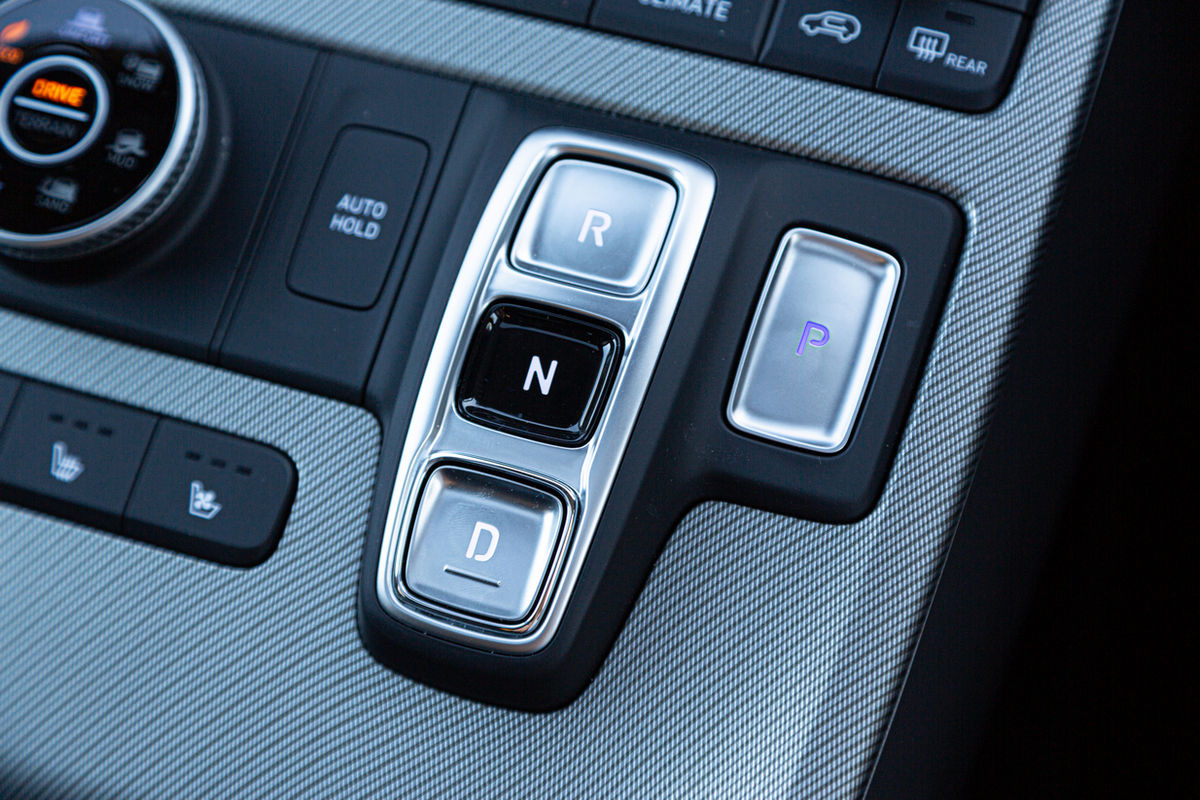
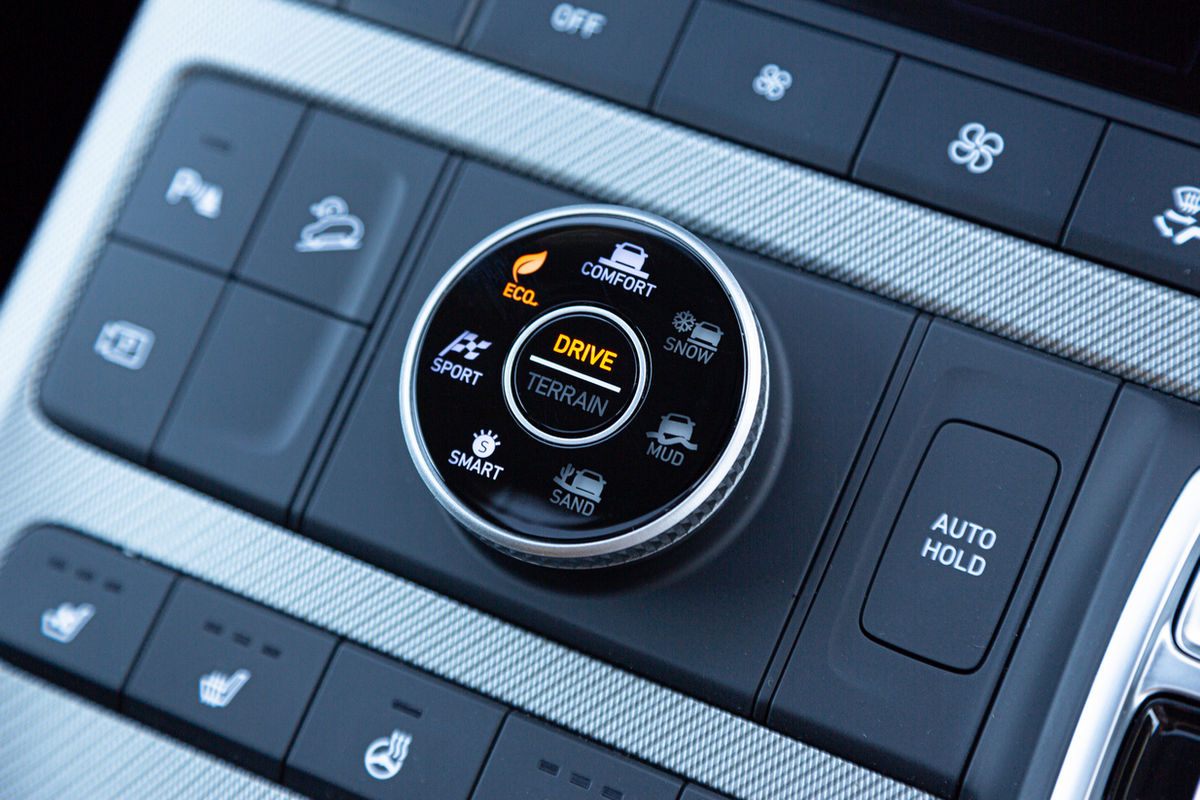
The key attribute that plays in its favour in this regard is weight. Thanks to its unibody construction, the Hyundai Palisade is about 500 kg lighter than its Everest and Prado rivals and, as a result, it has less weight to lug around. This also has a positive impact on fuel consumption. Hyundai claims an average figure of 8.2 L/100 km, and we achieved an indicated figure of just below 10 L/100 km (in a mix of urban and freeway driving), which is fair for a vehicle of this size (and its likely usage patterns); it’s certainly more efficient than the Everest. There are 4 drive modes to choose from: Smart, Sport, Comfort and Eco.
The Palisade may not suit buyers who need a strong towing vehicle though. Its maximum tow rating (for a braked trailer/caravan) is 2 200 kg, compared with 3 500 kg for the Everest and 3 000 kg for the Prado.
Comfort and Features
As we mentioned in this model’s Launch Review , there are no options to choose from when buying the Palisade – it’s an “all-in” vehicle, which is impressive when you consider its long standard features list.
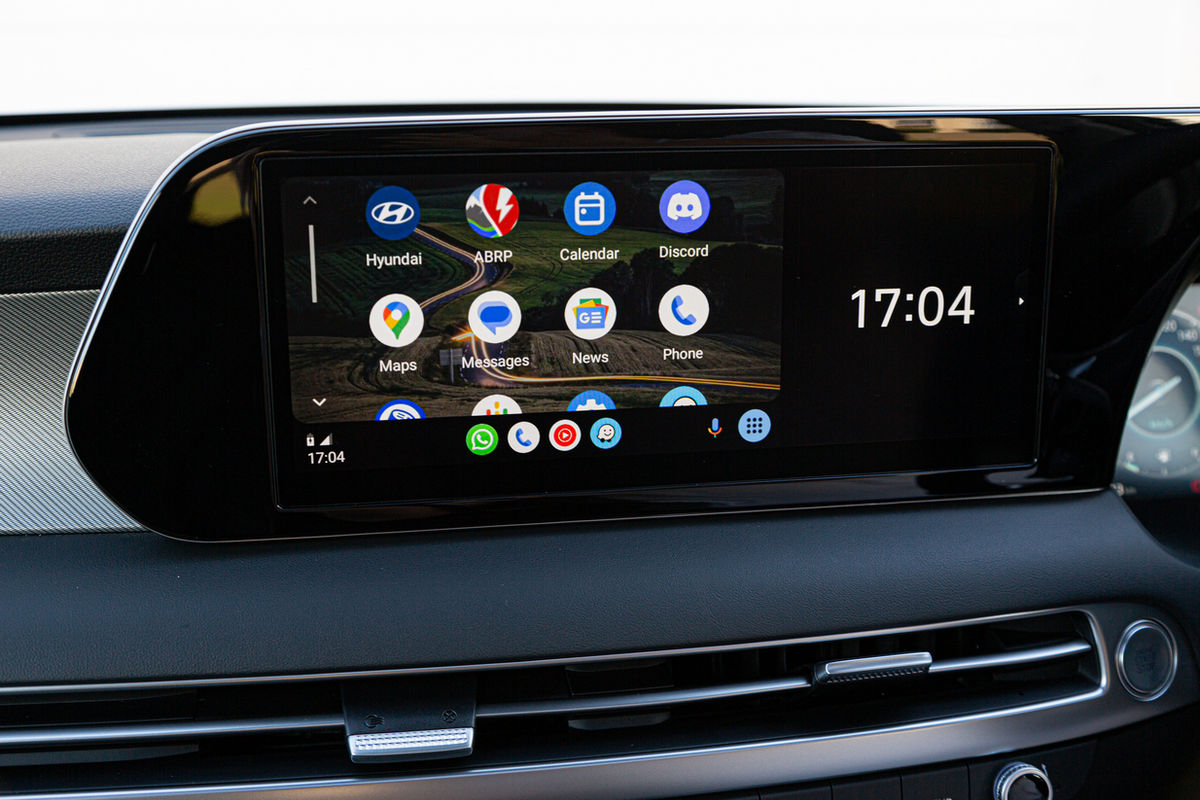
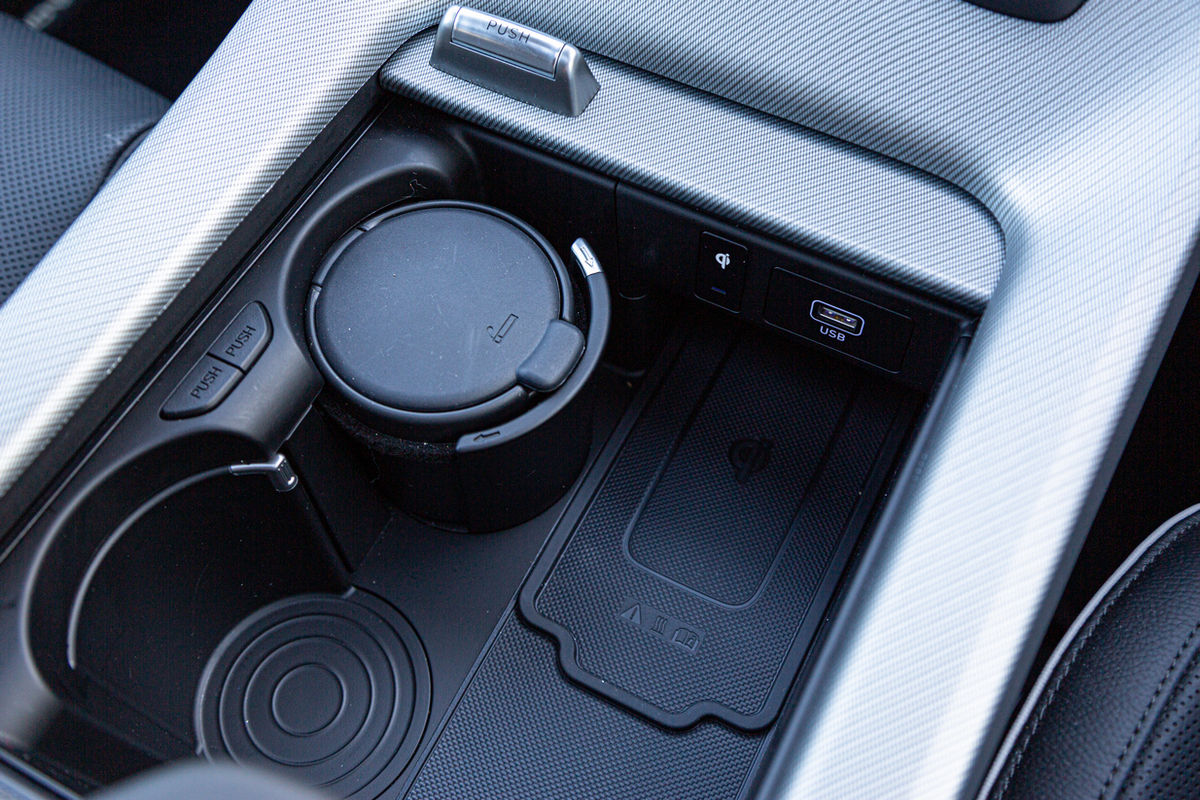
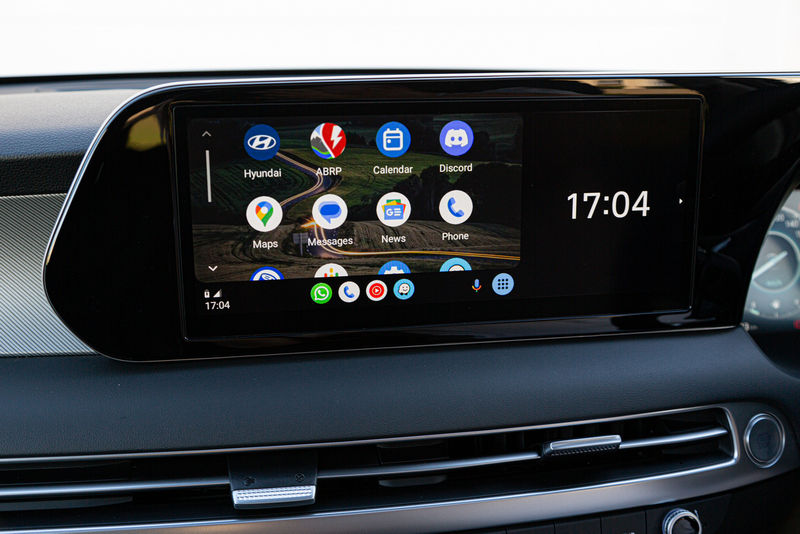
Of course, the updated infotainment system is a highlight, with slick graphics and some nifty features. You can, for example, access the car’s Infinity audio system to talk to passengers in the rearmost row (yes, the Palisade is that big). While it doesn’t feature built-in navigation, it does have Apple CarPlay and Android Auto functionality, and the wireless charging pad has been upgraded to a faster (15W) unit.
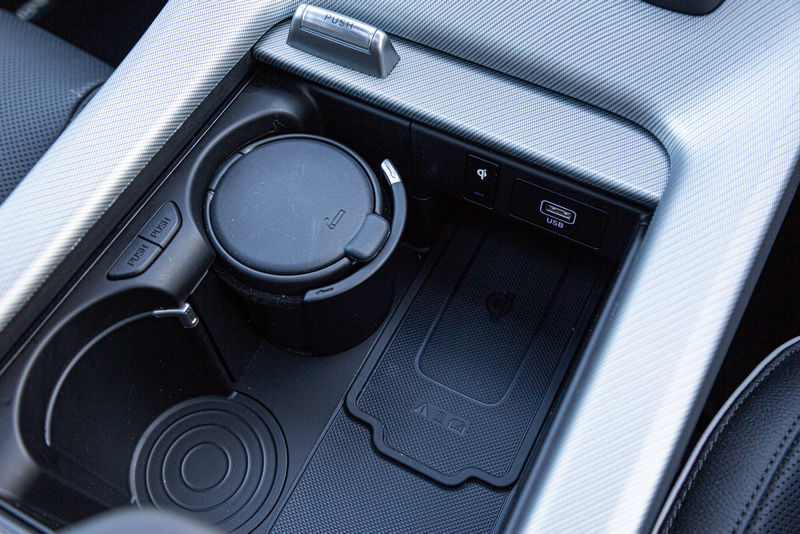
The front seats are heated and ventilated, while there are 2 memory settings for the driver’s chair. The rim of the multifunction steering wheel is also heated. The front of the cabin features dual-zone climate control, plus there are numerous storage areas as well as a pair of USB outlets (1 USB-A and 1 USB-C).
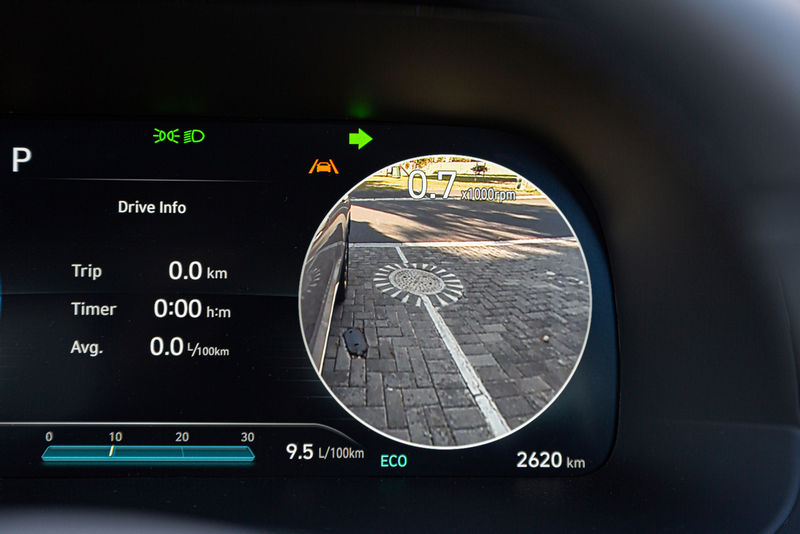
Another key focus area was safety. In addition to the expected features, the Palisade now offers forward-collision avoidance, lane-keep assist, blind-spot monitoring, adaptive cruise control and even “safe exiting” (an alert goes off if you attempt to open the doors while traffic is closing in on the vehicle). The model scored 5 stars in a recent round of ANCAP (Australian) crash testing for right-hand-drive vehicles.
Ride and Handling
The Palisade is Hyundai’s biggest passenger vehicle to date, and given its unibody construction, the firm’s designers could focus on maximising cabin space – and on-road dynamics!
There are inherent advantages to unibody construction, including improved torsional rigidity and overall refinement, as well as a lower centre of gravity. The Palisade also has a wider footprint than its rivals and a relatively lower vehicle height (as well as mass). Consequently, Hyundai’s contender is more car-like to drive than the Everest and Prado, as well as more refined, and less “top-heavy” by comparison.
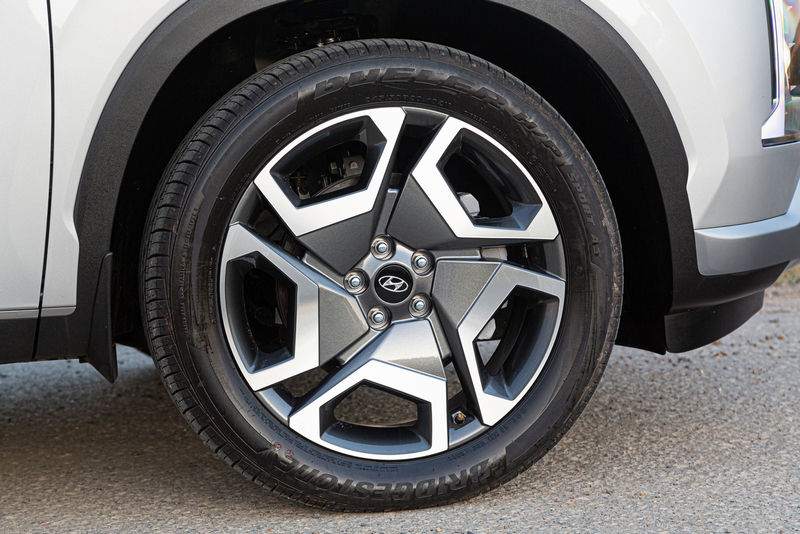
While the Everest did impress with regards to its on-road dynamics “for a ladder-frame chassis-based vehicle”, there are no such caveats when it comes to the Palisade. It offers superior refinement, feels more secure when cornering at higher speeds and rides well on its standard 20-inch wheels.
The downside to its passenger-car-like construction is that the Palisade is not much of an off-roader. Its ground clearance is meagre compared to those of its rivals, and its tyres are very much road-biased.
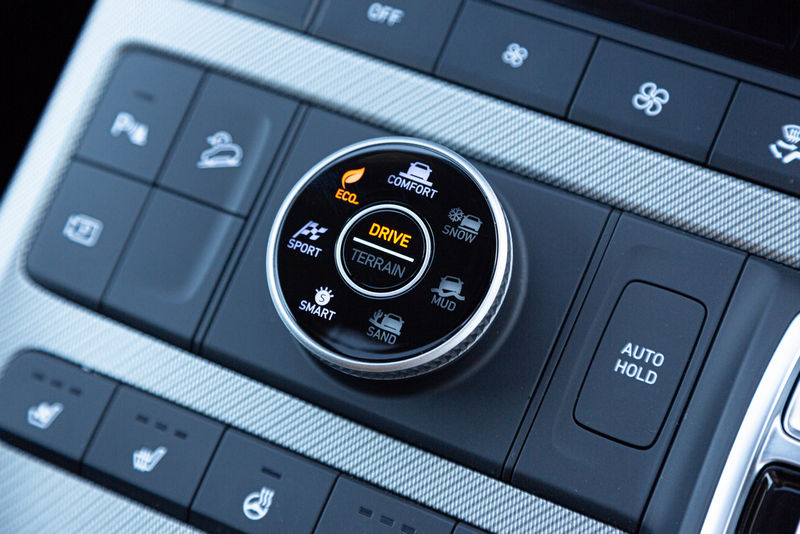
The model does offer selectable “off-road” modes, including mud, snow and sand, and it copes admirably with poor gravel surfaces, but it’s no rockhopper. There is no low range or diff-lock. Its approach/departure angles are also not competitive with those of comparatively-priced off-roaders.
Price and After-Sales Support
The Hyundai Palisade 2.2D 4WD Elite 8-Seater costs R1 099 000 (the same as the 7-seater version). There are no add-on options to specify and the price includes a 5-year/150 000 km vehicle warranty, a 7-year/200 000 km drivetrain warranty and a 7-year/105 000 km service plan. Very impressive!
Verdict
In many ways, you can consider the Hyundai Palisade an SUV-styled Kia Carnival (which is its cousin). That is a compliment, seeing as we rate the Kia minivan as arguably the finest large family vehicle of all.
However, for those buyers who don’t like the style of a “bus”, and prefer the design and visual appeal of an SUV, the Palisade will be a particularly tempting proposition. Yes, it could do with a little more grunt, but if you’re not going to tow large trailers, or go bundu-bashing, we think the Palisade is the best large “family-oriented” SUV that R1.1 million can buy in the new-vehicle market. And that’s some achievement!