Recent new-vehicle statistics suggest the demand for plug-in-hybrids and even EVs are surging in South Africa, and some reports have suggested that the increases are the result of consumers feeling the pinch at the pump. But just how accurate is that deduction?
The headline numbers are certainly impressive and, at face value, convincing. Total NEV (traditional hybrid + plug-in hybrid + battery-electric) new-vehicle sales in South Africa grew by 31.5% during Q1 2026 (when compared with Q1 2025). Interestingly, the usual driver of NEV sales in South Africa – traditional hybrids – declined by 6.9% in the same period, yet still constituted the bulk (60.3%) of the total NEV figure.
Read more: ICE vs EV: Total 5-year cost of ownership in SA
Plug-in-hybrids rocketed by 429.9%, but there are some caveats here. During Q1 2025, only 241 such vehicles were sold in South Africa, simply because there weren’t many options. By Q1 2026, when more models had joined the market, the number had grown to 1 277, which is certainly a big uptick, but still minute compared with the overall new-vehicle market total – just over 160 000 units for the first three months of this year.
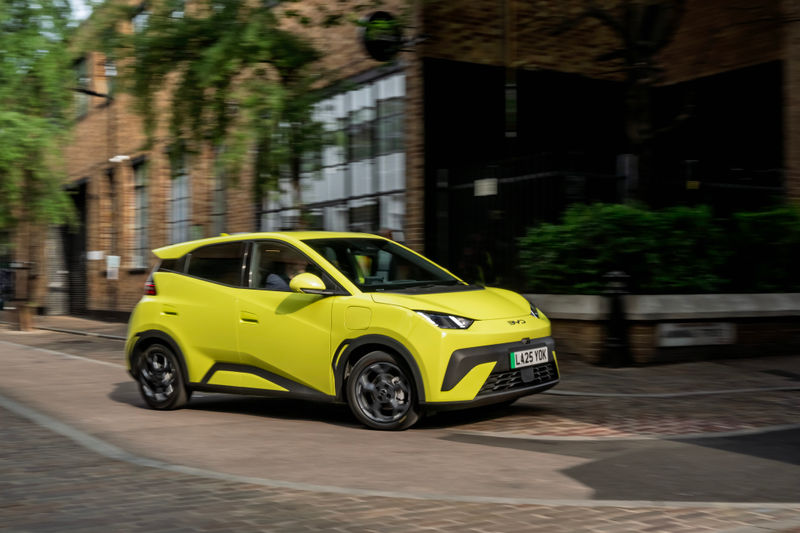
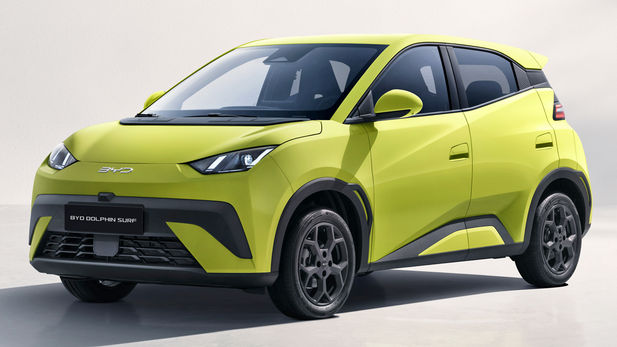
And EVs? Well (new) sales of battery-electric vehicles rose by 97.1% during Q1 2026, largely fuelled by the arrival of the BYD Dolphin Surf , which in its first month (March) recorded 239 registrations. That accounted for 44% of all (reported) Q1 EV sales in South Africa, in a single month.
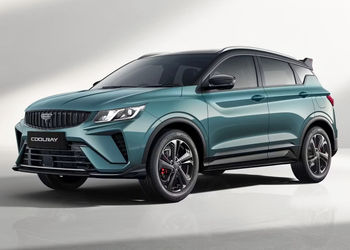
All of this looks pretty rosy, but the data doesn’t tell the full story. For one, several brands that sell electric vehicles are not reporting (yet), including Geely and Dongfeng . Secondly, tying the “explosion” in sales of NEV to the fuel price – a result of the conflict in Iran – is very likely oversimplifying the data.
Read more: SA’s EV sales fell in 2025 (but the total NEV market grew)
Consumer demand on Cars.co.za, including NEV
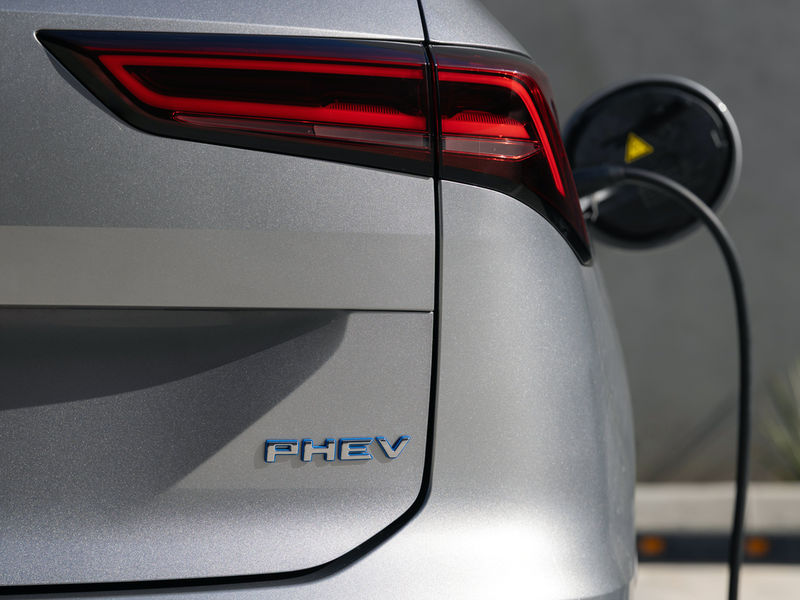
While not a perfect metric in itself, consumer demand (as informed by actual enquiries on cars listed for sale) on Cars.co.za paints a somewhat different picture. Keep in mind that vehicles on Cars.co.za are a mix of new and used, but the addition of new vehicles in segments with a low base (PHEVs and EVs, primarily) largely result in a new(ish)-vehicle-dominant mix…
In May 2025, hybrids (including PHEVs) accounted for only 0.47% of leads (enquiries) on Cars.co.za, while the number for pure battery-electric vehicles was only 0.07%. By May this year, those numbers had risen to 1.27% and 0.14% respectively. They’ve grown gradually in the past year, not via a major spike in recent months.
Again, in percentage terms, the growth looks explosive when comparing the two Mays one year apart – 158% and 100%, respectively. Ultimately, however, leads for NEVs on Cars.co.za still account for only 1.41% of the total (May 2026). It’s an improvement, certainly, but not yet a clear indication that consumers are making the decision to shift based on the fuel price situation, rather than just responding to a gradual ramp-up of options in the past year. Note that stock of NEVs currently accounts for 2.43% of all vehicles listed on Cars.co.za (versus enquiries accounting for 1.41%).
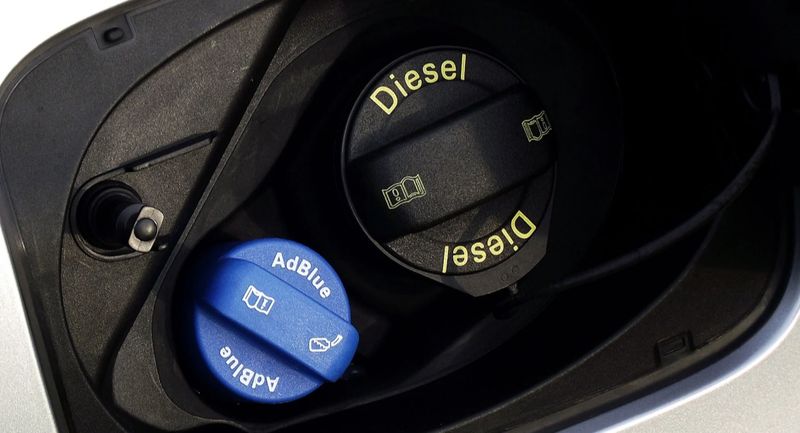
Perhaps the most interesting potential consumer shift we have seen does not concern NEVs at all, but rather demand for diesel vehicles. This has dropped very sharply by around 2.8 percentage points from 29.4% in March to 26.92% in May, a mere 2 months later. Interestingly, the diesel segment’s decline was not entirely NEV’s gain, but rather traditional petrol, demand for which increased by 2.22% percentage points (69.46% in March to 71.68% in May). Seeing such a big shift in such a short space of time in demand for the 2 biggest fuel types (petrol and diesel) on Cars.co.za is extremely rare, but the timing does align with fuel price changes.
While both petrol and diesel prices increased significantly during March, April and May, the surge in diesel pricing was considerably more pronounced. Interestingly, the diesel price was lowered in June, and our demand figures show the start of a recovery in diesel vehicle demand. In fact, the 0.6 percentage point demand increase diesel enjoyed in June was almost entirely petrol’s loss. In June, both PHEV and traditional hybrid demand softened on Cars.co.za, while full electric had recovered well after a poor May.
Given the very large pool of vehicles on sale on Cars.co.za, the make-up of the stock profile takes time to change and so gradual change is to be expected – which is what we are seeing with NEVs on Cars.co.za . Yes, demand is growing as more stock becomes available, particularly at the lower end of the market. But we have not witnessed a spike or sudden surge in NEV demand on Cars.co.za that suggests the sudden fuel price shocks drove the growth exclusively. On the other hand, the quick and pronounced shift to petrol (away from diesel) does seem to correlate with the fuel price changes, even when we factor in seasonal fluctuations.
Want to purchase a new or used NEV? Browse vehicles for sale