Take a look at what transpired in terms of new car sales in South Africa during the month of December 2021 as well as what to expect in 2022!
New car sales remain under pressure but the local automotive industry bounced back somewhat in 2021.
Covid-19 wreaked havoc on the industry in 2020 with a massive 29.2% decline in new car sales. Consequently, 2021 was a year of recovery with a year-on-year increase of 22.1% and total industry sales amounting to 464 122 units. Those gains are fairly impressive when you consider the major challenges faced by the industry during 2021, such as global supply chain disruptions, stock shortages, load-shedding, increasing fuel costs, cyberattacks, strikes and civil unrest.
December 2021 new car sales reflected mixed results as indicated below.
New Car Sales for December 2021
- Aggregate new car sales of 35 948 units down by 3.5% (-1 302 units) compared to December 2020
- New passenger car sales of 24 949 units up by 1.7% (+408 units) compared to December 2020
- Light Commercial Vehicle (LCV) sales of 8 990 units down by 16.6% (-1 794 units) compared to December 2020
- Export sales of 21 430 units up by 19.4% (+3 487 units) compared to December 2020
Top 10 Car Brands in South Africa fro December 2021
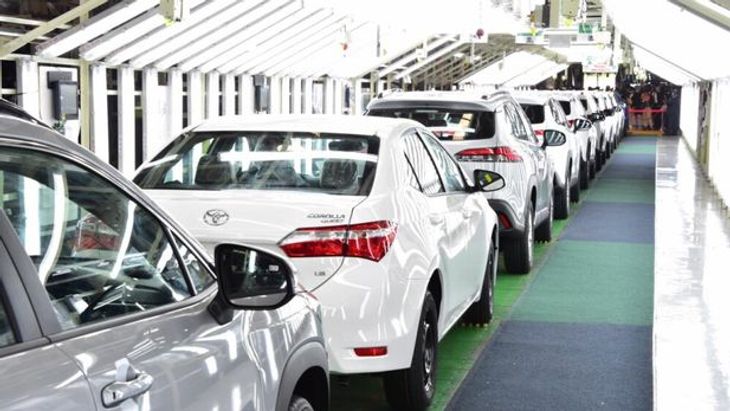
1. Toyota – 9 580 units
2. Volkswagen – 5 131 units
3. Hyundai – 2 892 units
4. Nissan – 2 417 units
5. Ford – 2 181 units
6. Suzuki – 2 102 units
7. Kia – 1 862 units
8. Renault – 1 758 units
9. Isuzu – 1 481 units
10. Haval – 1 453 units
Best-Selling Cars in South Africa for December 2021
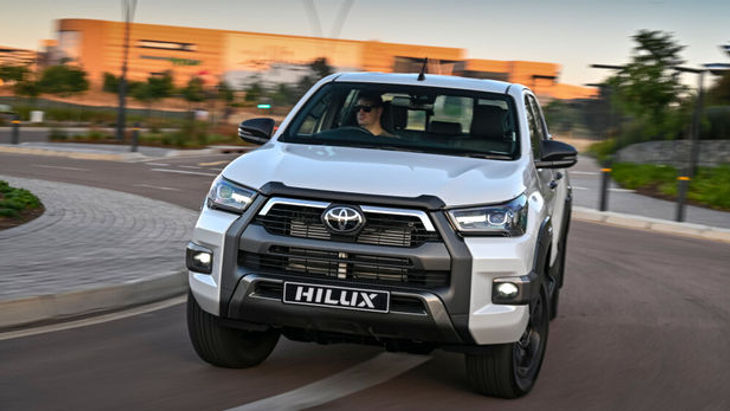
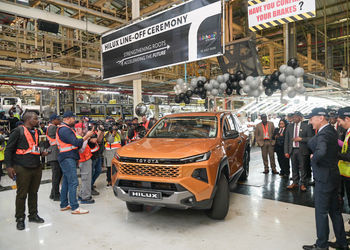
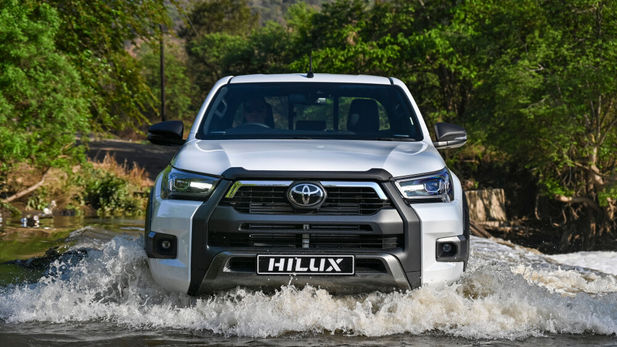
1. Toyota Hilux – 2 426 units
2. VW Polo Vivo – 2 028 units
3. Toyota Corolla Cross – 1 752 units
4. Isuzu D-Max – 1 247 units
5. Toyota Starlet – 1 180 units
6. Toyota Hi-Ace – 1 019 units
7. Ford Ranger – 929 units
8. Suzuki Swift – 798 units
9. VW T-Cross – 766 units
10. Ford EcoSport – 765 units
New Car Sales Outlook for 2022
Many of the above-mentioned challenges will continue to have a negative impact on the local automotive industry in 2022 and the global semi-conductor shortage will continue to affect stock availability for certain models for the short to medium term.
Loadshedding will continue to hamper and prevent the economy from reaching full capacity while rising interest rates will negatively impact vehicle affordability and apply further pressure to household budgets. As a result, economic recovery will be slowed.
The GDP growth forecast for 2022 is pegged at 1.8% and the new vehicle market is expected to recover slowly during the year with an aggregate year-on-year improvement of 8% expected. Export performance is expected to improve by 15% while local vehicle production is expected to increase by 17%.