The J12-series Nissan Qashqai didn’t last even 2 years in South Africa, despite its forebears proving very popular over the preceding decade and a half. So, should you consider buying a used version of the short-lived 3rd-gen model? Let’s investigate…
While the first 2 iterations of the Nissan Qashqai thrived in South Africa, the J12-series model fell flat. In short, the Japanese brand’s 3rd-gen compact SUV failed to find favour with Mzansi’s new car buyers, leading Nissan SA to unceremoniously and abruptly end this nameplate’s 17-year run on the local market.
What caused this previously successful badge to fade away in South Africa? Well, it certainly wasn’t a product issue – the 3rd-gen Nissan Qashqai was a decidedly competent offering . Instead, it likely all came down to positioning. Facing more competition than ever before (including from China), Nissan shifted the J12 upmarket, arguably rendering this Sunderland-built crossover too pricey for local tastes.
Though this sharply styled model’s early demise in South Africa was a pity, there’s a potential upside for astute used car buyers. Yes, the J12-series model’s premature departure from the local new-vehicle market (preceded by significant discounts from Nissan South Africa’s dealer network) has resulted in rather attractive asking prices on the 2nd-hand market. But more on that later.
As an aside, the 3rd-gen Qashqai was discontinued in Mzansi around the time the facelifted version was revealed overseas. Will Nissan SA ever return to this space? Well, once the Qashqai’s local axing was official, the firm said it was “evaluating opportunities for new products” but did not go into further detail.
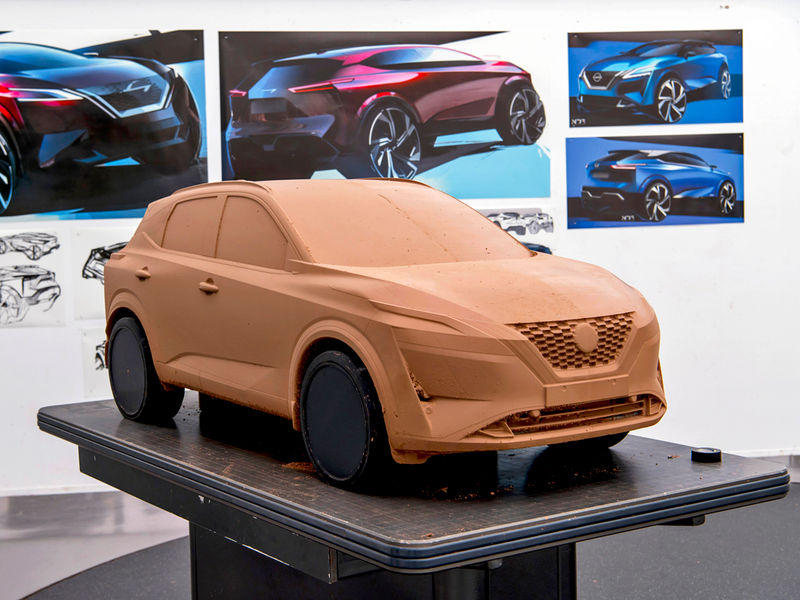
However, we believe a new Renault-based crossover , which is set to be built in India and will most likely be based on that right-hand-drive market’s 3rd-generation Duster , will eventually plug the Qashqai gap , joined by a 7-seater version that will reportedly share many components with the Dacia Bigster. In the end, these Nissan models will surely be more competitively positioned than the since-departed J12.
J12-series Nissan Qashqai line-up in South Africa
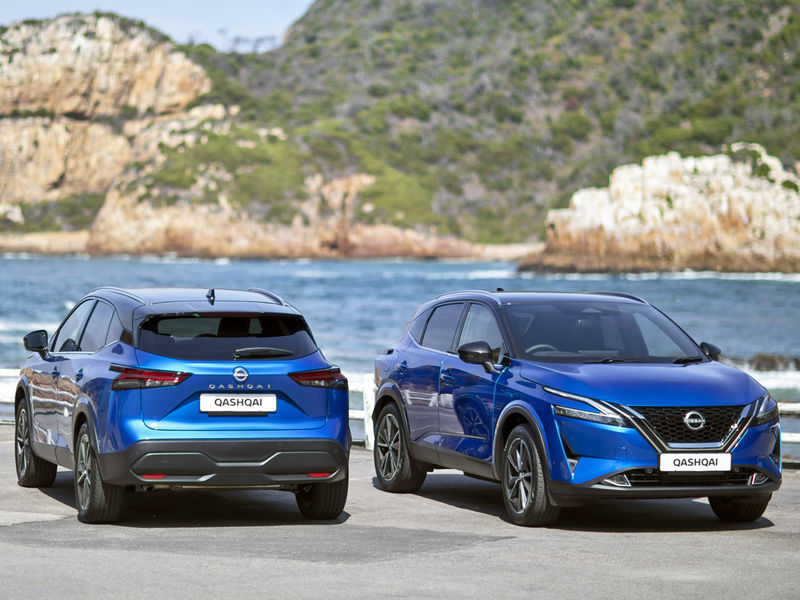
Revealed in February 2021 , the J12-series Nissan Qashqai was scheduled to reach local showrooms before the end of that year. However, it touched down in Mzansi only in September 2022 , with the Yokohama-based brand’s local division stating it was “confident” this model would “be a game-changer”.
At launch, the local line-up comprised a trio of front-wheel-drive derivatives. The only engine on offer was a 1.3-litre, 4-cylinder turbopetrol motor ( without the mild-hybrid assistance available overseas); the powerplant was jointly developed by the Renault-Nissan-Mitsubishi Alliance and Mercedes-Benz.
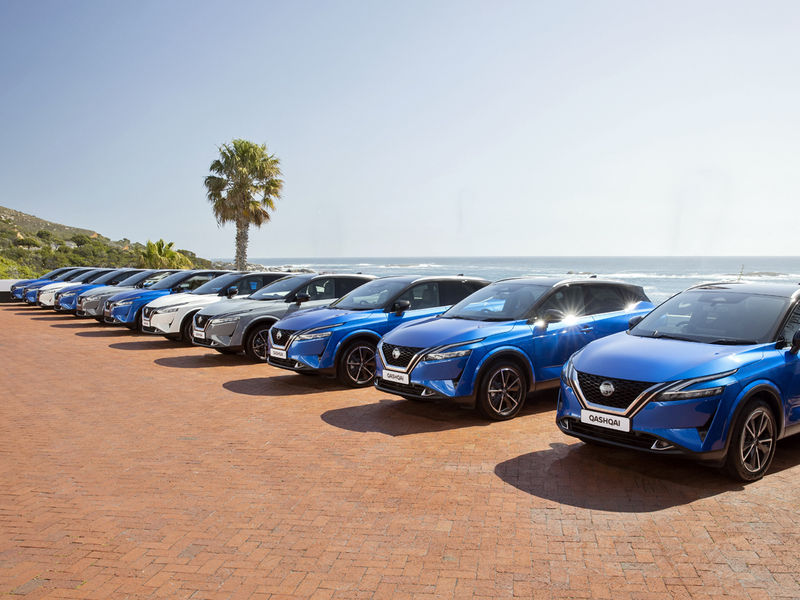
The entry-level derivative featured a detuned version of this mill and a 6-speed manual gearbox (with a listed 0-100 kph time of 10.3 sec), while the mid-tier and flagship variants came with the high-output version (improving the claimed sprint time to 8.9 sec) and a continuously variable transmission (CVT).
- Qashqai 1.3T Visia 6MT (96 kW/240 Nm)
- Qashqai 1.3T Acenta CVT (110 kW/250 Nm)
- Qashqai 1.3T Acenta Plus CVT (110 kW/250 Nm)
Over the next 20-odd months, Nissan SA made no changes to its Qashqai portfolio; e-Power derivatives were expected in “early 2023” but never materialised. The 3-cylinder mill in the Qashqai e-Power was used only to generate electricity, which was then transmitted to the battery pack, electric motor, or both.
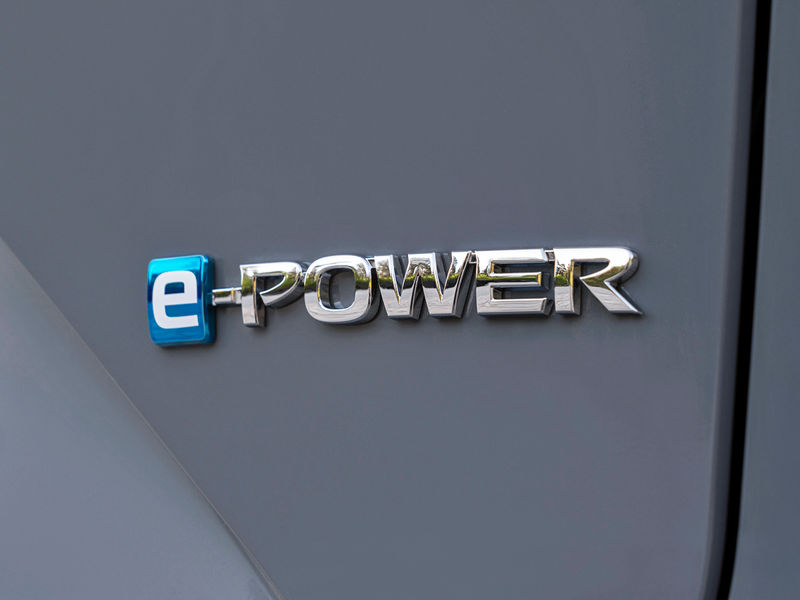
In short, the electric motor was the sole source of power for the wheels, resulting in what Nissan called an “EV-like” driving experience. It sounded like a fascinating powertrain, but then again, e-Power variants would probably have come at a hefty premium, which nixed their feasibility.
As it happened, local sales of the J12-series Qashqai tapered sharply to just 10 units in April 2024 and then zero registrations the following month. Having spoken to several sources, Cars.co.za broke the news of the Qashqai’s local axing early in June 2024, with Nissan SA confirming the decision soon thereafter. According to our maths, approximately 1 700 new units were sold before the model was axed.
What are the Nissan Qashqai’s strengths?
Quiet and comfortable: Built on the ubiquitous CMF-C platform, the J12-series Nissan Qashqai offered lofty levels of refinement, entirely in line with its move upmarket. Very little vibration from the powertrain found its way into the cabin at idle, while the CVT drone was thankfully kept to a minimum on the open road (except when you flattened the accelerator pedal, that is).
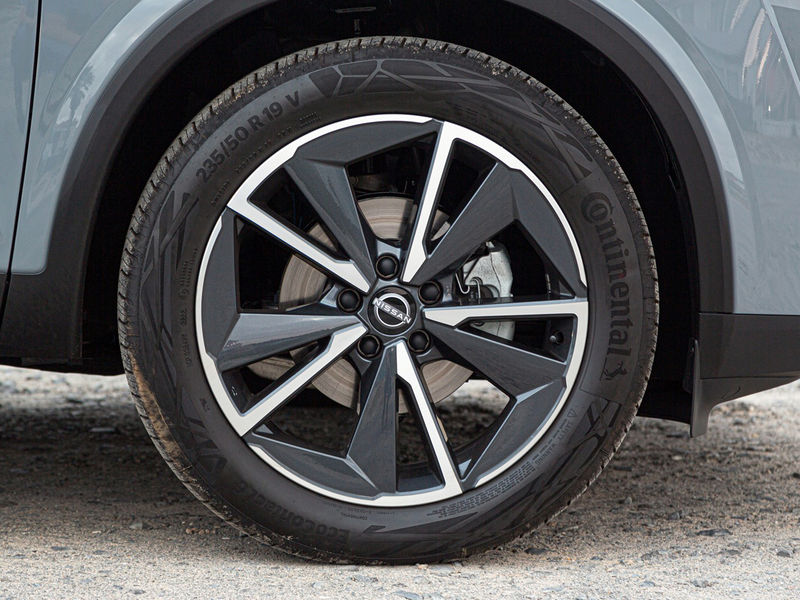
Ride comfort was also a strong point, thanks largely to a suspension setup offering impressive bump absorption and road-noise suppression. Comfort levels were further enhanced by the entry-level Visia’s plump (215/65 R17) tyres, while even the mid-spec Acenta and range-topping Acenta Plus were fitted with relatively high-profile rubber (235/55 R18 and 235/50 R19, respectively).
Ground clearance came in at 193 mm. Curiously, though front-wheel-drive Qashqais (wearing wheels measuring up to 19 inches) came with a comparatively rudimentary torsion-beam rear suspension in Europe, Nissan SA’s official specification sheet listed all 3 local derivatives as boasting the multi-link configuration reserved for all-paw examples (and those with 20-inch rims) on the Old Continent.
High-quality, well-equipped cabin: When we tested the 1.3T Acenta Plus soon after the Qashqai’s local launch, we described the cabin as looking and feeling “notably upmarket”. We rated the build quality as “up there with the best in the segment”, pointing out that panels lined up neatly, materials felt plush, and the switchgear “wouldn’t have looked out of place” in a similarly sized model built by a German brand.
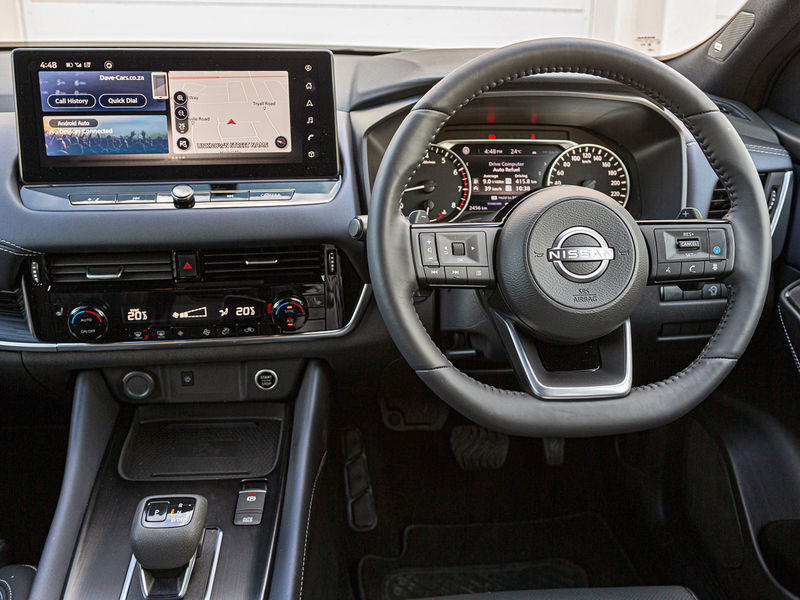
The 3rd-gen Qashqai was available with the sort of big-car kit that was previously reserved for premium marques’ models. For instance, the flagship derivative came with items such as Nappa leather trim, electrically adjustable front seats, a front-seat massaging (and heating) function and a 10-speaker Bose premium audio system.
Even the mid-table Acenta came equipped with features such as adaptive headlamps, intelligent cruise control, built-in navigation and wireless smartphone charging (the latter was, in fact, standard across the line-up). Interestingly, every variant in the South African J12-series Nissan Qashqai line-up had to make do with an analogue instrument cluster rather than the digital item available in some overseas markets.
Plenty of safety kit: Soon after its unveiling in Europe, the J12-series Qashqai was awarded a 5-star safety rating by Euro NCAP. And, refreshingly, the South African specification of Nissan compact SUV was also well equipped in this department: 6 airbags, ABS with EBD, a brake-assist system, hill-start assist, ISOfix child-seat anchors and tyre-pressure monitoring were standard across the range.
In addition to the entry-level Visia’s reverse-view camera, the Acenta and Acenta Plus derivatives gained Nissan’s 360-degree camera system (complete with “moving object detection”), parking sensors (fore and aft) and a raft of semi-autonomous driver-assistance features.
The latter list included features such as blind-spot intervention, cross-traffic alert, intelligent forward emergency braking, predictive front-collision warning, lane-departure warning, lane-keep assist and driver-attention alert.
What are the Nissan Qashqai’s weaknesses?
Lofty asking price when new: It could certainly be argued that the Qashqai’s local demise boiled down to its ambitious positioning in the market. Ultimately, there was no getting away from the fact that this UK-built model was very pricey in Mzansi, nor that shoppers in this segment had plenty of alternatives.
It was perhaps telling that Nissan SA opted not to impose a single price hike to the J12-series range – in stark contrast to industry trends at the time – during this model’s almost 2 years on the local market. So, from launch to discontinuation, the Qashqai had lofty pricing bookends of R568 200 and R670 600.
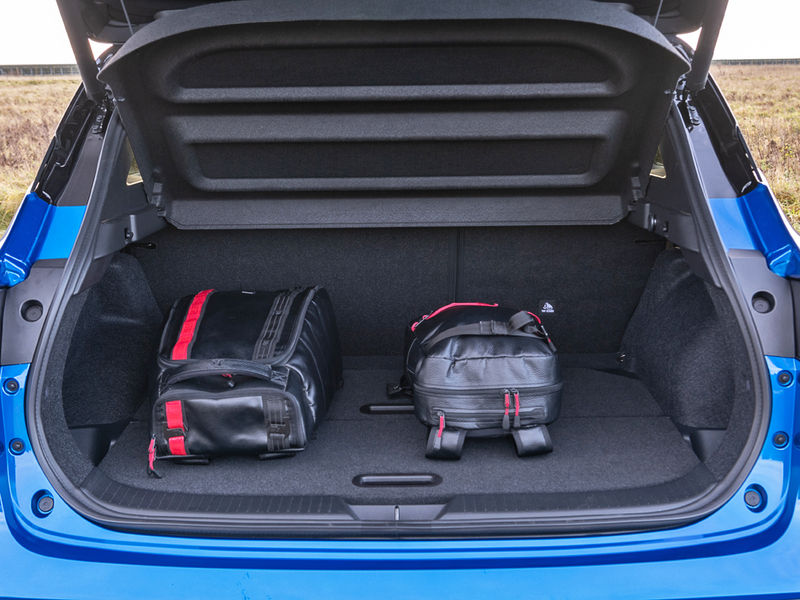
Slightly below-par load bay: Measuring 4 425 mm in length, the 3rd-gen Qashqai was a little larger than the J11-series model that preceded it, but its luggage compartment was nevertheless smaller than those of similarly priced rivals. Nissan South Africa listed a slightly below-par volume (for the segment) of 480 litres, but the load bay’s lack of flexibility was perhaps its biggest issue.
The rear bench, for instance, featured only a 60:40 split rather than the more versatile 40:20:40 configuration, while dropping these seats flat required scurrying from door to door since there were no dedicated buttons situated in the luggage compartment. Moreover, the rear bench – which offered merely average occupant space – was fixed in place, with no option to slide it fore or aft.
No turbodiesel option:
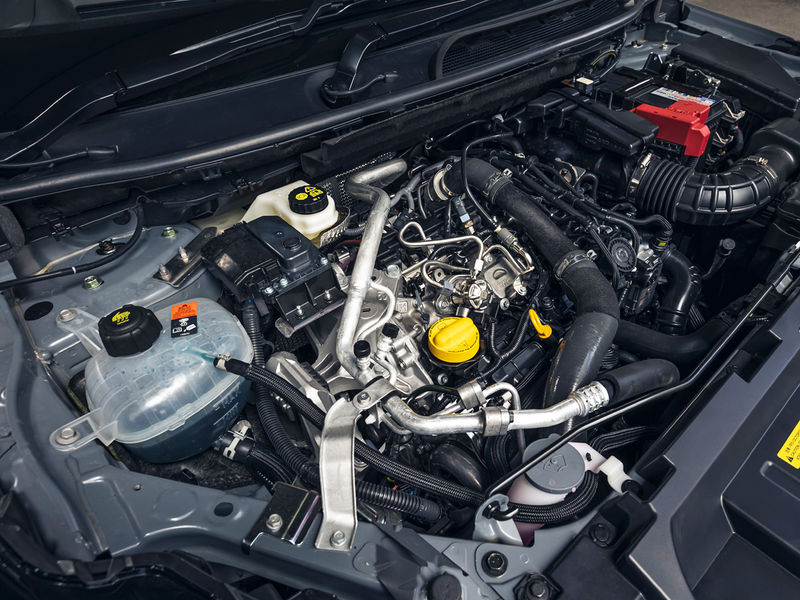
While the J10- and J11-series Nissan Qashqai were both available locally with a wide range of powerplants, the J12 iteration was offered only with the 1.3-litre 4-cylinder turbopetrol motor. The lack of a turbodiesel engine was likely particularly disappointing for local Qashqai fans, although, to be fair to Nissan SA, an oil-burning powertrain was not developed for this generation.Still, at least the turbopetrol unit ostensibly had the ability to return relatively pleasing fuel-economy figures (if not quite as impressive as a diesel might have managed), with Nissan claiming 6.4 L/100 km for the manual-equipped Visia and 6.1 L/100 km for the CVT derivatives. For the record, we managed an indicated 9 L/100 km during our review of the flagship Nissan Qashqai 1.3T Acenta Plus .
While we’re on the topic of engines, another quick aside: considering the J12 Qashqai is still a young vehicle in automotive terms, we can’t make any definitive calls on this model’s mechanical reliability, particularly in a local context.
How much is a used Nissan Qashqai in SA?
Nissan SA offered the 3rd-gen Qashqai with a 6-year/150 000 km warranty and a service plan spanning 3 years or 90 000 km (with intervals of 15 000 km). Factory-backed accessories included items such as a chrome styling pack, a protection pack (featuring mudguards, a rear upper-bumper protector, a luggage-bay entry guard, illuminated kickplates and rubber mats) and a removable towbar.
At the time of writing, just over 50 units of the J12-series Nissan Qashqai were listed on Cars.co.za . The mid-spec Acenta accounted for a whopping 72%, followed by the flagship Acenta Plus (19%) and, finally, the manual-equipped Visia grade (9%).
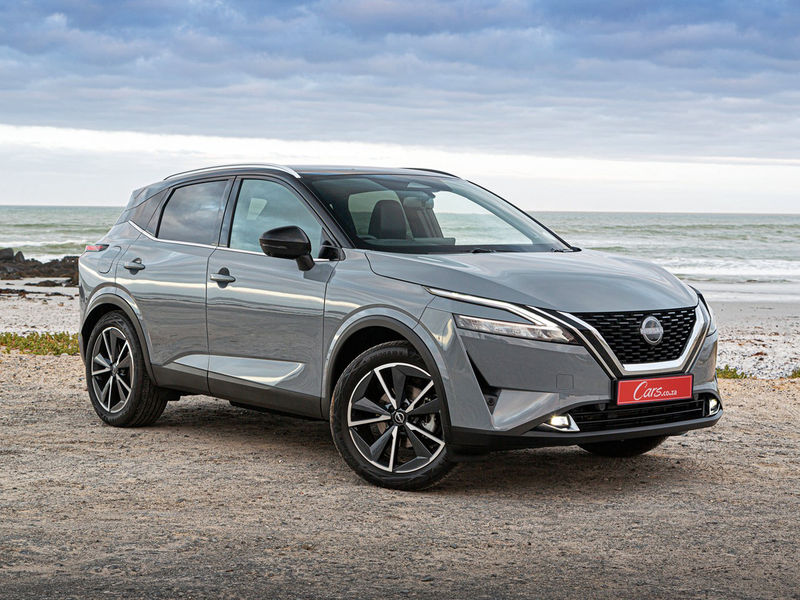
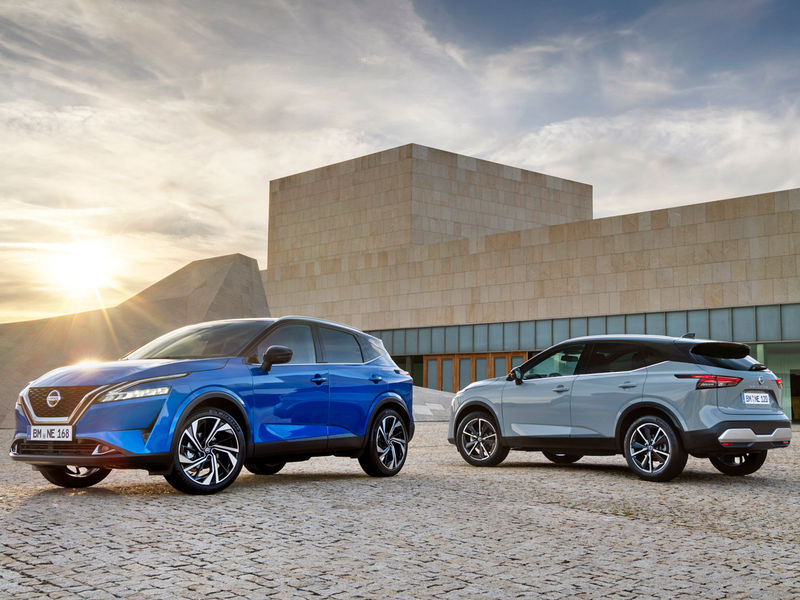
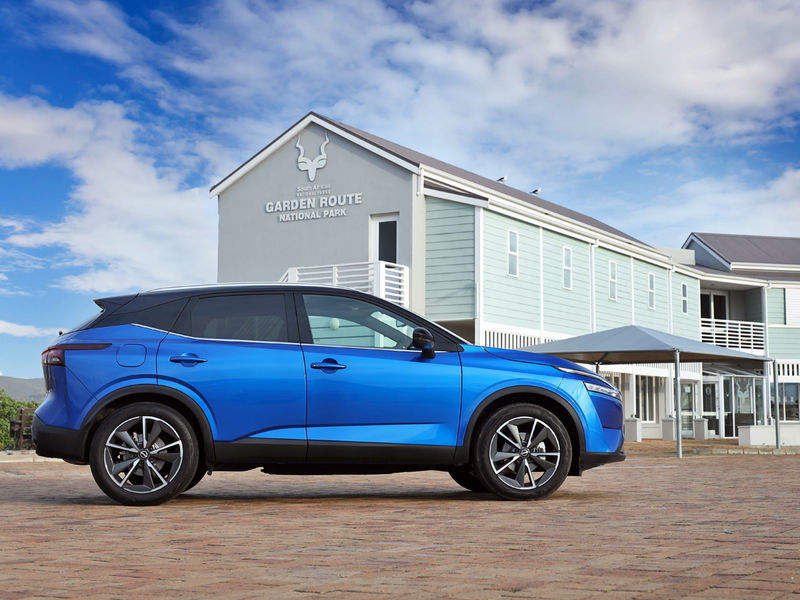
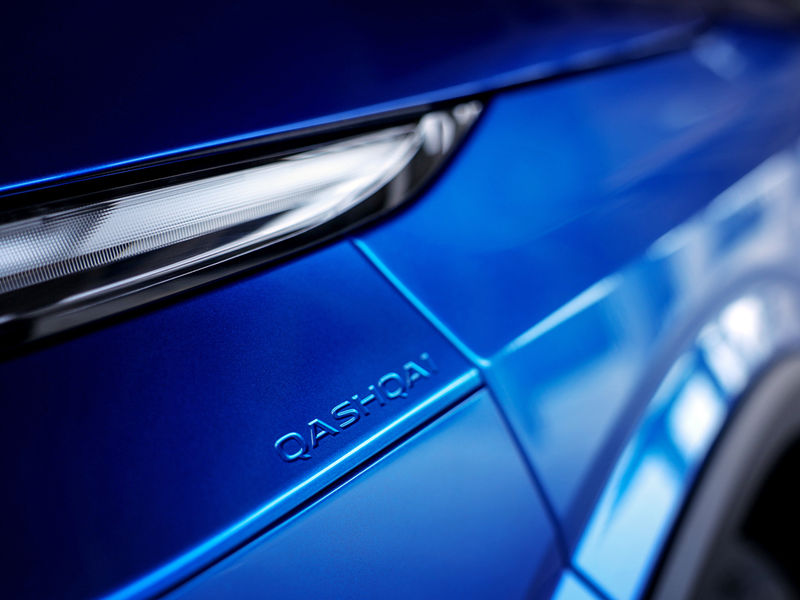
Indicated mileages ranged from just 16 km on (an apparently unused) demo vehicle to 86 000 km on a 2022 Acenta Plus (the latter being one of only 4 listings with more than 50 000 km on its odometer). Unsurprisingly, 2023 was the most prevalent model year (46%), while Magnetic Blue (the hue seen in most of the images here) was the most popular paint colour, accounting for 37% of listed examples.
- Below R400 000 : Though just 11% of J12-series Qashqai listings were positioned below R400 000, all 3 trim levels were represented here. Most came from the opening model year, though we also found a couple of Visia variants from 2023 in this space. The cheapest example was a 2022 Visia with 58 000 km, priced at R329 990. As a reminder, this variant would have cost R568 200 new.
- R400 000 to R450 000 : Despite this bracket spanning just R50 000, it contained a considerable 45% of the J12-series Qashqai units listed at the time of writing. The 2023 model year was the most prevalent by some margin, with the majority of derivatives featuring the mid-spec Acenta grade.
- R450 000 to R500 000 : Jumping another R50 000 opened the door to a further 34% of listings, though we interestingly found no examples of the base Visia between these pricing bookends. There were several enticing deals in this space, including a delivery-mileage 2024 Acenta priced at R499 900 (representing a whopping R139 400 saving over its listed new price).
- Above R500 000 : The remaining 10% of listings were positioned above R500 000, with all but one example from the final model year. Just a single unit was priced over R550 000, with this 2024 Acenta (showing 1 850 km on the clock) coming in at a rather high R644 800. This was an outlier, however, since we found several models with similar mileage priced at around R529 900.
Which Nissan Qashqai derivative should you buy?
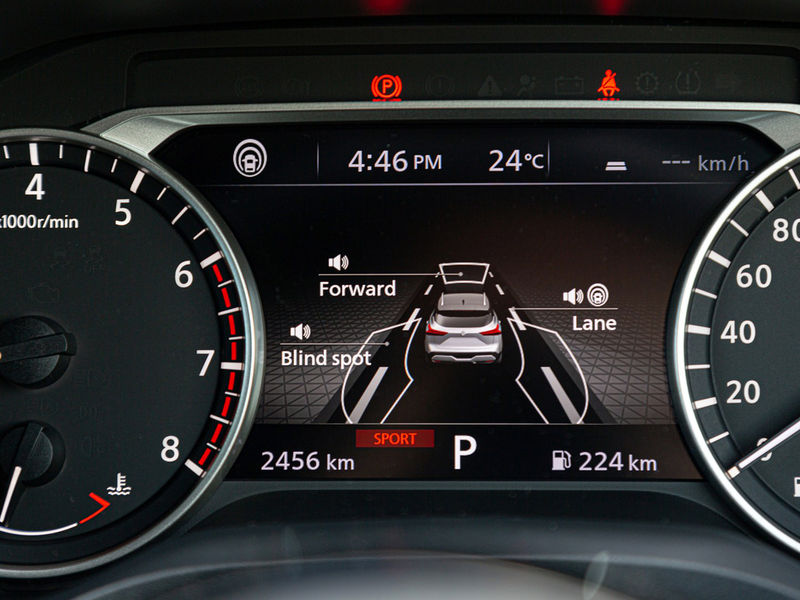
So, which of the 3 derivatives was the pick of the bunch? Well, while the Visia wasn’t poorly specified – it came with LED headlamps, a reverse-view camera, an 8-inch touchscreen system, cruise control, wireless smartphone charging and 17-inch alloy wheels, but made do with manual aircon and a polyurethane finish for the steering wheel – we’d be tempted to climb the ladder a little further.
The mid-tier Acenta upgraded to a 12.3-inch infotainment system (along with USB-A and USB-C ports), while also gaining adaptive high beams, auto headlamps, rain-sensing wipers, roof rails, paddle shifters and all the driver-assistance technology that would usually be reserved for a flagship variant.
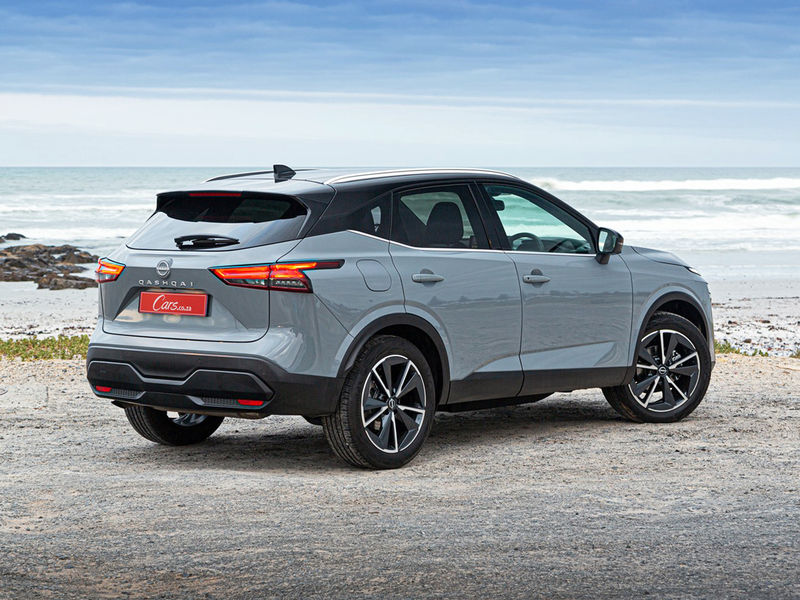
So, unless you have to have a manual gearbox, the Acenta is the sweet spot. Of course, should you be prepared to spend a little more, the flagship Acenta Plus furthermore featured Nappa leather upholstery, a massaging (and heating) function for the front seats, an uprated audio system and larger alloys.
Is the Nissan Qashqai a smart used purchase?
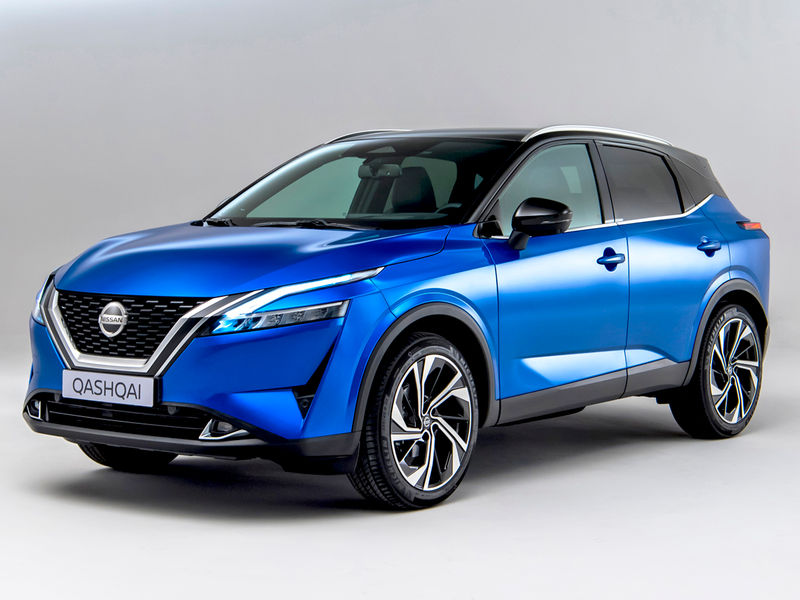
While the original J10-series Nissan Qashqai that arrived in Mzansi back in 2007 faced very little direct competition, the J12 iteration found itself lost in the crowd, again straddling traditional segment lines. Mainstream alternatives in the family crossover space included the likes of the NX4-series Hyundai Tucson , NQ5-series Kia Sportage , 2nd-gen Volkswagen Tiguan , XA50-series Toyota RAV4 and the seemingly evergreen KF-series Mazda CX-5 – all of which were larger than the Nissan.
Buyers keen on something a little more left-field might also have considered the P84-series Peugeot 3008 , Citroën C5 Aircross and even the 2nd-gen Renault Koleos , not to mention an ever-growing crop of aggressively priced Chinese crossovers. The base Qashqai also faced pressure from the segment below, where more affordable Indian-built offerings such as the Kia Seltos , SU2-series Hyundai Creta and Suzuki Grand Vitara made their presence very much felt.
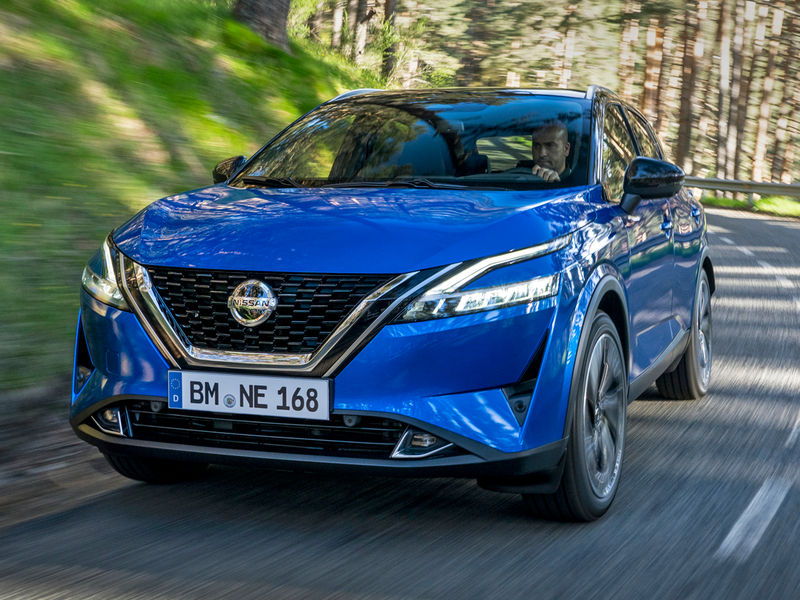
In addition, Nissan SA’s ambitious pricing effectively put the top-spec version of the Qashqai directly in the firing line of several premium-badged offerings, including the F3-series Audi Q3 , U11-series BMW X1 , Mini Countryman (F60), H247-series Mercedes-Benz GLA and Lexus UX .
Ultimately, the J12-series Qashqai’s shift upmarket – a huge risk in a new vehicle market as notoriously price-sensitive as ours – put it out of reach of its more affordable predecessors’ target audience. It also failed to convince higher-earning shoppers that it was a true alternative to premium-badged models.
Price aside, though it was perhaps not a class leader in what had become an overpopulated segment, the J12-series Nissan Qashqai was nevertheless a highly competent and rather sophisticated offering. Thanks to this model’s falling residual values, it now represents rather strong value on the used market.
Looking for a used Nissan Qashqai to buy?
Looking to sell your car? You can sell it to our dealer network here