
Although the Peugeot Landtrek double cab is unlikely to win over Toyota Hilux and Ford Ranger loyalists, it does pose a notable threat to other bakkies, including the popular GWM P-Series. Does the newcomer offer the right mix of style, performance, practicality and value? Gero Lilleike takes a closer look at Peugeot’s new Chinese-built double-cab contender…
FAST FACTS
- Model: Peugeot Landtrek 1.9TD 4Action 4×4
- Price: R669 900 (April 2022)
- Engine: 1.9-litre turbodiesel
- Power/Torque: 110 kW/350 Nm
- Transmission: 6-speed automatic
- Fuel consumption: 9.1 L/100 km (claimed)
- Payload capacity: 1 050 kg
- Tow capacity: 3 000 kg
Serious about buying?
Some Peugeot dealerships regularly offer great deals. See our New Car Specials here !
What is it?
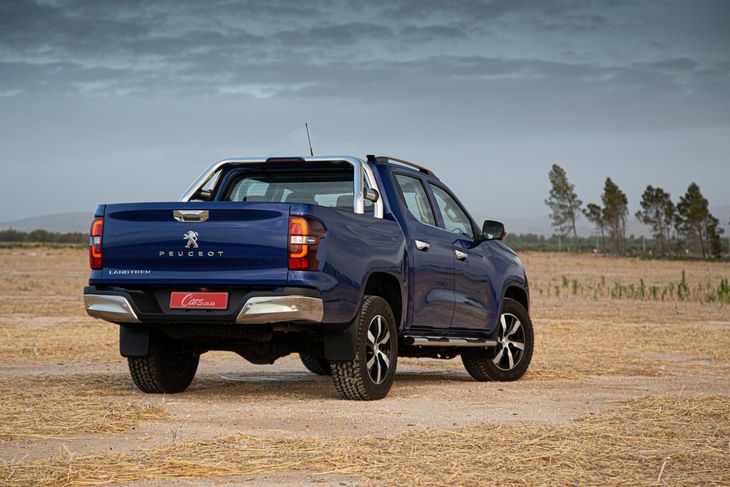
The Landtrek is a Chinese-built bakkie that takes design cues from Peugeot’s passenger-car range.
Peugeot hasn’t produced a bakkie before, has it? Yes, it has – and not just one. Some of you may be surprised to learn that the Landtrek is not Peugeot’s first foray into the pick-up market. In fact, Peugeot has an extensive bakkie legacy that stretches back as far as 1938 – anoraks might remember the 202, 403, 404 and 504 bakkies that served as workhorses throughout Africa.
The modern Landtrek double-cab bakkie, however, has Chinese underpinnings. This stems from a joint venture between Peugeot and Changan Automobile, which gave rise to a brand known as Kaicene. The Peugeot Landtrek is effectively a rebadged version of the China-only Kaicene F70 bakkie, but importantly, it incorporates a generous dollop of the selfsame design flair that has made the French brand’s passenger cars so appealing.
Chinese-built passenger vehicles have come a long way since they were introduced in the South African market in the mid-2000s. As we have witnessed in recent years, offerings such as the GWM P-Series , Haval’s Jolion and H6 and more recently, Chery’s Tiggo 4 Pro and 8 Pro SUVs, are proving that Chinese brands and their products are now either on par with – or even better than – some of their rivals from Europe, the US, Japan and Korea.
The Landtrek enters a hugely competitive segment in South Africa, where the Toyota Hilux and Ford Ranger (of which a new model is expected in a few months’ time) grab the, um, lion’s share of sales. Peugeot, therefore, has the unenviable task of convincing brand-loyal (or, to put it another way, risk-averse) buyers to spend their money on a largely unproven French-badged Chinese bakkie. Does the Landtrek have what it takes to achieve the “unthinkable”? Let’s find out!
How it performs in terms of…
Kerb Appeal
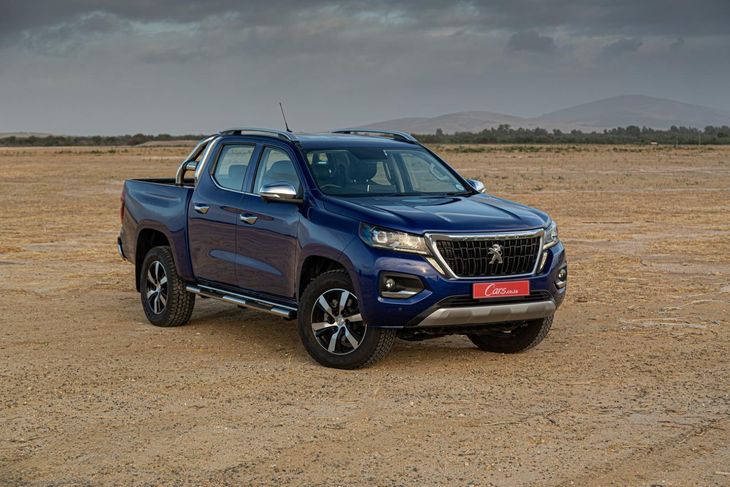
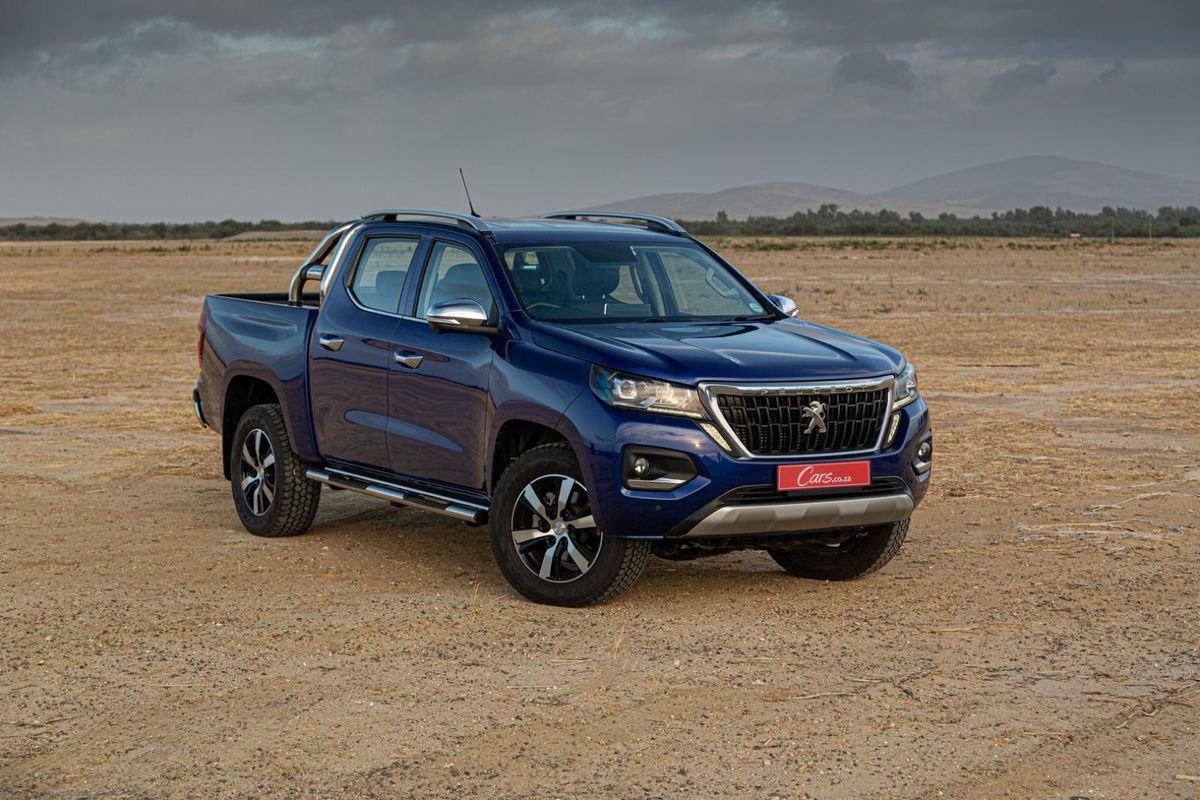
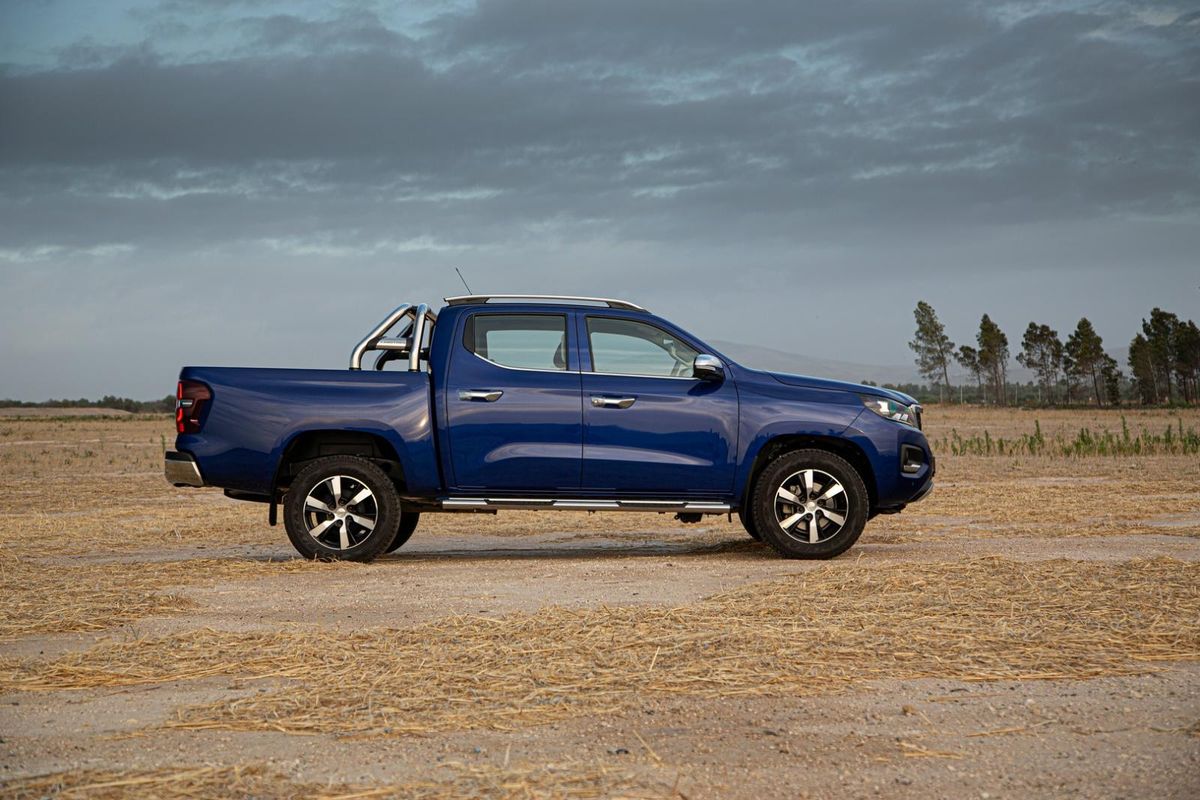
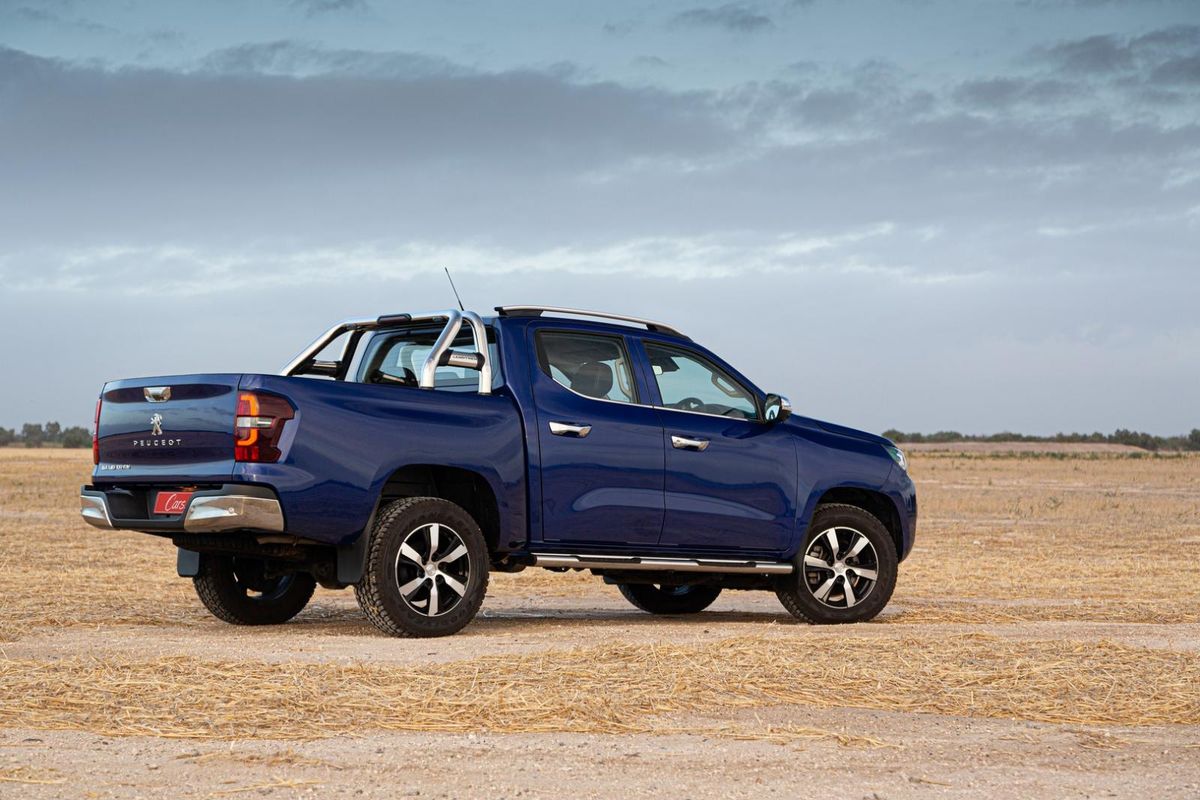
The Landtrek has a muscular stance and buyers can enhance the look with a range of optional accessories.
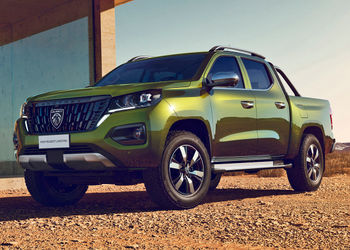
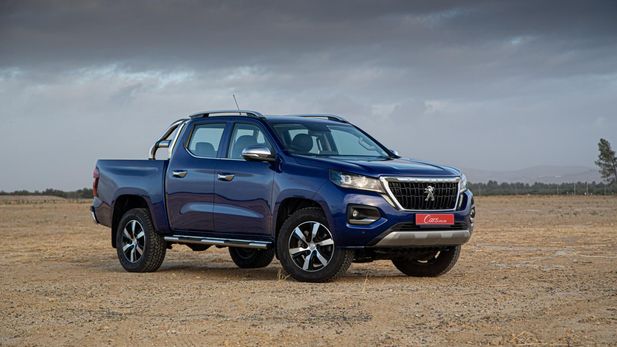
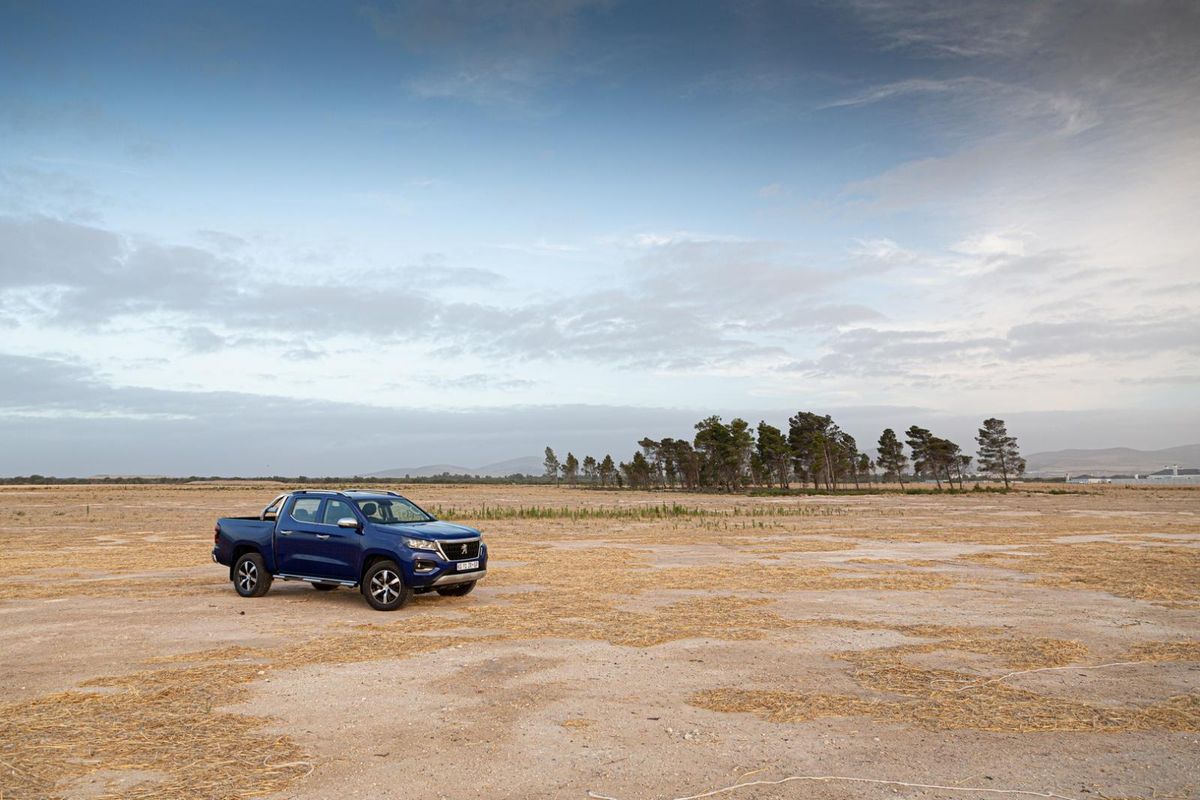
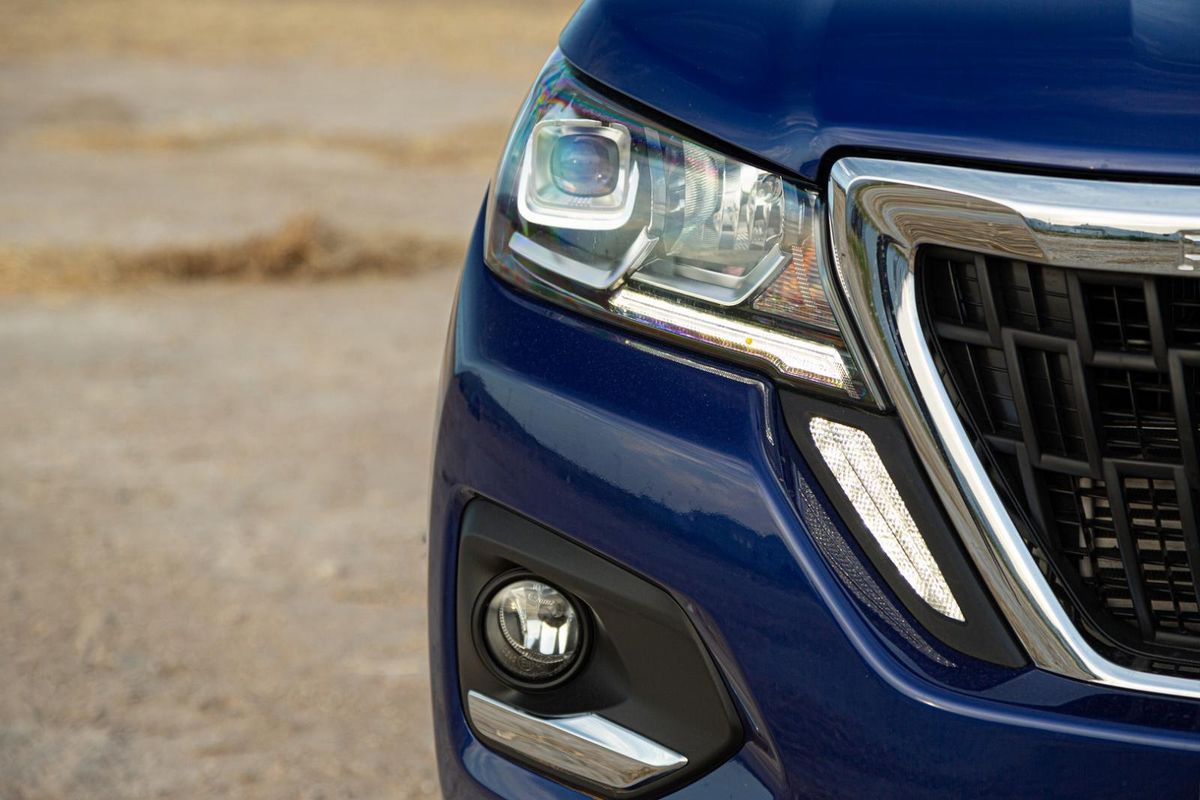
In the metal, the Peugeot Landtrek exudes a “large and in charge” demeanour and it certainly appears to be a burly contender in this segment. With its bulging bodywork, the Landtrek stands tall and wide and looks resplendent in its deep Magnetic Blue paint finish. The muscular front end is defined by a large grille (emblazoned with a prominent Peugeot badge), which is framed with a flashy chrome surround and flanked by LED headlights. The combination of the Landtrek’s sheer size and design drew much attention from onlookers – many of them appeared fascinated by the sight of the French firm’s lion emblem on a double-cab bakkie. We think it’s a strong and attractive-looking product from Peugeot.
It’s worth knowing that Peugeot does offer a selection of optional accessories, such as additional LED lighting, bull bar, roll bar, tonneau cover, hardtop cover, snorkel, wheel-arch cladding, bumper protection, roof bars and so forth, should you wish to beef up the kerb appeal (and, in some cases, enhance the overall practicality) of the bakkie.
Even so, it’s debatable whether the Landtrek looks better than other bakkies in this segment, but, seeing that design is subjective, you can decide for yourself whether you like the look of the Landtrek, or not.
Performance and Efficiency
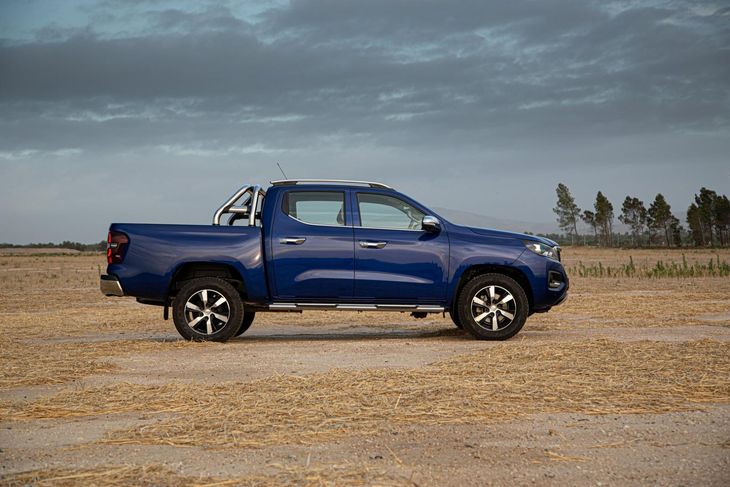
The Landtrek’s engine performance is middling, but it’s still good enough to compete with its main rival, the GWM P-Series.
The powertrain is arguably the most vital component of a purpose-built product (such as a double-cab bakkie) and the Peugeot Landtrek’s small-capacity diesel powerplant — a 1.9-litre 4-cylinder turbodiesel engine that produces 110 kW and 350 Nm of torque, isn’t particularly punchy compared with what else is offered in the market. If you consider that the outgoing Ford Ranger’s 2.0-litre single-turbodiesel engine develops 132 kW and 420 Nm, then, at this price point, the Landtrek’s on-paper outputs are likely to disappoint – and may even deter – some potential buyers. Even the GWM P-Series’ middling (also 2.0-litre) turbodiesel motor has more oomph (120 kW/400 Nm)!
In its defence, the Landtrek’s on-road performance is better than what its outputs suggest, but it’s still best described as “average”… Peugeot’s newcomer ultimately lacks the outright pulling power offered by some of its bigger-engined rivals.
At start-up, the Landtrek’s engine does have an agricultural diesel um, roar, to it (which is not uncommon in this segment) and noticeable turbo-lag translates to tardy acceleration from a standstill, but matters do improve somewhat as the Landtrek gathers pace. The Landtrek’s overtaking ability is fairly good and, for the most part, the bakkie cruises comfortably and effortlessly on the highway.
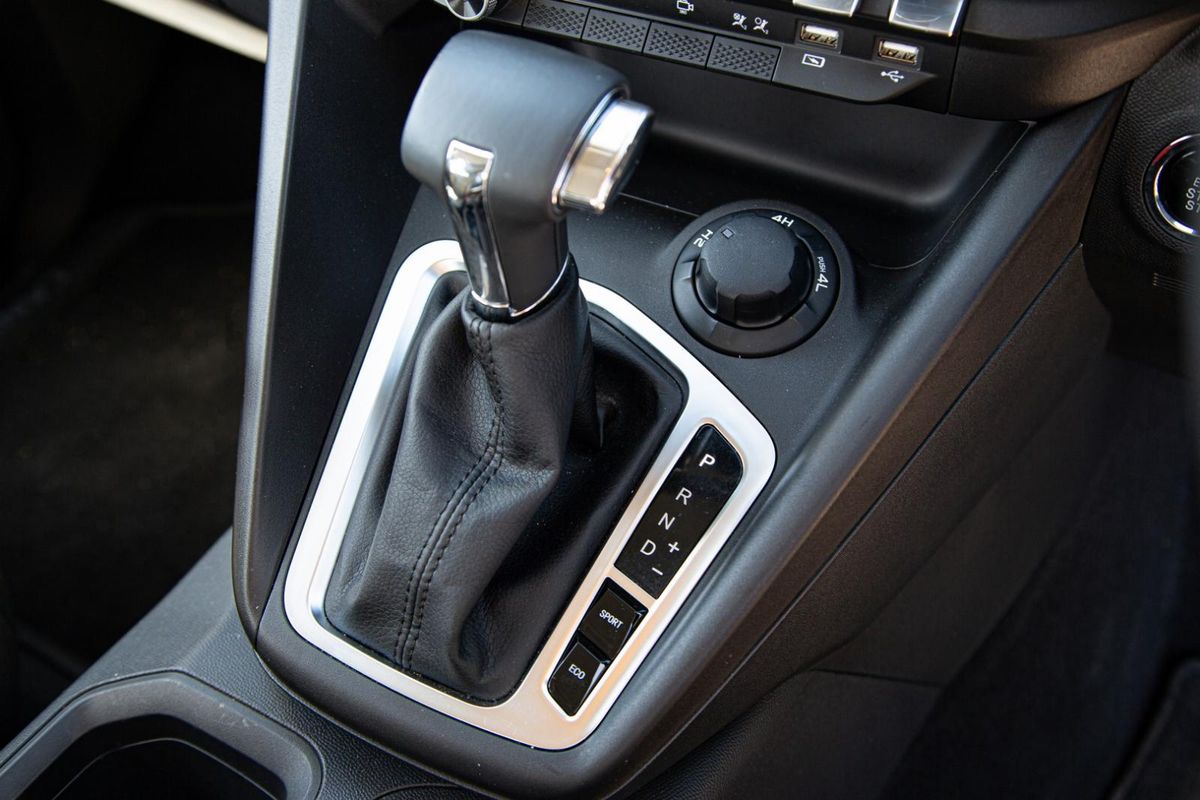
At times, particularly under harder acceleration, the 6-speed automatic transmission does struggle to find the appropriate gear (it “hunts”) and while the ‘box is generally good at changing cogs in general driving conditions, it’s not as decisive- and smooth-shifting as those of its rivals. A Sport drive mode, which perks up the throttle response and modifies the transmission’s shift pattern to maximise performance, is also available – it will also be useful in offroading scenarios. If you wish to save fuel, there’s also an Eco drive mode that dulls the throttle feel and transmission responses to optimise fuel consumption.
On the subject of fuel consumption, Peugeot claims a combined-cycle figure of 9.1 L/100km and our test returned around 9.8 L/100km, which is just about on par with its rivals.
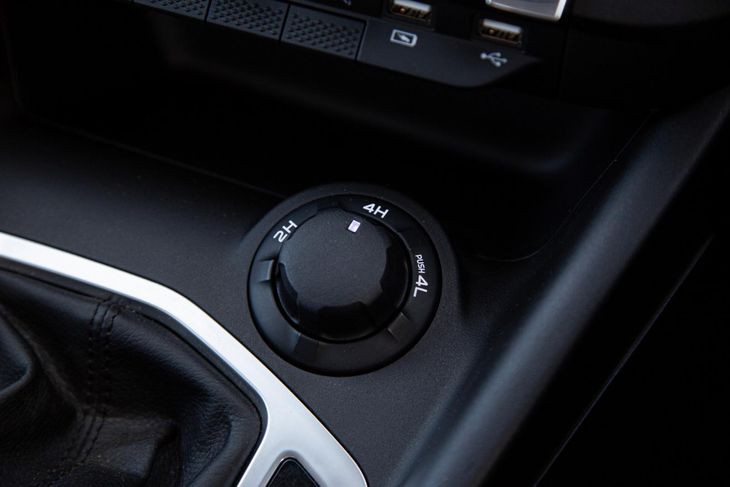
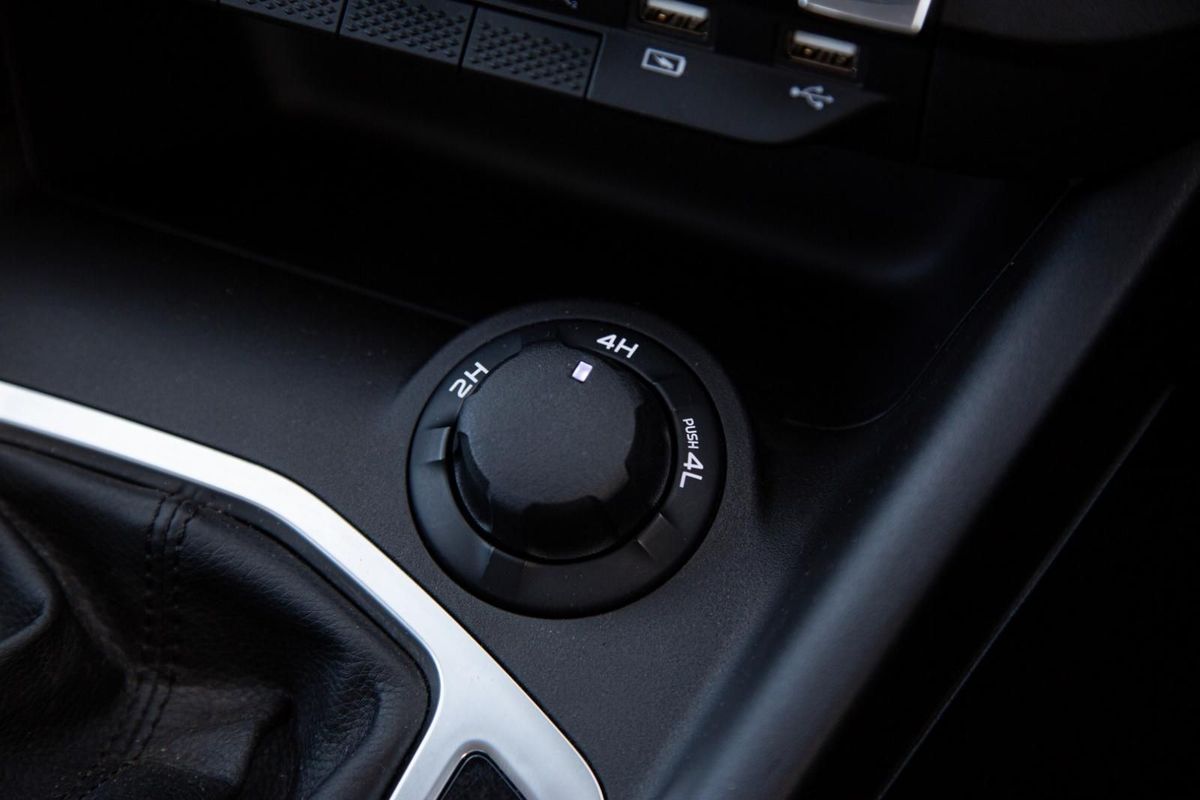
The Landtrek 4Action 4×4 is equipped with an offroad dial for easy on-the-fly use.
As far as off-road performance is concerned, our test period was too short to put the Landtrek through its paces on a tough 4×4 course, let alone against one or more of its rivals. We did, however, test Landtrek’s 4×4 capability at the local launch and found it to be fairly competent in this regard.
With a flood of new double-cab bakkies coming to market this year ( Isuzu D-Max , Ford Ranger , VW Amarok ), a full-scale double-cab 4×4 bakkie comparative test – to determine how all the players in this segment stack up against each other –is on the cards for the near future. We look forward to giving the Landtrek a proper 4×4 shakedown soon!
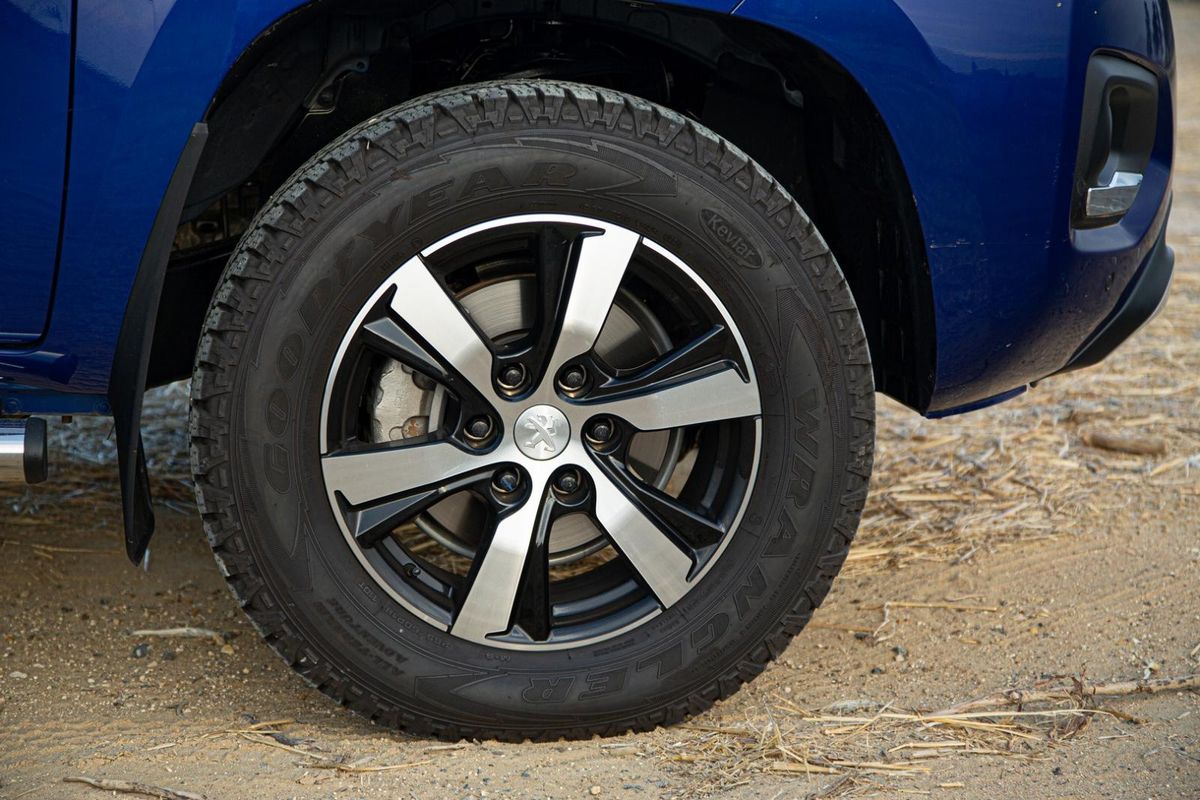
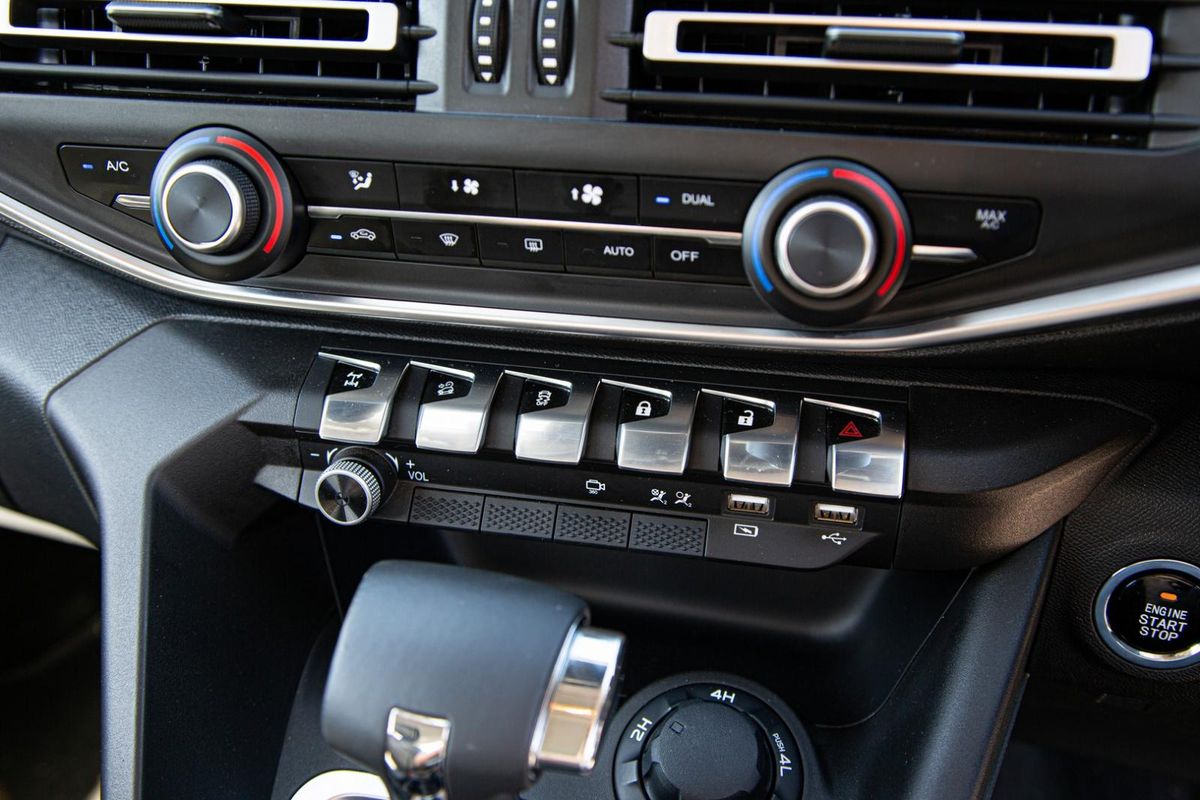
Like most of its rivals, the Landrek 4Action 4×4 is equipped with a shift-on-the-fly off-road dial that allows the driver to switch from 2H (rear-wheel-drive) to 4H (four-wheel drive) and 4L (low range) to tackle tough terrain. Moreover, a rear diff lock can be activated at the push of a button should you require maximum traction to contend with a tricky off-road obstacle. It’s also worth noting that the Landtrek boasts a useful ground clearance of 235 mm, as well as a wading depth of 600 mm, both of which are likely to be sufficient for the average weekend bush-whacking mission.
Ride and Handling
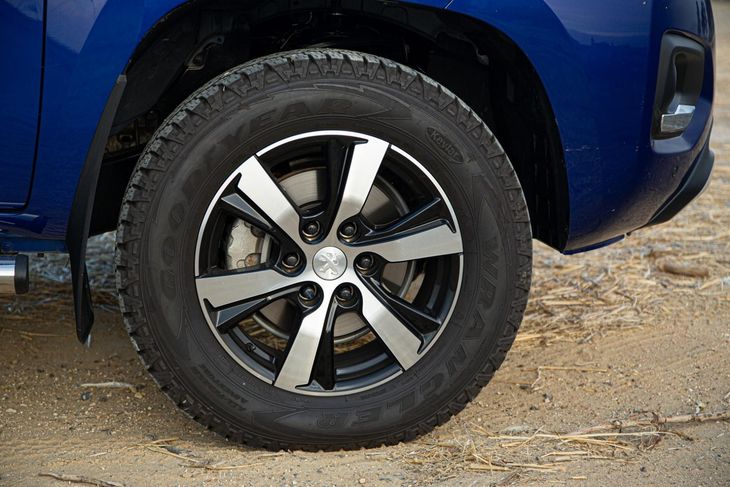
The Landtrek’s ride comfort is on par with most of its rivals in this segment, but it’s not class-leading.
We drove the Landrek on tar and gravel roads and found that while the test unit offered satisfactory levels of ride comfort on those surfaces (at least to satisfy the majority of family-car buyers, we’d say), it wasn’t quite class-leading in that regard. As is the case with the majority of bakkies on the market, the Peugeot’s rear leaf-sprung suspension is prone to jiggling when the bakkie traverses uneven road surfaces, which is most noticeable when the load bin is unladen, but the ride does settle somewhat when there’s a modest load on the back. It’s worth noting that Noise Vibration and Harshness (NVH) suppression is admirable, which ultimately contributes to a more refined driving experience.
Steering feel is positive with a light motion, which is useful in urban driving situations, but it’s worth noting that the ‘wheel is quite responsive to inputs too – at least by double-cab bakkie standards. As such, the Landtrek exhibits driving qualities that one would typically experience in an SUV, which is certainly a good thing for a humble bakkie.
Practicality
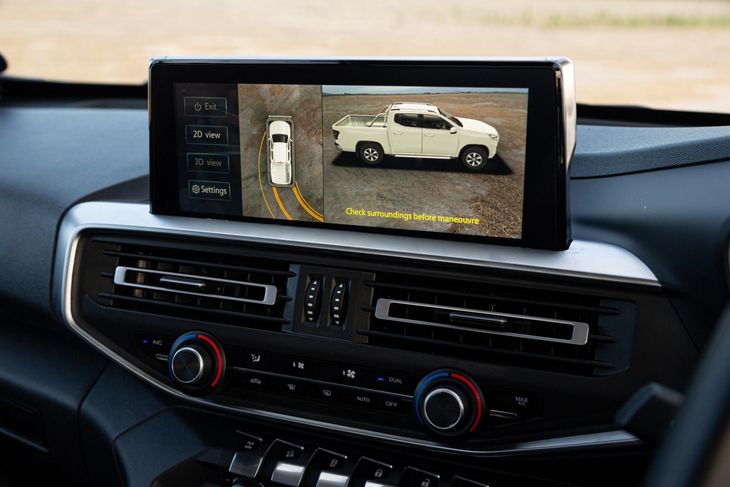
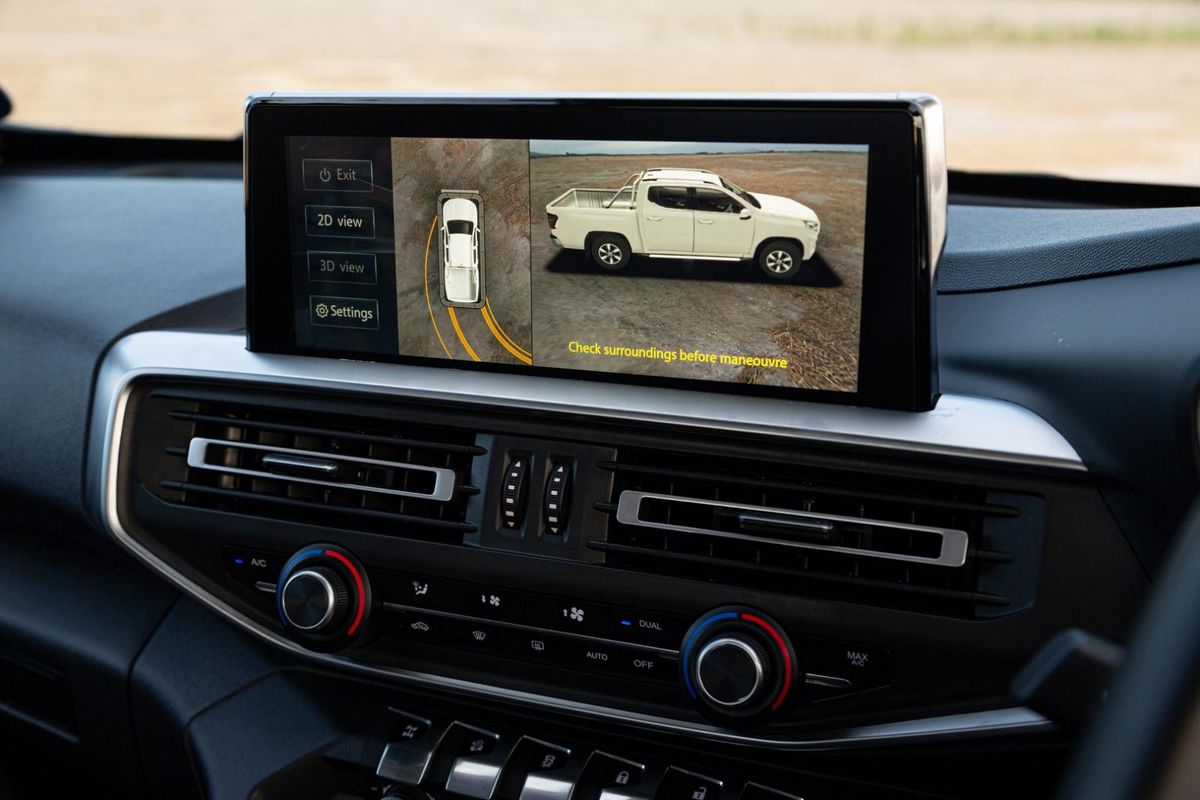
The 360-degree camera is a major highlight and is hugely beneficial for manoeuvring in tight spaces or in offroad situations.
Most double-cab bakkies are, by their very nature, a trifle cumbersome to manoeuvre in tight spaces (by virtue of their extended dimensions and large turning circles). The Landtrek is no exception; Cape Town’s narrow, congested streets proved a constant challenge for the French bakkie and its driver. However, Peugeot has equipped the Landtrek with an effective (and arguably segment-leading) 360-degree camera system, which made parking manoeuvres much easier.
The camera view is clear and sharp and the driver can toggle between different views to scan their surroundings. This feature is also hugely beneficial if you are off-roading, when you can use it to effectively identify objects/obstacles to avoid. At slow speeds and when the indicator is on, the camera system displays a kerb view (so that you can avoid bashing your wheels) as well as active guidelines (when reversing) to indicate your direction of travel as you execute the manoeuvre.

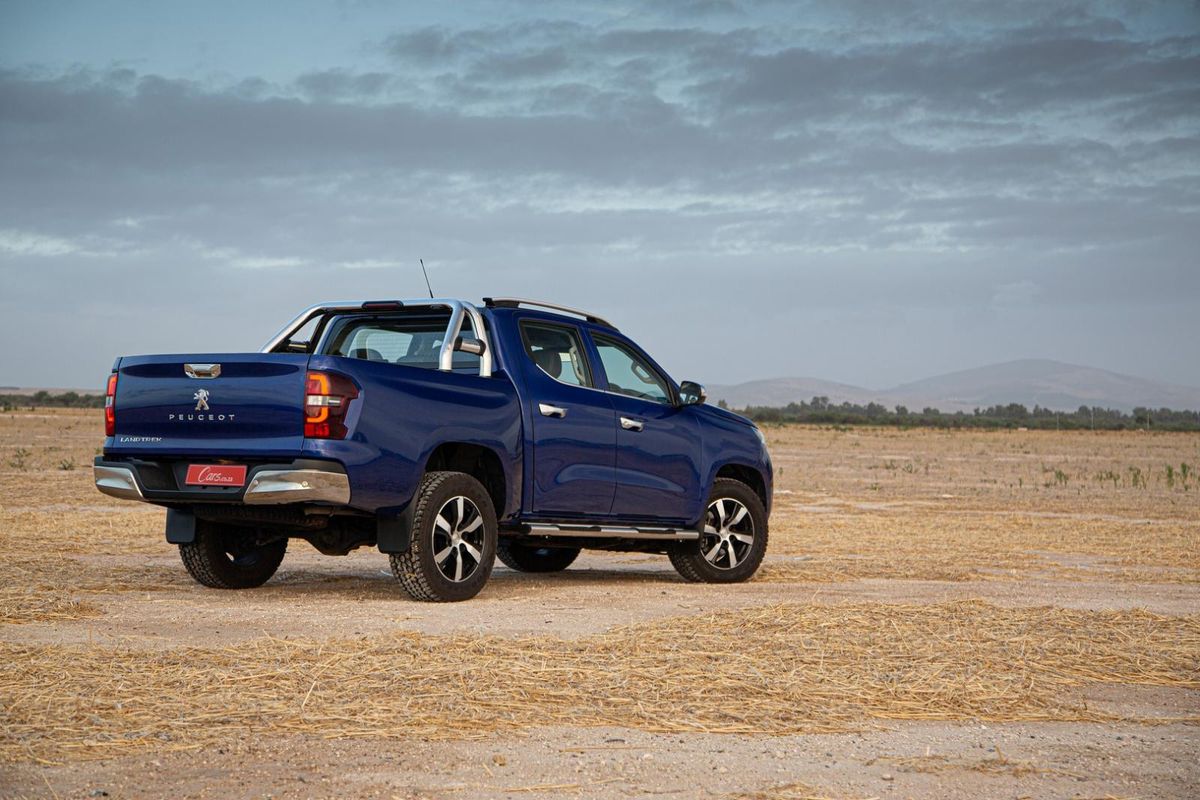
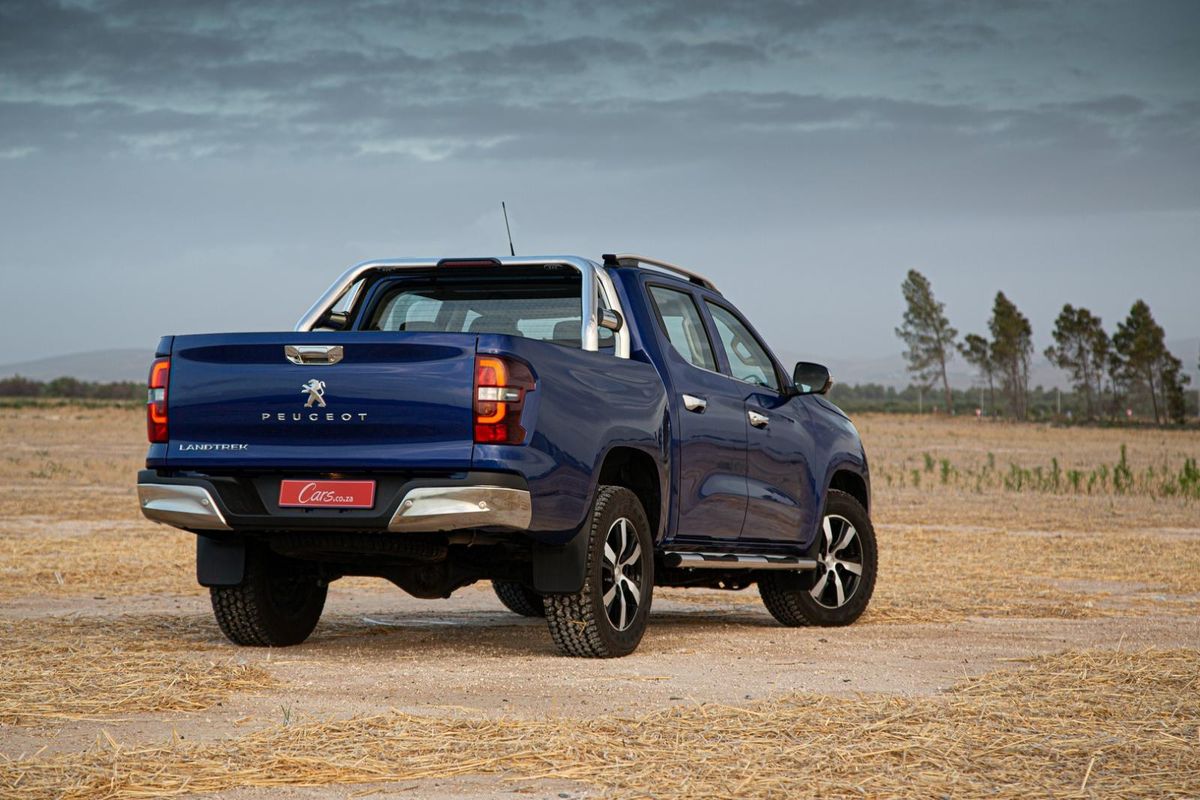
With a spacious and deep load bay, the Landtrek is ready to work when you are.
As far as loading and towing are concerned, the Landtrek has a maximum tow capacity (braked) of 3 000 kg and a payload capacity up to 1 050 kg! The load bin has a rubberised coating and Peugeot claims it’s the biggest “bak” in the segment with a useful depth of 500 mm. As a beekeeper, the tester used the Landtrek on a honey-harvesting expedition, where the double cab proved particularly useful at transporting big and bulky bee boxes and equipment. It’s worth noting that there’s a useful 12V socket in the load bin, but keep in mind that the base of the tailgate is high off the ground, so lifting heavy items onto the back does require some extra elbow grease, as they say.
The Landtrek’s passenger-carrying capability is average at best. Rear legroom is fairly tight (taller passengers will almost certainly complain), but there’s little amiss in terms of seat comfort fore or aft (if there are kids seated at the back).
Interior execution and features
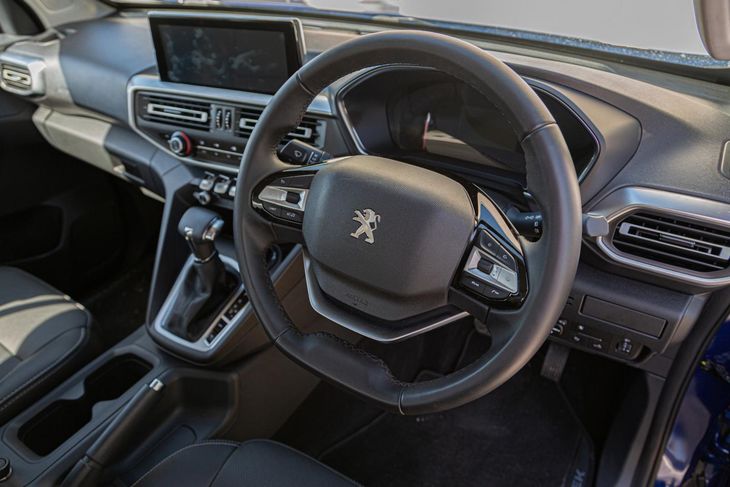
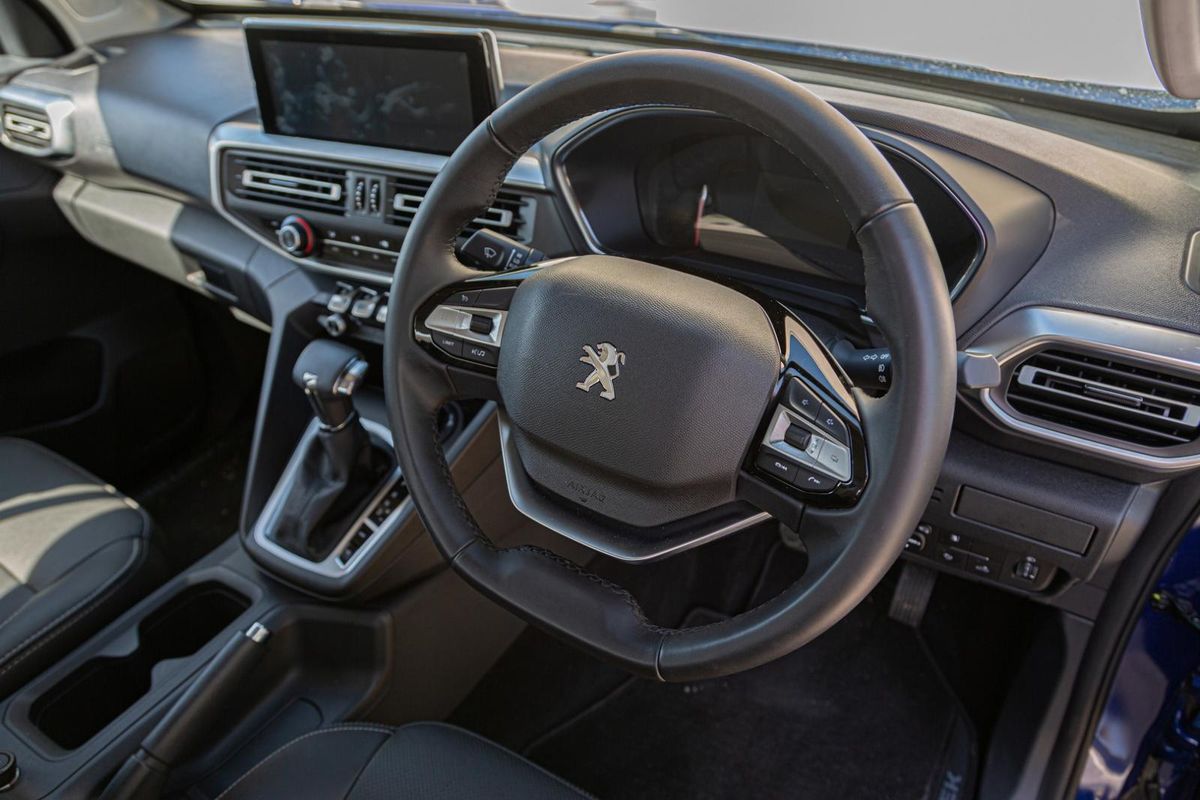
The Landtrek’s interior is not only impressive in terms of design and fit-and-finish, but it’s also very comfortable.
This is the highlight of the Landtrek package – the French newcomer has one of the most comfortable and aesthetically-pleasing cabins in its segment. Granted, the interior is dominated by harder plastics (the only soft-touch material is located on the door armrests), but it’s important to mention that the materials don’t look or feel cheap.
The fascia has a neat, sophisticated design that would not look out of place on a basic unibody SUV. Plus, not only is perceived build quality very good, but the standard specification sheet is nothing short of comprehensive. The electrically-adjusted (front) leather seats are well-bolstered (with lumbar support) and offer supreme levels of comfort – they are not too hard and not too soft, just perfect!
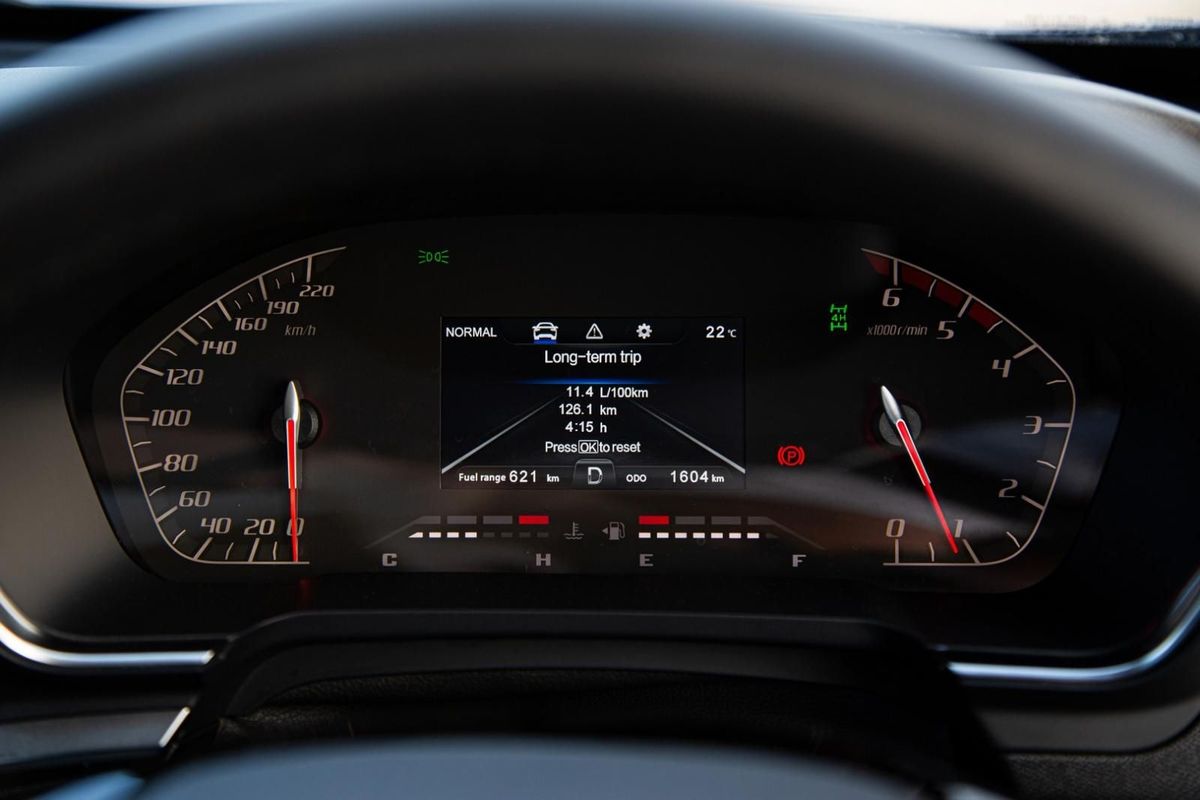
The thick-rimmed leather-wrapped multifunction steering wheel, which is similar to the one in the Peugeot 3008 , is also very impressive. Sadly though, Peugeot’s latest i-Cockpit instrument cluster doesn’t feature in the Landtrek, but the sporty-looking analogue cluster with a central digital display does an adequate job of relaying vital information to the driver. Cruise control is standard but, unfortunately, adaptive cruise control is not offered.
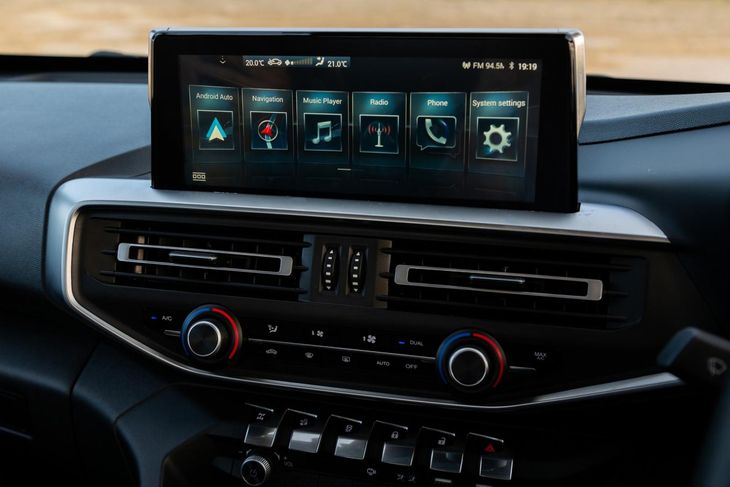
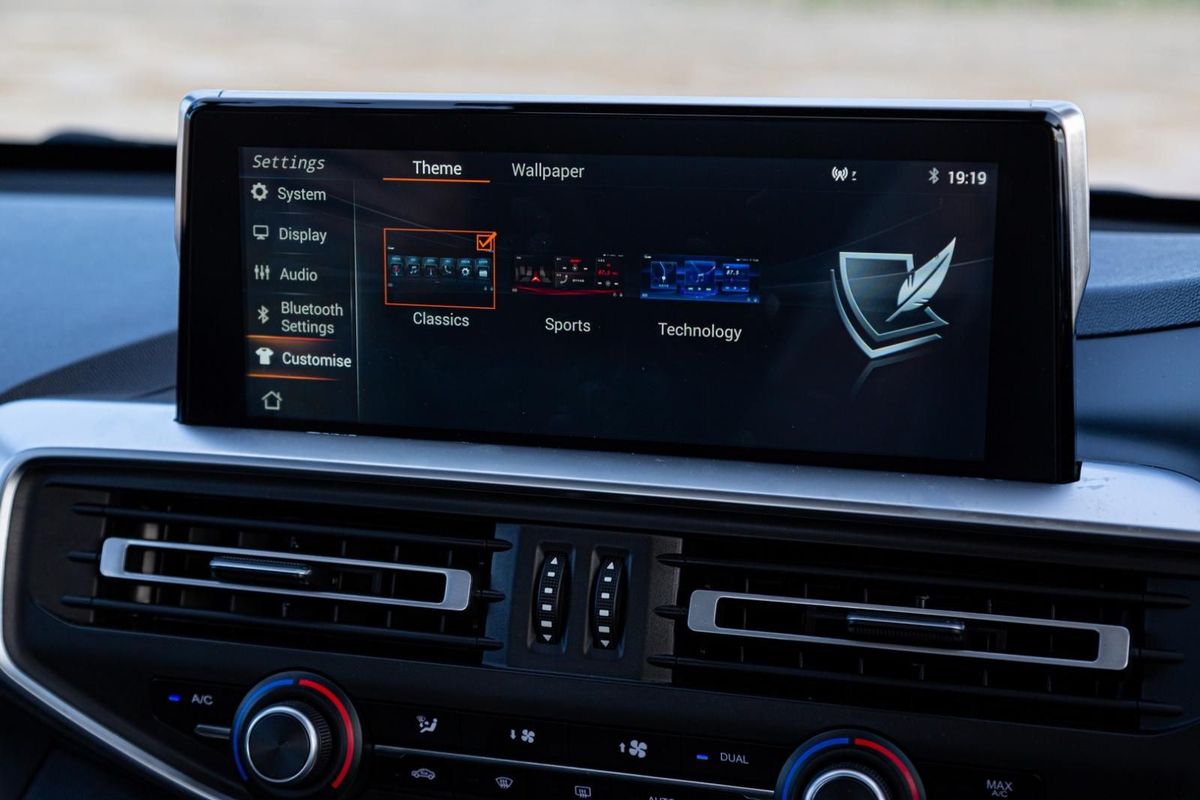
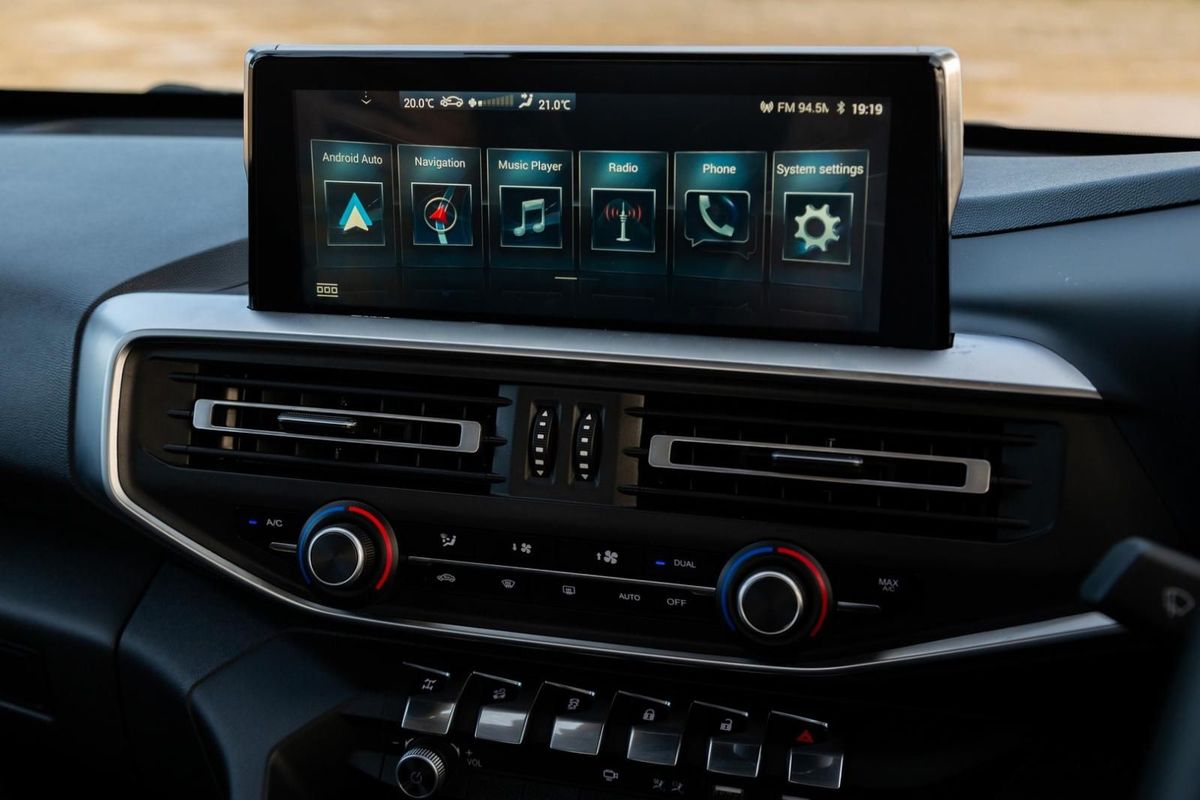
The infotainment system’s layout is legible and easy to navigate.
The Peugeot’s 10-inch touchscreen infotainment system has been transplanted from the Peugeot 5008 and is equipped with integrated navigation, as well as Apple CarPlay and Android Auto capability. The system’s menus are easy to navigate and we think it’s one of the better infotainment systems currently on offer in the bakkie market. There are three USB ports – two in the front of the cabin and one for rear passengers.
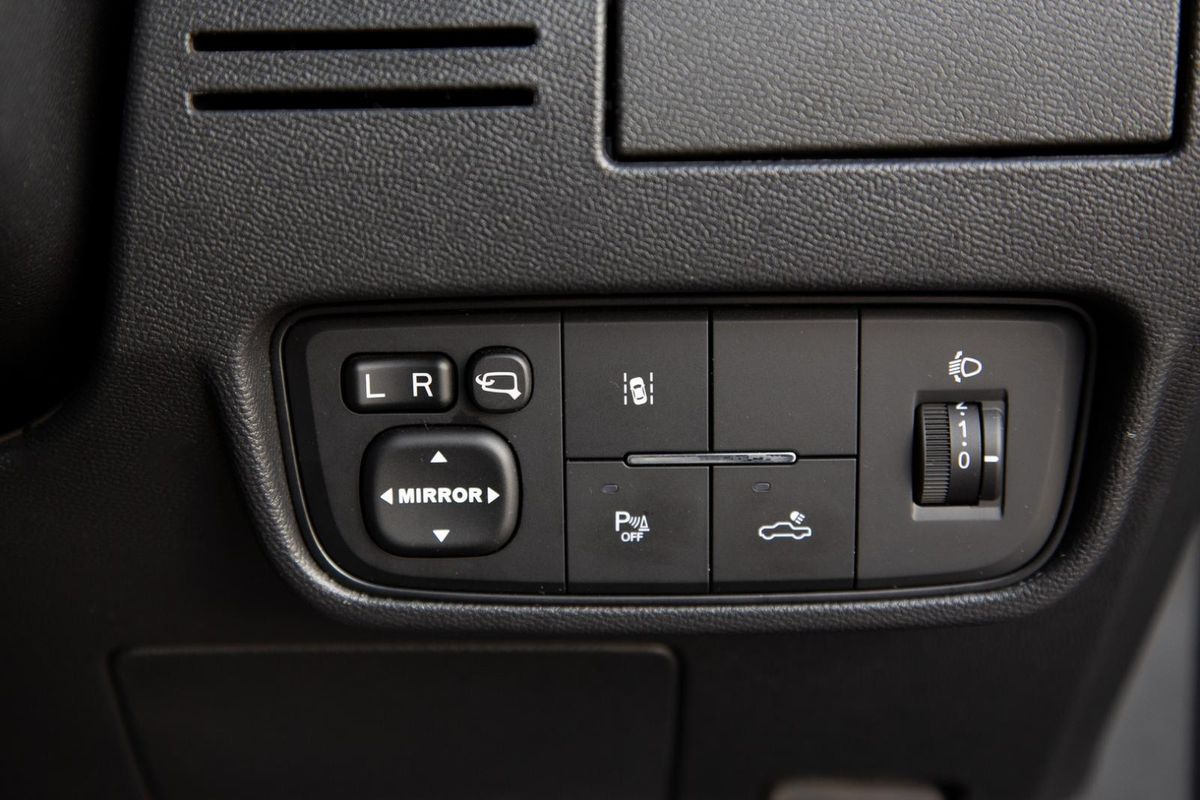
Safety features for the Landtrek include a total of 6 airbags, ABS with EBD, electronic stability control with traction control, brake assist, hill descent control, front and rear park distance control sensors, lane-departure warning, lane-keeping assist, trailer sway control and tyre-pressure monitoring.
Overall, the Landtrek’s cabin is well-equipped and will satisfy the needs of most buyers in this segment.
Price and after-sales support
The Peugeot Landtrek 1.9TD 4Action 4×4 is priced from R669 900 and is sold with a 5-year/100 000 km warranty and a 5-year/100 000 km service plan. The Landrek 1.9TD Allure 4×2 is priced from R579 900.
See full specification details for the Peugeot Landtrek
Buy a used Peugeot Landtrek on Cars.co.za
Verdict
If you are considering the GWM P-Series, the Peugeot Landtrek is a worthy alternative.
The Peugeot Landtrek both hits, and misses, the mark. While it scores highly in terms of kerb appeal, a smart interior execution and standard feature value, the Landtrek also lacks that little bit of extra punch that potential buyers (many of who will also be considering crossovers or medium SUVs) will be looking for at this price point. So where does that leave the French bakkie?
Well, a fairly solid case can be made for the Landtrek if you consider current trends and you’re honest about what you will usually be using the bakkie for. You see, many double-cabs are bought as status symbols that spend more time hopping pavements than going on off-road trips or doing serious workhorse chores. With that said, if you plan on towing boats, horse carts or caravans quite often, you might want to look elsewhere for a bakkie that has more power and torque to achieve those goals comfortably. But, if you just want an average-performing, good-looking double-cab with most of the features you could want at a fairly reasonable price point, then perhaps the Landtrek deserves a closer look.
The bakkie segment is a notoriously tough nut to crack, as many brands have found. Even so, relative success is not entirely impossible to achieve for the boldly-styled Peugeot, especially given the pricing bracket in which it finds itself.
The Landtrek is unlikely to steal many sales from the venerable Toyota Hilux or Ford Ranger, but it undoubtedly takes square aim at the GWM P-Series. We single out the P-Series because it also is a relatively new-to-the-market bakkie that trades on its handsome looks (as does the new Mazda BT-50 , which is also a head-turner), but the GWM also offers particularly generous specification at the top end of its range. By offering exceptional value, the P-Series has managed to win over buyers who can’t quite afford top-end Hilux or Ranger derivatives… and its sales success has been nothing short of astounding. With the arrival of the Landtrek, buyers at this end of the market will have some more thinking to do…
Even in its base Allure 4×2 trim (R579 900), the Landtrek makes a strong buying proposition (if you don’t need 4×4 ability) thanks to its raft of stock features. However, there is an R85k (April 2022) price difference between the range-topping 4×4 derivatives of the Landtrek and P-Series and, while their standard specifications are well-matched, the latter does offer stronger engine outputs. As far as kerb appeal and interior execution are concerned, the Peugeot arguably pips the GWM, but those aspects are subjective – and probably not dealbreakers. It’s up to you to decide if those attributes justify the premium that the Landtrek 1.9TD 4Action 4×4 demands over the P-Series 2.0TD double cab LT 4×4 .
Still, if you are looking at buying the P-Series then you should also have the Landtrek on your shortlist before making your final buying decision. The Landtrek may surprise you and, price-wise, there might even be some wriggle room.