We’ve crunched the numbers and calculated market share to see which of South Africa’s top 10 automakers grew and which ones shrunk in 2023. Here are your winners and losers…
South Africa’s new-vehicle market was flat in 2023, with sales increasing just 0.5% year on year to 532 098 units . But which of the Mzansi’s mainstream automakers outpaced the broader industry in terms of sales growth? And which ones actually shrunk (and lost market share) compared with their performances in 2022?
Well, we’ve consolidated the sales figures for South Africa’s 10 best-selling automakers of 2023 – and calculated market share, too – allowing us to compare these latest numbers with 2022’s statistics. As such, we’ve identified the winners and losers out of the top 10 companies last year.
- ALSO READ: 2023’s best- and worst-selling bakkies
As always, we should point out a couple of caveats. For instance, Toyota’s figures include sales under the Lexus and Hino brands, while the Volkswagen Group incorporates Audi registrations. BMW and Mercedes-Benz, meanwhile, don’t consistently communicate full sales figures to Naamsa, though – according to the industry body’s estimates – both German firms finished outside of the top 10 anyway.
So, here’s your comprehensive overview of the respective performances of the main players in South Africa’s new-vehicle market. Scroll to the bottom of the story to see the full top-10 list.
4 automakers in the top 10 increased sales in 2023
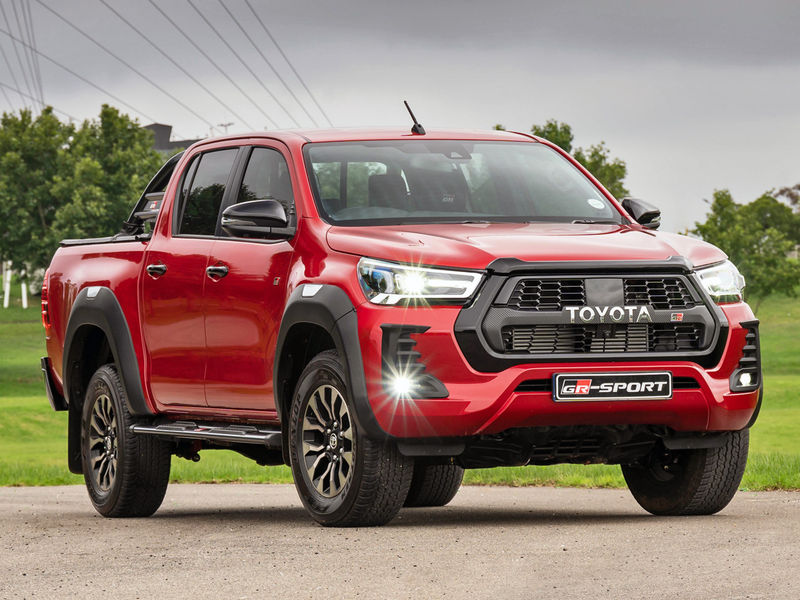
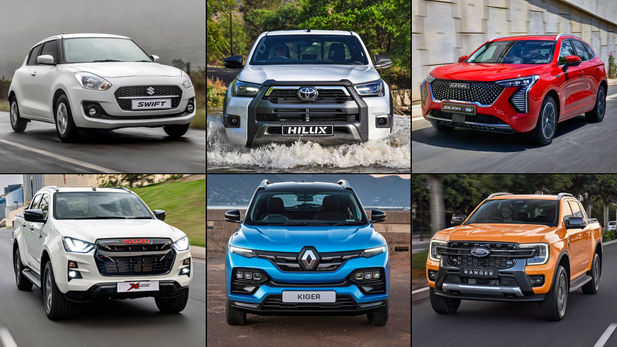
In 2022 , as many as 8 of the top-10 automakers registered year-on-year improvements in sales, but that figure fell to just 4 in 2023. Toyota was again at the very peak in pure volume terms, growing its tally by 8.0% to a whopping 142 612 units (26.2% of which were Hilux sales) in 2023. Having now led South Africa’s new-vehicle market for 44 years straight, the Japanese giant’s market share surged to 26.8% (yes, that’s more than 1 in 4 vehicles sold), the highest on record.
Suzuki retained 3rd place overall by improving its performance by 4.8% year on year to end on 49 438 units . For the record, this translates to a market share of 9.3%, up from 2022’s measure of 8.9%. The Indian-built Swift (SA’s best-selling imported model) was again the brand’s most popular nameplate, with its 15 974 units representing 32.1% of Suzuki’s total registrations.
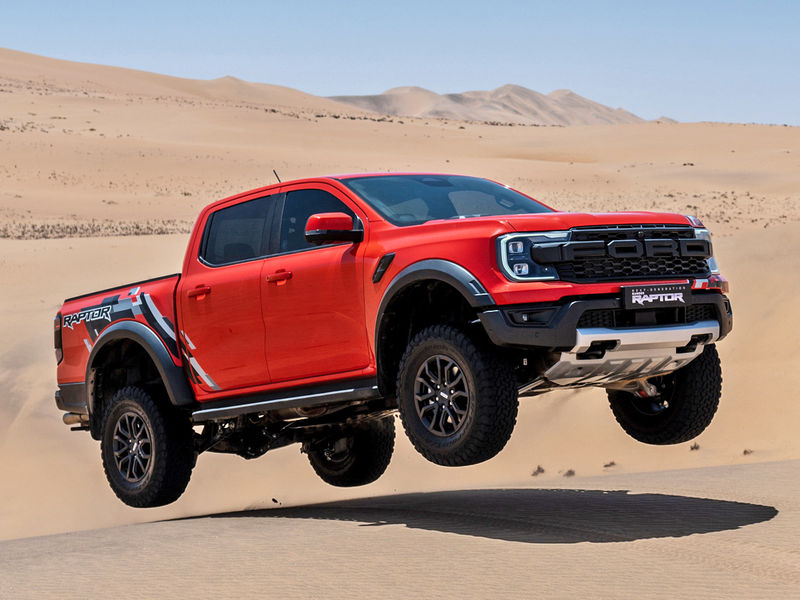
But it was Ford that enjoyed the strongest year-on-year growth in the top 10, increasing its sales a healthy 16.6% to 30 710 units . As a result, the Blue Oval brand climbed 2 rankings to 5th, with its market share rising from just under 5% in the prior year to 5.8% in 2023. As you might have guessed, the Silverton-built Ranger was the main driver of this upturn, accounting for 80.2% of Ford sales.
And the final brand to ramp up registrations in 2023? Well, Isuzu ended the 12-month reporting period on 23 273 units (81.5% of which were D-Max sales), which represents a 9.4% year-on-year improvement. As such, the Japanese company made the largest jump in the top 10 rankings, skipping up 3 positions to snaffle 7th (and boosting its market share from 4.0% to 4.4% in the process).
The 6 automakers in the top 10 that shed sales in 2023
What about the automakers that suffered a decline in sales in 2023? Well, though the Volkswagen Group held steady in 2nd place, its sales dropped 3.4% year on year to 67 456 units . That, in turn, saw the German automaker’s market share slip from 13.2% to 12.7%, despite the fact the Kariega-produced Polo Vivo was again Mzansi’s best-selling passenger car with 23 904 units (or 35.4% of all VW sales).
Similarly, Hyundai retained 4th position despite its tally dropping 11.4% year on year to 31 952 units (and its market share falling slightly to 6.0%). Meanwhile, Nissan – which reported a 4.4% reduction in sales to 29 158 units – slid a spot to 6th, seeing a marginal dip in its market share at 5.5%. With production of the NP200 half-tonne bakkie (which made up a heady 43.6% of the firm’s registrations in 2023) set to end in March 2024 , it will be intriguing to see where Nissan lands up by the time the year is over.
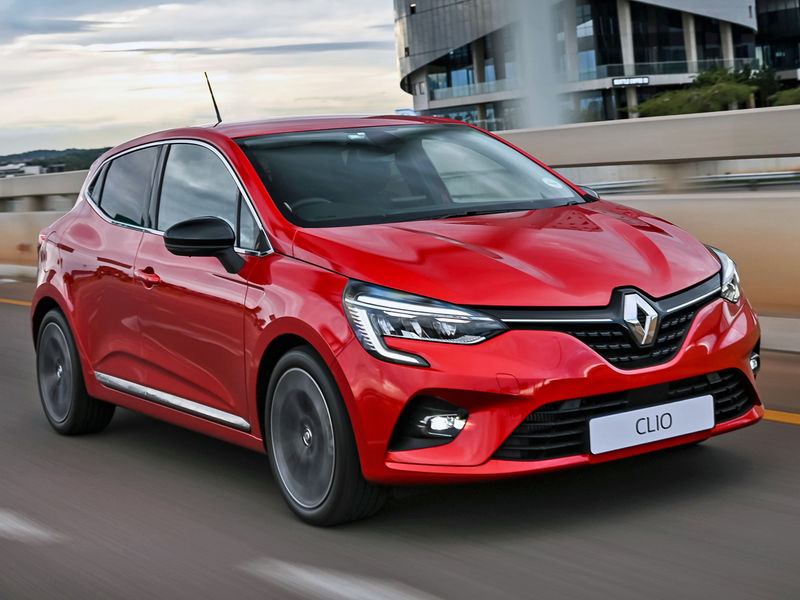
But it was Renault that endured the sharpest year-on-year decline in the top 10, with the French firm’s sales tumbling 20.4% to 21 703 units ; its market share sliding from nearly 5.2% to 4.1%; and its overall ranking dipping from 6th to 8th. Interestingly, the Kiger (7 725 units) and Kwid (6 222 units) together accounted for 64.3% of the brand’s sales last year.
Fascinatingly, Haval also experienced a noteworthy drop off in sales – losing 12.1% year on year to finish on 19 904 units – though the Chinese automaker held onto 9th place (with its market share slipping to 3.7%). Finally, Kia sunk 2 spots to 10th, with its final tally of 19 086 units representing a 16.2% drop over 2022’s effort. The Korean automaker’s market share, meanwhile, fell from 4.3% to 3.6%.
Where did these ‘dropped’ sales go in 2023?
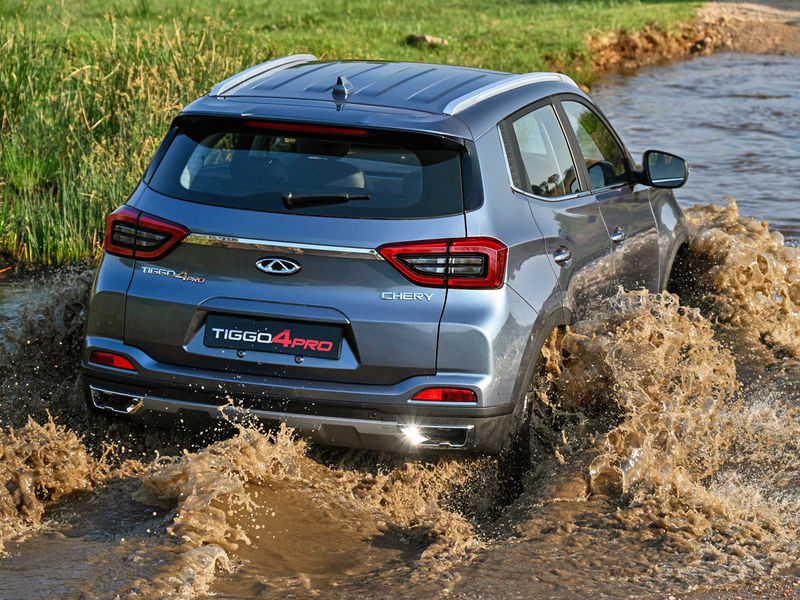
Although it’s impossible to tell exactly where these “lost” sales went (besides to the 4 automakers – Toyota, Suzuki, Ford and Isuzu – in the top 10 that grew last year), it’s certainly worth highlighting the performance of the 11th-placed Chery. Unfortunately, since the Chinese firm started reporting local sales figures to Naamsa only in July 2022, we can’t calculate its year-on-year improvement for 2023.
Still, Chery ’s total for 2023 was significant at 16 319 units (note that this figure excludes Omoda sales, which are not currently reported to Naamsa), putting it just 2 767 registrations behind Kia. That translates to a market share of around 3.1%, a percentage all the more impressive considering the company currently has just three model lines in the passenger-vehicle segment (and none at all in the light-commercial vehicle market). We’re keen to see where this Chinese automaker ends up in 2024…
South Africa’s 10 best-selling automakers of 2023
1. Toyota – 142 612 units (+8.0%)
2. Volkswagen Group – 67 456 units (-3.4%)
3. Suzuki – 49 438 units (+4.8%)
4. Hyundai – 31 952 units (-11.4%)
5. Ford – 30 710 units (+16.6%)
6. Nissan – 29 158 units (-4.4%)
7. Isuzu – 23 273 units (+9.4%)
8. Renault – 21 703 units (-20.4%)
9. Haval – 19 904 units (-12.1%)
10. Kia – 19 086 units (-16.2%)
Related content
Polo Vivo or Corolla Cross? SA’s 10 best-selling cars of 2023