
Subaru’s Impreza WRX (known simply as the WRX since 2014) is an icon of the performance motoring world, but given the prevalence of hyper hatchbacks, is there still a place for a hot sedan with a 6-speed manual ‘box and, can it fill the gaping hole left by the previous generation WRX STI? We get behind the wheel of the three-pedal-equipped 2022 Subaru WRX 2.4T.
We like: Performance, engine sound, handling, comfort, fun factor, refinement
We don’t like: Thirsty, fussy infotainment system
FAST FACTS
- Model: Subaru WRX 2.4T
- Price: R799 000 (November 2022)
- Engine: 2.4-litre 4-cylinder turbopetrol
- Power/Torque: 202 kW and 350 Nm
- Transmission : 6-speed manual gearbox
- Fuel consumption: 9.9 L/100 km (claimed)
- 0-100 kph: 6.49 seconds (tested)
- Luggage capacity: 423 litres
Serious about buying/selling?
Browse the latest Subaru WRX specs and prices.
Some dealerships regularly offer great deals. See our New Car Specials!
Looking to sell your car? Sell it on Cars.co.za for free
Where does the new Subaru WRX fit in?
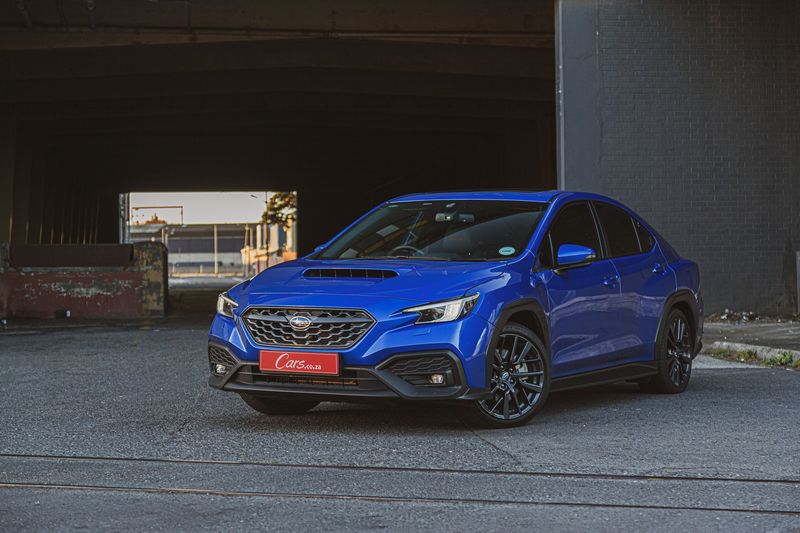
Let this sink in: the WRX is the fastest new Subaru you can buy. Rumours of an upcoming WRX STI version persist, but Subaru has officially stated that it won’t build a halo version (it’s apparently saving the STI badge for an electrified future model). Still, the WRX attempts to represent what the Japanese brand does best: performance, technology and handling galore. For 2022, there’s a new 2.4-litre flat-4 turbopetrol engine, available with either a 6-speed manual ‘box or a CVT.
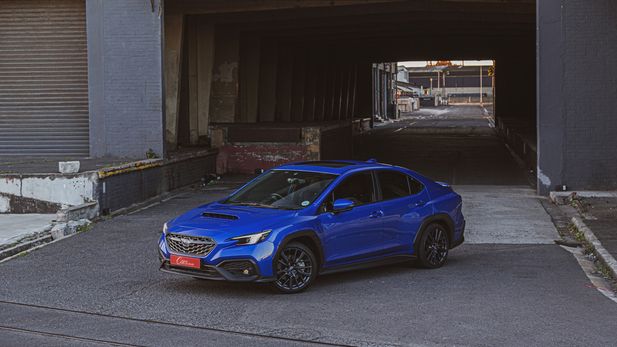
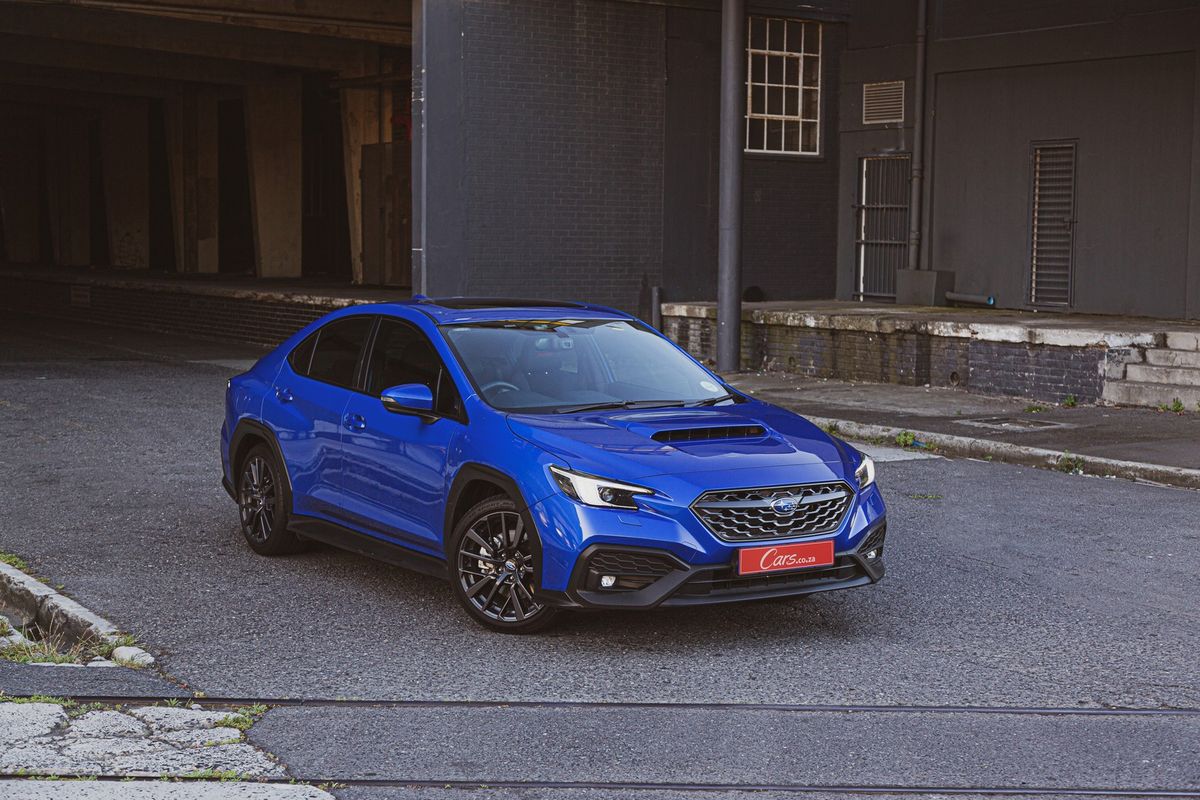
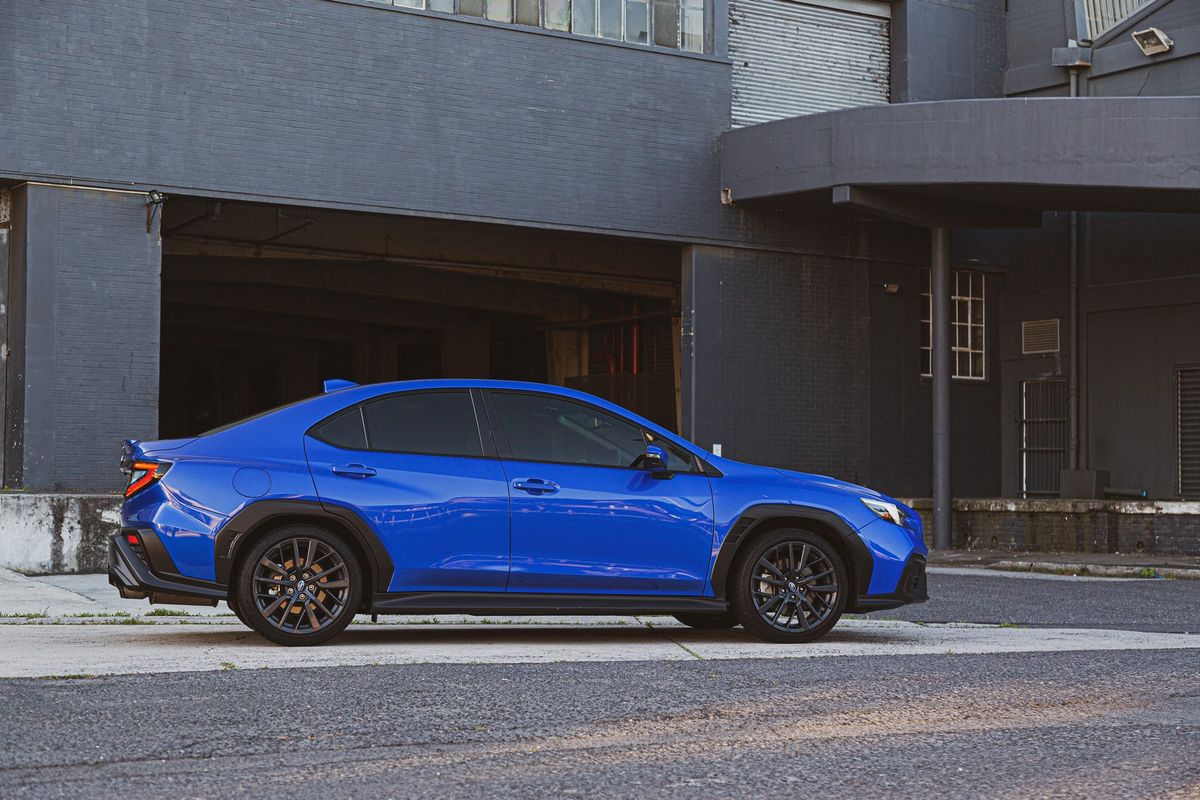
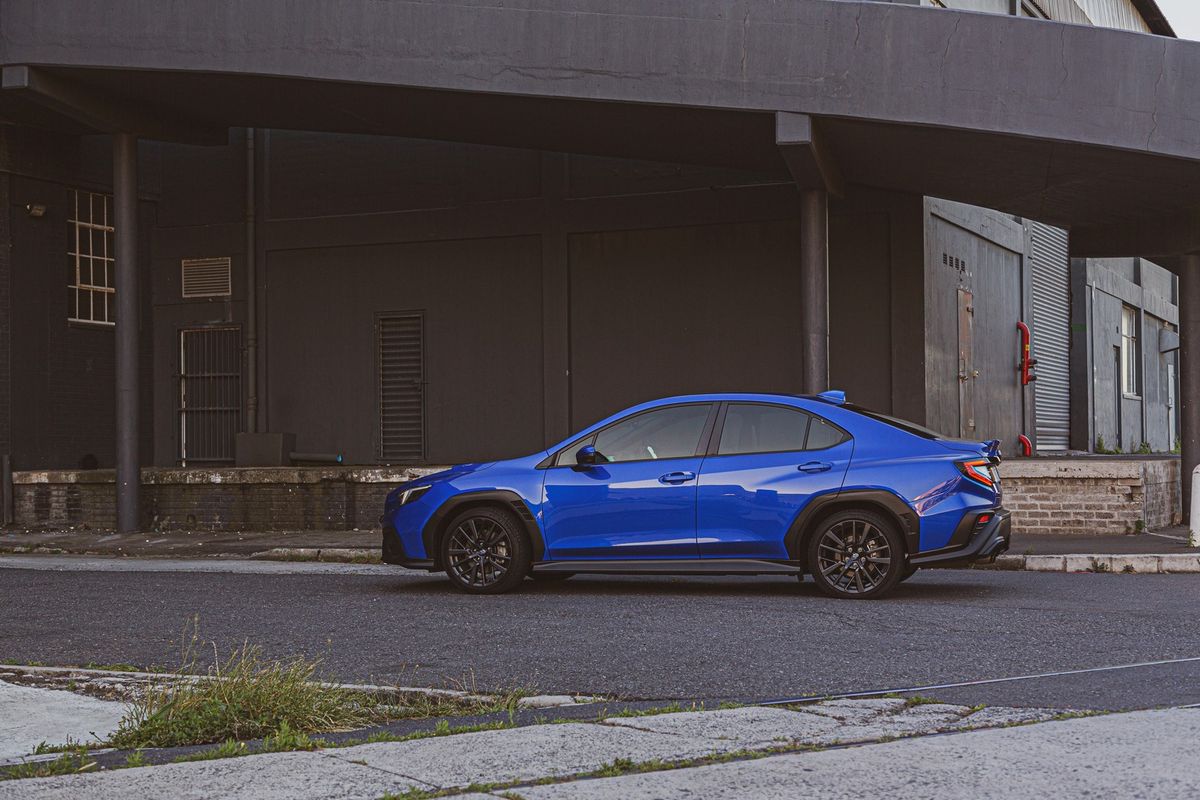
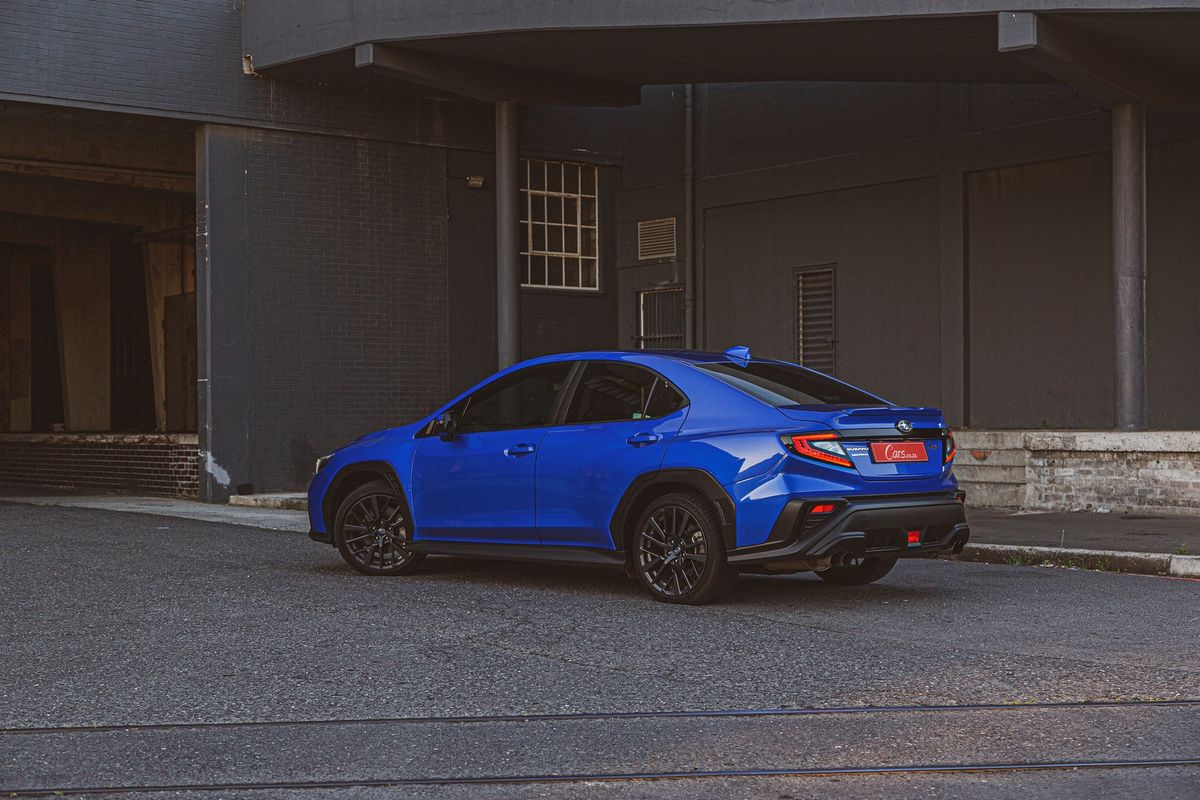
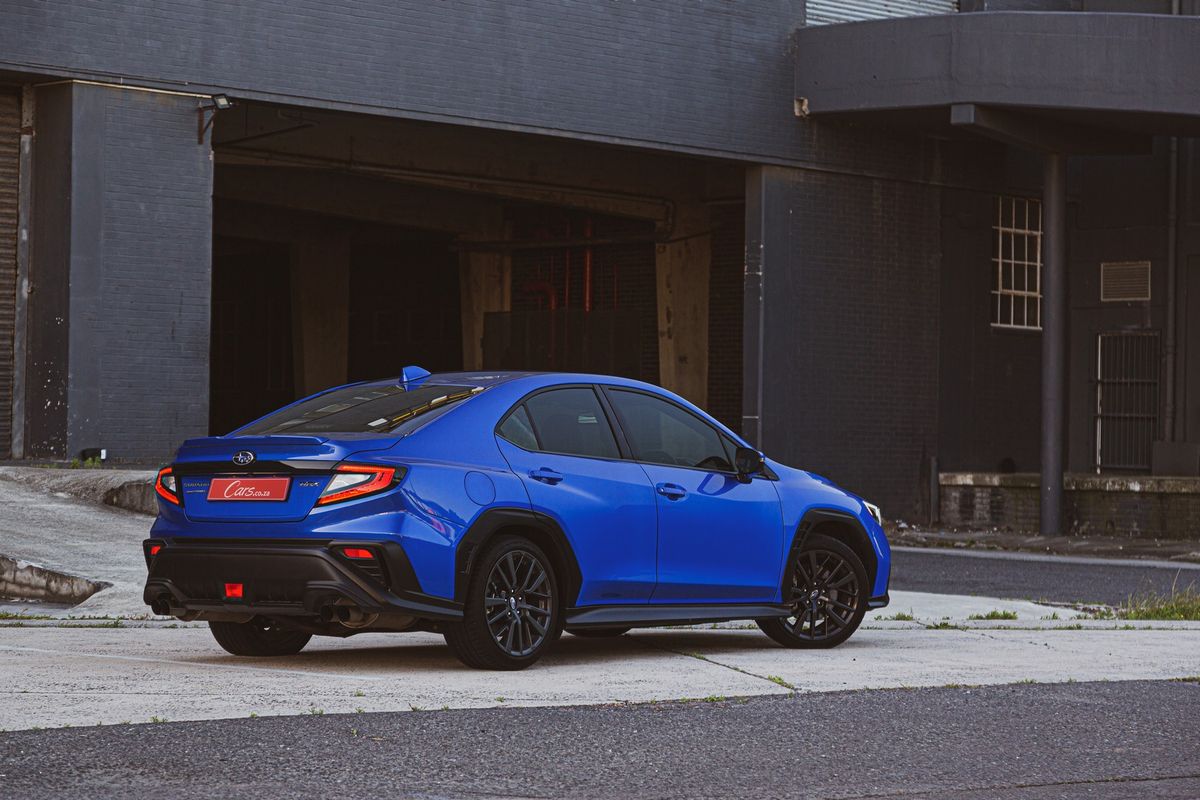
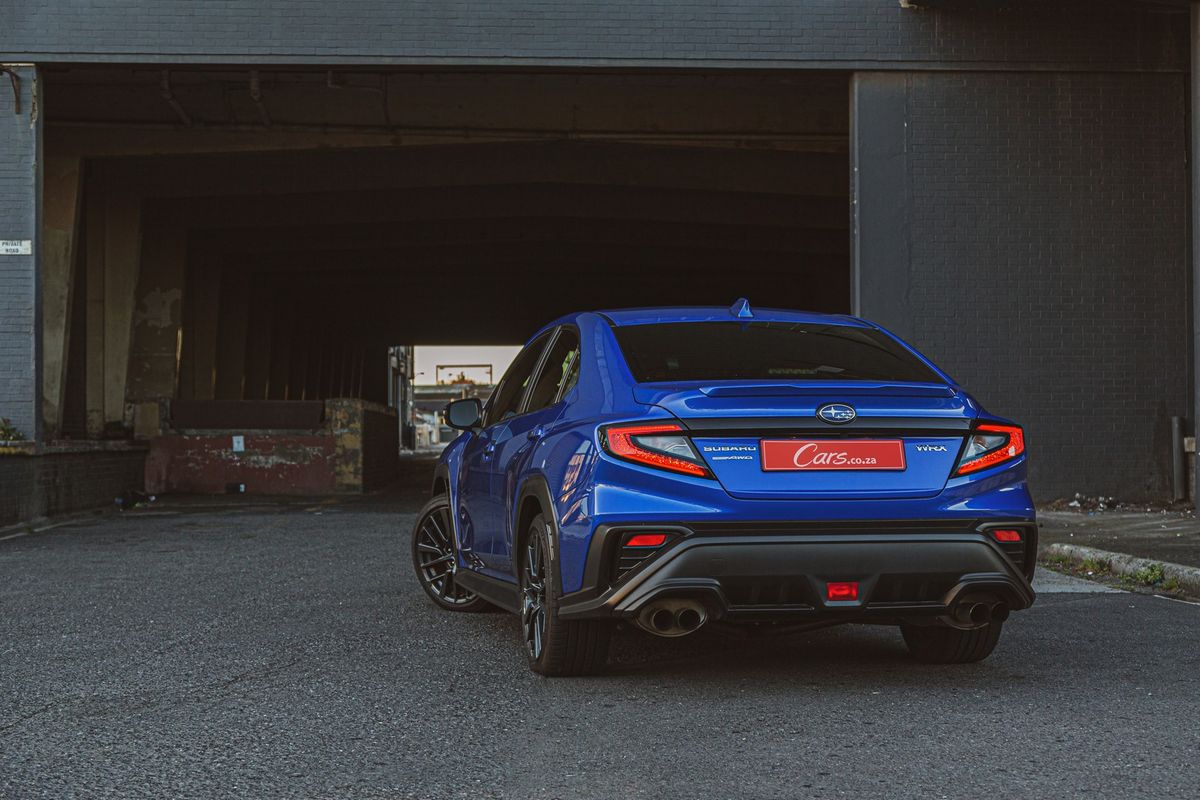
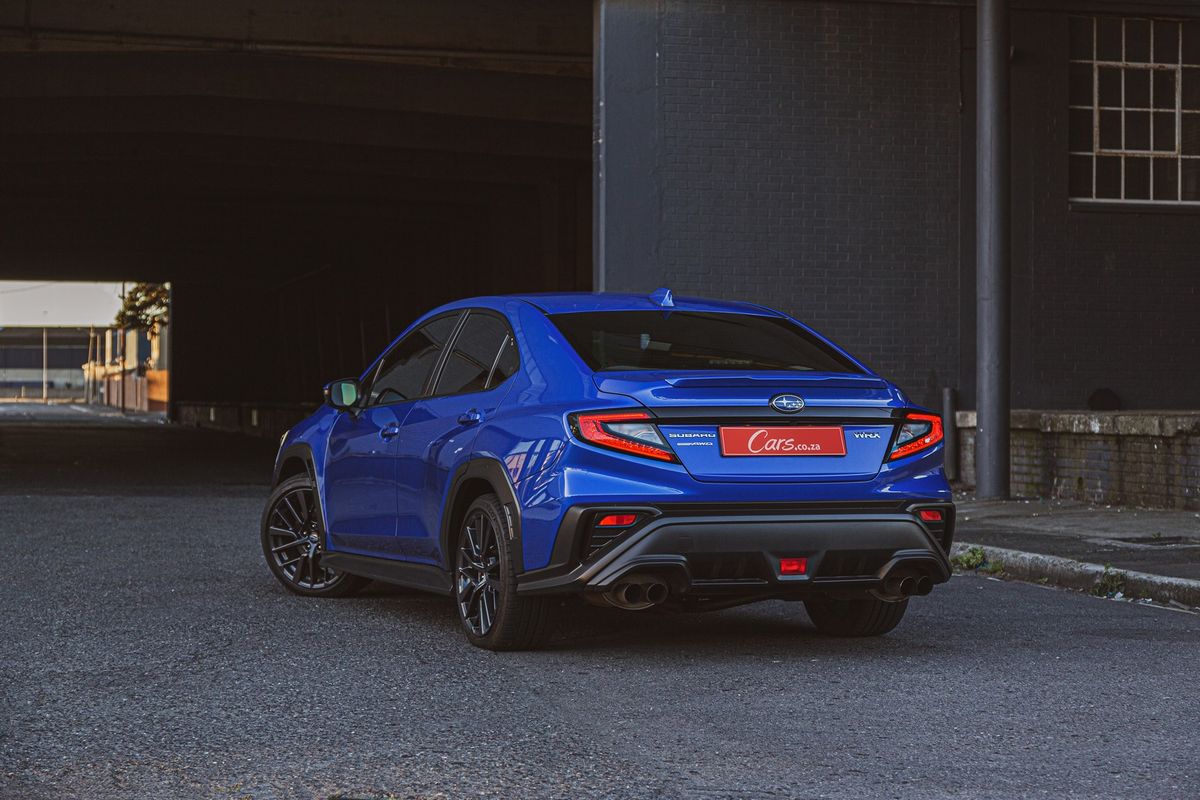
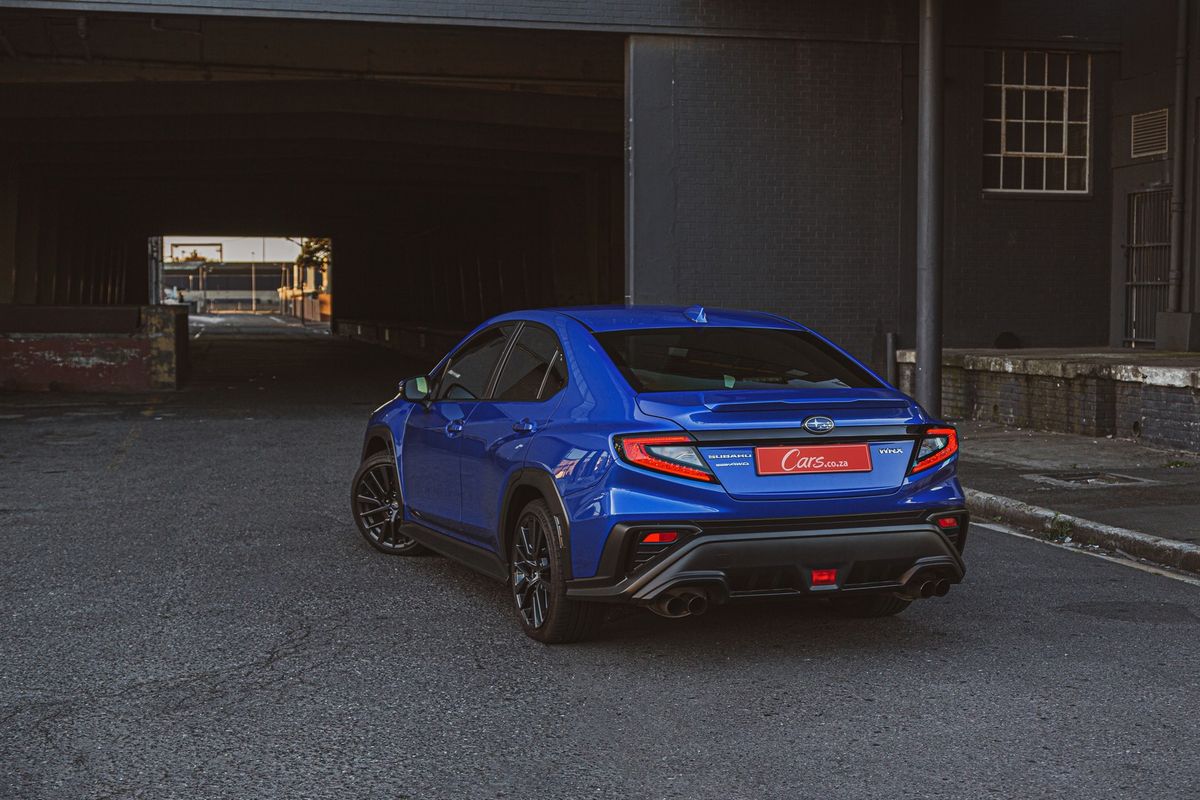
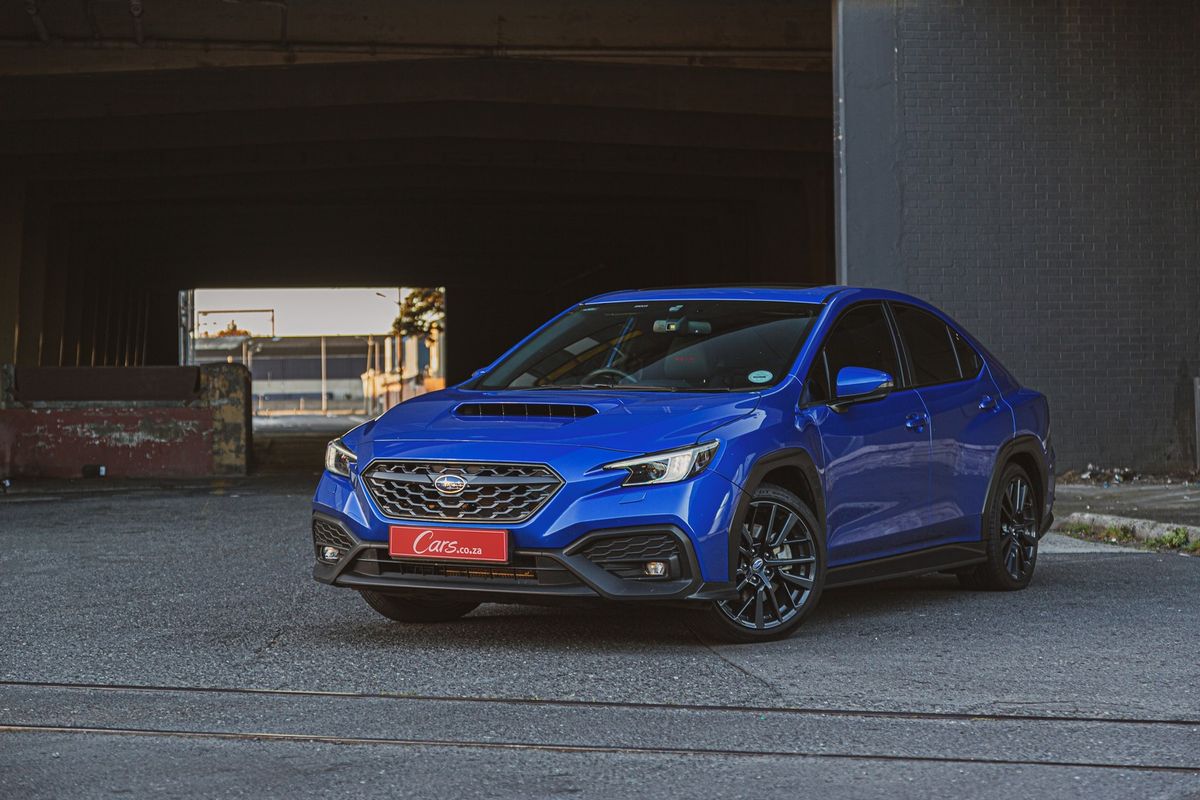
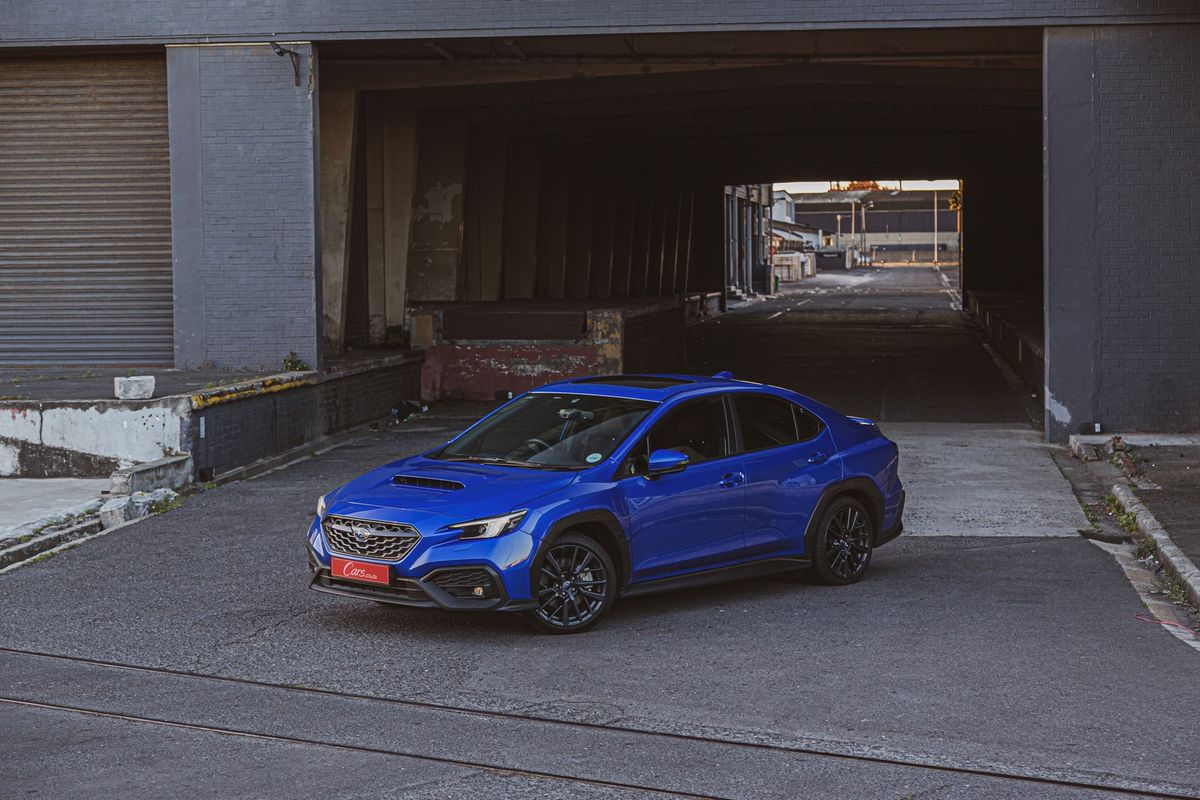
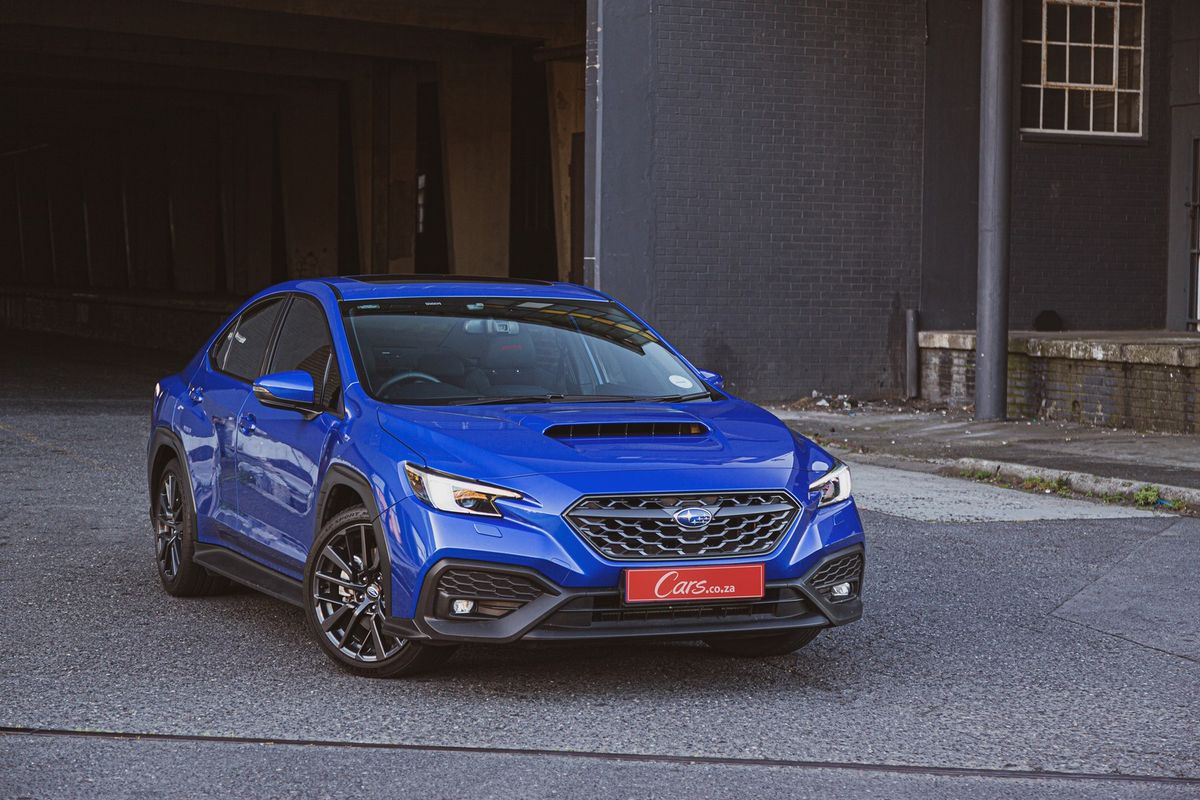
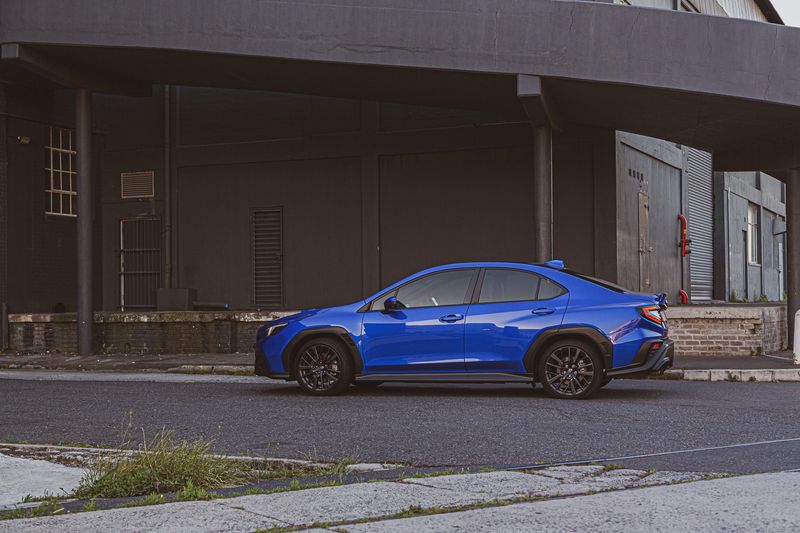
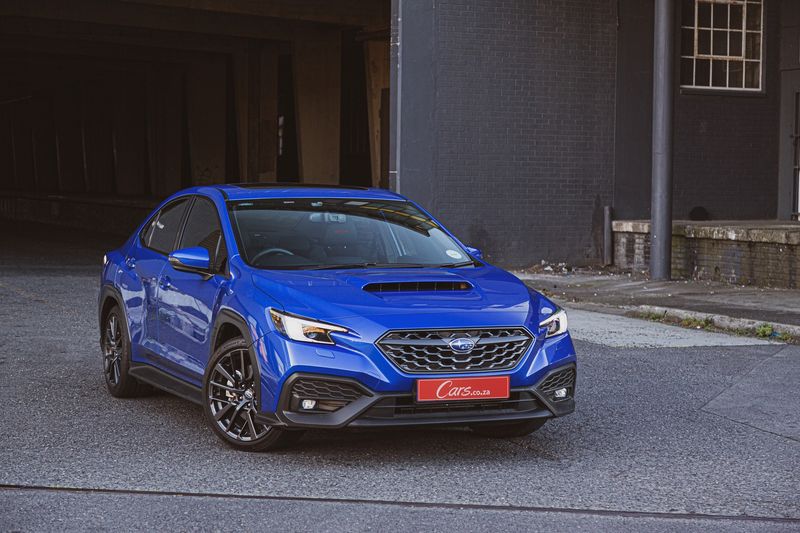
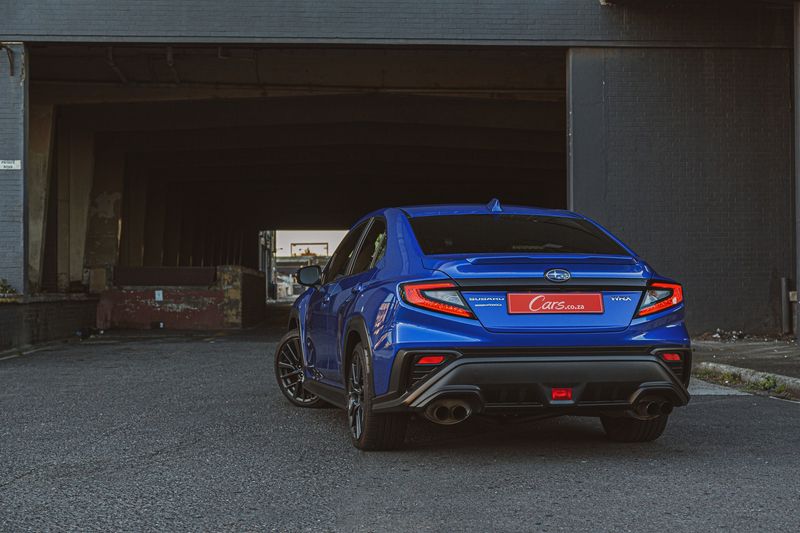
The newcomer’s exterior styling is, well, interesting; it looks purposeful, with rallycross-aping flared wheel arches that are finished in black, combined with a large rear diffuser, again in black, but the overall effect is strangely restrained. During the WRX 2.4T’s tenure in our test fleet, it drew a variety of opinions – positive, neutral and negative. Clearly, it doesn’t appeal to everyone, but if it were up to us, we’d add more body colour to the rear bumper – it does look a tad unfinished.
If you have around R800 000 to spend on a new vehicle and want to buy something fast and fun, petrolheads still have some excellent models to choose from. Granted, the majority of these are hot hatchbacks and not quite as practical as the Subaru sedan. The 8th iteration of the market’s perennial favourite, Volkswagen’s Golf GTI , is easy to recommend by virtue of its combination of style, luxury, sufficiently urgent performance, crisp handling and, of course, all-round usability.
But for outright driver engagement, the Hyundai i30 N and Kona N are arguably two of the most exciting and thrilling products to have hit local shores. If you’re a purist and want the full manual experience, then consider the outgoing Honda Civic Type R . If all-wheel drive is a must-have, then the Audi S3 , BMW M135i xDrive and Volkswagen Golf R are worth a look, but they are significantly more expensive. The Mercedes-AMG A45 S is in another league altogether.
Compare the Subaru WRX to its rivals here.
How the Subaru WRX fares in terms of…
Performance and economy
Under the bonnet of the Subaru WRX 2.4T sits a bigger-capacity engine. Throughout its history, the WRX has been served (and dutifully so) by a 2.0-litre horizontally opposed 4-cylinder turbopetrol motor. Now, for 2022, there’s a new 2.4-litre flat-4 (or “Boxer”) engine on duty. While the WRX’s peak outputs have not changed radically, the motor is more flexible, which is to say performance is more accessible. Maximum torque comes in earlier and lasts longer (2 000 to 5 200 rpm).
A performance model equipped with a manual gearbox is a rarity in 2022. Dual-clutch automatic transmissions produce rapid, snappy gear shifts on demand, but they don’t demand any concentration or effort on the part of the driver; the hardware does all the work. With the current crop of German hatches, going fast has never been easier. Push a few buttons to arm the launch control, mash the accelerator and release the brake pedal. It’s fun, but requires no driving skill.
Getting a launch start right with the Subaru WRX is a different matter altogether; it requires practice, patience (and, if you have it, skill), but it’s so satisfying when you get it right. Set stability control to Sport, let the revs climb to 4 500 rpm, dump the clutch and feel the Japanese sedan bolt from the line as if it’s been flung from a catapult. Our testing gear recorded 1.25g on full acceleration! Don’t enjoy the moment too much as you’ll soon reach for the next gear, and repeat.
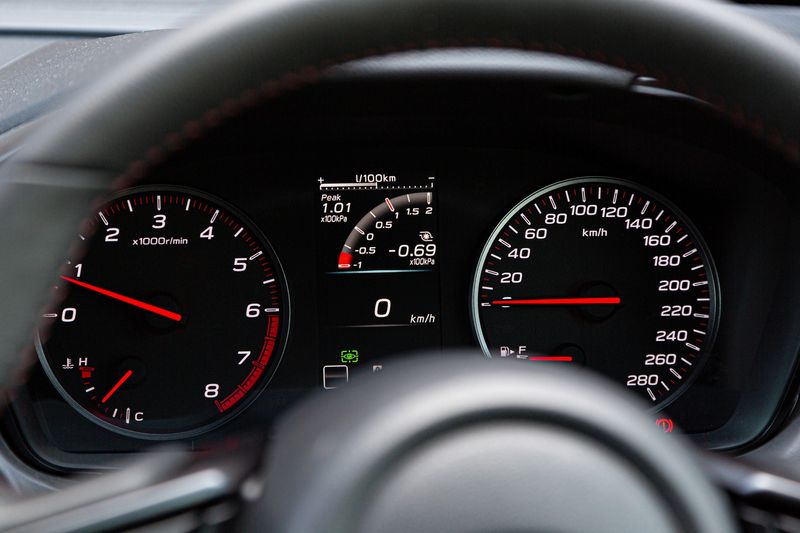
The manual-equipped WRX 2.4T felt quick and energetic during the performance testing section of the review programme, but when we consulted the numbers, we were a trifle disappointed. A 0-100 kph time of 6.49 sec and a quarter mile time of 14.25 sec aren’t slow, but considering what modern performance hatchbacks are capable of – or even previous-gen WRX and WRX STIs, for that matter – we felt underwhelmed. Twenty years ago, these things were doing mid-5s.
For what it’s worth, Subaru claims a 0-100 kph time of around 6 sec and we reckon we could shave a tenth or two off our time, but that would inflict additional (and unnecessary) wear and tear on the clutch of Subaru SA’s marketing unit.
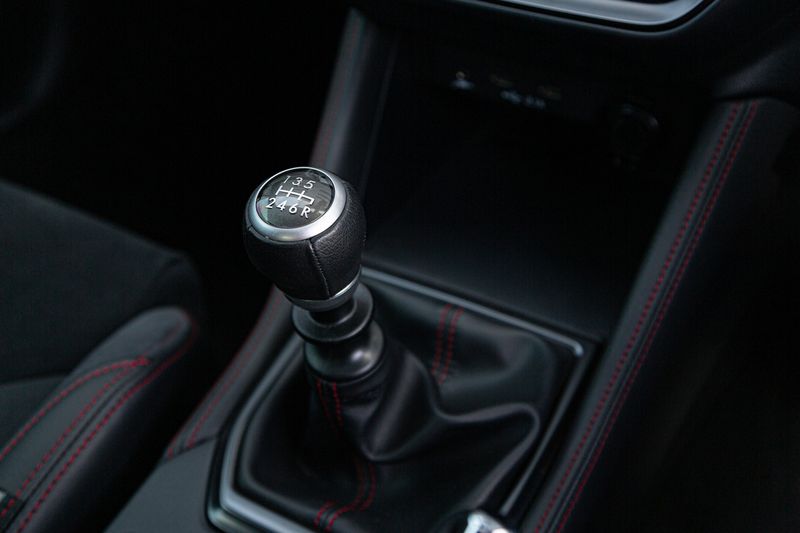
So, why has the WRX “lost a step”? Well, 2 factors are at play. First of all, the WRX is no longer a lightweight athlete; with a kerb weight of around 1600 kg, it’s significantly heavier than before. Secondly, the 6-speed gearbox has short ratios that require a shift into 3rd gear to reach 100 kph. Each gear change probably costs a tenth of a second. We tried holding onto 2nd for as long as possible, but the limiter kicks in agonisingly close to 100 kph; you simply have to grab 3rd.
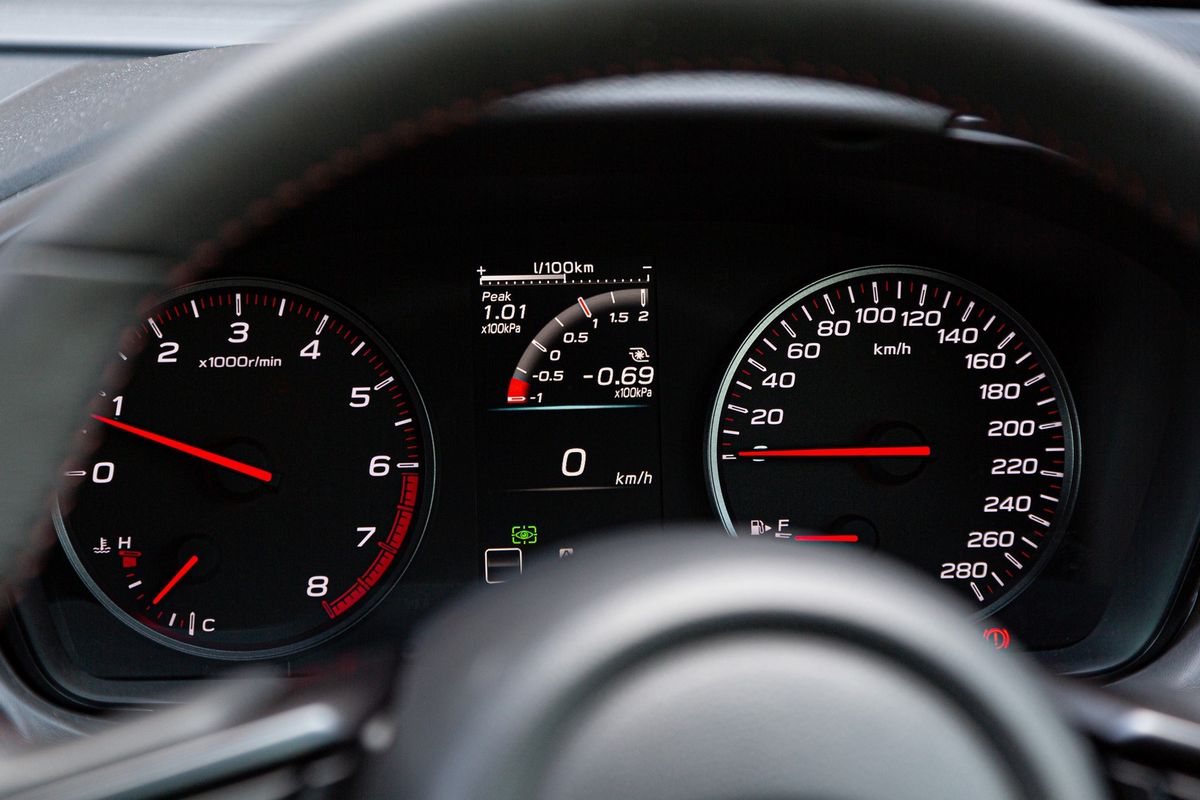
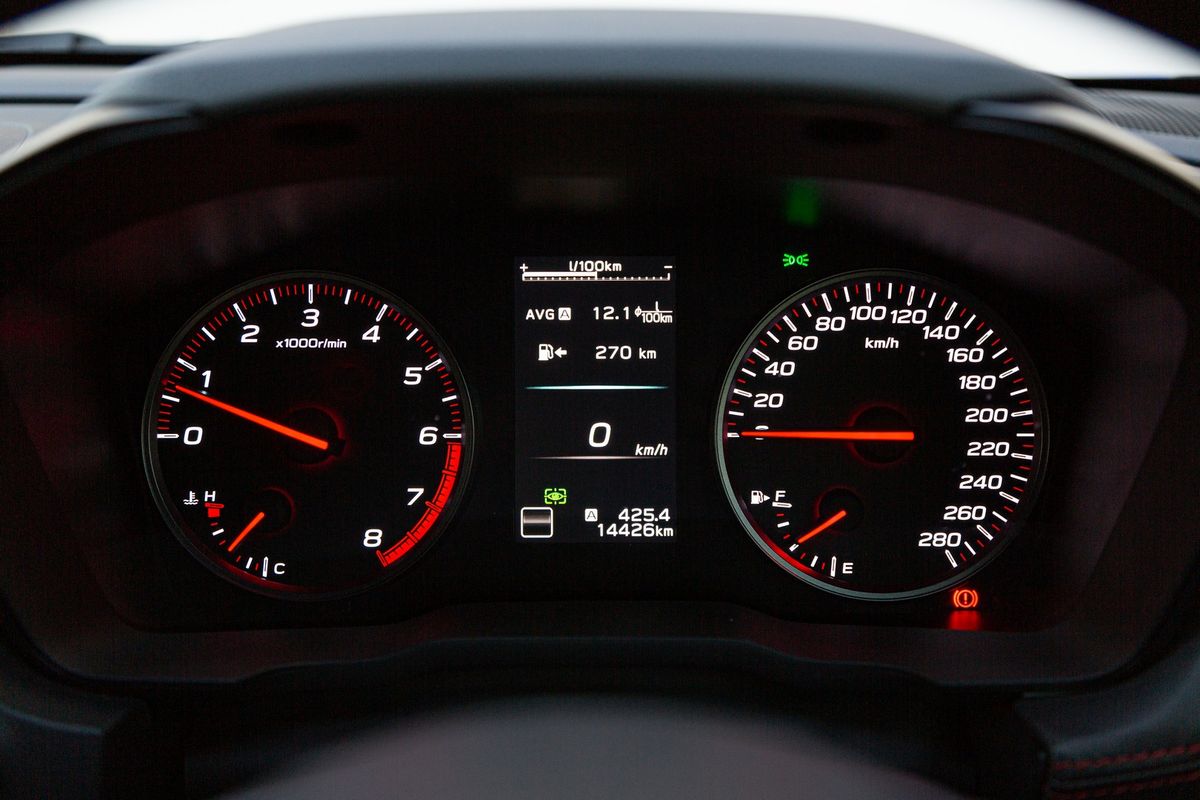
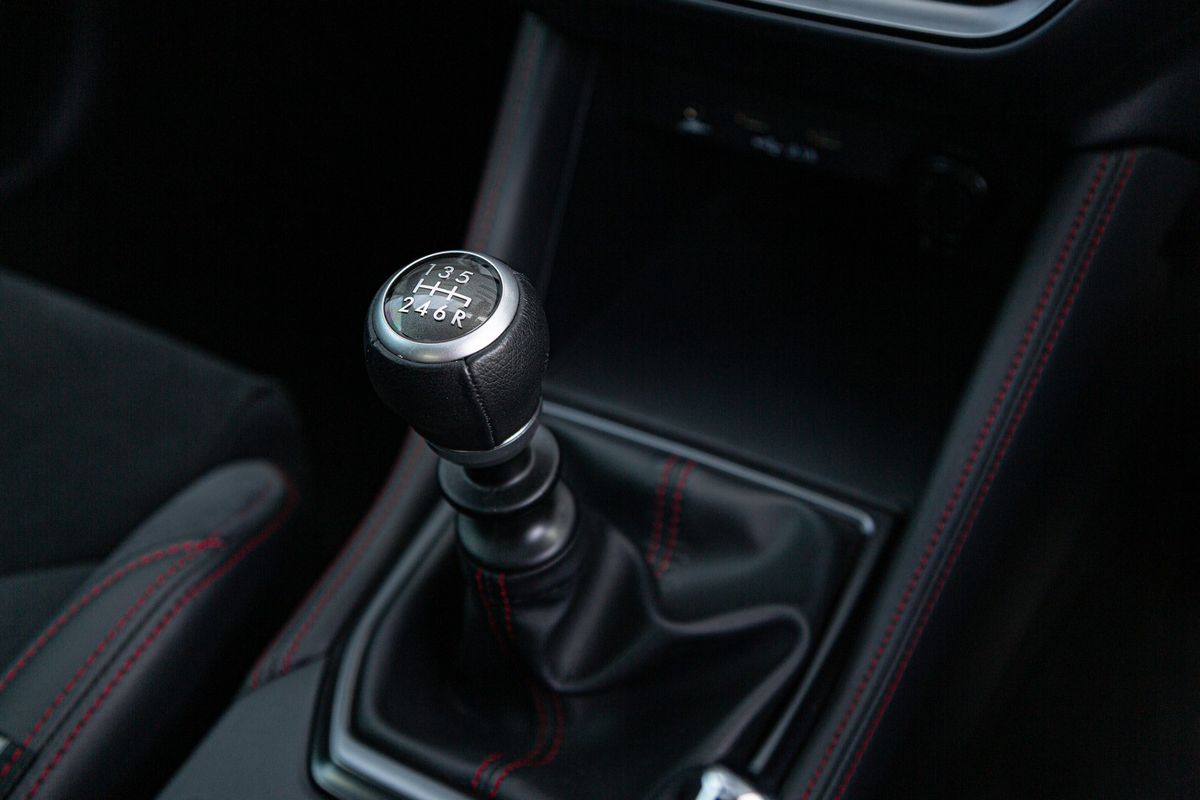
The shift action of the manual transmission is typical of a Subaru “stick shift”; it has a meaty throw, allied with a heavy-duty clutch. It’s good, but not quite as polished or direct as something like the Honda Civic Type R’s ‘box. There are pros and cons to having short ratios… Let’s get the bad news out of the way first. Even in 6th gear and at the national speed limit, the revs sit a bit higher than expected (at around 3000 rpm), which means the WRX isn’t an ideal open-road cruiser.
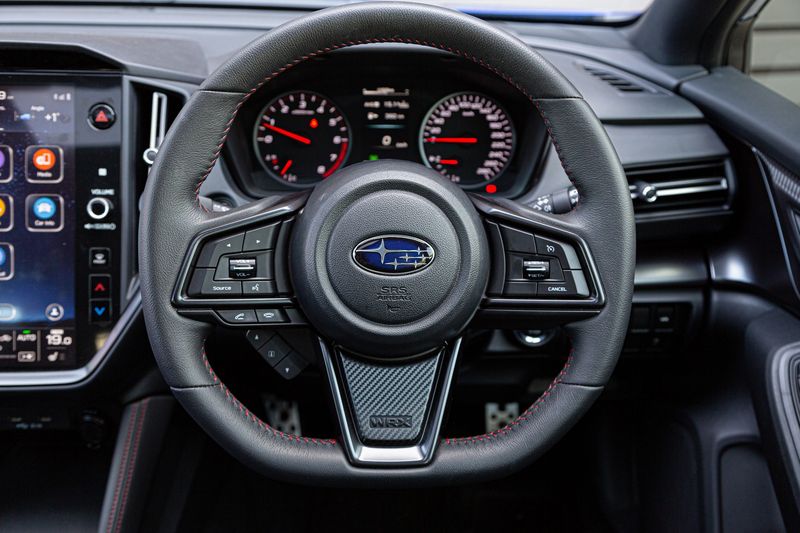
But, this is offset by the pros. The short ratios have helped immensely to improve the immediacy/responsiveness of the powertrain. Turbo lag is significantly curtailed – to overtake slower traffic, simply flatten the accelerator pedal. There’s no need to gear down or wait for an auto ‘box to select the appropriate gear, the WRX just pulls. Tractability is excellent, and even at 65 kph in its highest gear, the WRX does not hesitate in piling on the power and spearing towards the horizon.
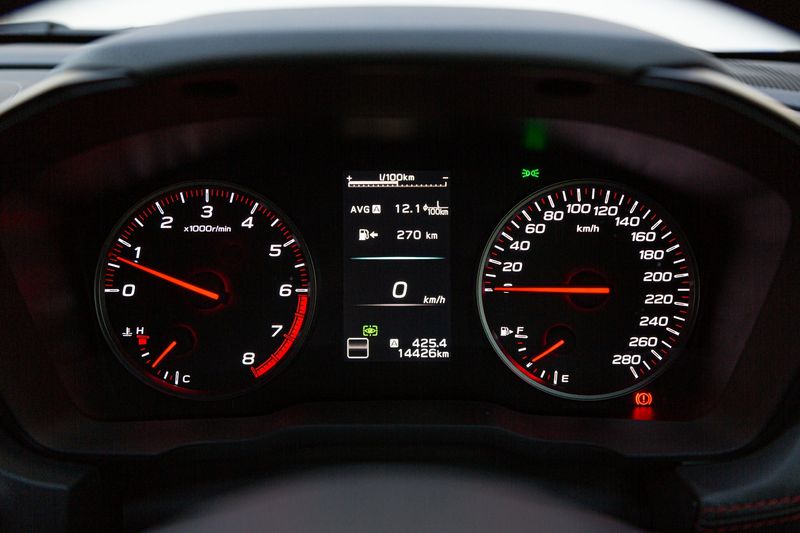
Because we drove the WRX enthusiastically, we saw an indicated fuel consumption of 14 L/100 km on the trip computer, which we managed to get down to 12 by the end of the test. Still, it’s a fair bit higher than the claimed 9.9 L/100 km.
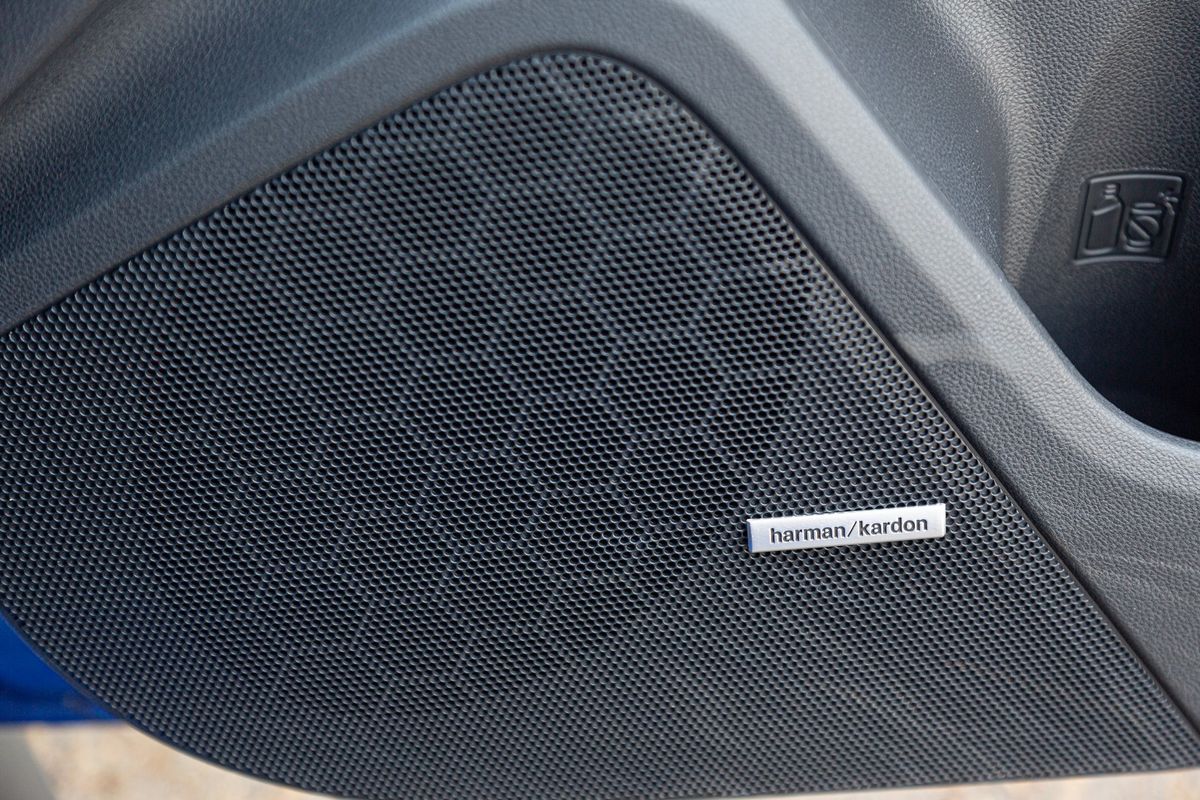
Our unit also came fitted with an optional sports exhaust, which addresses one of the criticisms of the CVT-equipped tS ES derivative we reviewed recently – that test unit’s pipes just sounded far too subdued. This new “plumbing” is excellent; it adds a terrific bass rumble and some burbles when you downshift. It can get a bit tiresome on the open road, but we drowned out the drone with the excellent Harmon Kardon audio system.
Ride and handling
Suffice it to say, the WRX features a well-sorted all-wheel drivetrain (it’s the model’s unique selling point) and the sedan’s handling ability is staggeringly impressive, although not surprising, given the lofty levels of grip it has at its disposal. We utilise a well-maintained and suitably squiggly stretch of road for dynamic testing that comprises some elevation changes and, when the WRX traversed that course, it didn’t disappoint in the least. One of the best parts of the WRX is its all-weather capability… We get the impression that the WRX could confidently charge through some switchbacks with confidence, even if it was raining heavily or the tar surface devolved to gravel – no similarly-priced rival models can hope to match that.
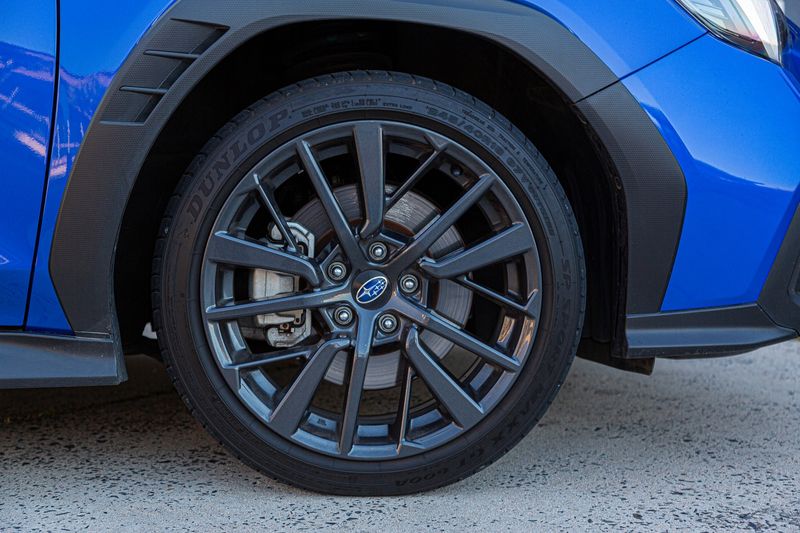
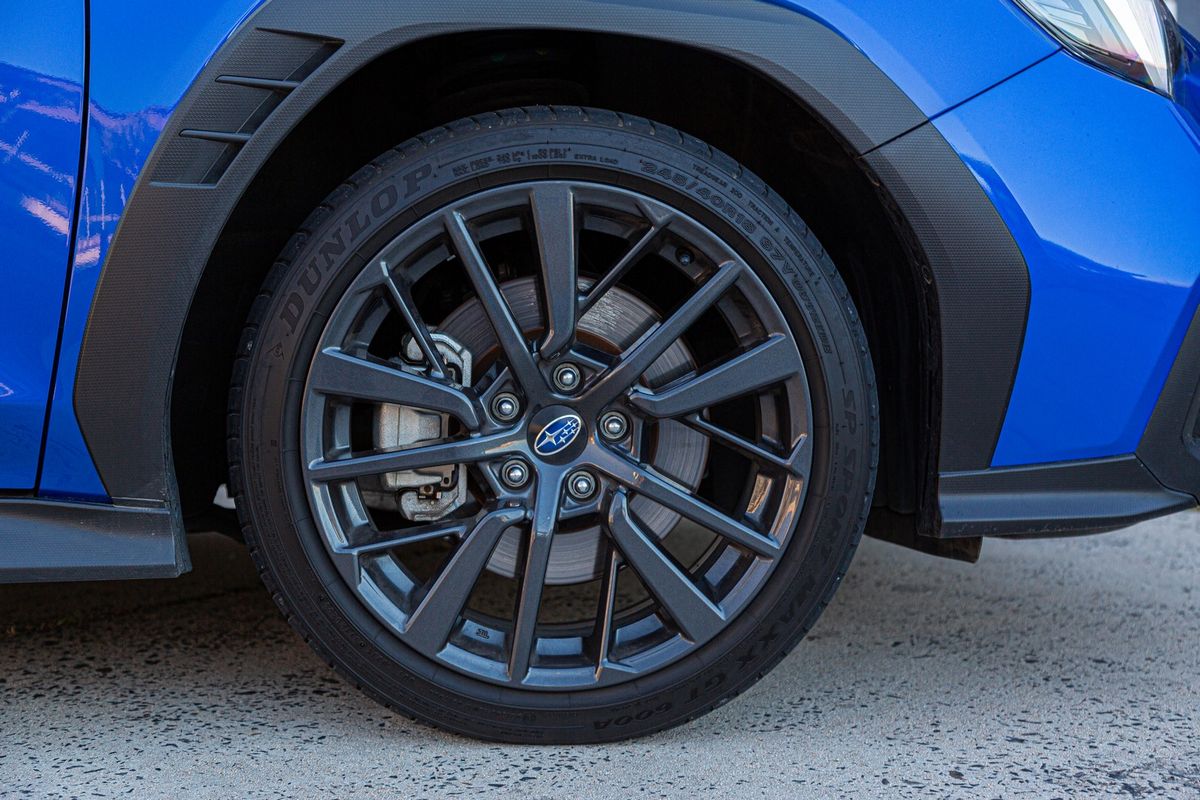
The WRX rides on 18-inch alloys wrapped in 245/40 rubber. Okay, the tyres do generate road noise, but not to such an extent that it reduces comfort levels. Interestingly, the manual version misses out on the tS ES’ adaptive dampers, but the ride quality is not harsh/overly compromised; it proves you can blend comfort and dynamics near-perfectly. We’re delighted to say this is the first WRX in a while that gets close to its illustrious progenitors in terms of engagement and thrills.
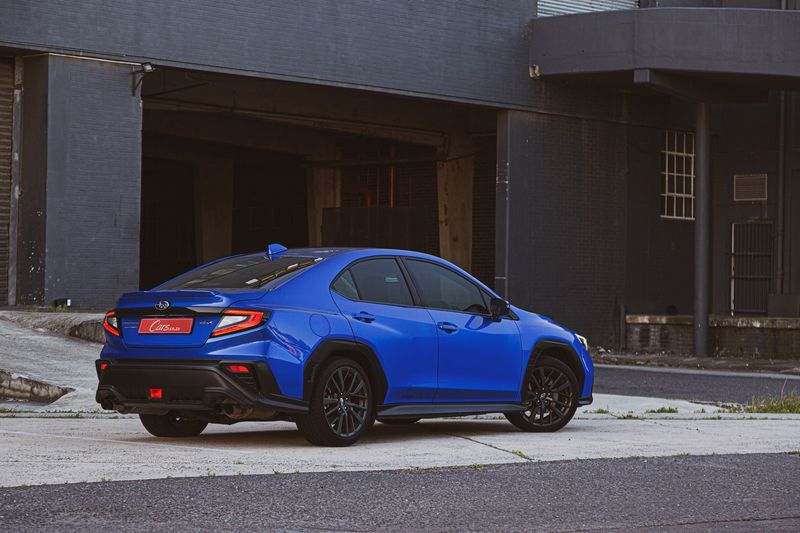
The other factors contributing to the Subaru’s excellent ride and handling balance include the new underpinnings, which feel rigid and well-damped, while the steering setup offers plenty of feel and responsiveness. The brakes are excellent too, with the WRX able to scrub off speed rapidly while remaining poised. This is a great recipe and we feel that without too much effort, Subaru could easily rustle up a fire-breathing STI for one last hurrah… Come on, we know they want to.
Features, tech and safety features
Recent iterations of the WRX have been generously equipped with standard features, and the new model is no exception, although the automatic version is definitely more liberally specced (it does, for the record, cost R78k more).
To reiterate, there are 2 derivatives in the range – the 2.4T manual and 2.4T tS ES automatic (Lineartronic CVT) – with the latter offering selectable drive modes, adaptive suspension, a memory function for the electrically adjustable driver’s seat, an electric parking brake, reverse automatic braking and the latest version of Subaru’s camera-based Eyesight safety system (4.0).
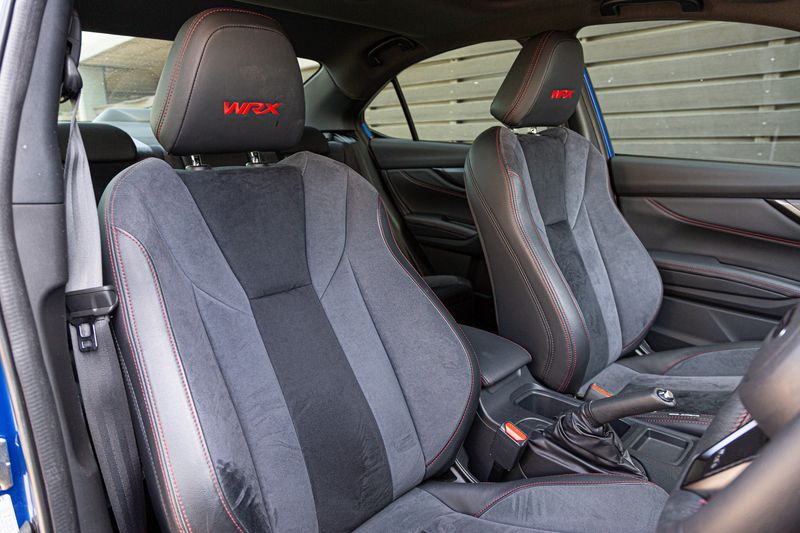
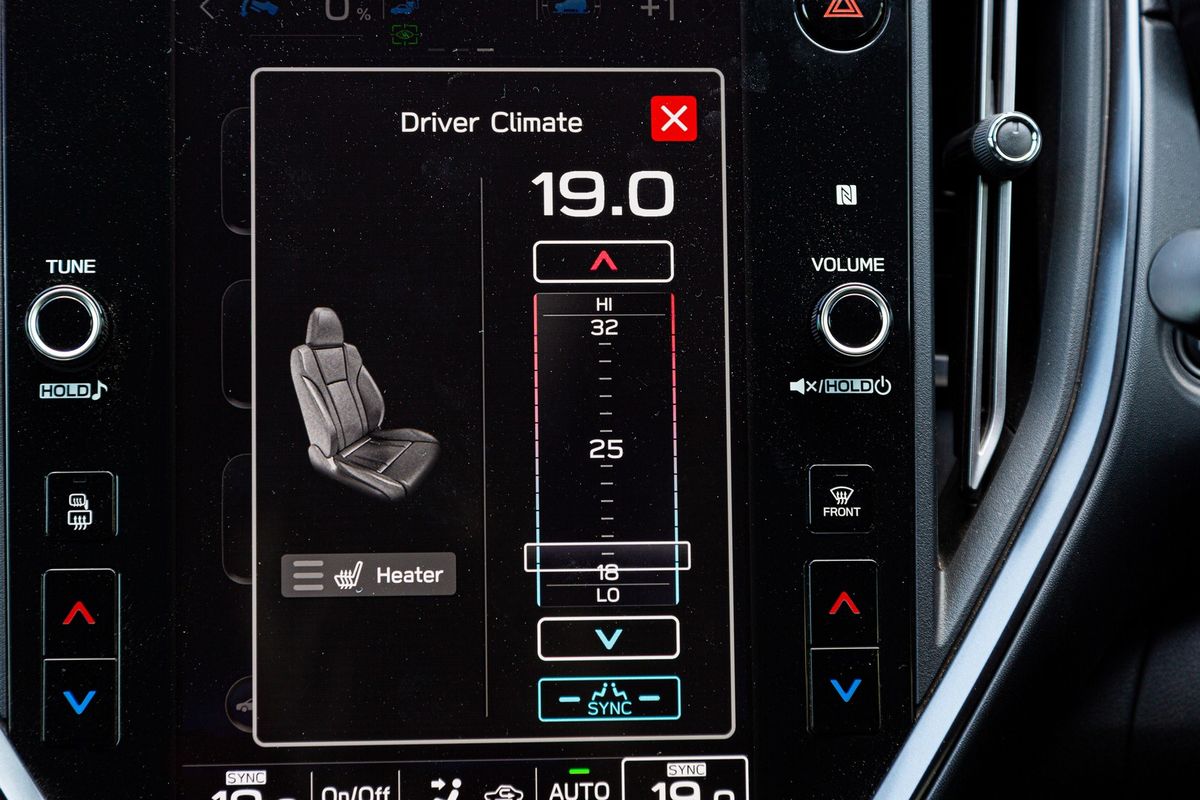
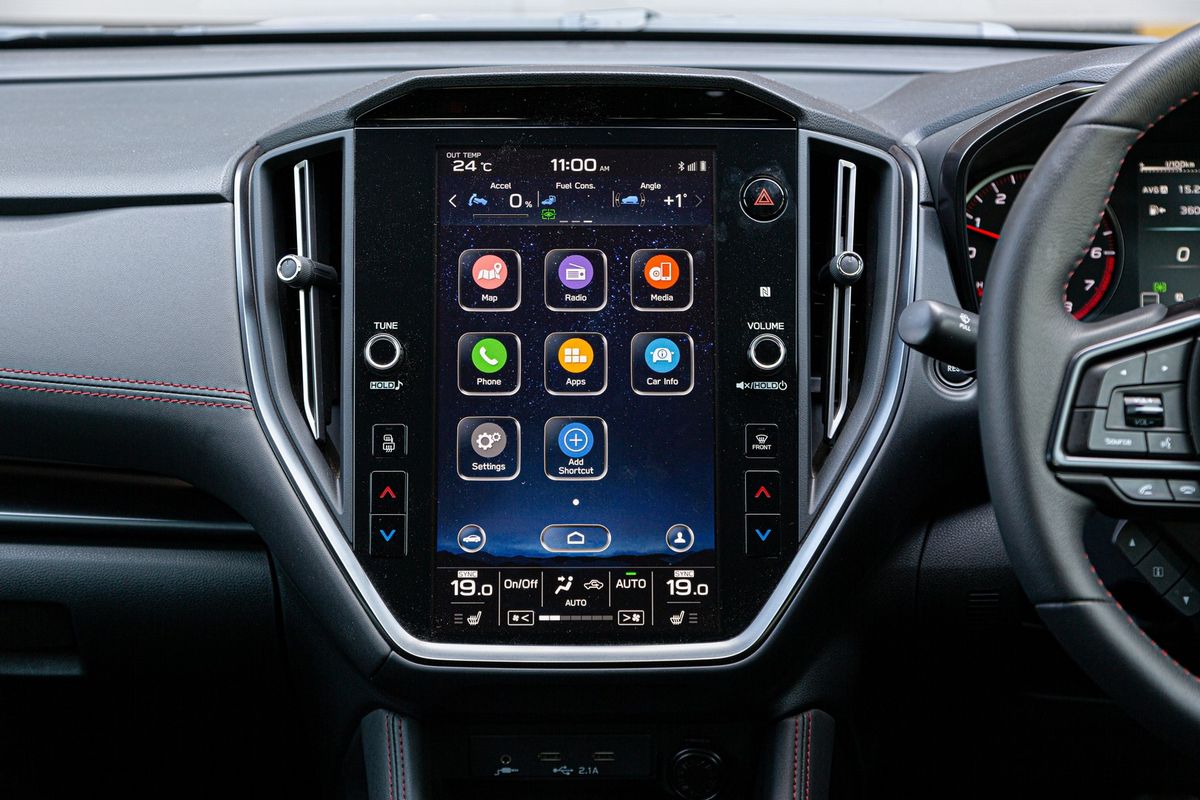
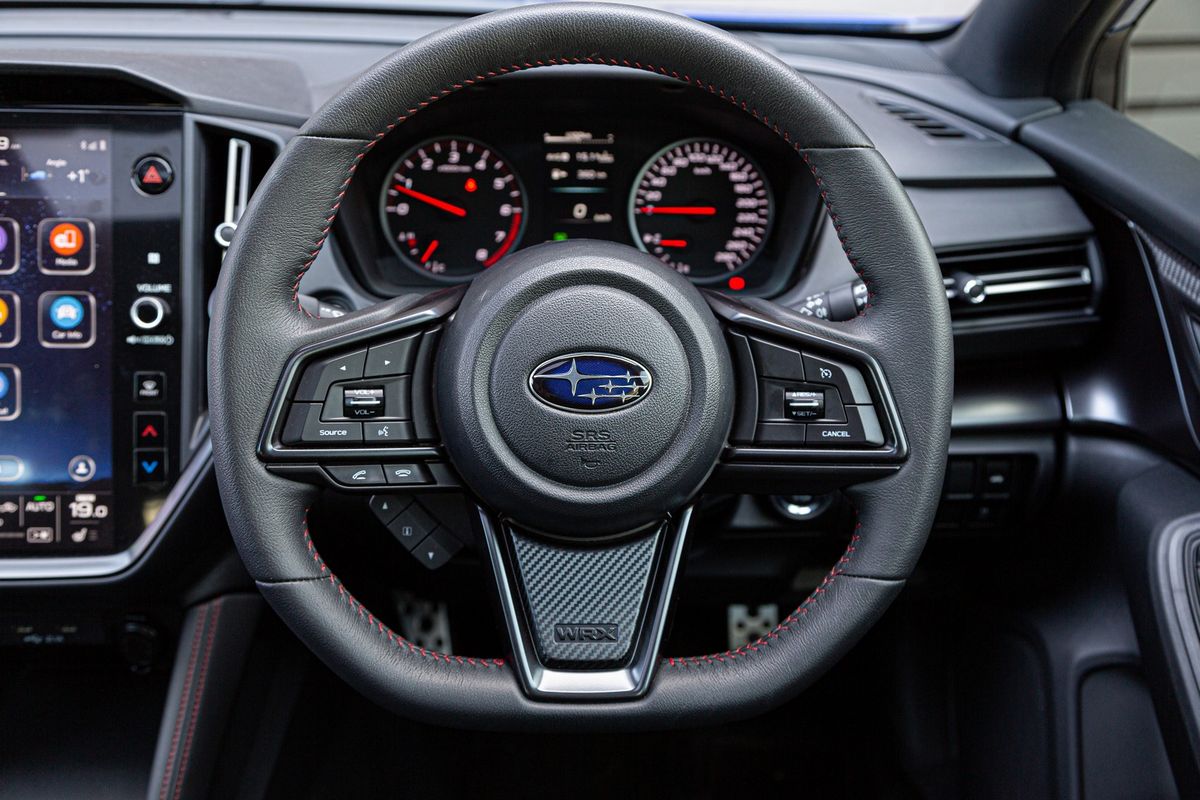
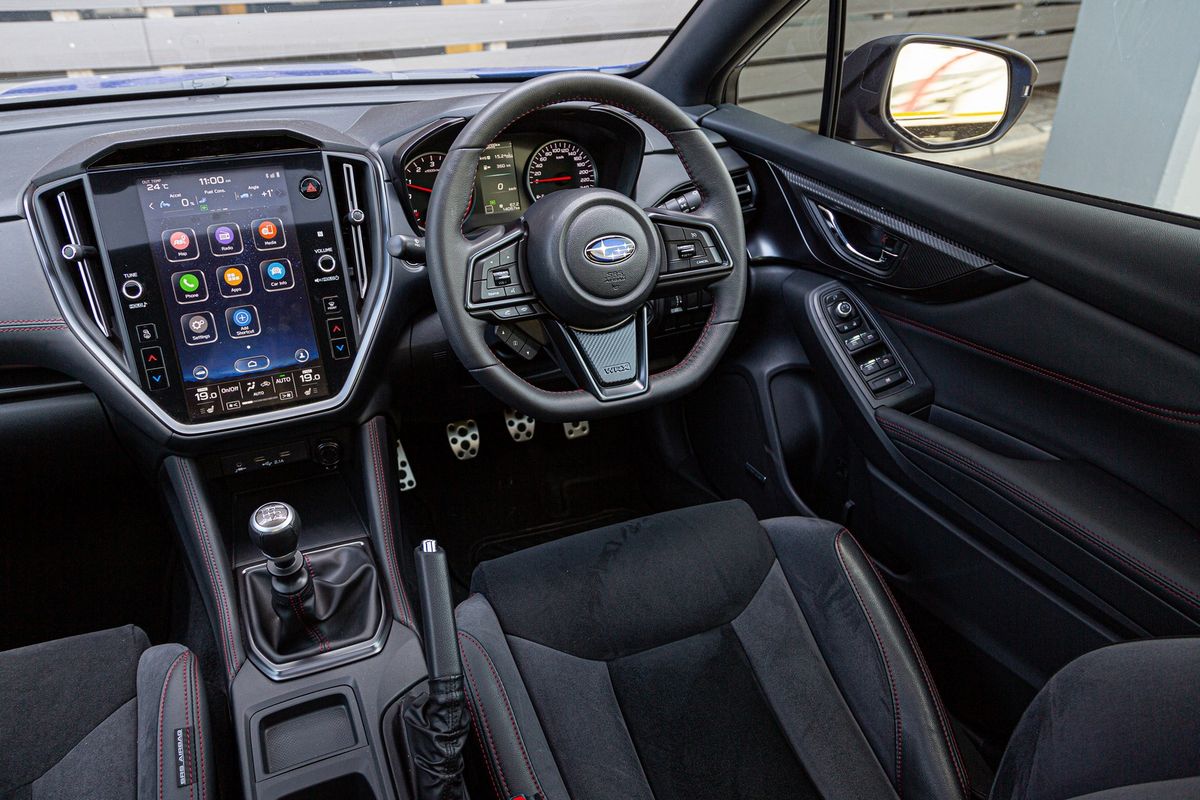
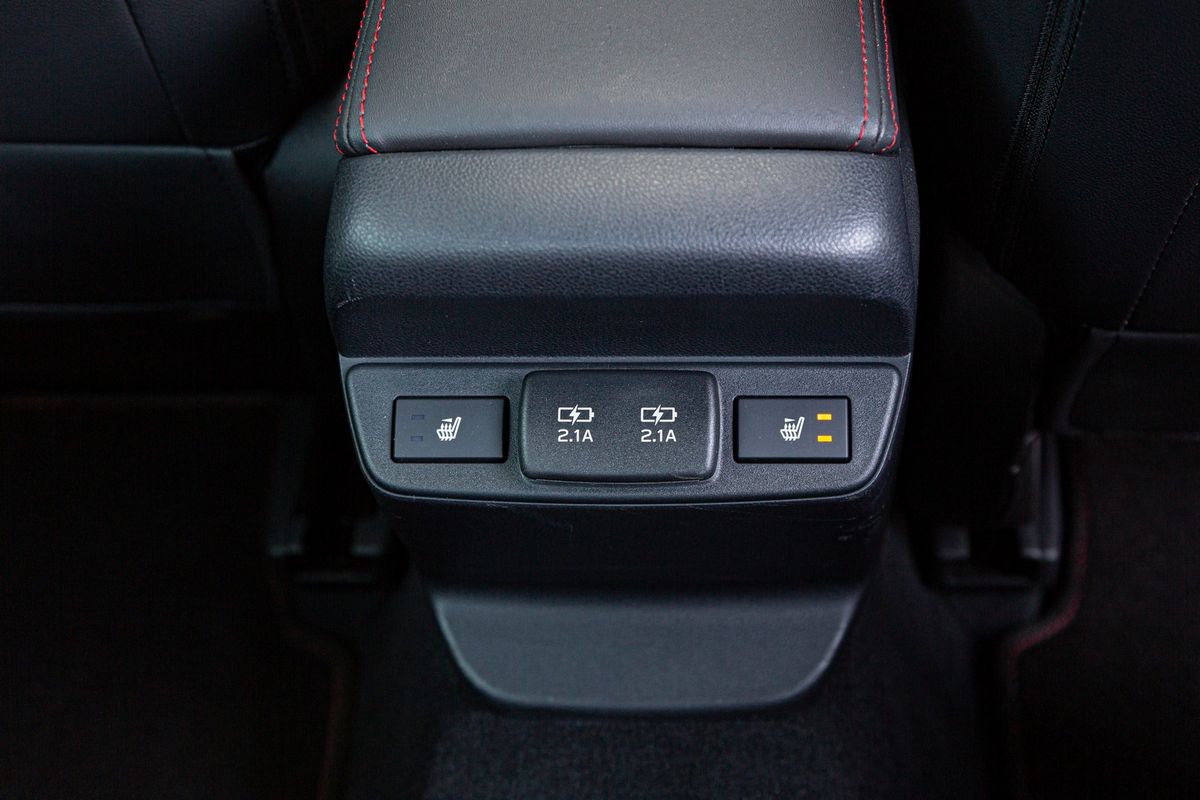
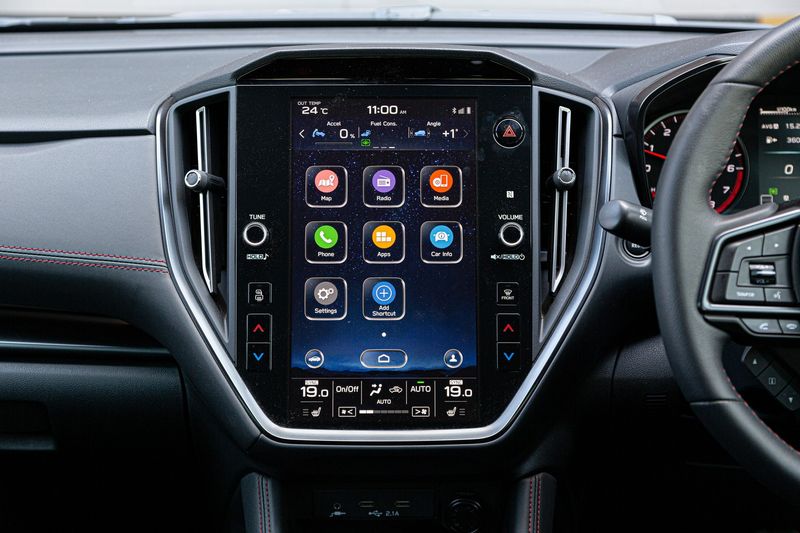
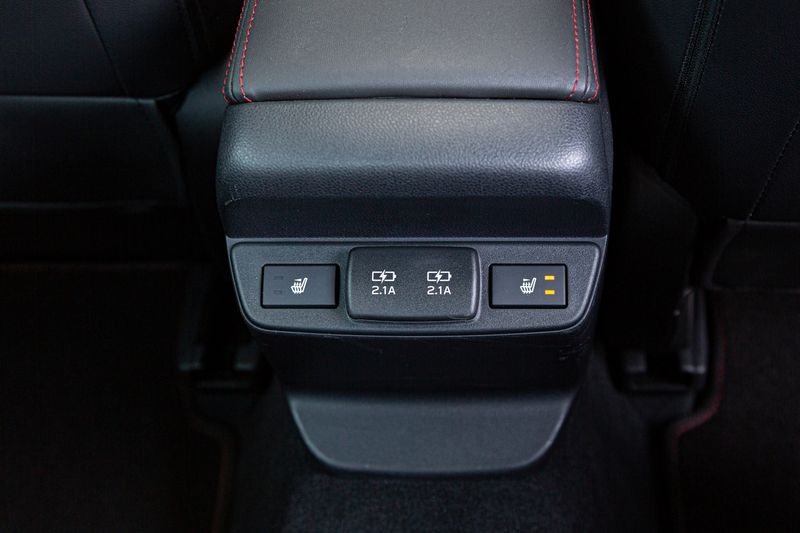
Convenience features in the WRX 2.4T manual include a sunroof, keyless entry and start, an 11.6-inch touchscreen infotainment system with built-in navigation (it’s Apple CarPlay and Android Auto compatible), a 10-speaker Harman Kardon audio setup, heated front seats (the driver’s seat is electrically adjustable), aluminium pedals, a reverse-view camera, dual-zone climate control, plus auto lights and -wipers. Rear passengers are availed a pair of heating elements (with individual control buttons), as well as 2 USB ports with which they can charge their electronic devices.
The infotainment system looks impressive with its portrait orientation, but isn’t the most user-friendly, at least not at first. Still, after a few days, we got to grips with the interface of the menu system and we appreciate the fact that the Apple CarPlay/Android Auto display is neatly integrated within the native layout of the infotainment screen – as opposed to replacing it entirely.
The WRX comes fitted with no fewer than 8 airbags, a driver monitoring system, brake vectoring and auto vehicle hold, as well as the usual ABS with EBD and brake-assist, traction and -stability control.
Packaging and Practicality
We anticipate that one of the best aspects of the Subaru WRX ownership will be the generous occupant space and practicality the sedan body offers. Yes, “booted cars” are not as popular as they once were, but there’s no denying their spaciousness – the WRX is one of the few models in its class that can accommodate an entire set of golf clubs widthways! The boot capacity is a claimed 423 litres and the rear seatback can be folded forward to create additional utility space.
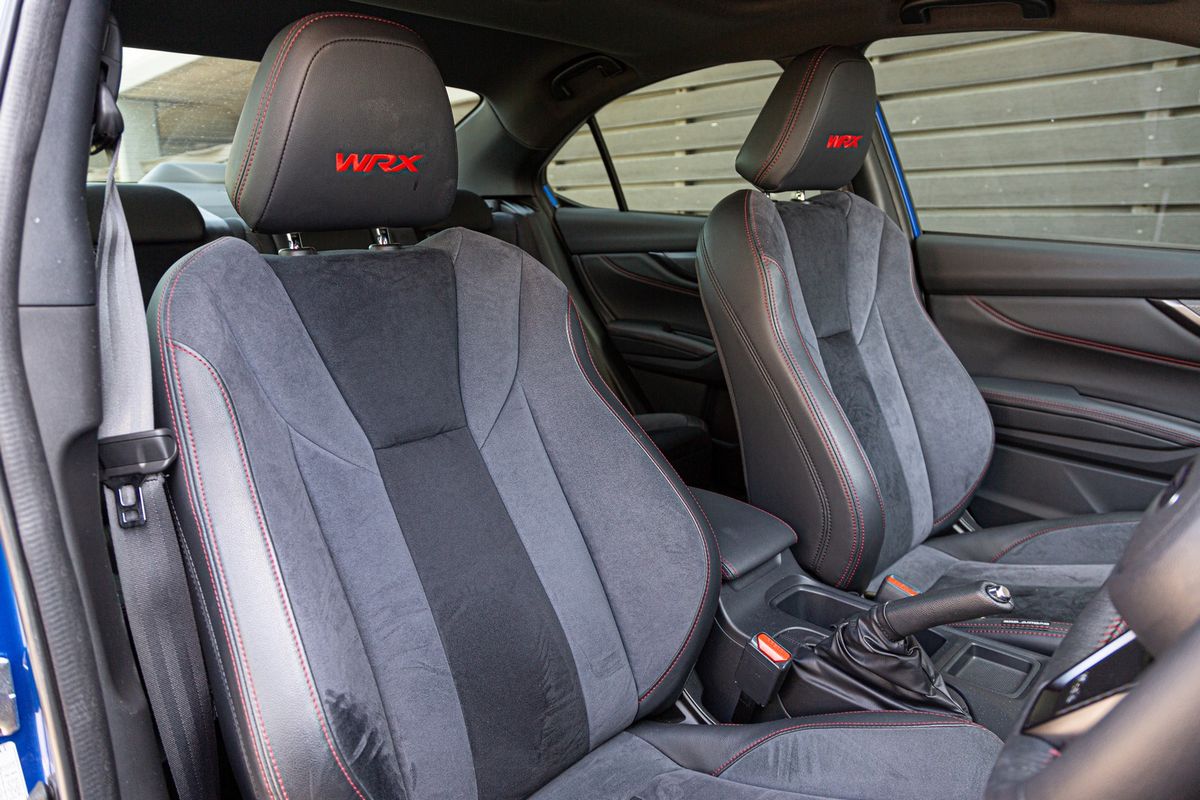
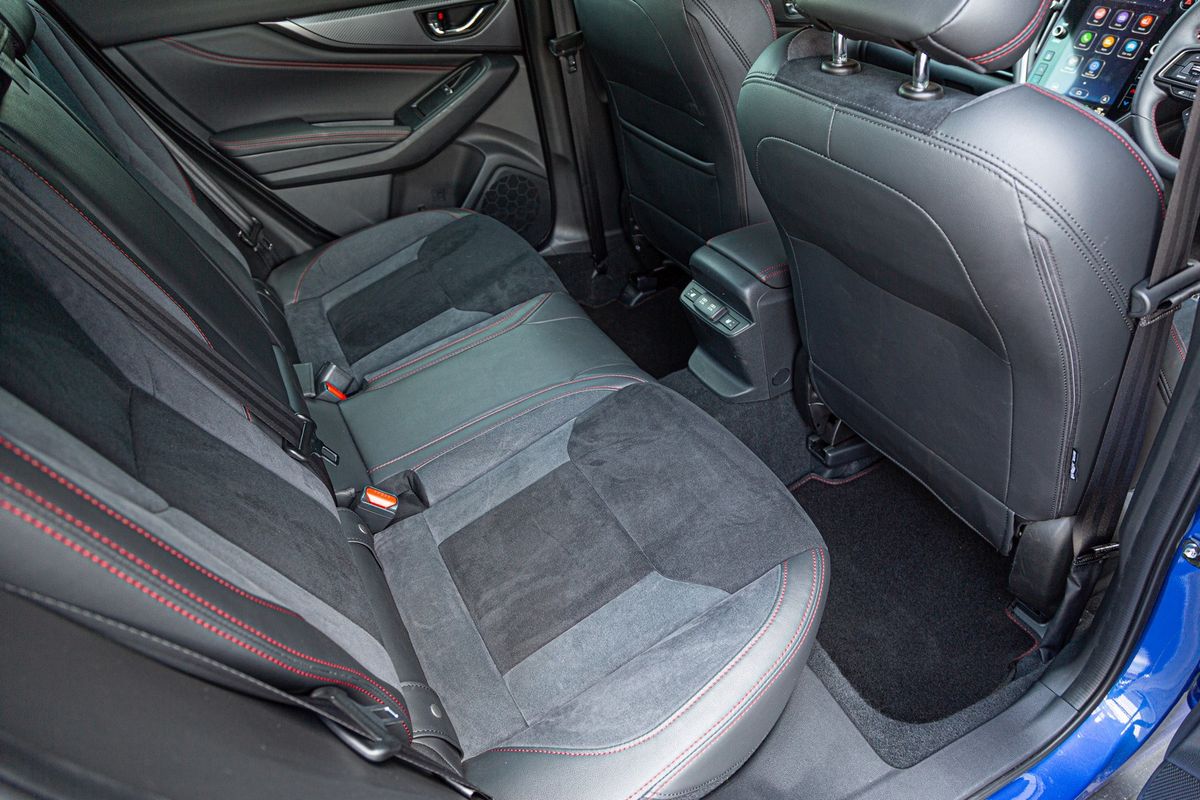
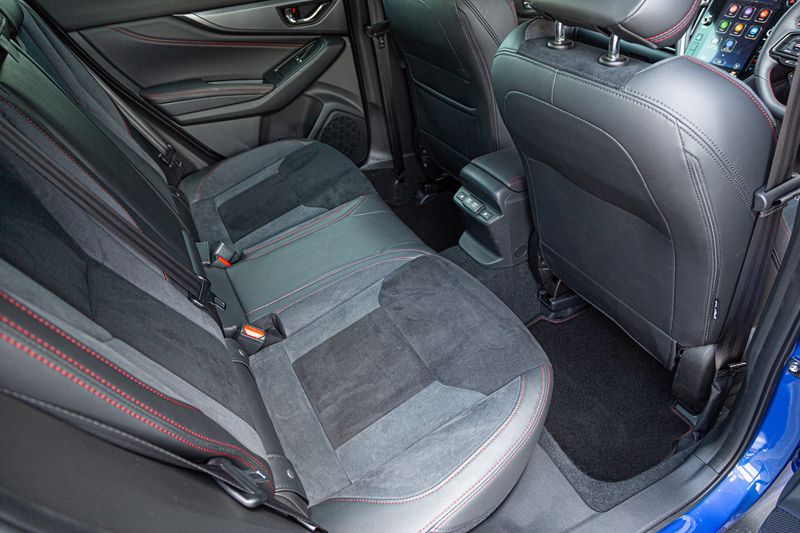
When you climb into the back, you’ll find the rear space is commendable with adequate headroom and legroom for taller adults. The front passengers have numerous storage solutions available, with plenty of oddment spaces to store devices, keys, remotes and so on. Everything feels solid and made of premium materials too, and despite having a 14 000 km reading on its odometer, the test unit’s cabin exhibited no rattles or squeaks.
Looking to sell your car? Sell it on Cars.co.za for free
Subaru WRX Price and After-sales support
The Subaru WRX 2.4T manual is priced from R799 000 and is sold with a 5-year/150 000 km warranty and a 3-year/75 000 km maintenance plan.
Verdict
It may have lost some of its outrageous looks and pace over the years, but the Subaru WRX 2.4T represents the closest you’ll get to the original Subaru WRX (or WRX STI) experience in a new vehicle, plus it’s a lot more luxurious, refined and sophisticated than its predecessors. Yes, it is a gentler/more mature and well-rounded offering… much like the members of the Cars.co.za test team – and we do enjoy heady performance, but not at the expense of comfort and practicality.
Should you buy one? It’s difficult to argue against the sheer array of talents that the WRX 2.4T manual offers at this price point. R800k gets you into a performance sedan with all-weather and all-road ability (well on asphalt and gravel routes, anyway), plenty of tech and room for 4/5 occupants and their luggage. Yes, a manual transmission seems anachronistic, but if you appreciate the art of driving, then it becomes the default choice, because the pricier tS ES automatic seems like a swift business-class sedan alternative by comparison and its character is more laid back. Do the right thing and tick the performance exhaust system option for an additional R12 000 – you will revel in that urgent, grumbly flat-4 soundtrack.
For performance fans, the fact that the WRX 2.4T is the most potent version of the model we’re likely to see for a while, if not ever, is a disappointment. The WRX’s chassis is so good, it can easily handle more power and we don’t think it would not have cost Subaru a fortune to develop a WRX STI version. However, once you look beyond the WRX and its immediate rivals (to the realm of the hyper hatchbacks/sedans), the cars’ performance abilities go up dramatically, but so do their prices. Such machines are so potent that you can only use a fraction of their power before you’re travelling at illegal speeds. The WRX, then, is a measured product; if you want more punch, leave it to the tuners – some buyers will.