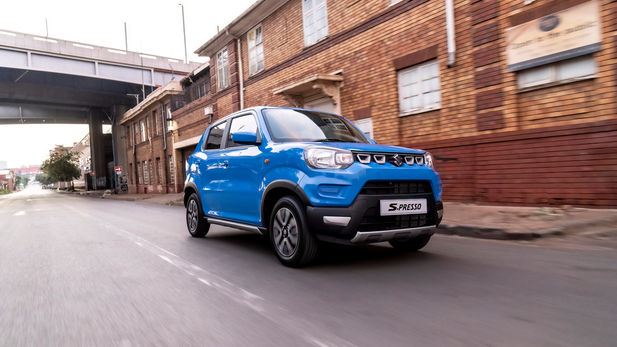

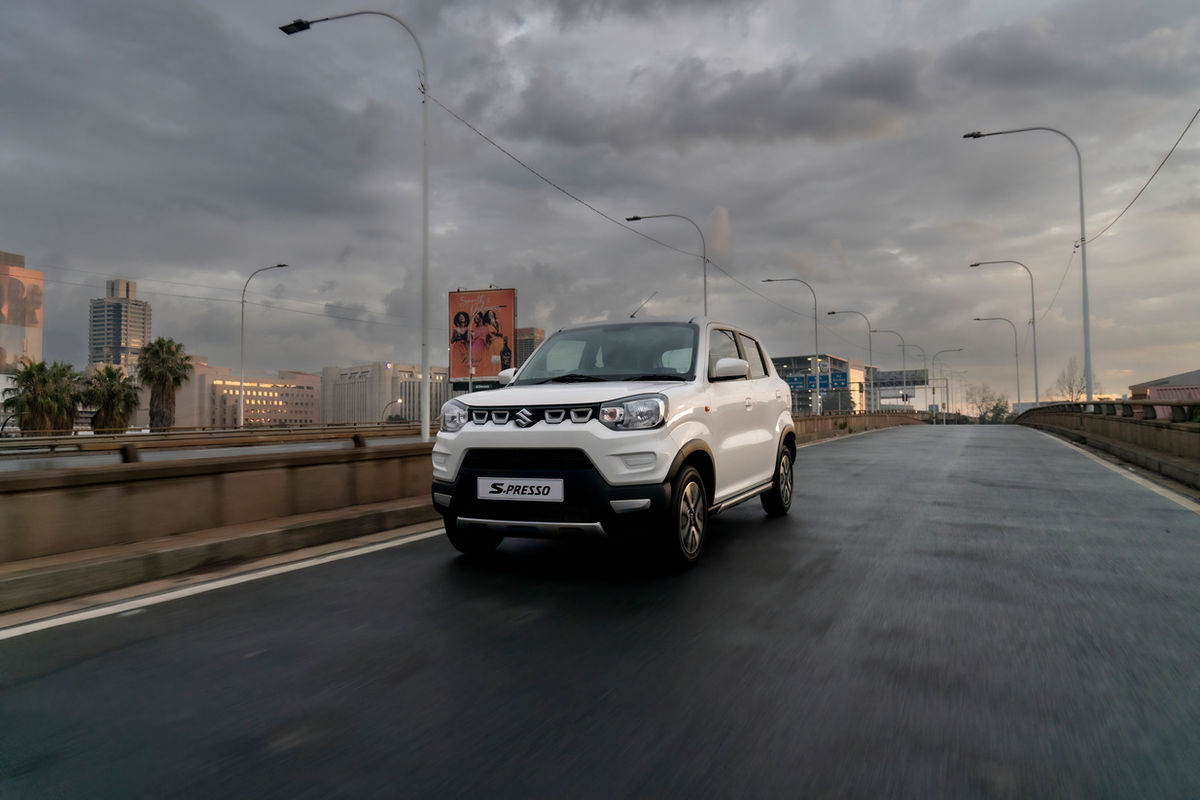
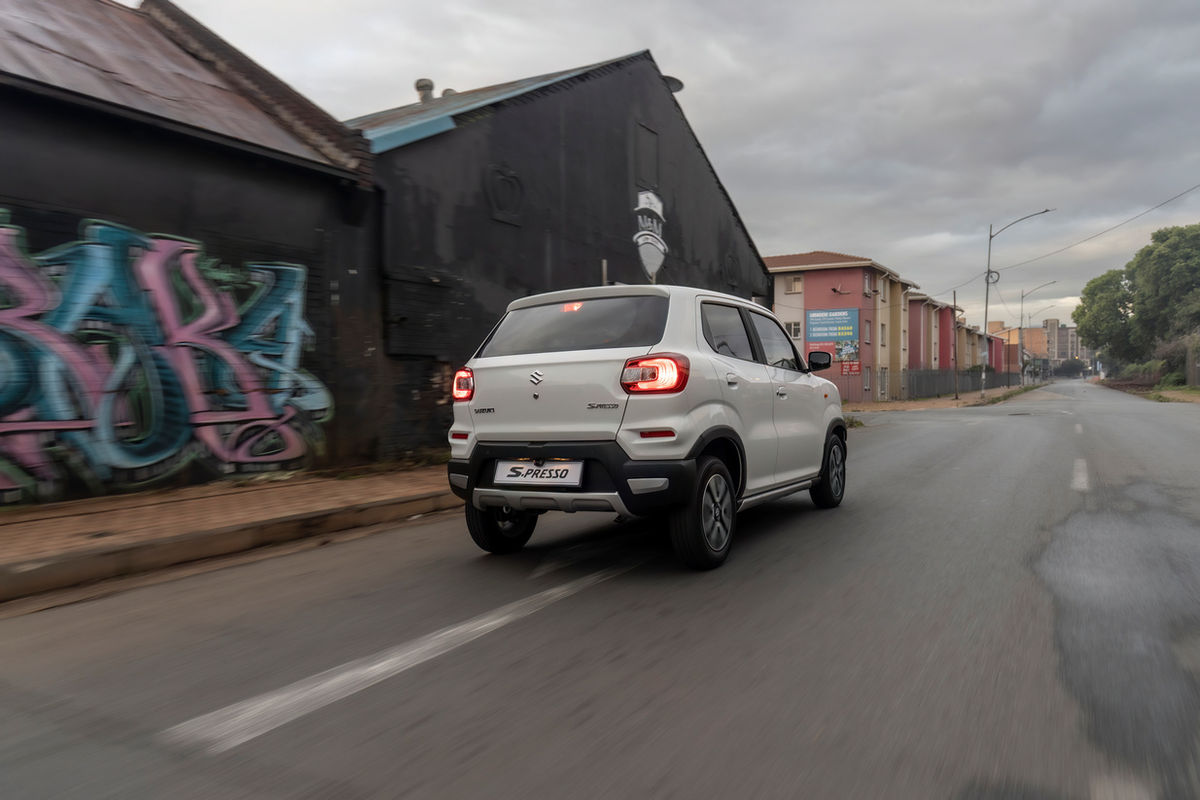
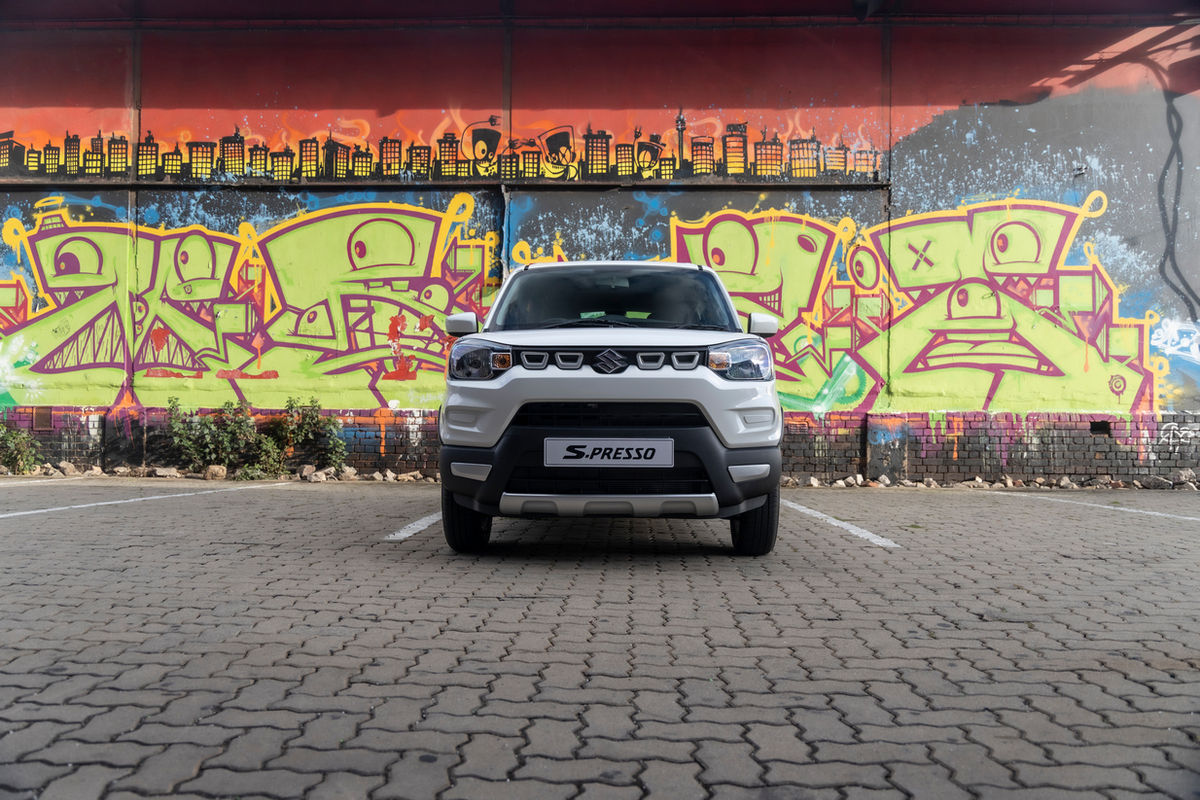
Throughout the past year, Suzuki has become the leading supplier of budget cars in the local new-vehicle market – the Japanese brand currently offers no fewer than 5 models with derivatives that are priced under the R200k barrier. Suzuki recently applied a light update to the S-Presso – its most budget-oriented offering – and we drove the revised hatchback in the Western Cape.
What’s new with the S-Presso?
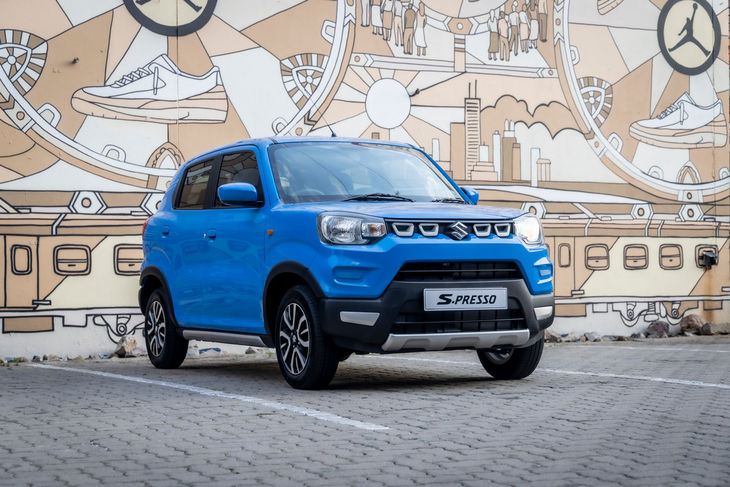
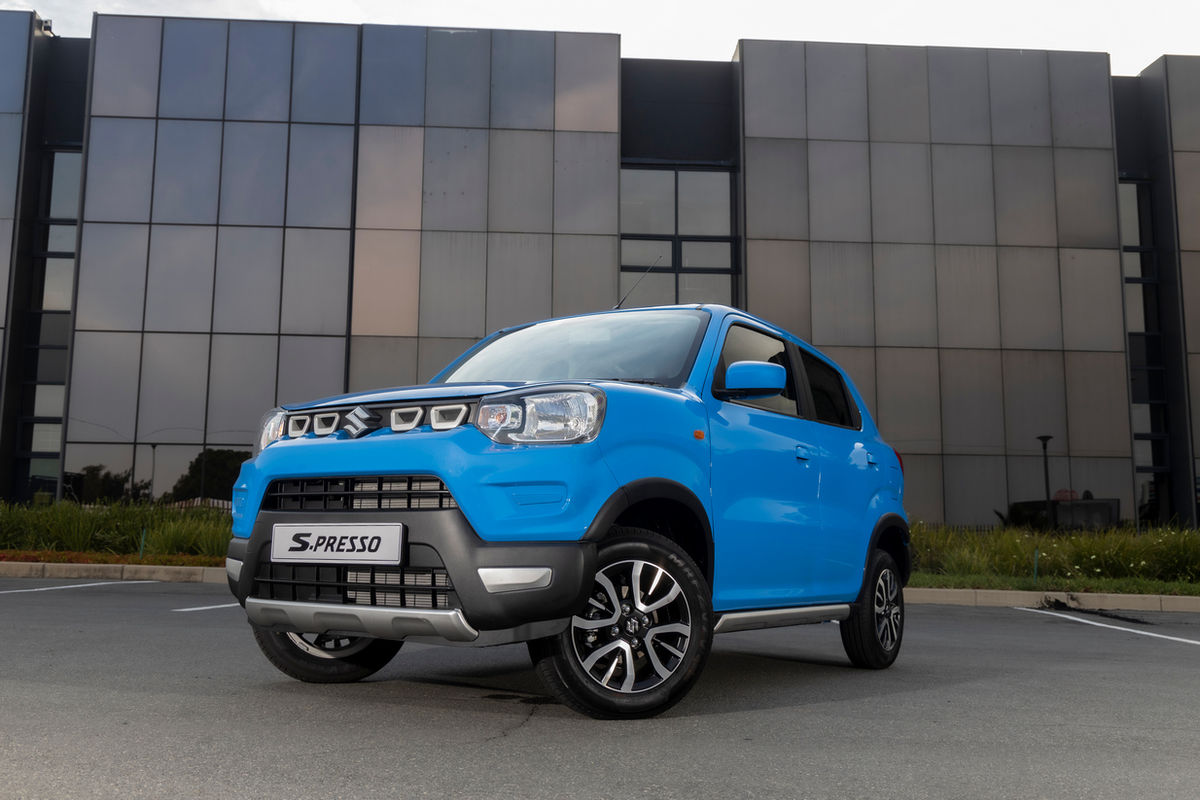
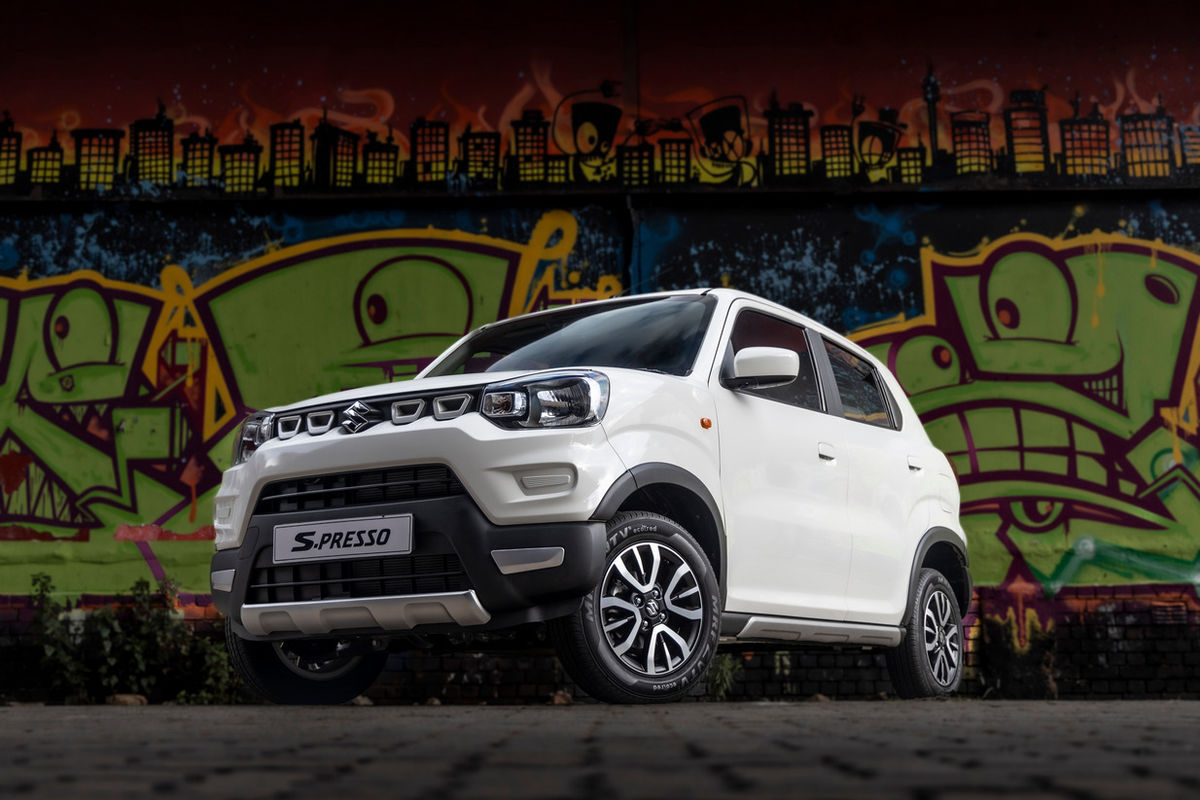
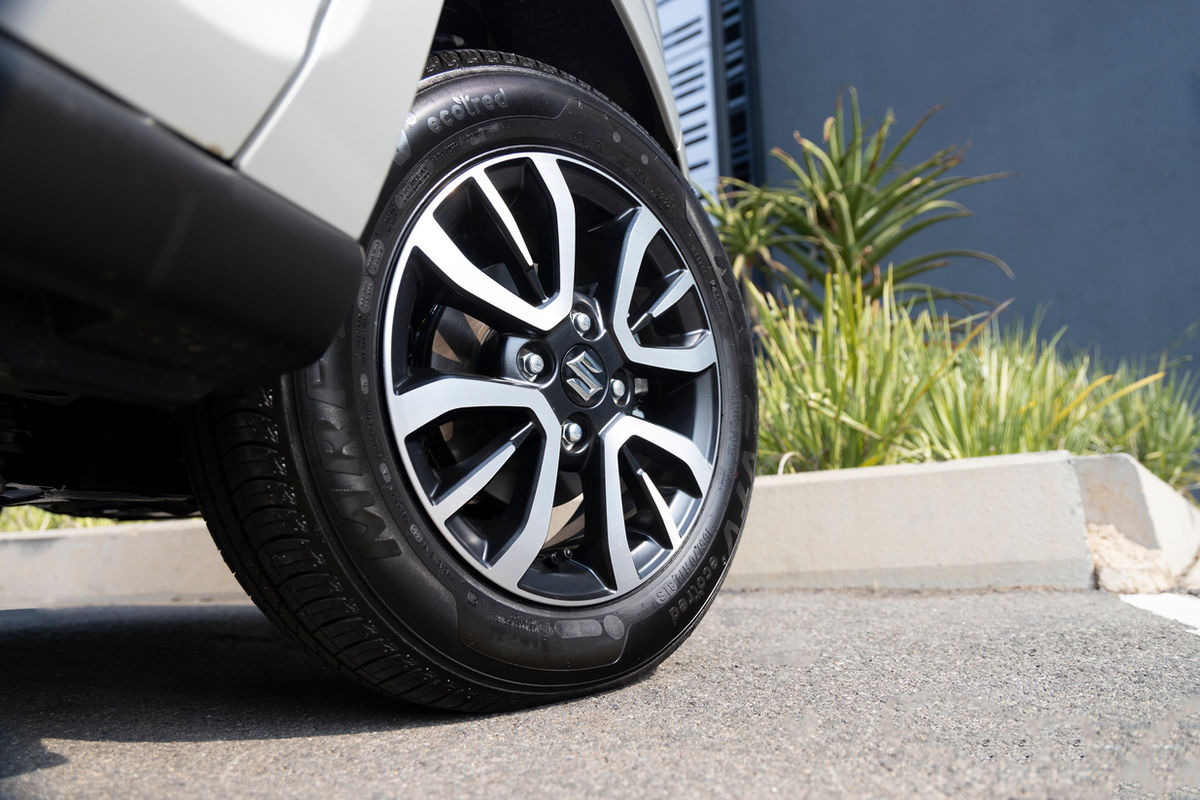
New 14-inch alloy wheels feature on the GL+ and S-Edtion derivatives.
The Suzuki S-Presso was effectively launched during the hard-lockdown phase of the Covid-19 pandemic in 2020. As a result, it didn’t receive nearly as much media attention as a new-vehicle launch would usually get. Nonetheless, the high-riding hatchback has garnered many sales (14 000 units) in the past 2 years. Fortunately, an updated version of the S-Presso has been launched now – under more “normal” circumstances – and we sampled the revised model this week.
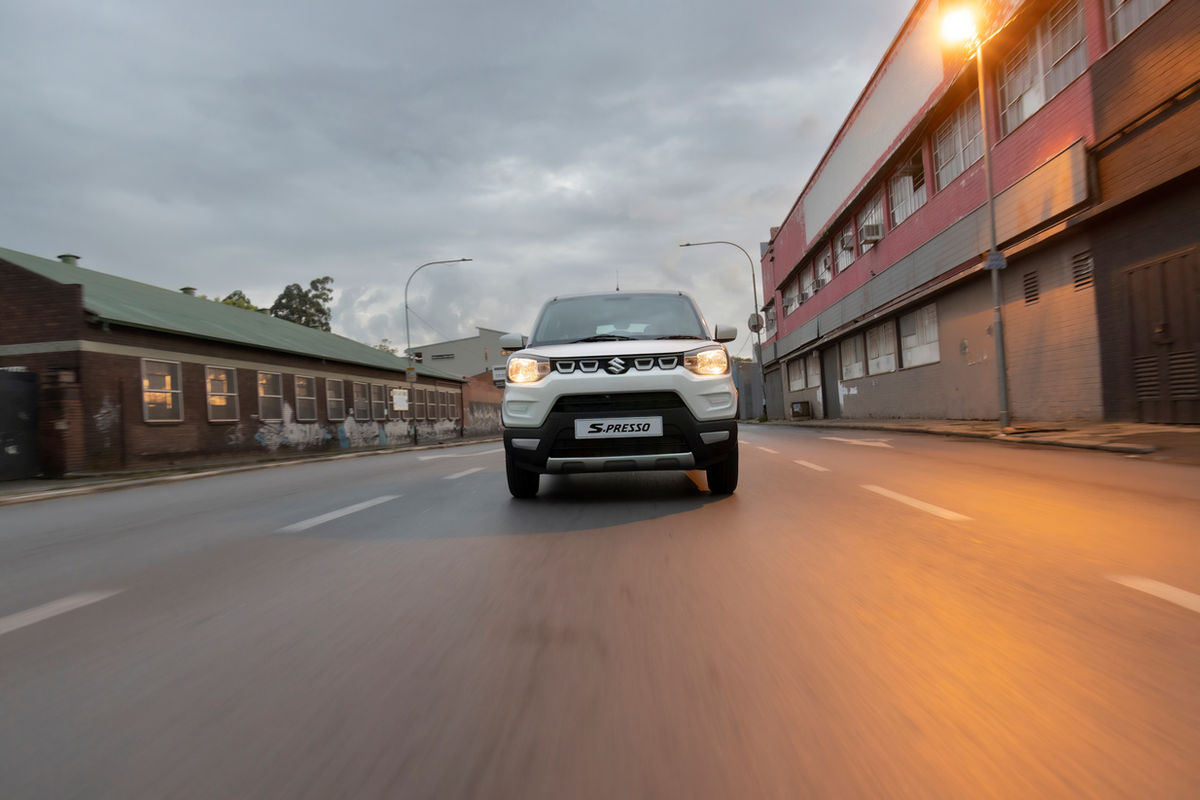
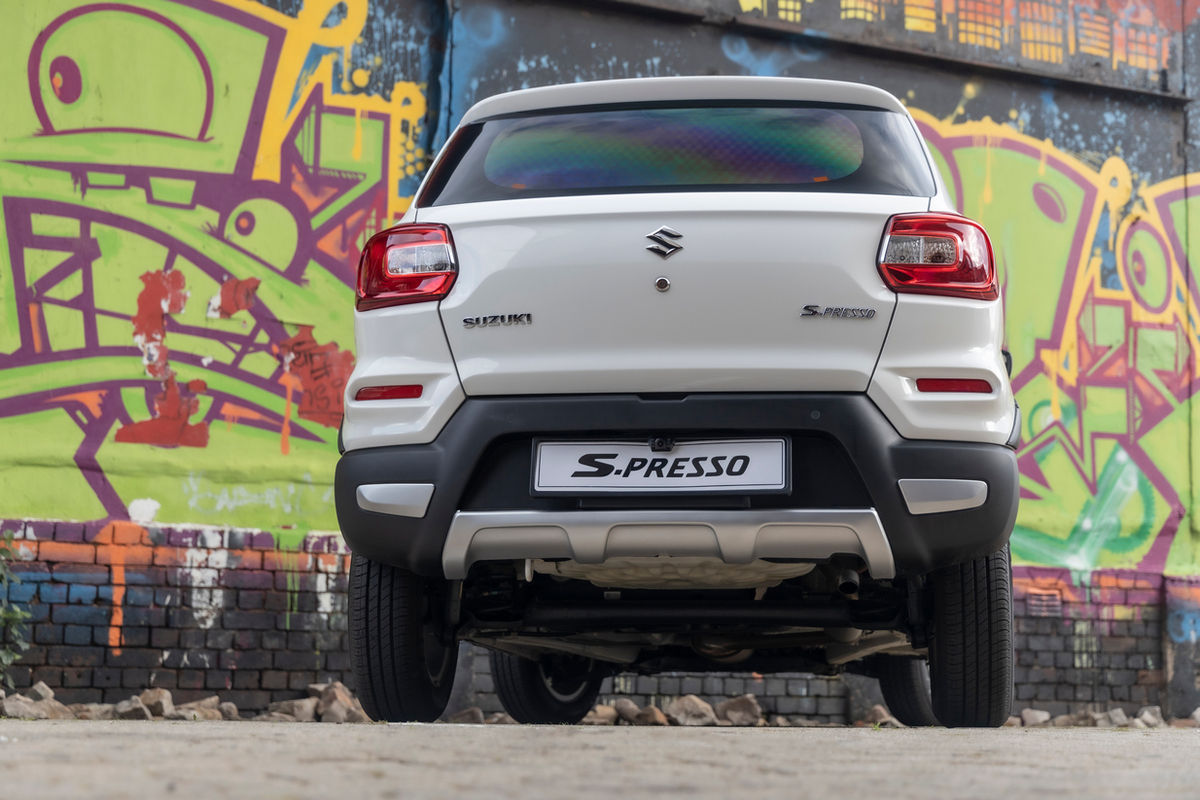
Regarding updates, this is one of the smallest you’re ever likely to see. In terms of the S-Presso’s exterior execution, I can’t tell the difference between the old and new models, but Suzuki says the front and rear designs have been updated.
The GL+ and S-Edition derivatives now feature 14-inch alloy wheels (previously steel wheels with plastic covers/trims were fitted), plus ESP (electronic stability control) has become standard across the range.
The 1.0-litre 3-cylinder petrol engine under the bonnet has now been tuned to return better fuel economy (in both manual and AMT versions); it’s the same unit as in the Celerio light hatchback, which was launched earlier this year.
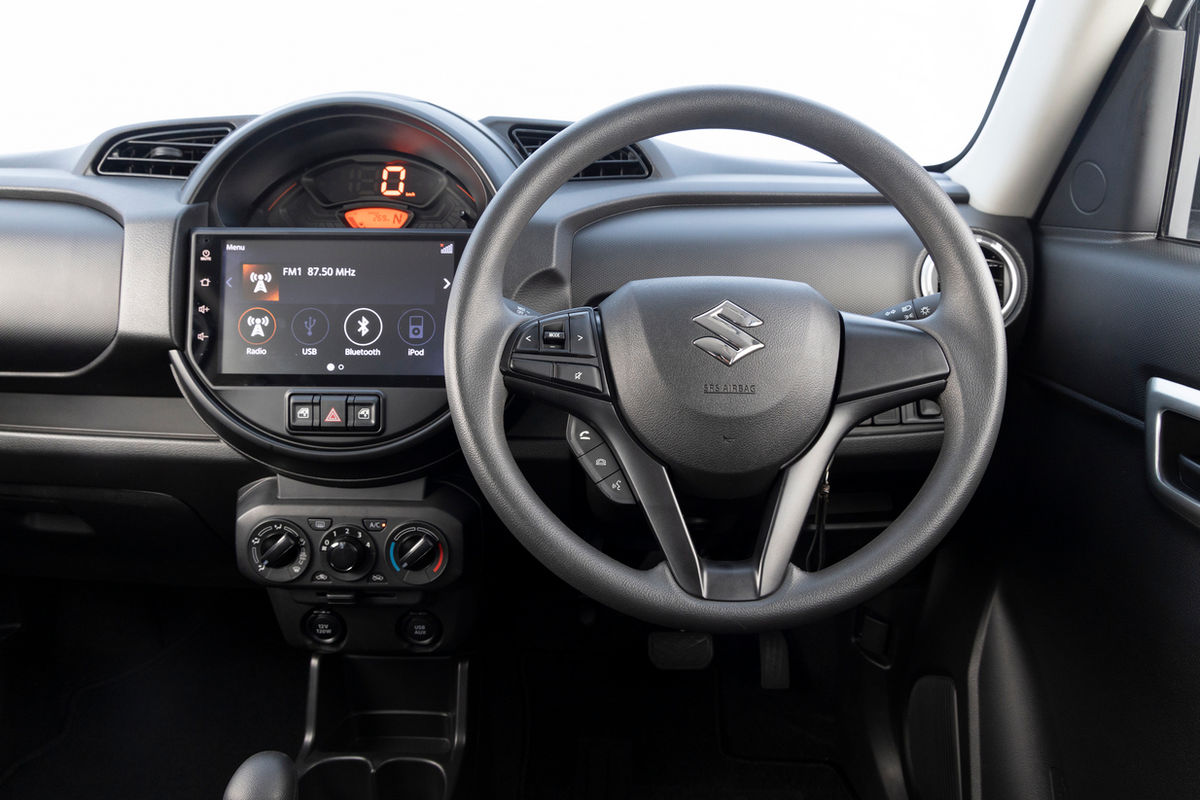
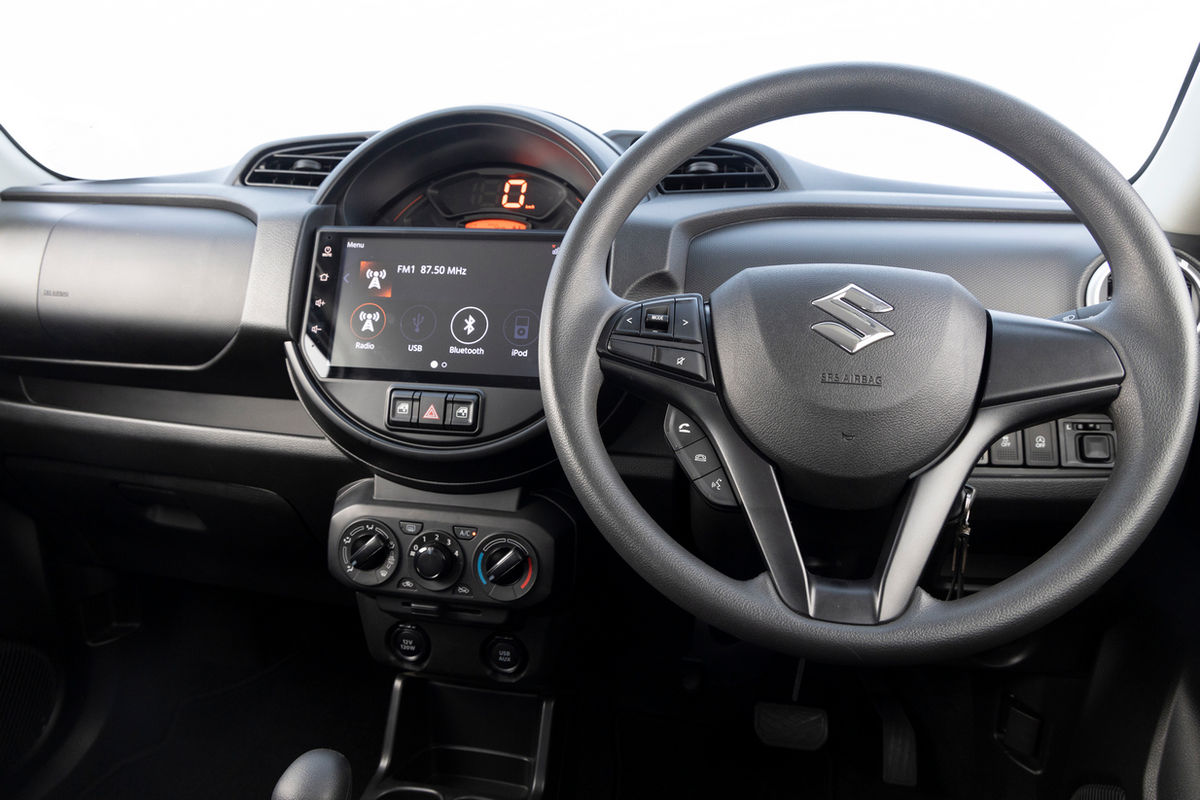
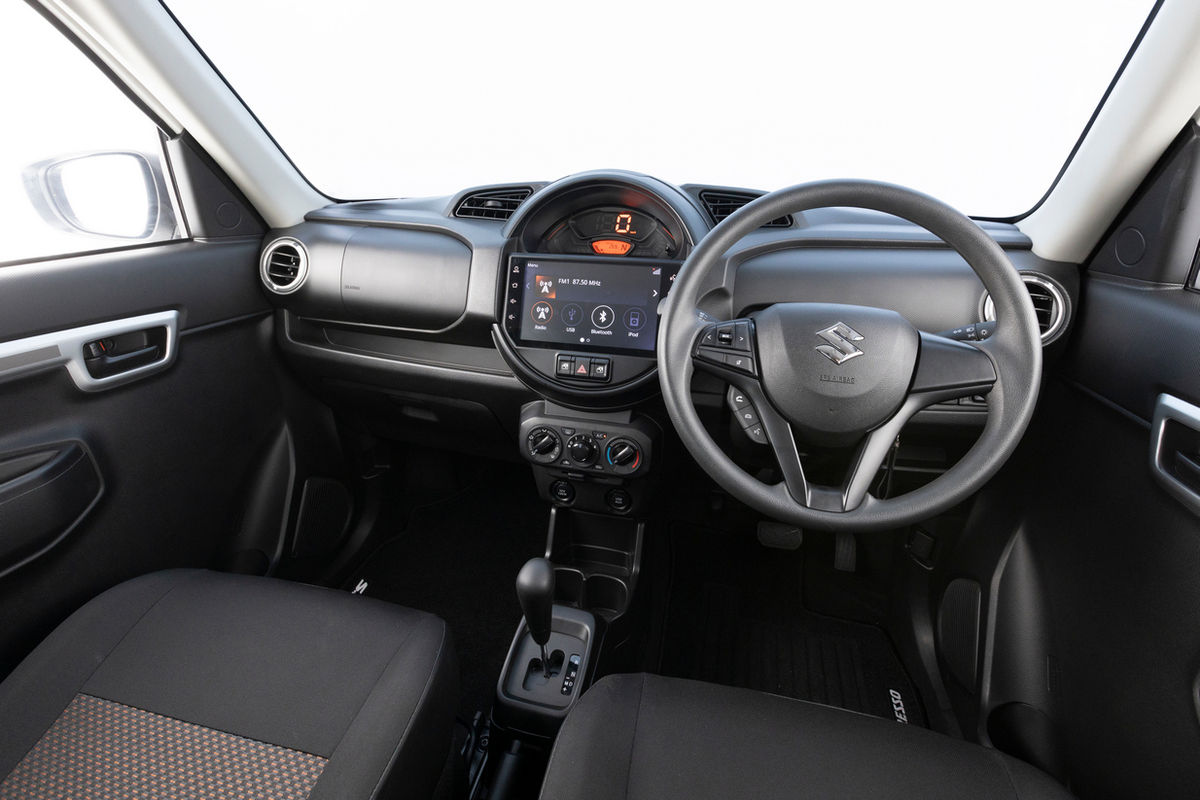
The final addition to the lineup is a larger infotainment screen, which features in the range-topping S-Edition derivatives.
A new car for under R200k
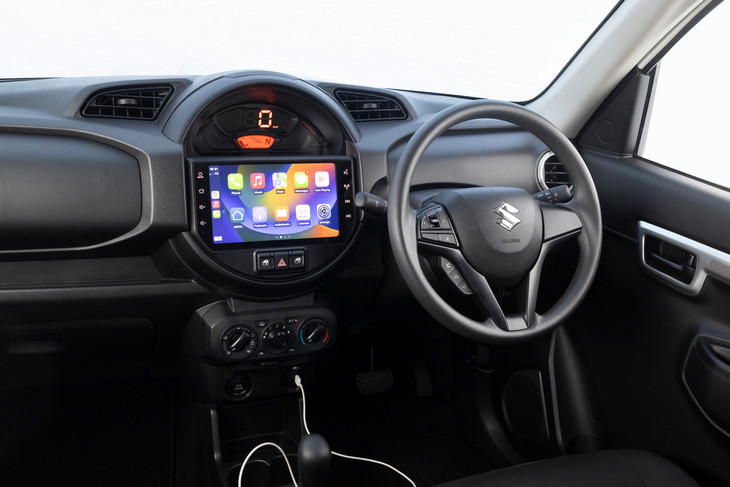
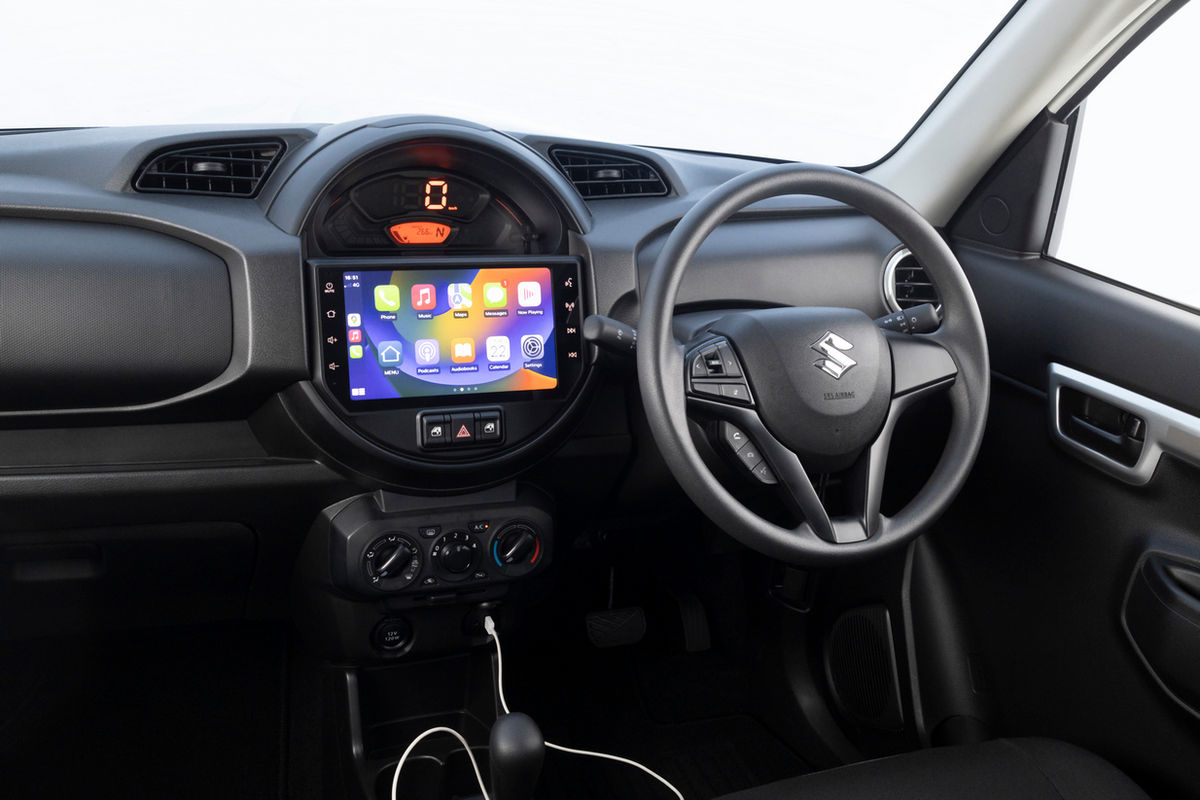
S-Edition derivatives now have a 9-inch touchscreen, while the GL+ has a 7-inch touchscreen.
The entire S-Presso range comes in at under R200k. A few years ago, R200k seemed like a lot of money, but the effect of the weakening Rand, allied with price inflation of so many goods and services in the Republic, has been so pronounced that, in some instances, cars have very nearly doubled in price over an 18-month period. The good news is that the S-Presso still represents pretty good value for your money when you consider all the features that it offers.
Dual front airbags are standard across the range and so is ESP, which is a significant development. If the stats are to be believed, stability control has saved more lives than seatbelts (avoiding an accident is better than mitigating the damage).
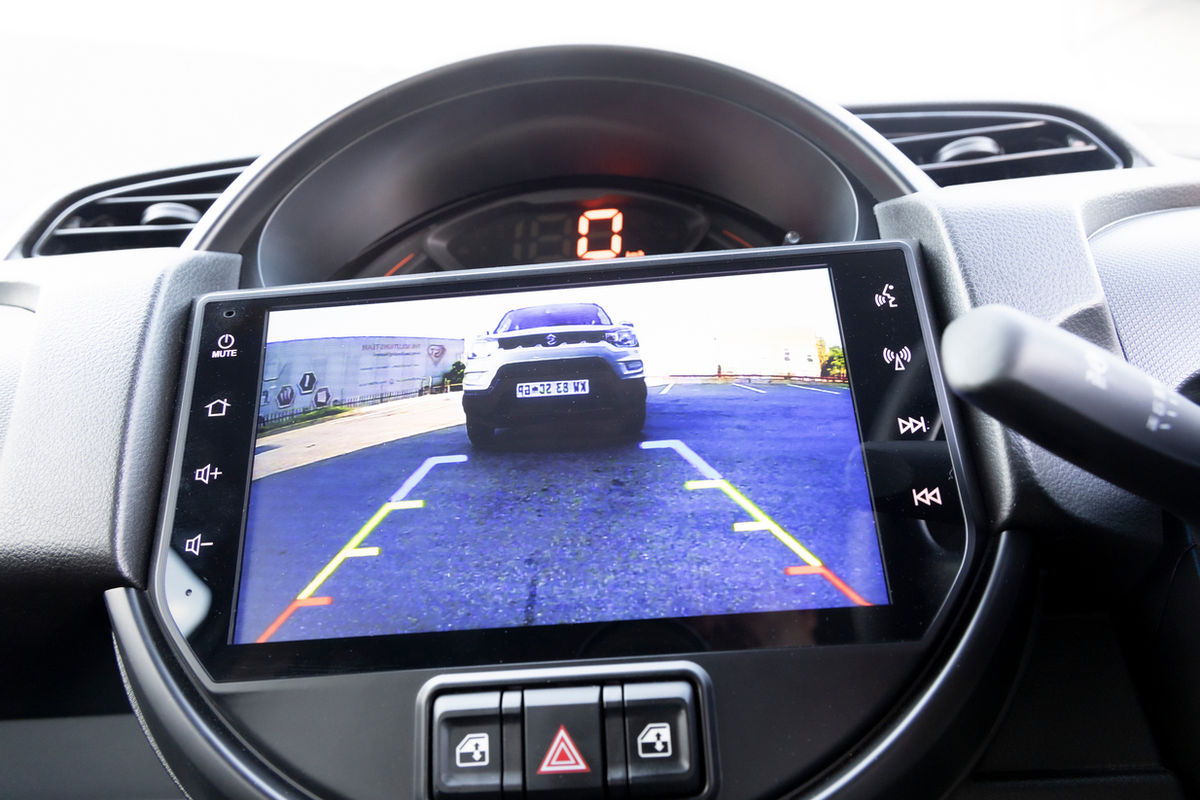
GL+ and S-Edition derivatives feature touchscreen infotainment systems, with the latter trim level sporting a larger (9-inch) screen (the GL+ has a 7-inch display). Both systems are Apple Carplay and Android Auto compatible, which is all you really need from a modern infotainment system…
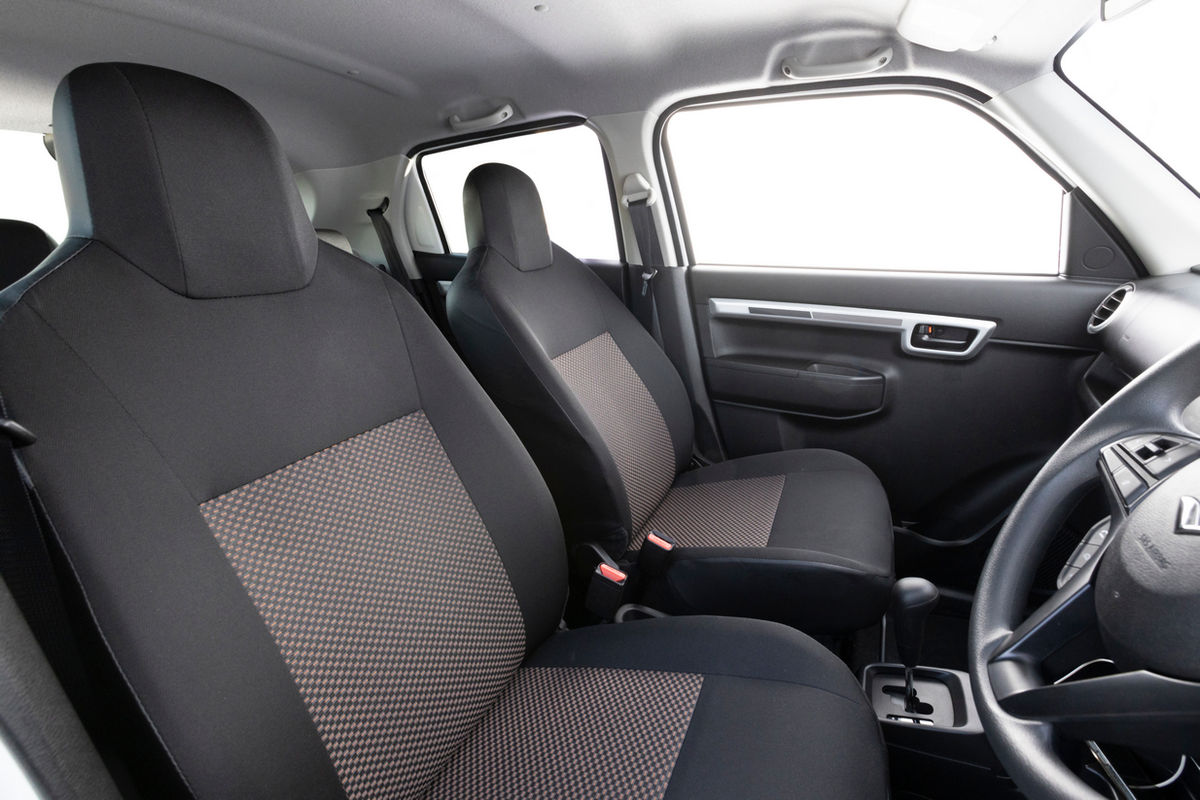
Space-wise, the S-Presso is obviously diminutive, but there is a reasonable amount of room for rear-seat passengers (although the seats feel a bit thin and unsupportive at the sides). Longer journeys are likely to require a few stops along the way so that occupants can stretch their legs a bit.
The load bay is also a little on the small side. With a claimed luggage capacity of 239 litres, the Suzuki’s load bay is about 40 litres smaller than that of its closest rival, the Renault Kwid , but when choosing between “boot size” and stability control (the Kwid doesn’t have ESP), the latter ought to win every time. Also bear in mind that the load bay needs to be opened with a key (there isn’t a tailgate button), but at least an old-school release flap is located on the driver’s side floor.
Is the engine in the S-Presso good enough?
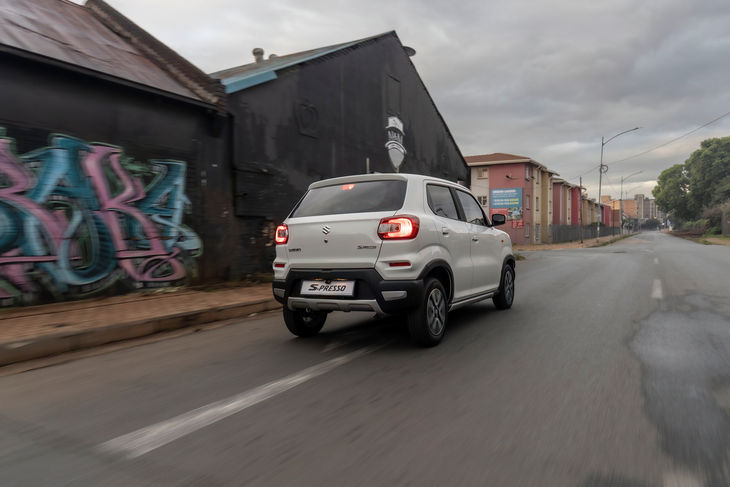
Fuel economy gains have been made with the updated engine.
The updated engine in the S-Presso produces slightly less power and torque than before (nominal reductions of 1 kW and 1 Nm), but the model’s claimed average fuel economy figures are said to have been improved by 0.5 L/100 km (4.6 L/100 km for the manual and 4.4 L/100 km for the AMT), which doesn’t sound like a significant gain, but at least you will make a saving every time you fill up. It works out to around R10-R12 per 100 km saved (December 2022).
Peak outputs of 49 kW and 89 Nm are not a lot to work with, but you also need to consider the S-Presso only weighs around 800 kg, so it has an adequate power-to-weight figure. If you live on the Highveld you’ll lose another 10-16% of that power, so hauling heavier loads will sap the Suzuki of much of its performance – it’s something you need to consider before you purchase an S-Presso.
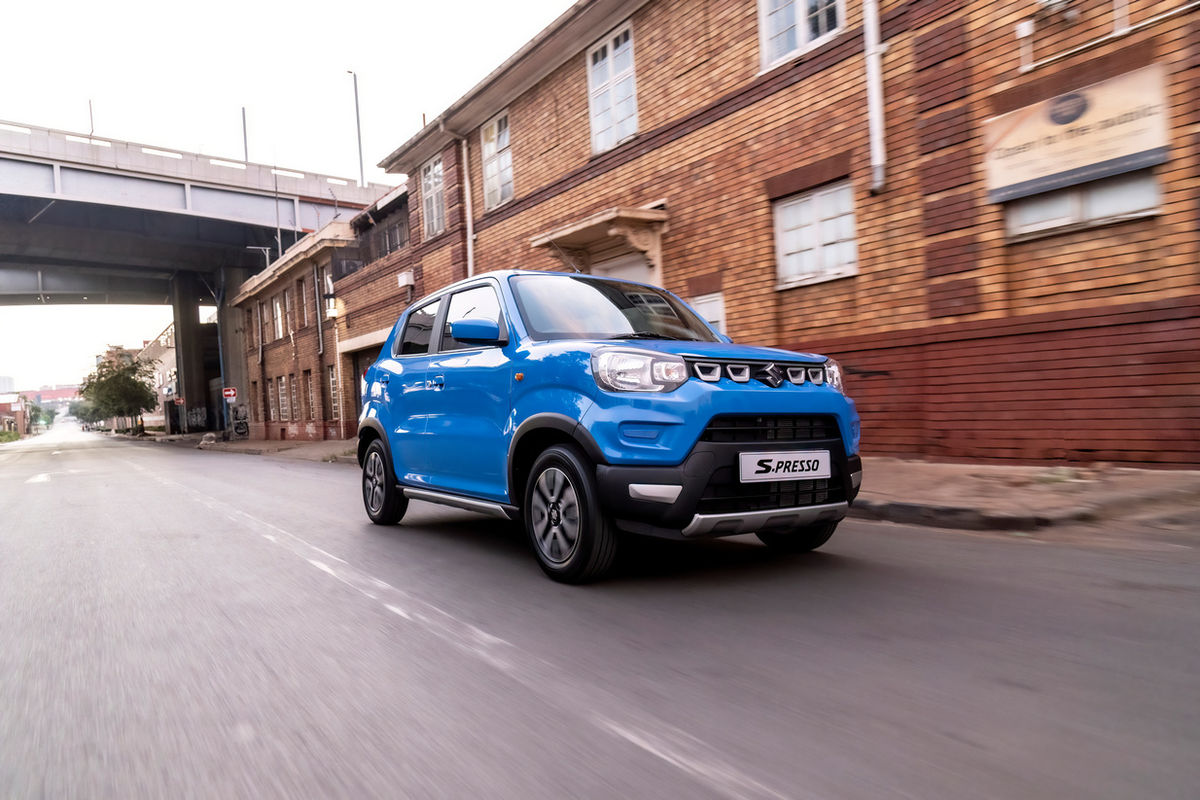
We drove the cars at the coast (in 5-speed manual guise), where they seemed to cope just fine in their natural habitat of inner-city and back roads. The gearshift has one of the lightest and most natural throws you’re likely to find in the budget-car segment (heck, it’s good by any standard) and that, combined with a light clutch action, makes the S-Presso very easy to drive.
Other things to consider
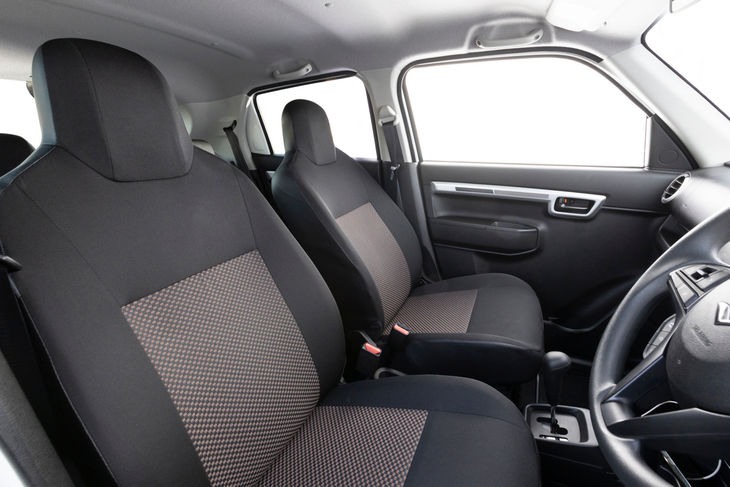
The S-Presso’s steering column cannot be adjusted for rake or reach.
Concessions need to be made when shopping in this segment of the market. If you only have R200k to spend on a new car, you’re not going to get every luxury feature you’ve read about in reviews of premium cars.
The steering column does not adjust for rake or reach, for example, so your driving position is somewhat compromised. The driver’s seat is not height-adjustable either, so you have to make the best of what fore and aft adjustment is available.
What’s more, the S-Presso doesn’t have the road-holding ability of a hot hatchback, let alone a sports car, and the raised ride height (181 mm) does make the Suzuki feel a little top-heavy when it’s made to corner with haste. The model’s light kerb weight also makes it a bit susceptible to being rocked by strong winds on the freeway – the steering feel could do with a bit more weight to make it easier for drivers to “steady the ship” when the vehicle’s being buffeted about.
Suzuki S-Presso pricing and after-sales
| S-Presso 1.0 GL Manual | R162 900 |
| S-Presso 1.0 GL AMT | R176 900 |
| S-Presso 1.0 GL+ Manual | R169 900 |
| S-Presso 1.0 GL+ AMT | R183 900 |
| S-Presso 1.0 S-Edition Manual | R185 900 |
| S-Presso 1.0 S-Edition AMT | R199 900 |
All S-Presso models are sold with a 2-year / 30 000 km Service Plan and a 5-year / 200 000 km promotional mechanical warranty.
New Suzuki S-Presso Specs & Prices in South Africa
Summary
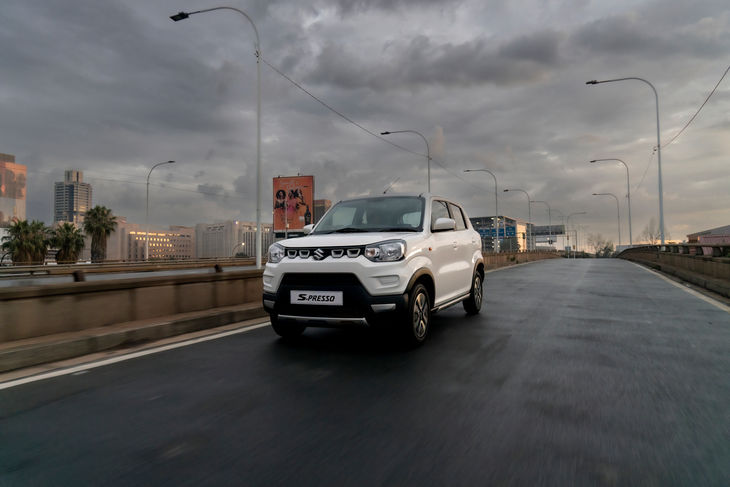
Cars under R200k are few and far between, the S-Presso is a well-specced one.
While the Suzuki S-Presso’s update is particularly light, the inclusion of ESP (electronic stability control) is welcome in this sector of the market. What’s more, the fitment of alloy wheels (rims) will please most buyers, because it seems that, in many parts of the country, wheel covers are being appropriated by some sort of wheel-cover cartel! The fuel economy improvement (if small) will also help reduce running costs, which at this end of the market is all-important.
Some dealerships regularly offer great deals. See our New Car Specials!
Looking to sell your car? Sell it on Cars.co.za for free