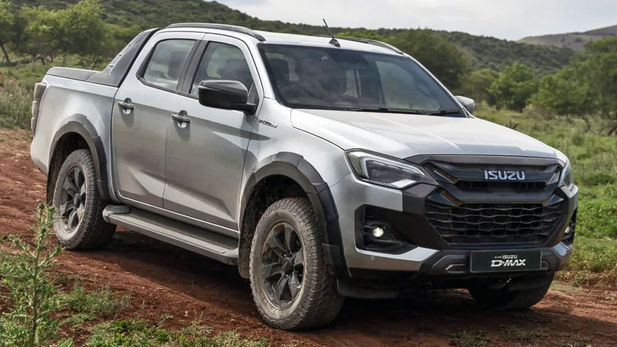
Isuzu’s D-Max update brings more options for adventure 4×4 drivers, but the core tech lags behind what’s available in the Australian market.
Any Isuzu D-Max update is big news for South African bakkie buyers. As one of the country’s most established bakkie brands , Isuzu’s model range has real legacy and impact in the local market. Just consider all the component sourcing, cost, and after-sales service support benefits that come with owning a locally built bakkie.
Toyota’s new Hilux will continue to dominate the South African bakkie market, but an updated D-Max is important. Why? Because to many buyers, alongside the Ford Ranger, it’s their preferred alternative. Yes, Chinese bakkies are gaining momentum and favour, but Isuzu remains a popular choice.
For bakkie buyers who don’t want to deal with the insurance and theft risk issues of owning the market-leading Hilux, the D-Max is the answer. But what changes has Isuzu made with the new range? And what is missing in this update before the much-anticipated all-new D-Max platform comes to market in late 2027?
Isuzu’s bakkie reputation is built on durability and diesel engines. Not sophistication. Isuzu is the world’s largest manufacturer of automotive diesel engines. And that scale means that Isuzu bakkies are renowned for their powertrain quality.
Bigger screens
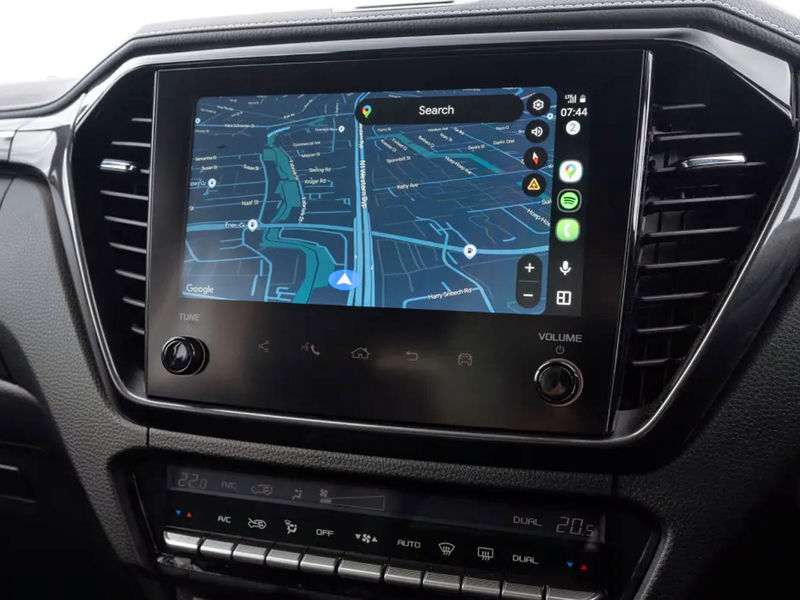
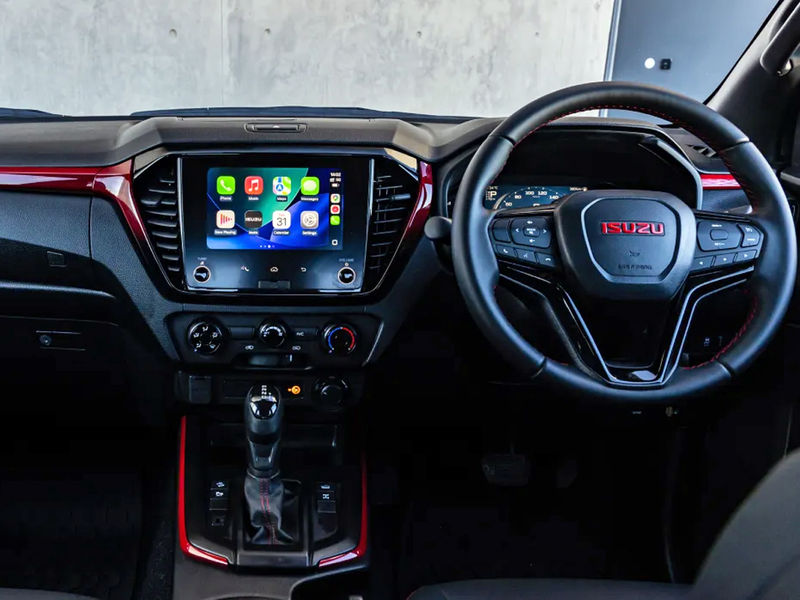
In a modern bakkie market, durability still matters, but in-car tech matters a lot, too. Bakkie buyers want all the connectivity that a modern infotainment system provides, without the annoyance of silly haptic controls. Or too many functions layered in screen sub-menus.
One of the D-Max’s best features is that it has retained many physical controls for the HVAC and infotainment. That means you still have that row of tabs that are easy to reach and control when driving on a corrugated dirt road.
Search for a D-Max on Cars.co.za
Why the carry-over engines?
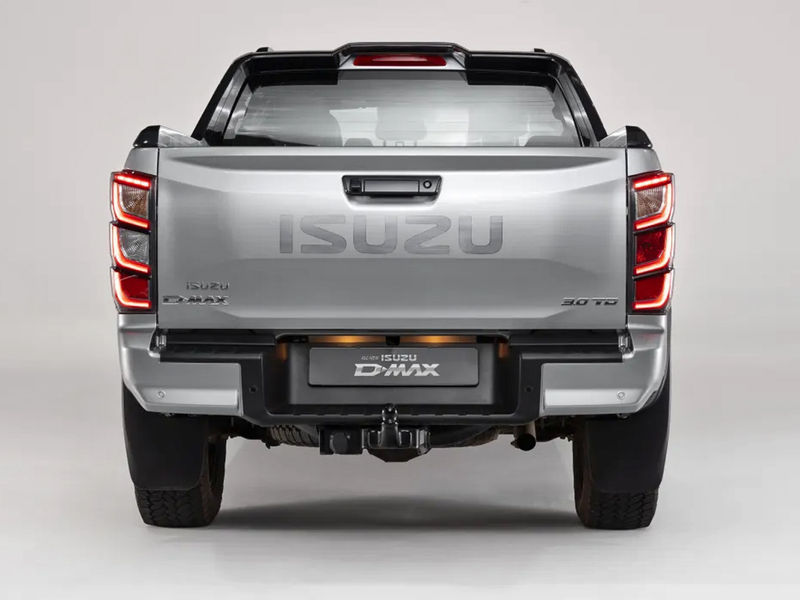
Isuzu hasn’t made any changes to the engines or drivetrains with the D-Max update. Will that be a disappointment to many Isuzu followers?
There’s a 2.2-litre turbodiesel available in other markets, but this engine won’t be available in local Isuzus until the new D-Max platform arrives in 2027.
Why has Isuzu decided to carry over its engine range when a new Hilux is entering the market and a flood of impressive Chinese bakkies is on the way? Well, because carry-over engines are reliable and proven. And it’s exactly what Toyota has done with the dominant Hilux. So you can’t really question the Isuzu South Africa product planning people for their decision.
Timing chains – no belts
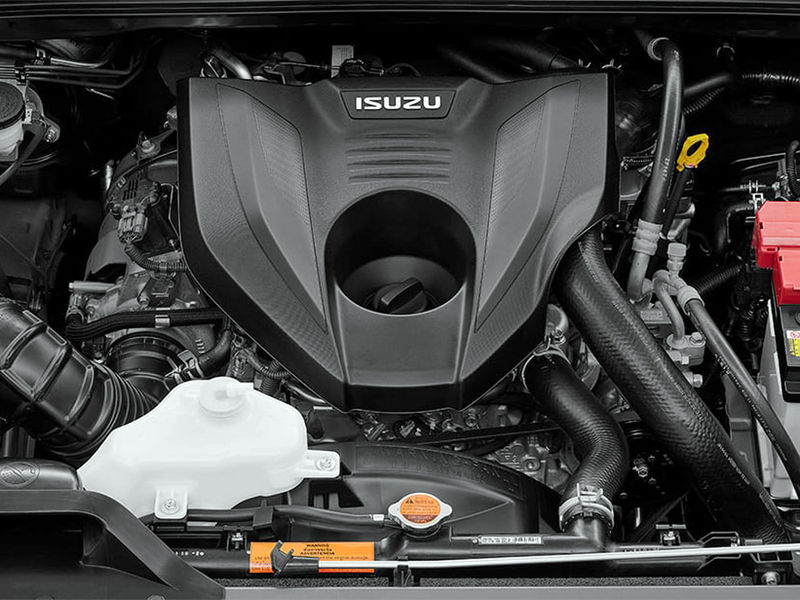
The 1.9- and 3.0-litre four-cylinder turbodiesel engines continue to be graded against the latest turbodiesel rivals and their outputs are average. But these engines retain the famed Isuzu diesel durability, which is worth a lot to many South African bakkie buyers. Importantly, all Isuzu diesel engines use chain-driven timing rather than timing belts.
For bakkie buyers who value long-term engine durability and worry about catastrophic engine failure and damage with a failed or snapped timing belt, it’s a big deal.
Search for an Isuzu D-Max on Cars.co.za
No D-Max 8-speed for now
Like the engines, all gearboxes and transmissions for Isuzu’s latest bakkie have been carried over, too. That means you still only have 6 forward speeds. That is similar to a new Hilux, but it offers fewer gears than most rivals like the Amarok/Ranger (10) and most Chinese double cabs, which have 8-speed transmissions.
Disappointingly, the Isuzu 8-speed automatic transmission already available in several other global bakkie markets isn’t part of the local D-Max update. This is a big issue because most double cabs are ordered with automatic transmissions.
Fewer gears mean worse fuel consumption and possible acceleration lag when you need that rapid gear kickdown, accelerating up a steep gradient or to pass slower trucks on the highway.
The updated D-Max and new Hilux lack an all-wheel-drive option on the high-trim 4×4 versions. That means you can’t use a 4×4 D-Max in all-wheel drive on a sealed surface, or on a slipway when you are launching or retrieving watercraft.
With the Amarok, Ranger, Tasman, and several Chinese double-cab bakkies now offering all-wheel drive, it could be an issue to have a 4×4 bakkie with only a 50:50 lockup transfer case option. Why? Because on these bakkies, all-wheel drive can’t be used as a traction and safety aid at high speeds on dirt roads. And they absolutely can’t be used on steep, wet tar roads or slipways in 4×4, which is exactly where a double cab with all-wheel drive is so valuable.
New D-Max 4x4s
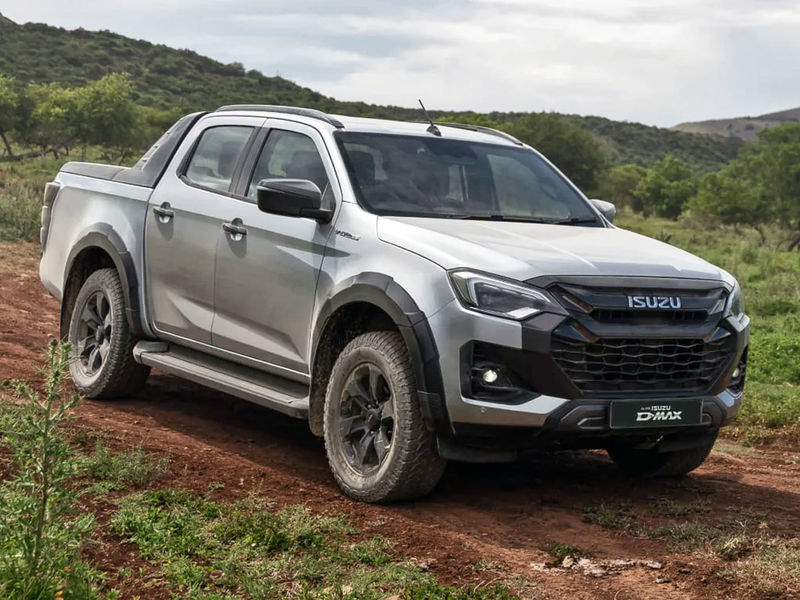
An interesting detail in Isuzu’s updated bakkie range is the addition of more extended-cab versions. For a long time, these bakkies were an afterthought in the local market. Now, several brands are making an effort to market them more effectively.
Isuzu has added 2 4×4 derivatives to its extended-cab range because they make a lot of sense to adventure and business buyers. The load bed on a double-cab bakkie is short. That makes it a lot less useful than you’d think.
Extended cabs are having a moment
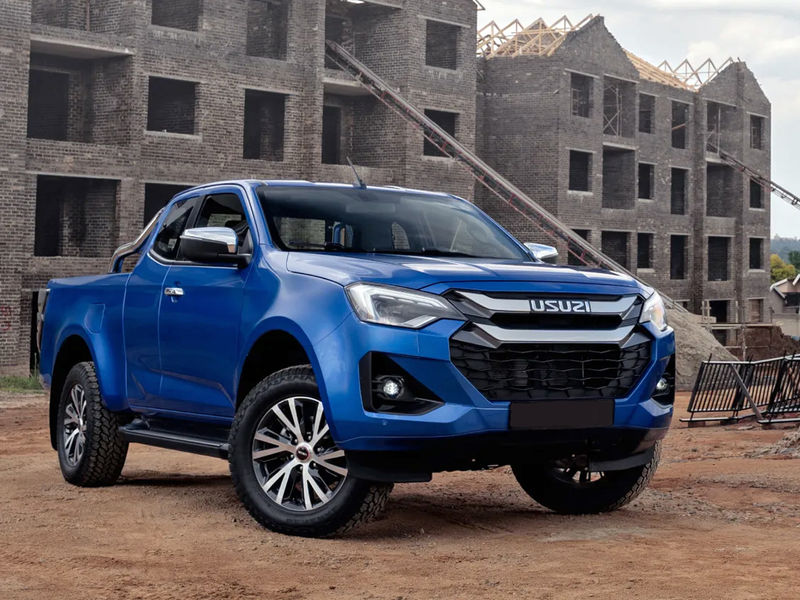
For overlanders and 4×4 adventure drivers – an important segment of the local bakkie market – a short double cab load bed has many limitations.
An extended cab has better load rating and load volume than a double cab. That matters when buyers need to fit an aluminium canopy with a drawer system and carry their own supplies for a month-long tour of Botswana or Namibia.
Another benefit of extended-cab bakkies over both single- and double-cab bakkies is the storage area behind the seats. Bakkies have no safe in-cab storage. In an extended-cab bakkie, you can manage the risk better by utilising lockable storage boxes behind the seats, creating an excellent in-cabin storage solution without sacrificing any space in the load bed.
Double cab bakkies are popular as family vehicles. But it’s very difficult for business owners to make a VAT vehicle tax claim for them. With an extended cab, that’s not an issue, which does increase its appeal as an ownership proposition.