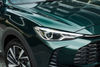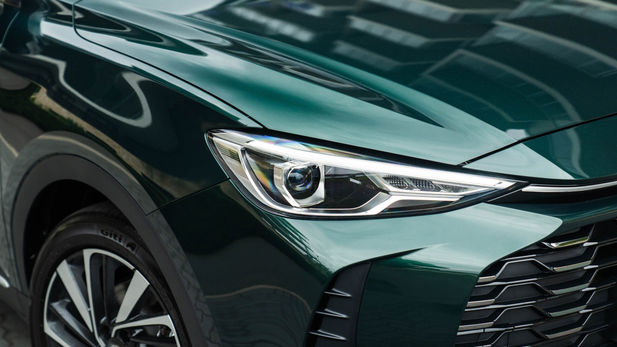
Our contributor recently returned from a trip to China with MG, which will return to South Africa next year, where he found the writing very much on the wall – a red wall.
Wait no, not a wall – a wave, a huge crushing red tide full of container ships containing an unrelenting, unapologetic stream of automobiles, each one an attractive improvement on the one that precedes it.
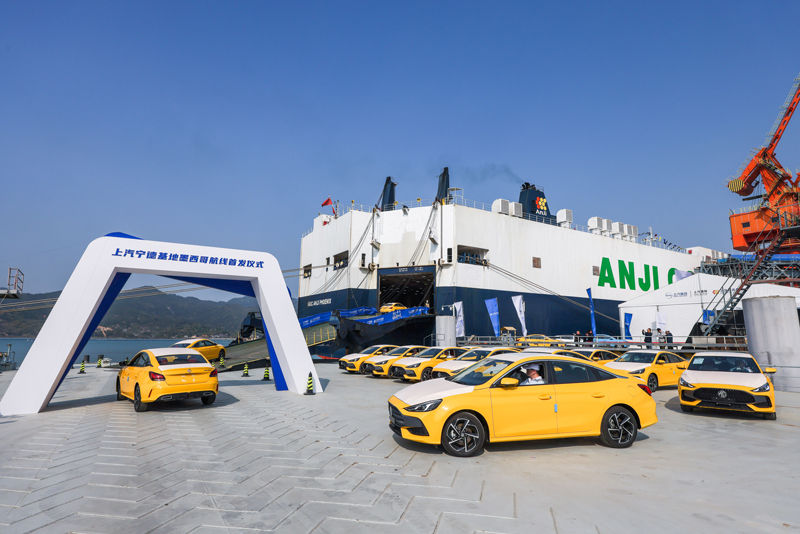
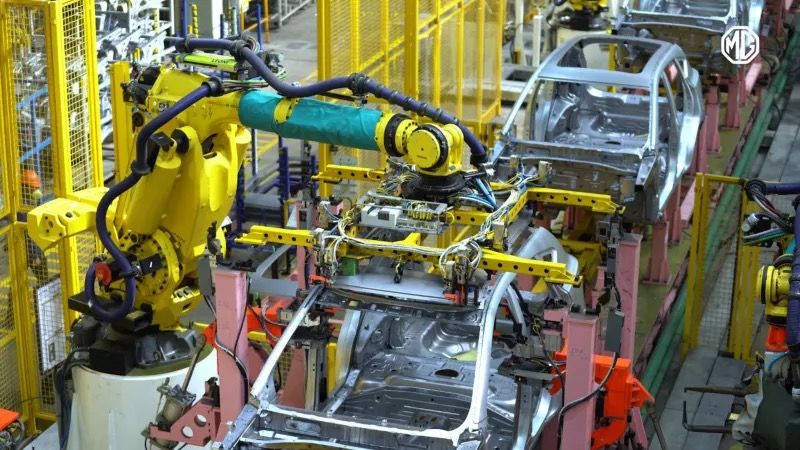
We were recently invited to Zhengzhou, China to look under the bonnet of SAIC Motor’s MG factory. Yes, THAT British brand has made the move from Mr Morris’ Garage to the Chinese mainland and is now receiving its latest lease on life thanks in part to the Chinese government.
See also: It’s official: MG Motor is returning to South Africa
You see, SAIC (formerly known as Shanghai Automotive Industry Corporation), is state-owned. In fact, it’s the largest of 4 state-owned vehicle manufacturers in China and enjoys 2 prolific joint ventures with Volkswagen and General Motors respectively. As a result, the scale at which it operates is mega.
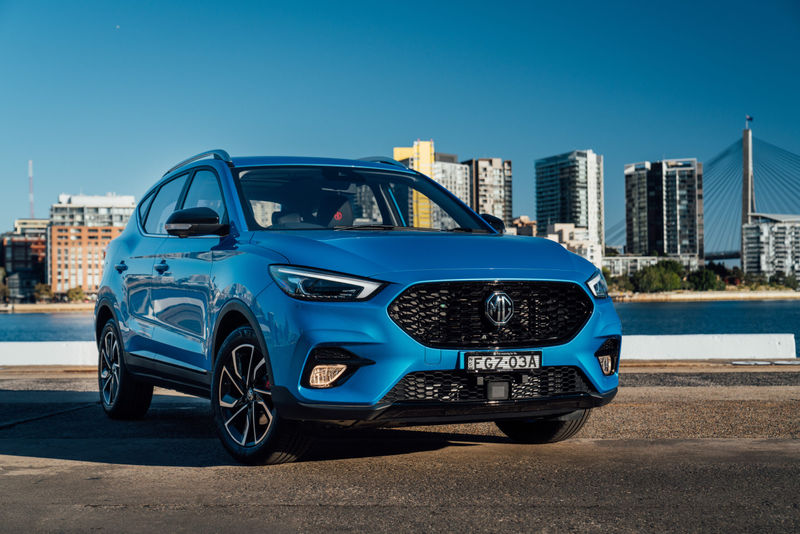
On that note, the MG products (still to be disclosed, but sourced from China) we got to sample during the trip, were unveiled to us at a SAIC VW proving ground. Think world-class, high-end test facility – the sort of place where if you had a garden chair and a zoom lens you could feed the entire auto world’s desire for spy shots for the next year or so and make a decent living off your snaps.
Except, this was a highly secure venue and all our photographic equipment including our smartphones) was commandeered for the afternoon. Sorry, dear scrollers, you’ll have to read my description carefully.
See also: Leapmotor coming to SA in 2025: what we know so far
This “officious confiscation” wasn’t an unusual experience, especially in the East… many a trip to Japan and South Korea has gone this exact way. If anything, the proving ground was actually quite a liberating venue; it allowed us to legally venture north of South Africa’s highway speeds, before scything through a long left-hander, and ultimately descending into a festival of chicanes and articulating surfaces.
This was a huge improvement over some “test tracks” I’ve experienced in the past, which were little more than bollard-strewn parking lots. Add to that the high-end, robotised manufacturing plant churning out thousands of MGs – each hybridised, electrified or fossil-powered (pick your poison) and you get a clearer understanding of the fierce intent Chinese manufacturers have. Not to mention the sheer scale.
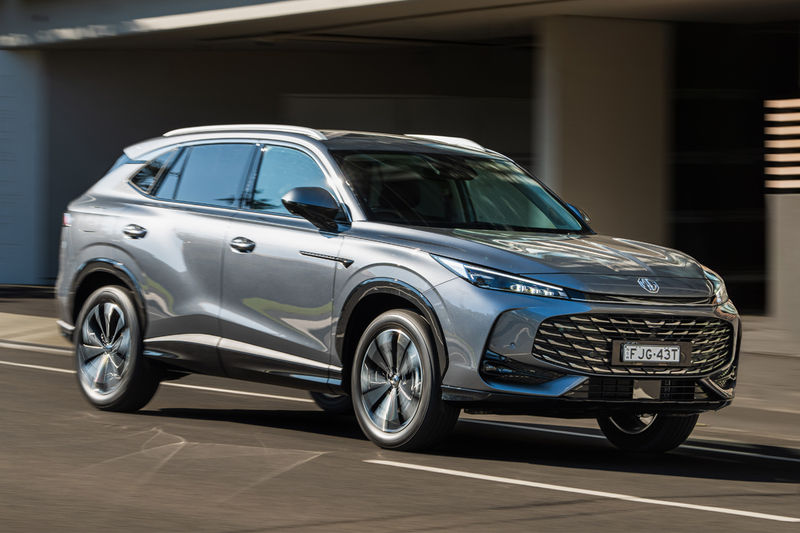
We’re living in an era of the relatively short lifespan of the four-wheeled vehicle where, simultaneously, the Chinese government has invested in (and incentivised) its automotive manufacturers to build safe, contemporary vehicles that can proliferate into the world market, and European governments are penalising their very own manufacturers for not being sufficiently environmentally responsible.
The law of averages in China’s favour
Underpinning this is the realisation that there are more collaborative ventures between China and the Western marques than ever before, each one bringing China closer and closer to dominance. What you’re seeing here is the law of averages working considerable favour to China.
At some point during the melee that is a typical trip to Shanghai, I had time by myself to sit still and look around. Sipping my coconut milk iced latte (a staple amongst the locals), I was able to survey all 6 lanes of a nearby highway. It was teeming with traffic foreign to my eye.
As a keen car enthusiast, it pains me to admit that out of every 10 cars, I recognised perhaps 2 or 3 models and, even then, it was usually one of Elon Musk’s cars (a Tesla, just in case you possibly didn’t know). The Chinese have truly embraced electrification as a source of mobility. And not just in Shanghai but also in Zhengzhou, which perhaps not too coincidentally, is also home to the iPhone factory.
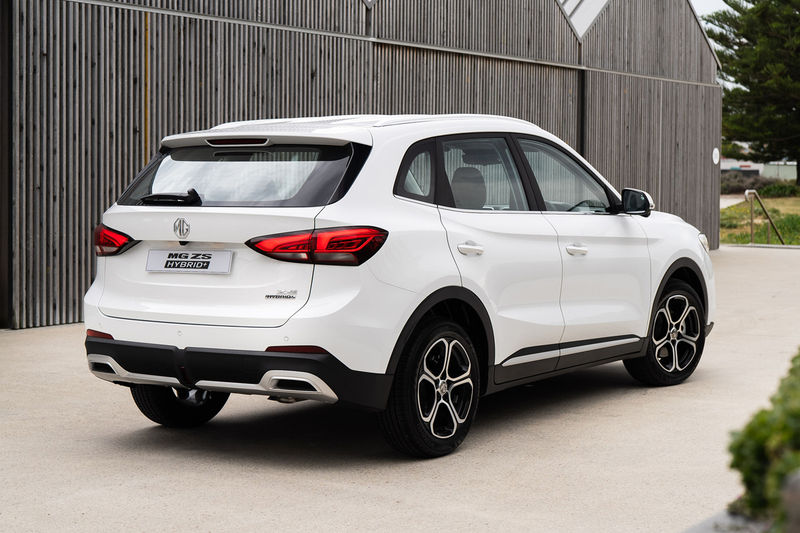
But for the most part, the cars occupying all those lanes were locally built. So, sure: Havals and Cherys, Omodas and GWMs, but also an array of badges you wouldn’t recognise. Even familiar Western badges such as Chevy and Buick are the products of joint ventures, but ultimately Chinese in ways that matter.
See also: New Chery models, including a small bakkie, coming to SA soon
The Chinese nation is fiercely patriotic when it comes to their whips, and why not? The cars are generally good, and can now challenge the same European and American cars that would at one point have been on a mood board somewhere in the rapidly growing Chinese brands’ respective styling departments.
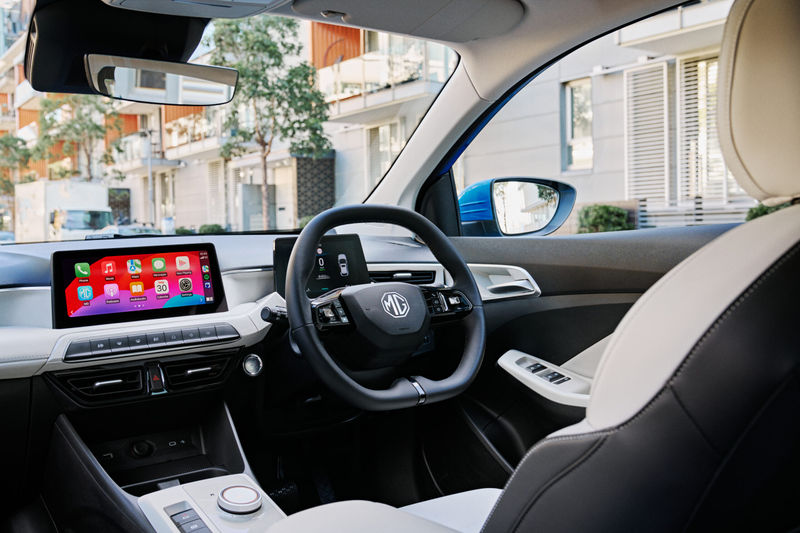
And yet, once again, it’s the sheer scale of things that bend your mind here. In a city where the skyscrapers reach for the stratosphere, so does the ambition on display. It’s the numbers that ultimately got me. Millions of cars – in the factories and on the road – destination: everywhere.
As a motoring journalist, my ability to craft an opinion on why you should or shouldn’t buy a Chinese car pales in comparison to what feels like a burst river bank, a deluge of metal that will make its way to showrooms in Mzansi, no matter what. It doesn’t matter what I write.
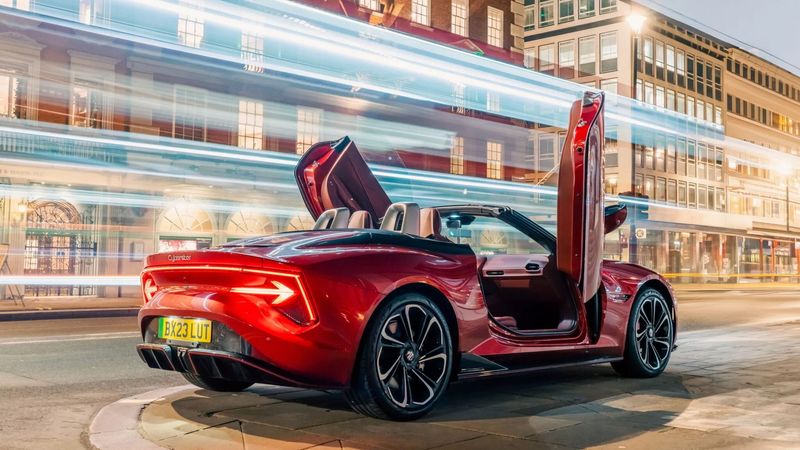
But, there’s some good news. I’ve littered this column with it, but let me reiterate: Chinese cars are now, for the most part, good. Some are really good and a few are great. With MG, which will return to South Africa with a clutch of models in 2025, I’m pleased to report it’s shaping up to be more of the latter.
Related content:
Why Chinese car brands will win the EV war