The Chery Group plans to start producing new vehicles in South Africa in 2027. But will these SA-built models be cheaper than the imported versions they ultimately replace?
- Chery to start production at Rosslyn in H2 2027
- Tiggo 4 Cross likely to be first model off the line
- Diesel PHEV bakkie being lined up for 2nd phase
In the 2nd half of 2027 , the Chery Group plans to start producing new vehicles at its freshly purchased Rosslyn factory . But will these SA-built models be cheaper than the imported versions they will ultimately replace?
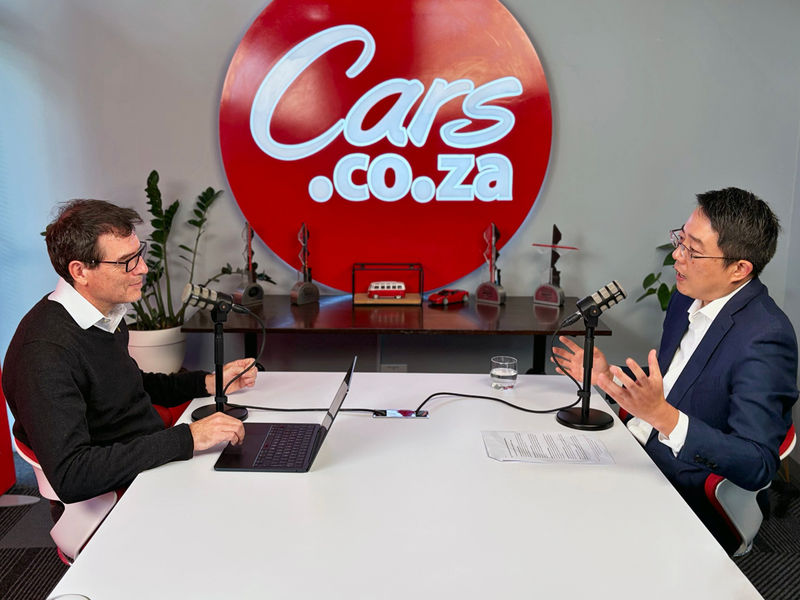
We asked Tony Liu, CEO of the Chery Group in South Africa, that very question during a recent Cars.co.za podcast interview. As a reminder, the Chinese automaker recently acquired the Rosslyn facility from Nissan, a factory in which the Japanese firm had built new vehicles for some 60 years.
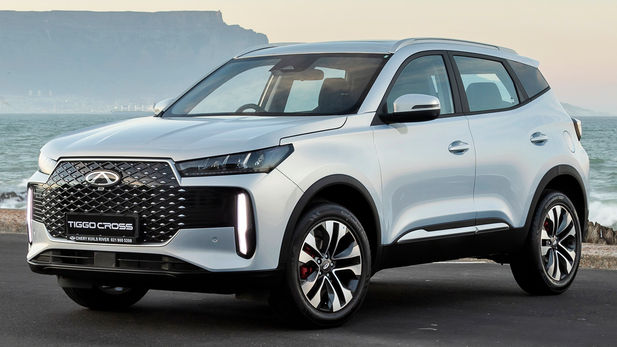
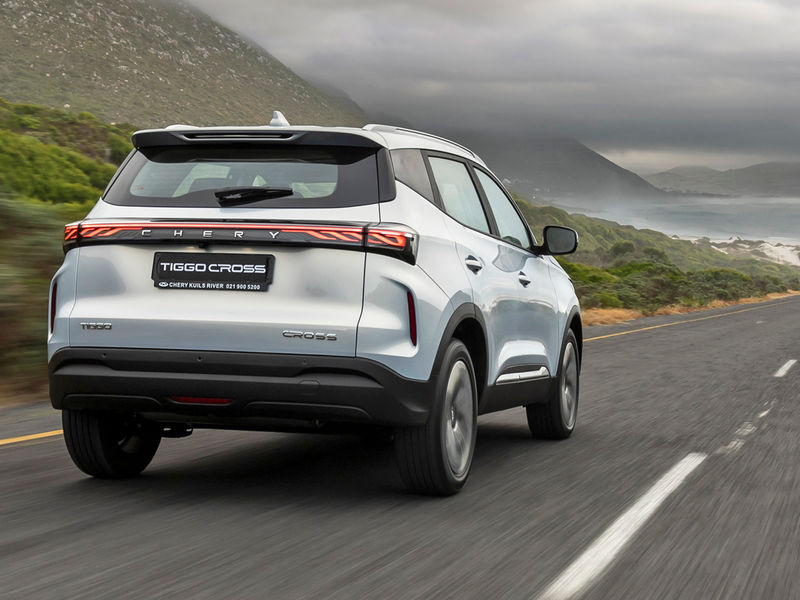
With the facility currently undergoing recommissioning, Chery says it plans to kick off production in the 2nd half of 2027. The Tiggo 4 Cross is expected to be the first model to roll off the line, produced in both petrol and hybrid guise. The company says it aims to produce 15 000 units in the plant’s initial ramp-up phase in the 3rd and 4th quarters of 2027.
“Our biggest seller in South Africa is the Tiggo 4 Cross, which has been number one in the SUV [segment] for quite a few consecutive months. We want the Tiggo 4 Cross, including the ICE [internal combustion engine] and hybrid versions, to be the first production rolled out from our Rosslyn plant,” Liu told us.
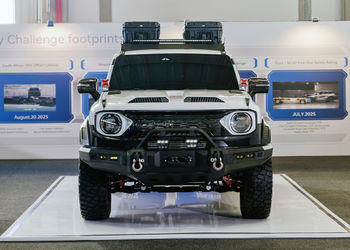
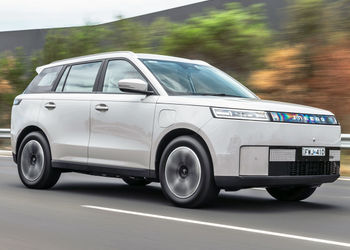
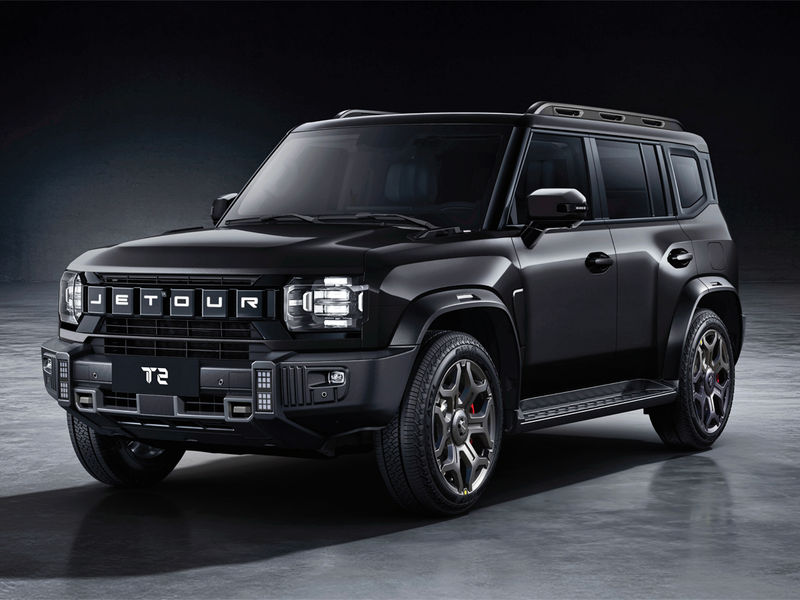
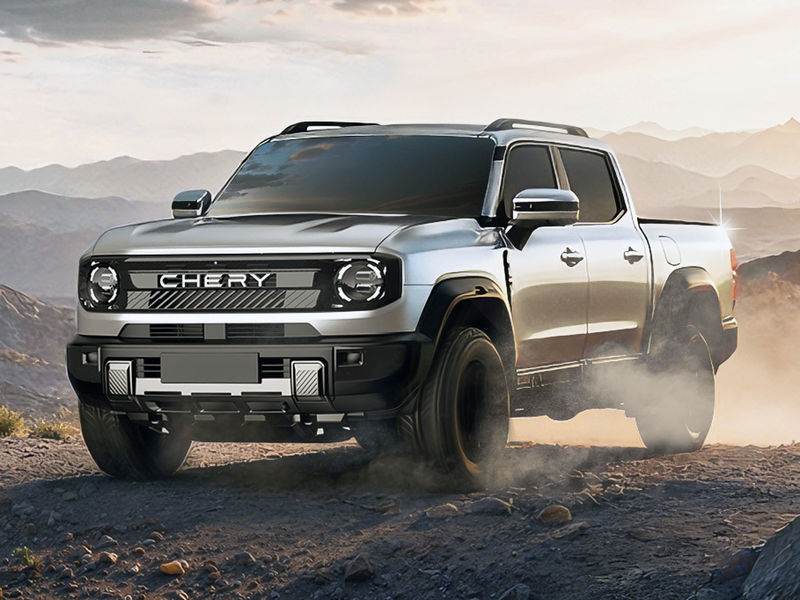
“We also have intentions to bring in the Jetour T2 to be locally produced – in ICE and plug-in hybrid. During the 2nd phase, we’re also planning to bring our KP31 diesel plug-in hybrid bakkie into production in the Rosslyn plant,” the executive added. Additionally, Chery Group sub-division Omoda & Jaecoo earlier announced that its Jaecoo J5 would “form part of the core production line-up”.
So, considering the scale and technology advantages held by Chery’s various factories in its domestic market of China, what are the chances that the upcoming SA-built models will be cheaper than the China-sourced versions that are currently on the market?
“That is a good question. From a manufacturing cost point of view, I think China does have the advantage globally. In the meantime, we are also looking at the different regions and policies [in play]. South Africa has a number of FTAs [free trade agreements] – we have SADC [Southern African Development Community] in the region that we can export to in the future,” Liu said, while also touching on SA’s trade relationship with Europe.
“So, these are all the things we can leverage in future. In terms of South African cost, yes there are some challenges, but we are looking at how optimise our supply chain, from a logistics point of view, from an internal costing point of view and also from a policy point of view,” he added.
“I think a very important factor is volume. So, if you ask me whether they’re going to be cheaper? Potentially, yes. Because once we have the volumes and deeply rooted suppliers … there is a possibility to make it very competitive in the South African market,” Liu said.
Frequently Asked Questions (FAQ)
Q: When will the Chery Group begin vehicle manufacturing in South Africa, and which models are planned?
A: The Chery Group plans to start production at its newly acquired Rosslyn facility in the second half of 2027. The first vehicle off the line is expected to be the top-selling Tiggo 4 Cross (in both petrol and hybrid forms), followed by the Jetour T2, the Jaecoo J5 and the KP31 diesel plug-in hybrid bakkie.
Q: Will Chery vehicles built in South Africa be cheaper than the imported Chinese models?
A: Local pricing could potentially be lower and highly competitive, but it depends heavily on production volumes. While manufacturing in China holds a global cost advantage, Chery aims to offset local supply chain and logistics challenges by scaling up production and establishing a deeply rooted network of local suppliers.
Q: What are Chery’s initial production volume targets and export strategies for the Rosslyn plant?
A: Chery is targeting an initial ramp-up phase of 15 000 units across the third and fourth quarters of 2027. Beyond satisfying the South African domestic market, the automaker intends to leverage regional trade policies and free trade agreements, such as the Southern African Development Community (SADC), to export these locally built vehicles into broader African and European markets.
Related content
Chery Group officially takes over Rosslyn factory